 A Black Diamonds New York guide
What to Look for When Buying a 3 Carat or Larger Diamond Ring
A 3 carat marquise diamond ring demands attention to cut symmetry, clarity grade, and setting protection to showcase its dramatic elongated shape.
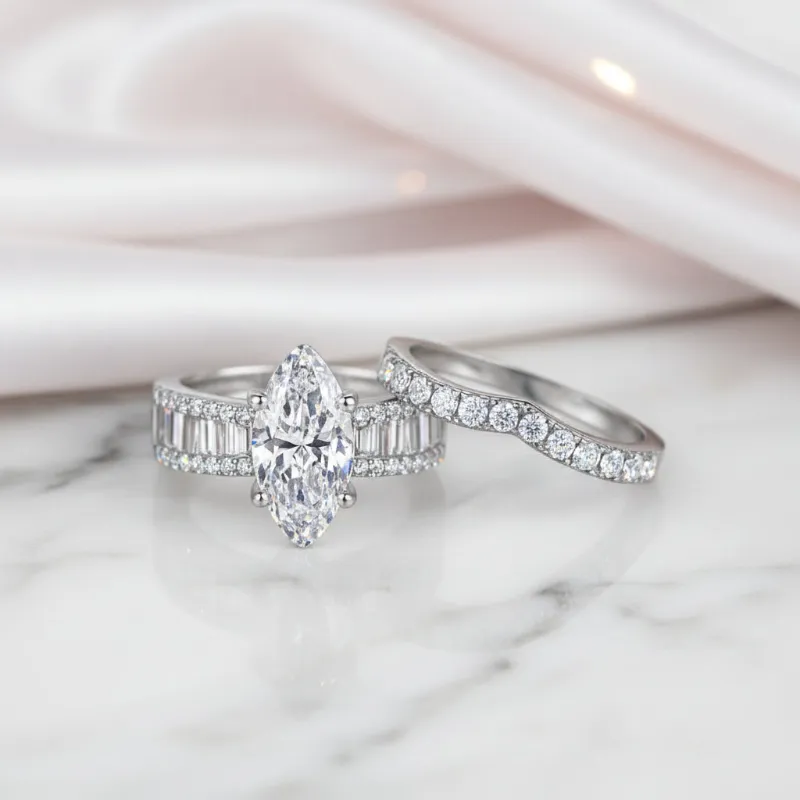
A 3 carat marquise diamond ring offers dramatic finger coverage and brilliant sparkle, but choosing one requires careful attention to cut quality, clarity, and setting style. At this carat weight, even small flaws become visible, and the marquise cut’s pointed ends need proper protection.
Whether you’re considering a lab grown option or a natural stone, understanding the nuances of cut proportions, color grading, and metal choice will help you invest confidently in a ring that performs beautifully for decades.
Cut Quality and Symmetry Matter More at 3 Carats
The marquise cut amplifies both brilliance and imperfections. At 3 carats or larger, an asymmetrical cut becomes immediately obvious. Look for a length-to-width ratio between 1.75:1 and 2.25:1 for the most balanced appearance. The two pointed ends should mirror each other perfectly, and the stone should sit centered when viewed from above.
We recommend examining the pavilion depth and table percentage closely. A table between 53% and 63% and a total depth of 58% to 62% typically deliver the best light return. Outside these ranges, you may see a bow-tie effect (a dark shadow across the center) that no amount of sparkle can overcome.
- Request certification from GIA or AGS with cut grade details
- View the stone under multiple lighting conditions before committing
- Ask to see the diamond next to similar carat weights to judge size presence
- Verify symmetry by checking that the point aligns with the curve apex
Check the latest price on certified stones with ideal symmetry grades.
Clarity Grades Show More in Larger Diamonds
A 3 carat marquise diamond ring displays inclusions that would hide in a 1 carat stone. We suggest staying at VS2 or higher for natural diamonds at this size. SI1 can work if the inclusions sit near the girdle and not under the table, but inspect the stone in person or request magnified video.
Lab grown diamonds often offer better clarity value at 3 carats and above. A 3 carat marquise diamond ring lab grown from a reputable vendor can deliver VVS clarity at a fraction of the 3 carat marquise diamond ring price for natural stones. The visual difference between lab and natural at this clarity level is undetectable without gemological equipment.
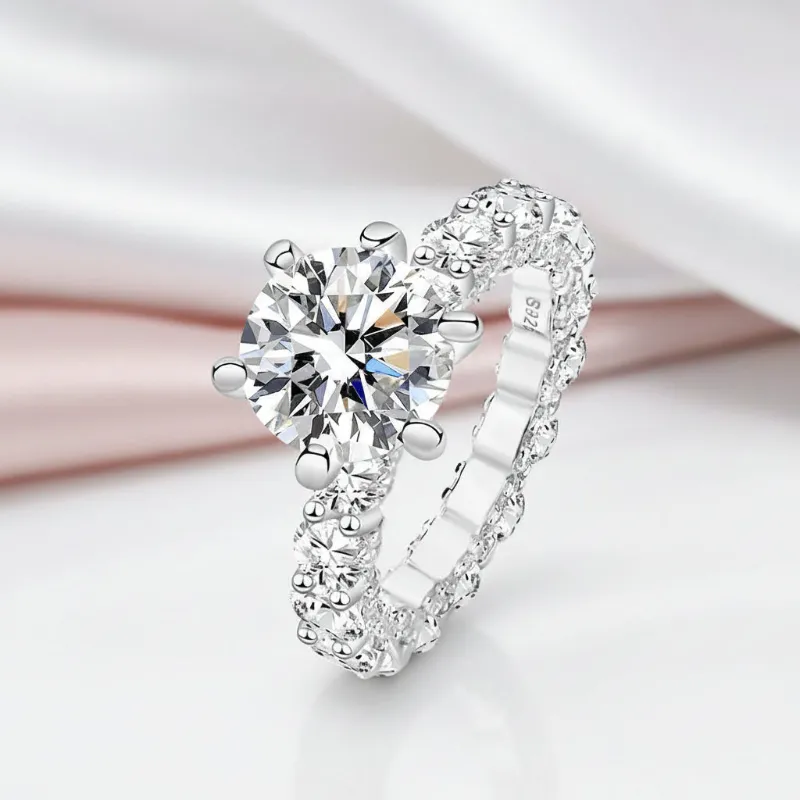
For diamonds over 4 carats, like a 4.0 ct diamond ring, we move our minimum recommendation to VS1. The larger surface area means even well-placed inclusions can interrupt light paths.
| Carat Weight | Minimum Clarity | Ideal Clarity |
|---|---|---|
| 3.0 – 3.9 ct | VS2 | VVS2 – VVS1 |
| 4.0 – 5.0 ct | VS1 | VVS1 – IF |
Color Grade and Metal Pairing
Color tint becomes more noticeable as carat weight climbs. For a 3 carat marquise diamond ring in white gold or platinum, we recommend H color or higher. The pointed ends of a marquise can show faint yellow even when the center appears colorless, so conservative color grading pays off.
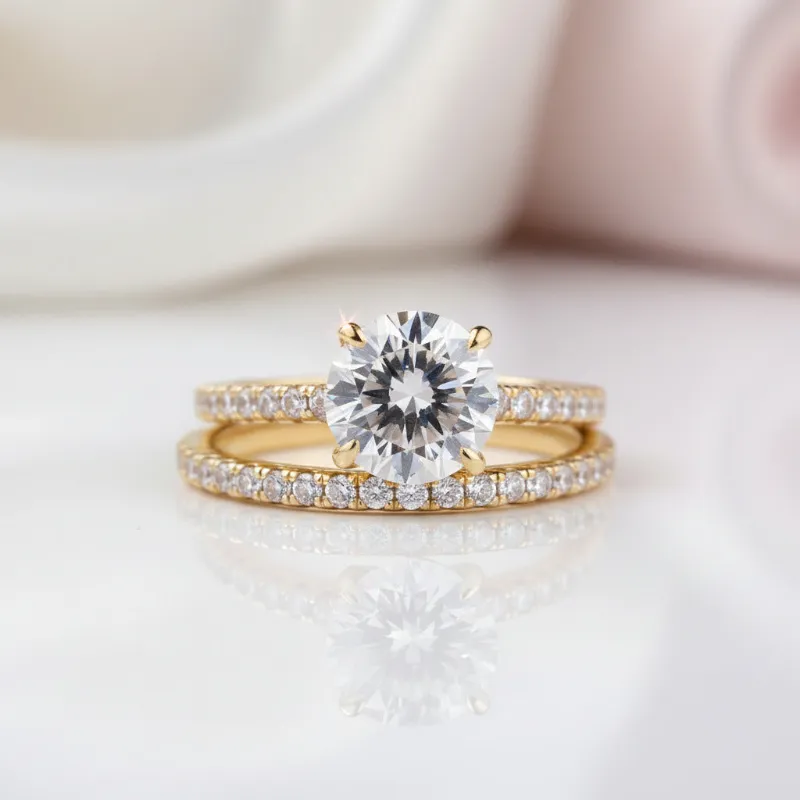
If you prefer warmth, pair an I or J color stone with yellow gold wedding rings to create intentional vintage appeal rather than an accidental tint. Emerald cut engagement rings face the same color visibility challenge due to their large open facets, so the same H-or-better guideline applies across step-cut and modified brilliant styles.
For 3 carat marquise diamond ring white gold settings, choose 14K or 18K for durability. Platinum offers the most security for prong tips but adds weight and cost. Rose gold has grown popular for marquise cuts because the warm metal tone complements the elongated vintage silhouette.
Setting Styles That Protect Pointed Ends
The marquise cut’s delicate points are vulnerable to chipping. A bezel or V-prong setting at each tip is non-negotiable for everyday wear. We’ve seen too many gorgeous stones damaged by claw prongs that don’t fully cup the point.
Three-stone settings pair beautifully with marquise centers. Elegant marquise three stone rings balance the elongated center with round or tapered side stones that add visual interest without competing. Halo settings amplify the already generous 3 carat marquise diamond ring on finger presence, though they work best with smaller halos (1.5 to 2 mm) to avoid overwhelming the shape.
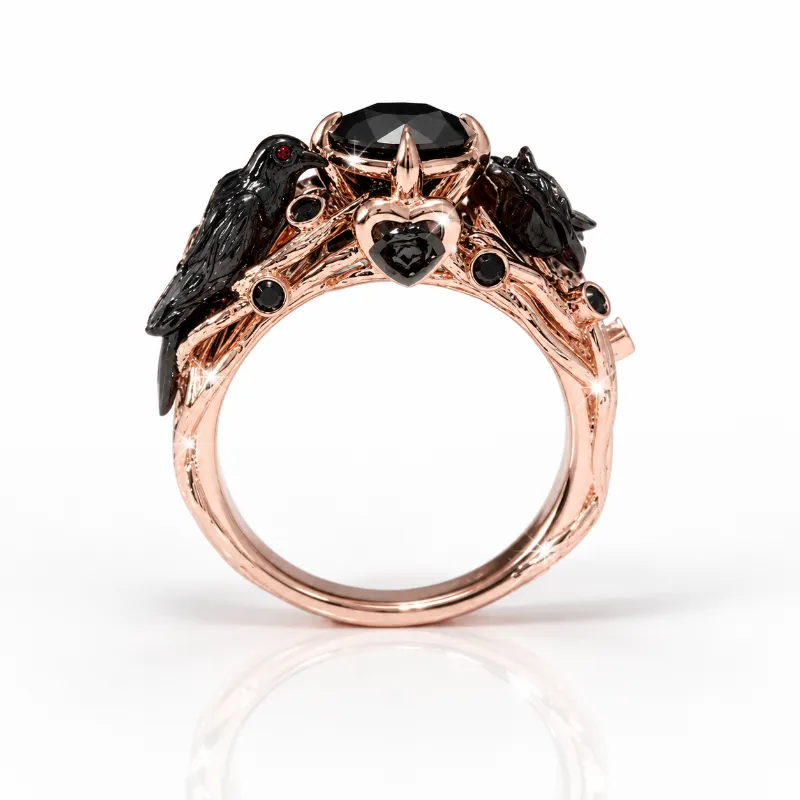
If you love alternative styles, gothic engagement rings in blackened metals create dramatic contrast with a colorless marquise. Solitaire settings remain timeless but verify the basket has reinforced prongs and a low profile to prevent snagging.
- V-prongs or bezel tips on both pointed ends
- Low basket height to minimize snag risk
- Six-prong settings for stones over 4 carats
- Matching wedding ring sets with curved or notched bands that nestle against the marquise
Comparing Marquise to Other Cuts at 3 Carats
The marquise cut delivers more finger coverage per carat than any other shape. A 3 carat marquise measures approximately 14 x 7 mm, while a 3 carat round brilliant spans just 9.3 mm. If visual impact matters, marquise wins.
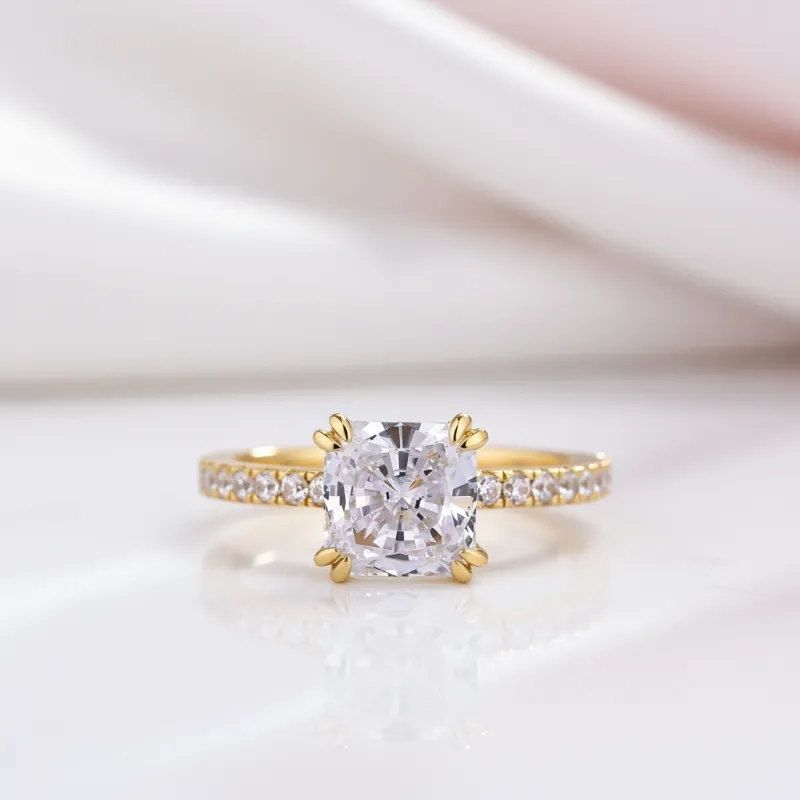
Princess cut wedding rings and ring with princess cut diamond options offer modern geometric appeal and better durability (no pointed corners), but they face up smaller than marquise at the same weight. Pear cut engagement ring styles split the difference, with one point and a rounded end that offers some protection while keeping the elongated silhouette.
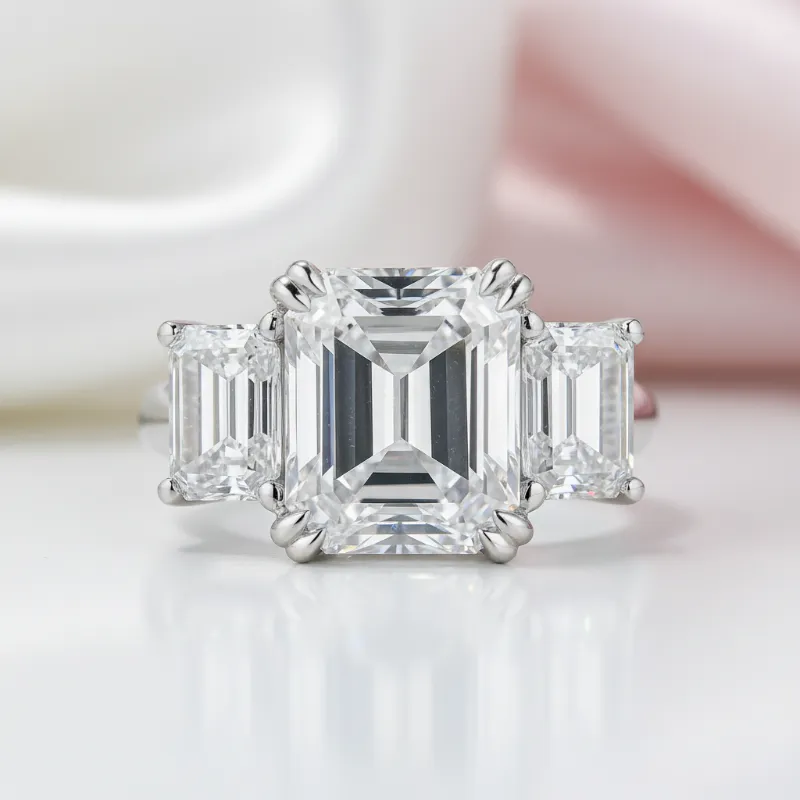
Emerald cut engagement rings create a sophisticated hall-of-mirrors effect but demand higher clarity and color grades than marquise because their step facets act like windows into the stone. For budget-conscious buyers prioritizing size, marquise typically delivers better value than emerald at 3 carats.
Visit Rare Carat’s 3 carat marquise pricing guide to compare current market rates for natural stones across color and clarity combinations.
Certification and Purchase Strategy
Never buy a 3 carat or larger diamond without independent certification. GIA and AGS provide the most reliable grading, though IGI has improved credibility for lab grown stones. The certificate should include a plot diagram showing inclusion placement, which helps you assess whether flaws will be eye-visible.
Budget approximately 15% to 25% less for lab grown versus natural at this carat weight, though grab the code for an additional 20% off sitewide at Black Diamonds New York. For specialty stones like an engagement pink diamond ring, expect premium pricing regardless of origin due to rarity.
Request the diamond’s measurements and compare them to published ideal ranges for marquise cuts. A 4 carat marquise diamond ring should measure around 15 x 7.5 mm; significant deviation suggests poor cut planning. Ask for ASET or Ideal-Scope images if available to verify light performance beyond the certificate grades.
Consider purchasing the setting and stone separately if you have specific design requirements. Many jewelers offer better pricing on loose stones, and you gain flexibility to choose proposal ring box presentation and custom metalwork. Verify the jeweler’s insurance and return policies before finalizing, and have the finished piece appraised by an independent gemologist within 30 days.
Maintenance and Long-Term Care
Large diamonds accumulate oils and debris faster than smaller stones because of their surface area. Clean your marquise ring weekly with warm water, mild dish soap, and a soft brush. Professional ultrasonic cleaning twice a year keeps brilliance at peak levels, though avoid this method if your stone has significant inclusions or fractures.
Inspect prongs every six months, especially the V-prongs protecting the points. Jewelers can retip worn prongs before they fail. Remove your ring during heavy manual work, exercise, and sleeping to prevent impact damage to the vulnerable ends.
Store the ring separately from other jewelry to prevent scratches. The marquise cut’s points can damage other pieces, and harder gems like sapphire can scratch your diamond’s facets over time. Wedding ring sets should nest together in individual slots with soft lining.
Insure your ring for replacement value, not the purchase price. Appraisals typically value jewelry 20% to 40% above retail to cover full replacement costs. Update your appraisal every three to five years as market values shift.
Questions
What is a good clarity grade for a 3 carat marquise diamond ring?
We recommend VS2 or higher for natural stones at 3 carats, since the larger size makes inclusions more visible. For lab grown options, VVS grades offer excellent value without visible flaws.
How much bigger does a 3 carat marquise look compared to a round diamond?
A 3 carat marquise measures approximately 14 x 7 mm and covers significantly more finger area than a 3 carat round (9.3 mm diameter). The elongated shape creates dramatic visual impact and makes fingers appear longer.
Do I need special prongs for a marquise cut diamond?
Yes, the pointed ends require V-prongs or bezel protection to prevent chipping. Standard claw prongs do not fully protect the delicate tips and leave the stone vulnerable to damage during everyday wear.
Is lab grown or natural better for a 3 carat diamond ring?
Lab grown diamonds offer 15% to 25% savings and often better clarity at 3 carats, with no visual difference from natural stones. Natural diamonds hold resale value better, though at this size both options require significant investment.
What metal works best for a 3 carat marquise setting?
White gold (14K or 18K) balances durability and cost, while platinum offers maximum security for prongs. Yellow or rose gold suits warmer diamond colors (I-J) and creates vintage appeal.
How often should I have a large diamond ring inspected?
Inspect prongs every six months and have professional cleaning twice a year. The pointed ends of a marquise are especially vulnerable, so regular checks prevent stone loss from worn prongs.
Products in this guide
 Shopping at Black Diamonds New York? See the discount code
20% OFF Sitewide
Shopping at Black Diamonds New York? See the discount code
20% OFF Sitewide
More in this series
Wedding Ring Sets vs Buying Separately: Which Saves You More Money?17 Sep 20264 min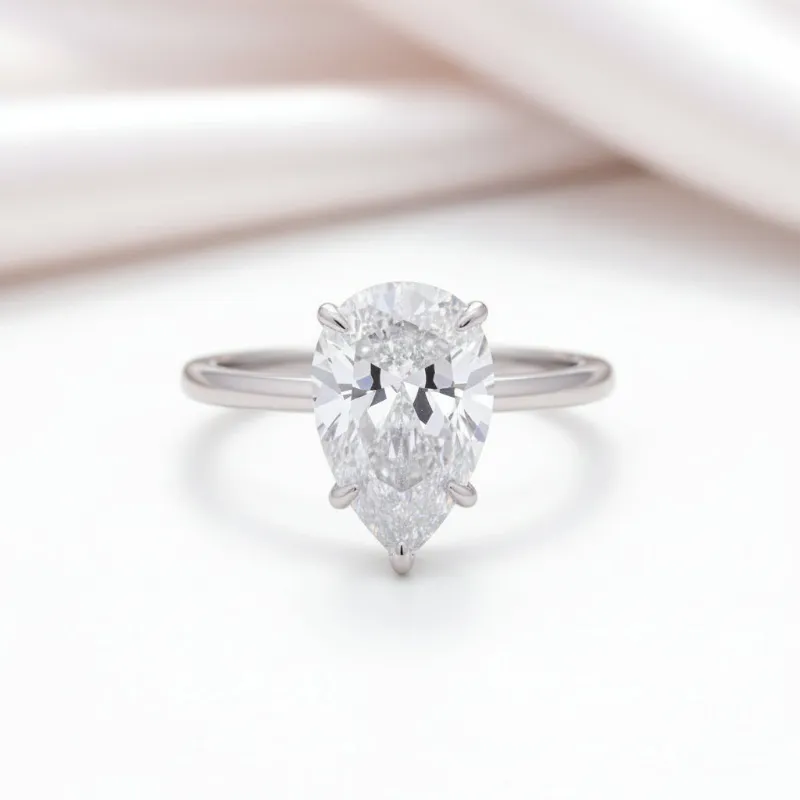 Are Pear Cut Engagement Rings More Fragile Than Other Diamond Shapes?17 Sep 20264 minProposal Ring Box Guide: Which Style Works Best for Different Ring Types?17 Sep 20264 minDo Gothic Engagement Rings Hold Their Value Over Time?17 Sep 20265 minHow to Choose Between Emerald Cut vs Princess Cut Diamond Engagement Rings17 Sep 20266 min