 A TELESIN guide
Neck Phone Holder Comfort: What Affects the Load on Your Neck
The adjustable lazy neck bracket for gopro and smartphones puts load on your neck during long wear, so adjust the fit and take breaks.

A neck-worn phone or camera mount, such as the TELESIN adjustable lazy neck bracket for gopro and smartphones, puts load on your neck during extended wear, so the fit, your posture and breaks matter. The risk comes mostly from device weight, how far the arm extends from your body, and how long you keep it on without a break. For the current code, see our TELESIN codes and deals.
How neck mounts distribute weight
A neck mount wraps around your neck and holds a phone or camera at chest level using a flexible arm. The load sits mainly on your collarbones and upper trapezius muscles, and how much strain that creates depends on a few factors.
- Device weight. Check the weight of your device: a heavier phone adds more load than a lighter action camera.
- Arm extension. The further the gooseneck extends away from your body, the more leverage it creates, which increases the pull on your neck for the same device weight.
- Fit tightness. Too loose, and the bracket slides forward and pulls down. Too tight, and it can press uncomfortably on the collarbone.
Posture matters as much as the raw weight. Slouching or tilting your head down to check a screen increases the load your neck muscles have to hold, regardless of what is mounted.
Neck mounts versus other hands-free options
Different mount styles put load in different places, which is worth knowing before you settle on one for a long session.
| Mount type | Where the load sits | Best use case |
|---|---|---|
| Neck bracket | Collarbones and upper trapezius | Steady chest-level POV for tutorials |
| Chin mount | Jaw and lower face | Upward-angled first-person action shots |
| Wrist strap | Wrist and forearm | Active sports and wrist-panning shots |
| Selfie stick | Hand and arm | Group shots and travel vlogging |
The neck phone holder variant uses a softer silicone cradle instead of a rigid gooseneck, which trades some stability for a more even spread of weight. For anything with a lot of movement, a wrist mount like the viso +gopro elastic wrist mount takes the load off your neck entirely.
Practical tips to reduce neck strain
- Keep the gooseneck short. The closer the device sits to your chest, the less leverage it has pulling on your neck with each step.
- Take regular breaks. Remove the mount from time to time during a long shoot.
- Pad the collar if needed. If the stock pad feels too narrow for your collarbones, added padding can spread the pressure more evenly.
- Keep your posture upright. Stand or sit with your shoulders back while you film.
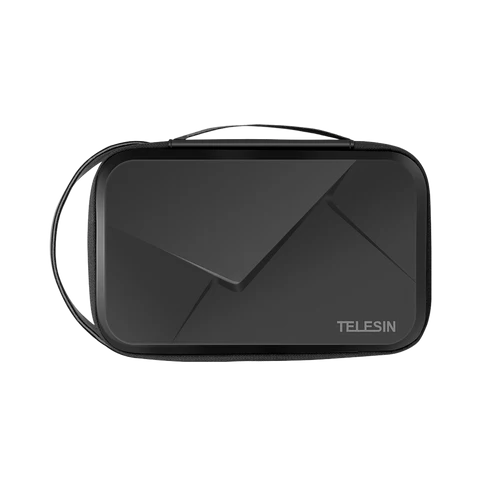
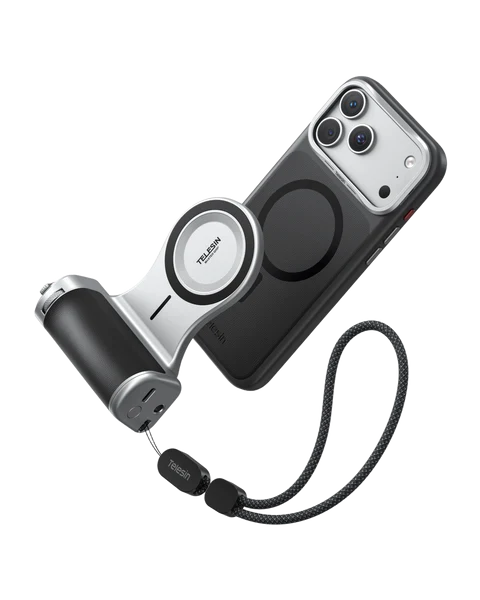
If you are pairing the mount with other gear, the telesin expandable action cam carrying case keeps everything protected between shoots, including the telesin master grip and spare batteries.
For creators filming outdoors in heat, a chonchow magnetic cell phone cooler on the back of a phone is an option to consider.
Who should use a neck mount
Neck mounts suit:
- Tutorial creators who need a steady chest-level view while their hands stay visible in frame, for cooking, crafting or repair guides
- Live streamers walking through events who want a stable front-facing angle without a gimbal
- Parents or pet owners capturing hands-free moments where a head mount feels too intrusive
Consider a different mount if you:
- Have an existing neck or cervical spine condition. Speak with a physical therapist before adding sustained neck load from any mount.
- Plan to film high-impact activities like running, mountain biking or climbing. A neck mount can bounce and adds risk during a fall. A gtx studio floating gopro wrist strap suits water sports, and a gopro hand wrist strap suits trail running.
- Need to film for a full day, such as at a festival or conference. Rotating between a neck mount, a selfie stick and a 3 meter stick for overhead shots spreads the load across different muscle groups instead of one.
Swapping batteries during breaks, rather than running a cable and battery pack that dangles from the mount, also keeps things simpler. Keep your gopro charger nearby if you are charging between sessions.
Material quality and everyday care
Check the TELESIN listing for the pad and gooseneck materials. Wipe the pad down with a mild cleaner from time to time to remove oil and sweat.
General ergonomic habits worth building:
- Rotate between mount types across projects to avoid repetitive strain on the same muscles
- Build general neck and upper back strength if you use neck mounts regularly
- If you notice soreness, tingling in your arms or headaches, stop using the mount and speak with a doctor or physical therapist
Storing the bracket in a carrying case when not in use keeps the gooseneck from bending out of shape in a bag.
Should you buy a neck mount for content creation?
A neck mount can deliver stable, hands-free footage for shorter to moderate filming sessions, and it works best as one option in a rotation rather than your only mount. Pairing it with a wrist strap for action, a grip handle for walk-and-talk segments, and a selfie stick for group shots gives you an option for each kind of shot without relying on one mount for everything.
Get the fit right, keep an upright posture and take regular breaks. If you already deal with neck issues, try the bracket briefly before committing to a full shoot, and keep an alternative mount on hand as a backup.
Questions
How long can I wear a neck phone holder like the TELESIN bracket before it gets uncomfortable?
This varies by person and by device weight. Take regular breaks during extended filming, and stop if you feel discomfort.
Can I use a neck mount if I have a previous neck injury?
Speak with a physical therapist before using any neck-worn device if you have a cervical spine issue, nerve compression or a history of neck problems. A wrist strap or handheld grip removes neck load entirely if you would rather avoid the risk.
Does the TELESIN neck bracket work with heavier phones?
Check the listing for the supported device weight. A heavier device puts more load on your neck. Keeping the arm extension short and taking breaks helps regardless of what you mount.
What is the difference between a neck bracket and a chin mount for a GoPro?
A neck bracket positions the camera at chest level for a steady POV shot, while a chin mount attaches near your jaw for an upward-angled first-person view. Each puts strain on a different part of your body, so switching between them during a long day can help.
How do I stop a neck mount from sliding forward during filming?
Adjust the collar so it rests snugly on your collarbones without compressing your neck. Additional grip padding on the contact pad can help it stay in place during movement.
Can I leave a neck bracket on between filming sessions?
You can, but we suggest taking it off between sessions to give your neck and skin a rest from the pad.
Products in this guide
 Shopping at TELESIN? See the discount code
15% OFF All Orders
More in this series
How Long Does the TELESIN Osmo Pocket 3 Battery Handle Last?8 Aug 20263 minWhich TELESIN Master Grip Kit Should You Choose for Your Phone?8 Aug 20263 minPacking Multiple Action Cameras and Accessories for Travel8 Aug 20264 minGoPro Wrist Strap vs Floating Wrist Strap: Which One Won’t Sink?8 Aug 20264 minHow to Mount a GoPro on Your Chest or Helmet8 Aug 20264 min