 A ZestiGreens guide
Why Are My Sprouting Seeds Not Germinating? 5 Common Fixes
If your sprouting seeds are not germinating, the five most common fixes are fresh seeds, proper airflow, correct temperature, clean water, and sanitized equipment.
If your sprouting seeds are not germinating, the most common culprits are old seeds, improper moisture, stagnant air, incorrect temperature, or poor seed quality. The good news is each one is easy to diagnose and fix.
1. Your Seeds Are Too Old or Stored Poorly
Seeds lose viability over time, especially if they have been sitting in a warm, humid, or bright spot. Sprouting seeds need to be fresh to produce that reliable, fast germination you expect. We recommend buying from a source with high turnover so you are not getting stock that sat on a shelf for months.
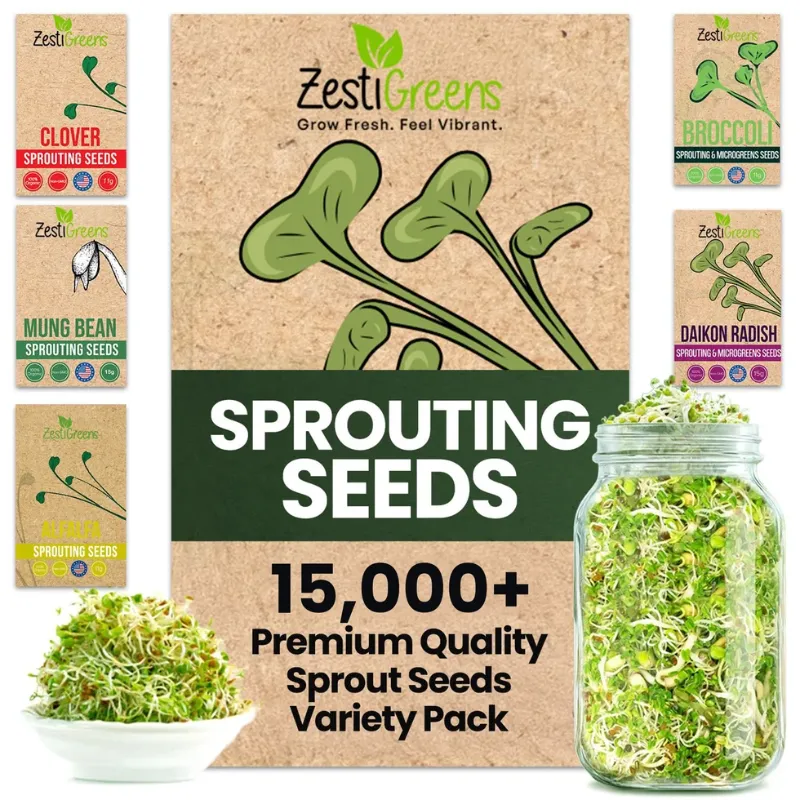
Our go-to for consistent results is organic sprouting seeds. They are harvested and packed with germination rates in mind. If you are unsure whether your current batch is still good, try a quick test: dampen a paper towel, place 10 seeds on it, fold it over, and keep it in a dark, warm spot for 48 hours. If fewer than 7 seeds show signs of life, it is time to buy fresh.
2. Not Enough Airflow or Rinsing
Sprouting seeds in a jar is the most popular method, but it fails fast if you skip rinsing or leave the seeds sitting in standing water. Seeds need oxygen to germinate, and a stagnant, wet environment encourages mold and rot instead of growth.
Here is our rinsing routine:
- Rinse and drain twice a day (morning and evening).
- After draining, tip the jar at an angle so excess water can escape.
- Use a mesh lid or cheesecloth so air can circulate.
For a foolproof setup, we like the sprouting seeds from ZestiGreens, which come in quantities that match the jar size perfectly so you aren’t overcrowding the container.
3. Wrong Temperature for the Seed Type
Temperature is a bigger factor than most beginners realize. Most common sprouting seeds germinate best between 65 and 75°F (18 to 24°C). Above 80°F, many seeds go dormant or rot. Below 60°F, germination slows to a crawl or stops entirely.
If your kitchen is cold in winter, move your jar to a warmer spot like the top of the fridge or near a radiator (but not directly on it). If your house runs hot in summer, sprout in a cooler room or a basement.
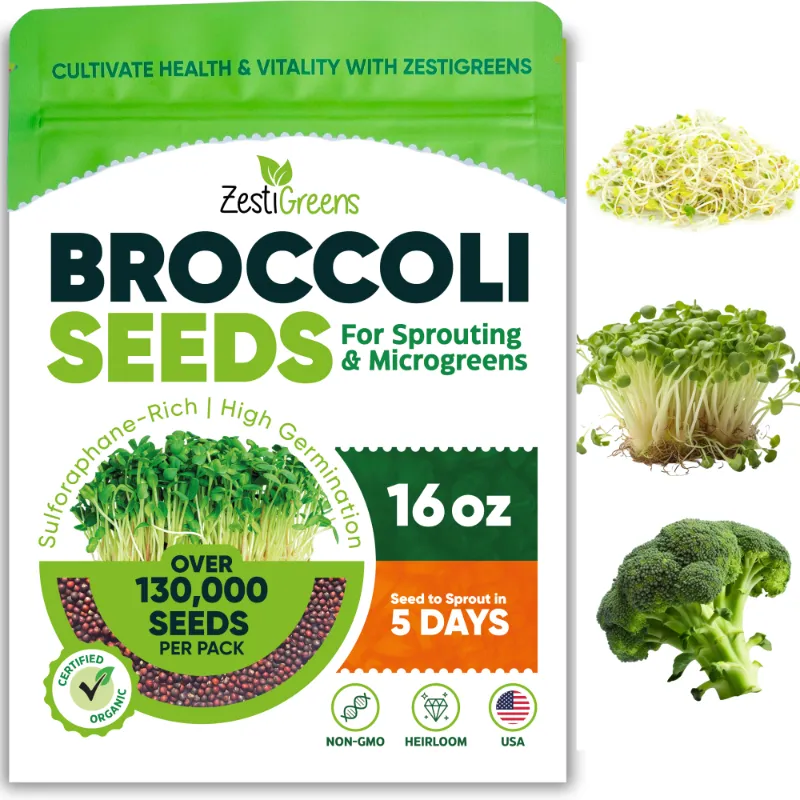
Different seeds have slightly different preferences. Alfalfa seeds and broccoli seeds organic are both forgiving in the standard range, but we have seen the best, most consistent results with organic broccoli seeds from ZestiGreens, which seem bred for reliable indoor sprouting.
4. Poor Water Quality
Tap water treated with chlorine or chloramine can inhibit germination. If you are using tap water and seeing low sprout rates, switch to filtered, distilled, or spring water for a few days and see if the problem resolves. Letting tap water sit out for an hour before using it also helps chlorine dissipate.
We also recommend soaking your seeds for 6 to 8 hours before the first rinse. This softens the seed coat and triggers the germination process. Our sprout seeds come pre-sorted and cleaned, so you can soak and sprout with confidence.
5. Dirty Equipment or Seeds
Bacteria, mold spores, and yeast can hitch a ride on your jar, mesh lid, or even the seeds themselves. If you notice a sour smell, slimy texture, or fuzzy patches, your equipment needs a deep clean.
Steps to sanitize your sprouting setup:
- Wash jars and lids in hot, soapy water between batches.
- Soak in a diluted vinegar solution (1 part vinegar to 3 parts water) for 10 minutes once a month.
- Rinse thoroughly before adding new seeds.
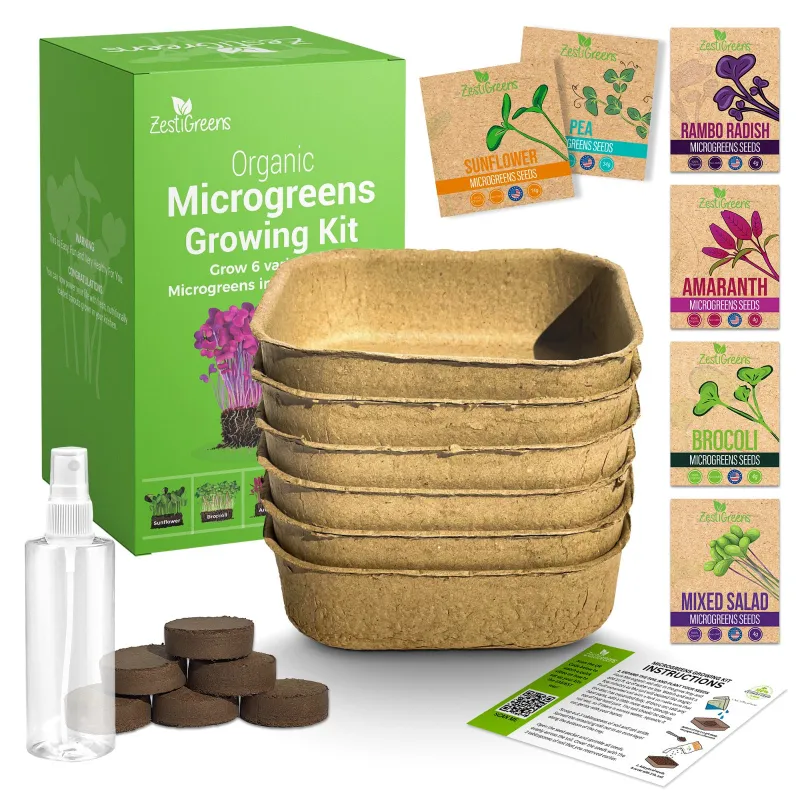
If you are starting from scratch and want the cleanest possible entry point, the microgreen grow kits from ZestiGreens include sanitized trays and lids designed for first-time sprouters. They remove the guesswork around equipment hygiene.
How to Choose the Right Seeds for Sprouting Indoors
Not all seeds are created equal for indoor sprouting. You want seeds labeled specifically for sprouting, not garden seeds, which are sometimes treated with fungicides or pesticides. Organic sprouting seeds are the safest bet because they are grown without chemicals and tested for sproutability.
Here is a quick comparison of the most popular seed types we stock:
| Seed Type | Days to Harvest | Flavor | Best For |
|---|---|---|---|
| Alfalfa | 5 to 6 days | Mild, crunchy | Beginners, salads, sandwiches |
| Broccoli | 4 to 6 days | Peppery, earthy | Nutrient density, microgreens |
| Sprout Mix | 5 to 7 days | Varied | All-purpose sprouting |
| Herbal Garden Kit | 7 to 10 days | Herbal, aromatic | Kitchen windowsill gardeners |
If you want the highest nutrient density, we recommend broccoli microgreen seeds. They are packed with sulforaphane and other antioxidants. Our broccoli microgreen seeds are tested for high germination rates and come in resealable bags.
Where to Buy Sprouting Seeds for Reliable Results
If you have been wondering where to buy seeds for sprouting that actually work, skip the bulk bins at the grocery store. Those seeds are often old or intended for cooking, not sprouting. Instead, look for a supplier that specializes in sprouting and tests for germination rates.
ZestiGreens is our top pick because they focus exclusively on sprouting and microgreen seeds. You can grab the code for 10% off your first order and stock up on alfalfa seeds, organic broccoli seed, and more. We have been using their seeds for months and have not seen a single bad batch.
If you prefer to shop locally, search for “sprouting seeds near me” and call ahead to ask if the seeds are certified for sprouting. Many natural food stores carry them, but freshness varies.
The Bottom Line
Most germination failures trace back to one of these five issues. Check your seed age, rinsing schedule, temperature, water quality, and equipment cleanliness. Fix the one that applies to you, and your sprouting seeds should be growing within 48 hours.
For more details on the full process, check out Sprouting 101: How to Sprout and Why You Should and Your Step-by-Step Guide to Growing Sprouts at Home. Both are excellent resources for troubleshooting.
Ready to try again? Check the latest price on ZestiGreens sprouting seeds and grab a fresh batch today.
Questions
How long does it take for sprouting seeds to germinate?
Most sprouting seeds show visible germination within 24 to 48 hours after soaking. Broccoli and alfalfa seeds typically sprout in 2 to 3 days and are ready to harvest in 5 to 7 days.
Can I use any jar for sprouting seeds in a jar?
Yes, any clean glass jar works. A wide-mouth quart jar is the most common size. You will need a mesh lid or cheesecloth secured with a ring to allow airflow and drainage.
What is the best place to buy organic sprouting seeds?
We recommend ZestiGreens for organic sprouting seeds. They test for germination rates and ship fresh product. You can also check local natural food stores for sprouting seeds near me.
Why do my sprouting seeds smell bad?
A sour or rotten smell usually means the seeds are not getting enough airflow or are sitting in stagnant water. Rinse and drain twice daily, and make sure your jar is tilted so excess water can escape.
Do sprouting seeds need light to germinate?
No, seeds do not need light to germinate. They sprout best in a dark or dim location. Once they have sprouted and you want to green them up, move them to indirect light for the last day.
What are the benefits of eating organic broccoli seeds?
Organic broccoli seeds are rich in sulforaphane, a compound linked to antioxidant and anti-inflammatory benefits. Sprouting increases nutrient availability, making them one of the most nutrient-dense sprouts you can grow.
Products in this guide
Shopping at ZestiGreens? See the discount code
10% OFF Sitewide
More in this series
Organic Broccoli Seeds for Sprouting: What You Get for the Extra Cost7 Sep 20263 minWhat You Need to Start a Microgreen Garden Kit at Home7 Sep 20264 minHow Long Do Microgreen Grow Kits Last? Shelf Life and Storage Tips7 Sep 20264 minBroccoli Microgreen Seeds vs. Organic Sprouting Seeds: What’s the Difference?7 Sep 20264 min How to Grow Alfalfa Sprouts in a Jar: A Beginner’s Guide7 Sep 20265 min