 A ZEBORA guide
How Much CoQ10 Should I Take Daily? What to Check Before You Start
Finding the right coq10 dosage depends on your age, health goals, and whether you need energy support, heart health, or fertility benefits.
How much CoQ10 you should take daily is a question for your product label and your doctor, and we do not give a number here. The right amount depends on your health, the medicines you take, why you want it, and the form of CoQ10 in the bottle. What we can do is explain what CoQ10 is, what changes the answer, how to read a label, and what to ask your doctor or pharmacist before you start.
What CoQ10 is
CoQ10 (coenzyme Q10) is a compound your body makes on its own and uses in the parts of your cells that produce energy. It is also sold as a supplement, usually as softgels or capsules.
WebMD’s guide What Is CoQ10 explains the two forms you will see on labels: ubiquinone (the oxidized form) and ubiquinol (the reduced form). Your body converts ubiquinone to ubiquinol. Some brands sell one, some sell the other, and the label should say which.
CoQ10 is studied for heart health, and this heart health research is one example. Being studied is not the same as being proven for you, which is one more reason the decision to take it belongs with your doctor.
Why we do not give a CoQ10 dosage
A daily CoQ10 dosage that suits one person can be wrong for another. A number on a shopping site cannot account for your age, your health history, a pregnancy, or a prescription you take every day. Dosing belongs to the product label and to a doctor or pharmacist who knows your situation.
We also do not repeat dosing figures from other websites, because they are often written for a specific study group or a specific condition and then copied without that context. If you have read a figure somewhere, take it to your doctor and ask whether it applies to you.
What changes the right amount for you
These are the things your doctor or pharmacist will want to know before suggesting how much CoQ10 to take, if any:
- Why you want to take it. General wellness, a heart condition and a fertility plan are different conversations.
- Your medicines. Bring a full list, including other supplements. The WebMD guide above covers the medicines CoQ10 may interact with, and your pharmacist can check your list against it.
- Your health history. Any ongoing condition, a recent surgery or a planned one.
- Pregnancy and breastfeeding. If you are pregnant, breastfeeding or trying to conceive, ask before you take any supplement.
- The form in the bottle. Ubiquinone and ubiquinol are not handled the same way by the body, so the same number on two labels may not mean the same thing.
How to read a CoQ10 label
The label is the first place to look for how much to take and when. Before you buy, check:
- Amount per serving and serving size. One serving can be more than one softgel, so read both lines.
- The form. Look for the word ubiquinone or ubiquinol.
- Other ingredients. Some products add PQQ or other compounds. Each extra ingredient is one more thing to mention to your doctor.
- Directions. CoQ10 is fat-soluble, so follow what the label says about taking it with food.
- Warnings. Read the label warnings in full, including who should not take the product.
- Quality signals. A lot number, an expiry date, storage directions and any third-party testing seal the brand shows.
Questions to ask your doctor or pharmacist
- Is CoQ10 a sensible choice for my reason for taking it?
- Does it interact with anything I take now?
- How much should I take, and when?
- Does it matter whether I choose ubiquinone or ubiquinol?
- What should make me stop and call you?
A pharmacist can answer most of these on the spot if you bring the bottle or a photo of the label.
Side effects and when to stop
Vinmec’s overview of Dosage research covers CoQ10 dosing questions and side effects in general terms. Read it alongside your label, not in place of advice from someone who knows your health. If you notice anything unusual after you start, stop taking it and contact your doctor or pharmacist.
CoQ10 products from ZEBORA
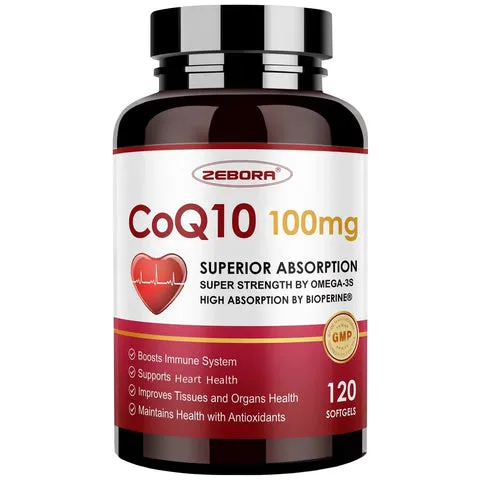
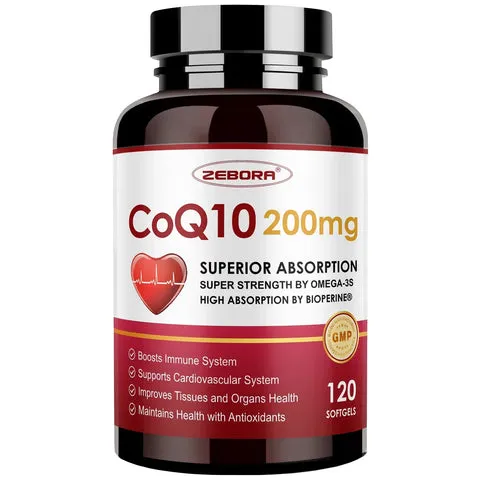
ZEBORA lists two CoQ10 products with PQQ, in two strengths: the ZEBORA CoQ10 softgels with PQQ and a higher-strength ZEBORA CoQ10 with PQQ. Compare the labels side by side, and ask your doctor which strength, if either, fits you. Do not pick the stronger one on the idea that more is better.
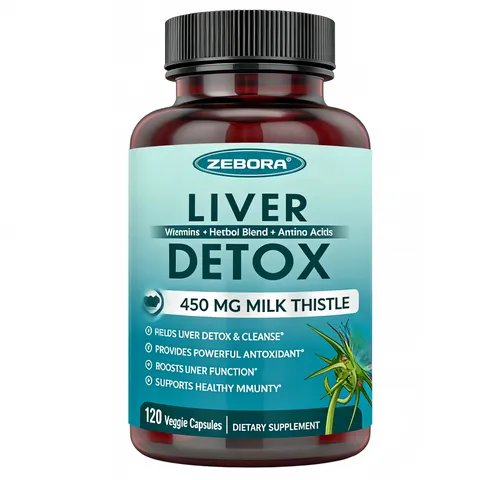
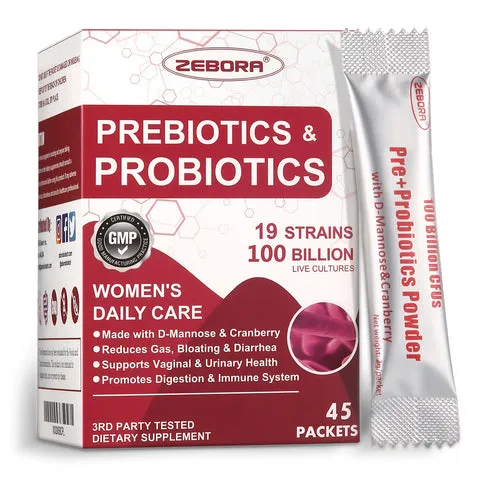
The brand also sells ZEBORA milk thistle capsules and a ZEBORA probiotic for women. Neither is a CoQ10 product, and neither changes how much CoQ10 you should take. If you do order, you can see the current ZEBORA discount code first.
Questions
How much CoQ10 should I take daily?
Follow the directions on your product label and ask your doctor or pharmacist. The right daily amount depends on your health, your medicines, why you want it and the form of CoQ10, so we do not give a single number.
Can I take all of my CoQ10 at once or should I split it?
The label directions are the place to start, and your pharmacist can tell you whether splitting makes sense for the product you have. CoQ10 is fat-soluble, so follow what the label says about taking it with food.
Should I take ubiquinol or ubiquinone?
They are two forms of the same compound, and the body handles them differently. Which one suits you is a good question for your doctor or pharmacist, and the label should always say which form is inside.
Is it safe to take more CoQ10 than the label says?
Do not go above the label directions unless your doctor tells you to. If you notice anything unusual after starting, stop and contact your doctor or pharmacist.
Do I need CoQ10 if I am taking statins?
That is a question for the doctor who prescribed your statin. Tell them you are thinking about CoQ10 and bring the label, so they can check it against your prescription and your health.
Products in this guide
 Shopping at ZEBORA? See the discount code
10% OFF All Orders
Shopping at ZEBORA? See the discount code
10% OFF All Orders