 A ZEBORA guide
CoQ10 vs Ubiquinol: What Is the Difference and How Do You Choose?
The coq10 versus ubiquinol debate comes down to absorption: ubiquinol is the active form your body uses directly, while CoQ10 (ubiquinone) must be converted first.
CoQ10 vs ubiquinol is not a choice between two different nutrients: ubiquinol is one form of CoQ10. Most supplements sold simply as “CoQ10” contain ubiquinone, the oxidized form, and your body converts ubiquinone to ubiquinol, the reduced form. Which form you should take depends on your health, your age and your medicines, so it is a decision to make with your doctor or pharmacist. Here is what each form is, how to tell them apart on a label, and what to ask before you buy.
CoQ10 vs ubiquinol: the core difference
Coenzyme Q10 exists in two forms that the body switches between:
- Ubiquinone is the oxidized form. It is what most standard CoQ10 supplements contain.
- Ubiquinol is the reduced form. Your body converts ubiquinone into it.
Ubidecarenone is another name for ubiquinone, so if you see it on a label, it means the standard form.
NatureMed has a fact sheet on CoQ10, ubiquinone and ubiquinol, and this comparison of forms on PubMed Central goes into the science if you want more detail.
Which form is absorbed better?
How well each form is absorbed has been studied, including in older adults, as in this research comparing ubiquinol and ubiquinone. A study result in one group of people does not tell you which form is right for you, and absorption is not the same as a health benefit.
We do not state that either form will improve energy, heart health, fertility or anything else. If you are considering CoQ10 for a health reason, that reason is the first thing to discuss with your doctor.
What to ask your doctor or pharmacist
Bring the labels of the products you are comparing and a list of everything you take, then ask:
- Is CoQ10 a sensible choice for my reason for taking it?
- Given my age, health and medicines, does it matter whether I take ubiquinone or ubiquinol?
- Does it interact with anything I take, including statins, blood thinners or blood pressure medicine?
- How much should I take, and when?
- Is it suitable if I am pregnant, breastfeeding or trying to conceive?
Dosing belongs to the label and your doctor, so we do not give amounts for either form. If you notice anything unusual after you start, stop and contact your doctor or pharmacist.
How to tell the forms apart on a label
Product names are not always a reliable guide, since “CoQ10” is used as a general name for both forms. Before you compare any two products, check these points on each label:
- Look for the word. A ubiquinol product almost always says ubiquinol clearly, because it is a selling point. If a label just says CoQ10 or coenzyme Q10, it is usually ubiquinone. If you are not sure, ask the brand.
- Check the amount per serving and the serving size. Compare like with like, and read both lines.
- Check the delivery format. Most CoQ10 comes as oil-filled softgels or capsules. CoQ10 is fat-soluble, so follow what the label says about taking it with food.
- Check added ingredients. Some products add PQQ or other compounds. Each one is worth mentioning to your pharmacist.
- Check quality signals. A lot number, an expiry date and any third-party testing information.
Cost and storage
Ubiquinol products usually cost more than ubiquinone products of a similar size. Ubiquinol is the reduced form, and it can oxidize back to ubiquinone when exposed to air, which is one reason packaging matters for it. Whichever form you buy, store it as the label says, keep the lid closed, and do not use it past its expiry date. If a softgel looks damaged or the bottle seal is broken when it arrives, contact the seller before you take it.
To compare prices fairly, work out the cost per serving from the price and the number of servings on the label, then check that you are comparing the same form.
Ubiquinone vs ubiquinol for older adults
Older adults are the group most often discussed in the ubiquinone vs ubiquinol question, and research such as the study linked above looks at them specifically. Even so, age is only one factor. Older adults are also more likely to take several medicines, which makes a pharmacist’s check more important, not less. We suggest bringing both labels to that conversation and letting your doctor decide.
ZEBORA CoQ10 products
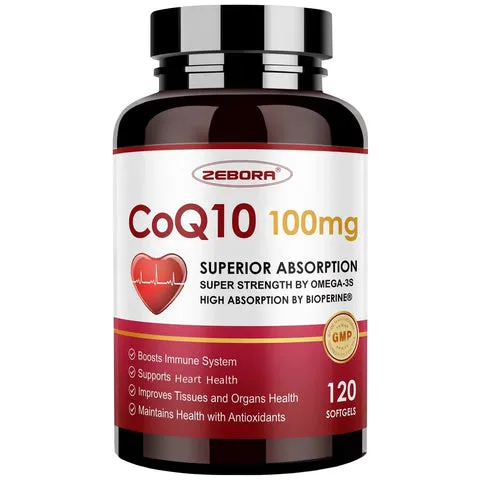
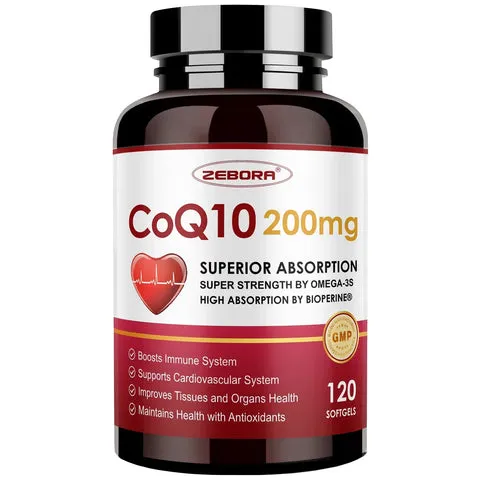
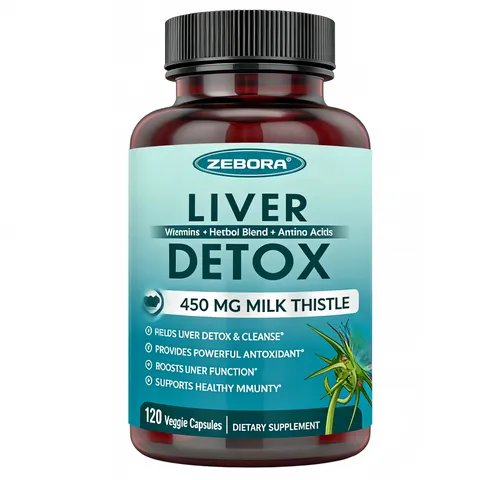
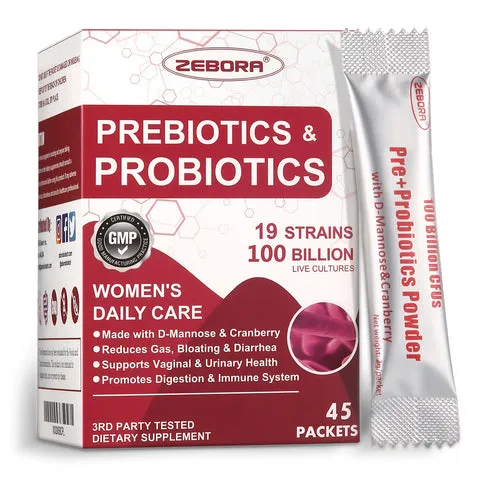
ZEBORA sells CoQ10 softgels with PQQ and a higher-strength CoQ10 softgel with PQQ. Check the label on each product page to see which form of CoQ10 it contains before you compare it with a ubiquinol product. The brand also lists milk thistle capsules and a probiotic for women, which are not CoQ10 products. Before you order, see the current ZEBORA discount code.
Questions
What is the difference in CoQ10 vs ubiquinol?
Ubiquinol is one form of CoQ10. Most products sold as CoQ10 contain ubiquinone, the oxidized form, and your body converts ubiquinone to ubiquinol, the reduced form.
Is ubiquinol really better than regular CoQ10?
It depends on the person. Absorption of the two forms has been studied, but that does not tell you which form suits you. Ask your doctor or pharmacist, who can weigh your age, health and medicines.
How much ubiquinol should I take compared to CoQ10?
We do not give amounts. Follow the product label and ask your doctor or pharmacist, since the right amount depends on your health and your medicines.
Can I switch from CoQ10 to ubiquinol?
Ask your pharmacist before you switch, and bring both labels. They can check the new product against your other medicines.
Why does ubiquinol cost more than standard CoQ10?
Ubiquinol products usually cost more, and ubiquinol can oxidize back to ubiquinone when exposed to air, so it needs more careful packaging. Compare the cost per serving of the same form.
Products in this guide
 Shopping at ZEBORA? See the discount code
10% OFF All Orders
Shopping at ZEBORA? See the discount code
10% OFF All Orders