 A RS Chrono guide
Do Movable Watch Mechanisms Need Regular Servicing?
A movable watch with mechanical or rotating components typically needs professional servicing every 3 to 5 years to maintain accuracy and longevity.
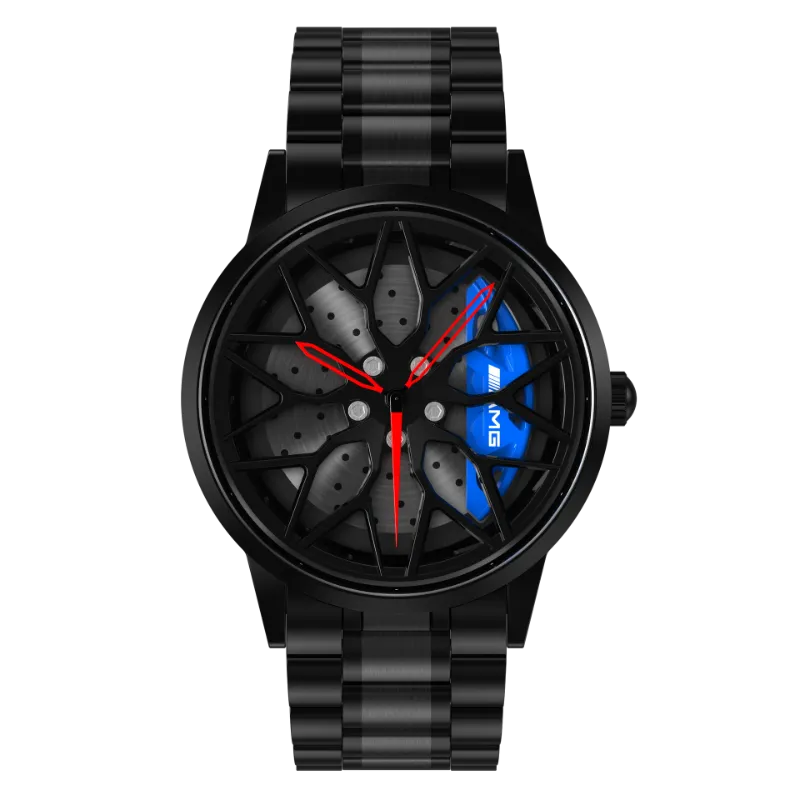
A movable watch with mechanical or rotating components typically needs professional servicing every 3 to 5 years to maintain accuracy and longevity. Watches with roller displays, rotating bezels, or complex movements rely on lubricated gears and precision parts that wear over time. Whether you own a movable watch with kinetic elements or a steel strap watch with traditional mechanics, regular maintenance protects your investment and keeps the mechanism running smoothly.
This guide breaks down when servicing matters, what signs to watch for, and how to decide between professional care and simple at-home maintenance.
Why Movable Watch Mechanisms Require Maintenance
Mechanical watch movements contain dozens or even hundreds of tiny components that interact thousands of times per hour. Lubricants dry out, seals degrade, and microscopic metal particles accumulate in the oil. Watches with rotating bezels, flip displays, or roller mechanisms add extra friction points that accelerate wear.
Key reasons servicing matters:
- Lubricant breakdown: oils thicken or evaporate, increasing friction and power consumption
- Seal deterioration: gaskets lose elasticity, compromising water resistance
- Magnetization: everyday electronics can magnetize components, affecting timekeeping
- Dust and moisture intrusion: even sealed cases gradually admit contaminants
- Spring fatigue: mainsprings and balance springs weaken with continuous cycling
Hybrid timepieces like a pedometer watch that combines analog movement with digital sensors face both mechanical and electronic wear. The physical gears still need lubrication while the battery and circuit board have separate service lives.
Service Intervals by Watch Type
Different mechanisms demand different care schedules. We mapped typical intervals based on movement complexity and usage patterns.
| Watch Type | Service Interval | Key Concerns |
|---|---|---|
| Quartz analog | 5-7 years | Battery replacement, seal refresh |
| Mechanical automatic | 3-5 years | Lubrication, accuracy regulation |
| Manual wind | 4-6 years | Mainspring health, crown seal |
| Rotating bezel smartwatch | 2-4 years | Electronic + mechanical overlap |
Watches with rotating bezel smartwatch features or roller displays may fall outside these ranges. These watches know how to roll, but their novelty mechanisms often lack long-term service data. We recommend checking manufacturer guidelines and watching for performance changes rather than relying solely on calendar intervals.
Daily wear accelerates service needs. A watch worn continuously picks up more dust, experiences more temperature swings, and cycles its mechanism far more than a piece rotated through a collection. If you wear your movable watch every day, lean toward the shorter end of the service window.
Warning Signs Your Watch Needs Immediate Attention
Between routine service intervals, certain symptoms demand immediate professional evaluation.
- Timekeeping drift: losing or gaining more than 10 seconds per day (for mechanical) or any drift in quartz
- Resistance or grinding: crown, bezel, or roller feels stiff, scratchy, or catches
- Condensation under crystal: moisture inside the case signals seal failure
- Stopping or stuttering: intermittent running suggests power delivery issues
- Loud ticking or rattling: abnormal sounds indicate loose or damaged parts
- Difficulty winding: manual watches should wind smoothly with consistent resistance
Don’t ignore these symptoms. A minor issue like dried lubricant can cascade into bent pivots, cracked jewels, or stripped gears if the watch continues running under stress. Check the latest price on replacement parts versus preventive service, the economics heavily favor early intervention.
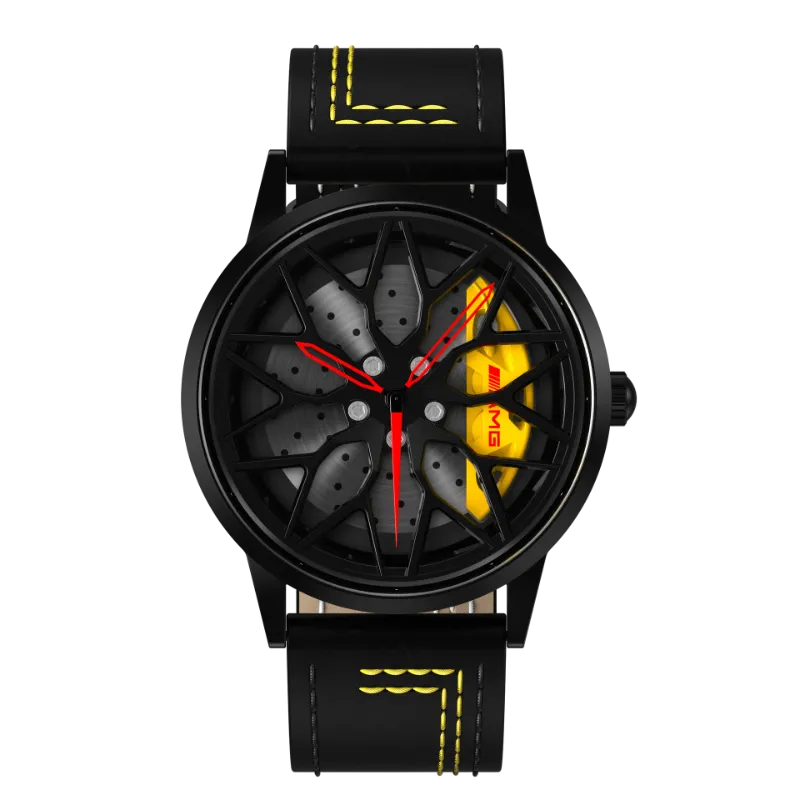
For fitness-oriented models like fitbit models, sensor accuracy degradation is an additional warning sign. If step counts, heart rate, or GPS tracking become erratic, both the electronic and mechanical components may need evaluation.
What Professional Servicing Actually Involves
A complete mechanical service disassembles the entire movement for cleaning, inspection, and re-lubrication. The watchmaker removes the case back, extracts the movement, and separates every wheel, spring, and jewel. Each component goes into an ultrasonic cleaning bath to remove old oil and debris, then receives inspection under magnification for wear or damage.
The reassembly process applies fresh synthetic lubricants formulated for specific friction points, different oils for high-speed train wheels versus slow-moving mainspring barrels. The watchmaker then regulates timing across multiple positions, tests water resistance, and verifies all complications function correctly.
For watches with rotating elements or roller displays, service includes cleaning and lubricating the bezel click spring, roller bearings, and any exposed mechanical linkages. These user-interactive parts wear faster than sealed movement components.
Expect professional service to take 2 to 6 weeks and cost between 10% and 20% of the watch’s retail value for routine maintenance. Complex or vintage pieces command higher fees. Always request a written estimate and ask whether replacement parts are necessary beyond normal consumables like gaskets and mainsprings.
Extending Time Between Services
Smart daily habits postpone wear and reduce service frequency without compromising reliability.
Daily care routines:
- Remove your watch during high-impact activities or when using power tools
- Store mechanical watches on a flat surface overnight rather than standing on the crown
- Keep watches away from speakers, magnetic phone cases, and induction cooktops
- Wipe sweat and moisture off the case and strap after wear
- Avoid exposing the watch to extreme temperature swings
Periodic at-home maintenance:
- Clean the case and crystal monthly with a soft cloth and lukewarm water
- Inspect gaskets and seals for cracks or hardening every 6 months
- Check bracelet screws and pins for looseness quarterly
- For automatics, wind manually once per month to distribute fresh lubricant
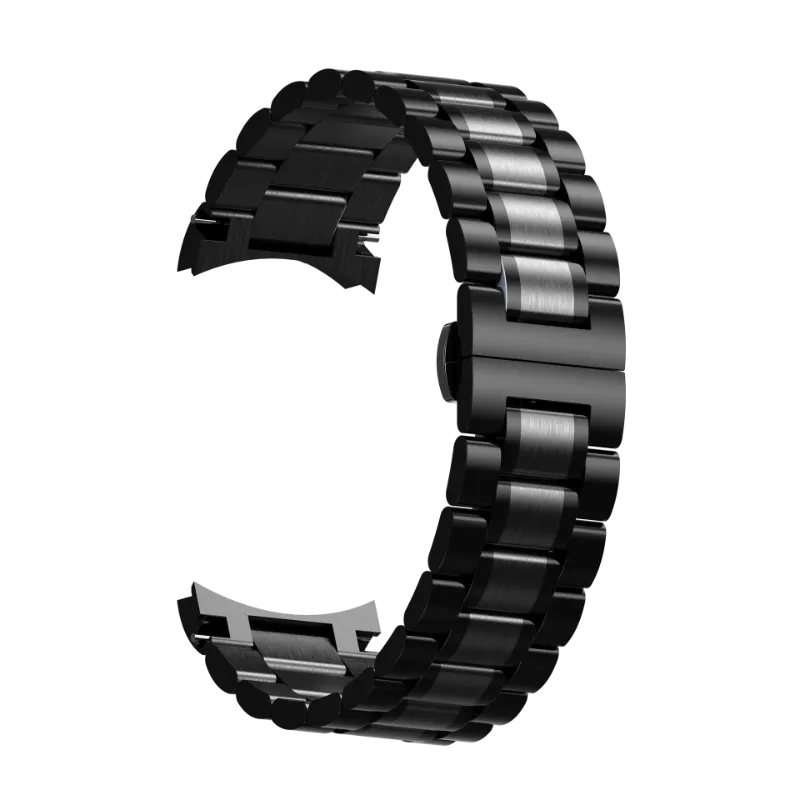
A steel strap watch with a bracelet requires additional attention, dirt and skin oils accumulate between links and accelerate corrosion. Remove the bracelet annually and clean it separately with mild soap and a soft brush.
If your watch sits unused for extended periods, store it in a cool, dry environment away from magnetic sources. Mechanical watches benefit from occasional winding to prevent lubricants from settling and drying in one position. Consider a watch winder for automatics you rotate out of daily wear.
Grab the code before investing in storage accessories or cleaning supplies, RS Chrono currently offers 10% off sitewide, including watch care products that complement your servicing routine.
When to Skip Servicing and Replace Instead
Not every movable watch justifies professional service costs.
Budget quartz watches under $200 rarely make financial sense to service. The movement itself costs less than the labor to disassemble and clean it. Fashion watches with proprietary parts face similar economics, replacement parts may be unavailable or cost more than an entire new watch.
Conversely, quality mechanical pieces appreciate the investment. A well-maintained automatic movement can run for decades, while a neglected one may fail catastrophically and require complete replacement. The cumulative cost of regular servicing over 20 years still falls well below buying multiple replacement watches.
For hybrid devices blending traditional horology with electronics, component obsolescence becomes a factor. A rotating bezel smartwatch may lose manufacturer support for its digital components long before the mechanical movement needs replacement. Evaluate whether firmware updates, app compatibility, and parts availability will support your intended ownership timeline before committing to service.
Who Should Service Your Watch
Movement servicing demands specialized training and equipment. Local jewelers often send watches to regional service centers rather than performing work in-house. We recommend these service routes in priority order:
- Manufacturer authorized service: maintains warranty, uses genuine parts, updates service records
- Independent certified watchmaker: often faster and cheaper than brand service with equal quality
- Regional service center: handles multiple brands, good for mid-tier pieces
- Local jeweler: convenient for battery swaps and simple repairs only
Always verify credentials before handing over your timepiece. Ask whether the watchmaker has manufacturer training for your specific brand and movement type. Request references or reviews from customers with similar watches.
Avoid mall kiosk battery replacement services for anything beyond disposable fashion watches. These operations rarely have proper tools, clean environments, or training to handle water-resistant cases or complex movements. A botched battery swap can introduce dust, damage gaskets, or strip case-back threads.
For high-value or complicated pieces, check current pricing on service directly through RS Chrono’s authorized partners. They maintain relationships with certified watchmakers and can often negotiate better rates than going retail.
Questions
How often should I service a movable watch with mechanical movement?
Service a mechanical movable watch every 3 to 5 years depending on daily wear and environmental exposure. Watches worn continuously or exposed to moisture, dust, or magnetic fields need more frequent attention than pieces rotated through a collection.
Can I service my own watch at home to save money?
Home servicing is limited to external cleaning, strap replacement, and battery swaps on simple quartz models. Movement disassembly requires specialized tools, lubricants, and training. Attempting DIY service on mechanical or complex movements risks permanent damage that costs far more to repair.
What happens if I never service my automatic watch?
Neglected automatic watches gradually lose accuracy as lubricants dry and friction increases. Eventually, increased wear damages pivots, jewels, and gear teeth, turning a simple service into expensive component replacement or total movement failure.
Do quartz watches need servicing if the battery still works?
Yes, quartz watches benefit from service every 5 to 7 years even with working batteries. Seals deteriorate, old lubricants dry on remaining mechanical parts like hands and date wheels, and battery compartment corrosion can develop. A full service prevents these issues.
How much does professional watch servicing typically cost?
Routine mechanical watch servicing costs 10% to 20% of the watch's retail value, typically between $150 and $600 for most pieces. Simple quartz battery replacement runs $20 to $50, while complex complications or vintage restoration can exceed $1,000.
Should I service a rotating bezel smartwatch like a traditional watch?
Rotating bezel smartwatches need hybrid care addressing both electronic and mechanical components. The rotating mechanism requires lubrication like traditional watches, but electronic components have separate lifespans. Check manufacturer guidelines for recommended intervals, typically every 2 to 4 years.
Products in this guide
Shopping at RS Chrono? See the discount code
10% OFF Sitewide
More in this series
 What to Know Before Buying a Steel Strap Watch for Daily Wear31 Jul 20266 minTroubleshooting Common Issues With Pedometer Watch Syncing31 Jul 20265 minWhich Fitbit Models Count Steps Most Accurately?31 Jul 20265 minSteel Strap Watch vs Leather: Which Material Lasts Longer?31 Jul 20265 minHow to Choose Between a Pedometer Watch and a Fitbit Fitness Tracker31 Jul 20266 min