 A RS Chrono guide
What to Know Before Buying a Steel Strap Watch for Daily Wear
A steel strap watch combines durability and style for daily wear, but choosing the right bracelet size, clasp type, and finish makes all the difference.
A steel strap watch offers the perfect balance of durability and timeless style for everyday use. Before you invest in one, you need to understand bracelet sizing, clasp mechanisms, and maintenance requirements to ensure your watch stays comfortable through long workdays, workouts, and weekend wear.
Why Choose Stainless Steel Over Other Materials
Stainless steel watch straps outlast leather and fabric alternatives by years. The material resists sweat, water, and UV damage without cracking or fading. A properly finished steel bracelet maintains its appearance through daily abuse that would destroy softer materials within months.
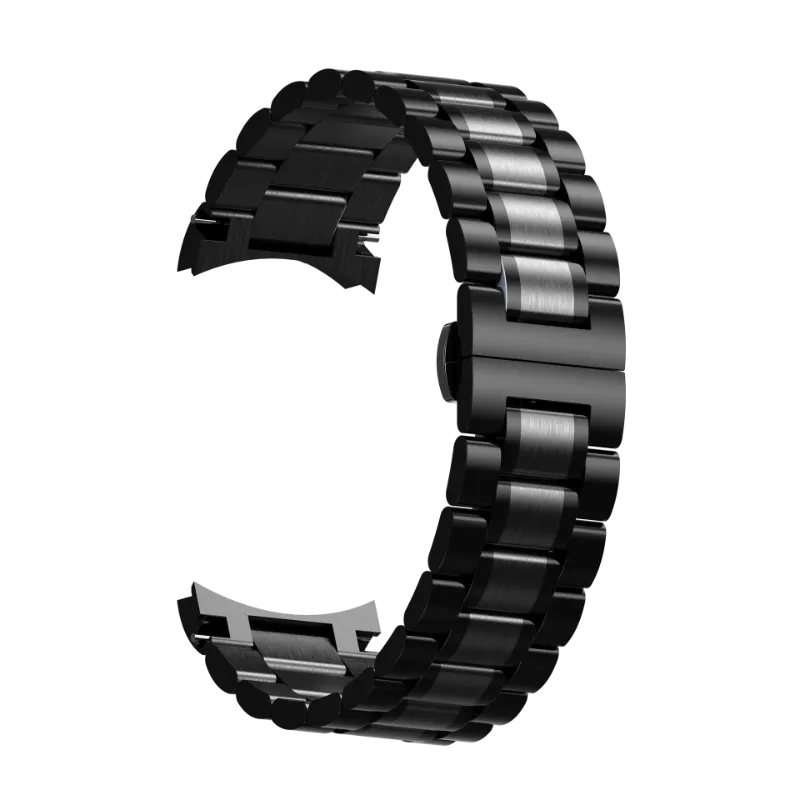
Steel bracelets suit professional environments where leather feels too casual and nylon looks out of place. The weight and cool touch of metal also provide a premium feel that lighter materials cannot match. When you check the latest price on a quality steel strap watch, you pay more upfront but avoid the replacement costs of cheaper straps.
The main tradeoff is weight. Steel bracelets add 40 to 80 grams compared to fabric or silicone alternatives. If you prefer ultralight wrist wear or need a pedometer watch for running, steel may feel too heavy during high-impact activities.
Metal Watch Strap Types and Clasp Mechanisms
Not all stainless steel watch straps use the same construction. The three most common styles each affect comfort and durability differently:
- Oyster bracelets feature three flat links per row and deliver maximum durability with a sporty look
- Jubilee bracelets use five smaller links per row for a dressier appearance and more flexibility
- Mesh (Milanese) bracelets weave thin steel wires into a smooth, infinitely adjustable band
Clasp design matters as much as bracelet style. Fold-over clasps with push-button releases stay more secure during physical activity than basic hook clasps. Micro-adjustment holes or sliding extensions let you fine-tune fit as your wrist swells during the day or after exercise.
We recommend oyster-style bracelets for daily wear because they balance flexibility with structural strength. The larger links resist stretching better than jubilee designs, which can develop play between pins after years of wear.
How to Adjust Metal Watch Strap Sizing
Most steel bracelets arrive oversized and require link removal to fit your wrist properly. You need a 1 to 2 mm gap between the closed bracelet and your wrist bone for all-day comfort. Too tight and the watch restricts circulation during wrist flexion; too loose and it slides around or catches on sleeves.
Removing links requires either a spring bar tool for screw-type pins or a small hammer and pin punch for friction pins. We always remove links symmetrically from both sides of the clasp to keep it centered on your wrist. Most bracelets let you remove one, two, or three links per side.
Standard bracelet widths:
- 18mm fits smaller dress watches and vintage pieces
- 20mm suits most field and dive watches between 38 and 42mm
- 22mm matches larger sport watches from 42 to 46mm
The stainless steel watch strap 20mm size works with the widest range of case styles, making it the most versatile choice if you plan to swap watches. A stainless steel watch straps 22mm option provides a bolder look that complements modern oversized cases.
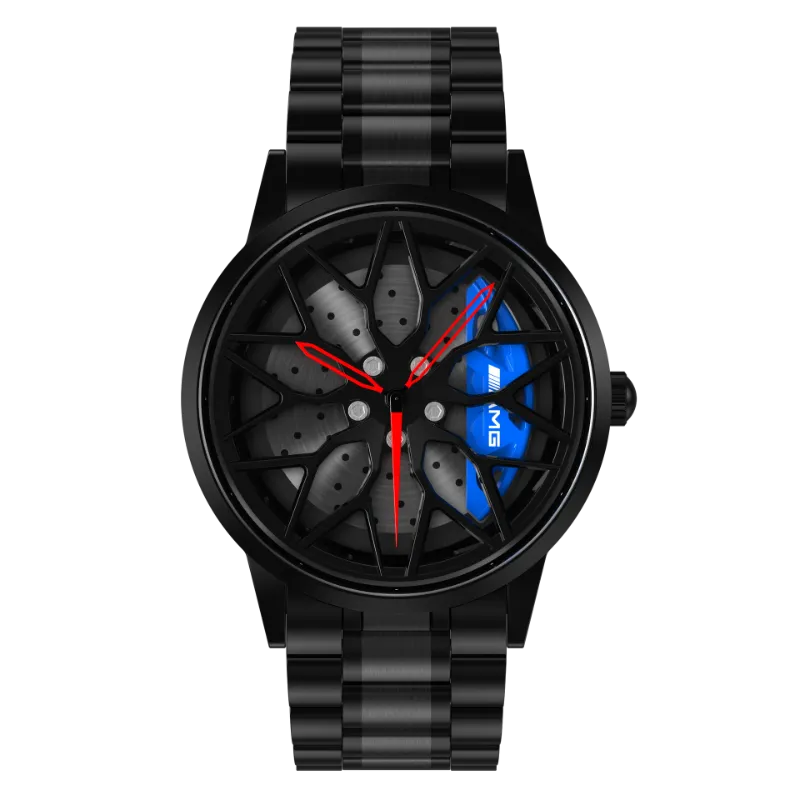
When you buy a movable watch with interchangeable straps, verify the lug width before ordering replacement metal watch straps. Using the wrong width creates gaps or forces the spring bars, which can lead to the watch falling off your wrist.
Steel Strap Watch Durability and Maintenance
Stainless steel grades 304 and 316L dominate the watch industry. Grade 316L contains molybdenum for superior corrosion resistance, making it the better choice if you swim or sweat heavily in your watch. Lower-grade steel develops pitting and rust spots around the pins after exposure to saltwater or chlorine.
Brushed finishes hide scratches better than polished surfaces, which show every scuff within weeks of daily wear. Many manufacturers combine both finishes to balance aesthetics with practicality. The brushed outer links conceal desk-diving marks while polished center links or edges catch light.
Clean your steel bracelet monthly by removing it from the case and scrubbing between the links with a soft toothbrush and mild soap. Dirt and skin oils accumulate in the tight spaces between links, eventually causing odor and discoloration. Rinse thoroughly and dry with a microfiber cloth to prevent water spots.
Inspect the pins and screw tubes every six months for wear. Loose links indicate that the pins have compressed or the holes have elongated. Replace worn pins immediately because a single failed connection can drop your watch onto concrete.
Who Should Choose a Steel Strap Watch
Steel bracelets work best for office professionals, frequent travelers, and anyone who needs a single watch that transitions from business meetings to casual weekends. The material handles temperature extremes better than leather, which cracks in dry climates and rots in humid ones.
Avoid steel if you have metal allergies or work with heavy machinery where catching a bracelet could cause injury. Some manufacturers use nickel in their alloys, which triggers reactions in sensitive skin. Look for hypoallergenic 316L steel or titanium alternatives if this concerns you.
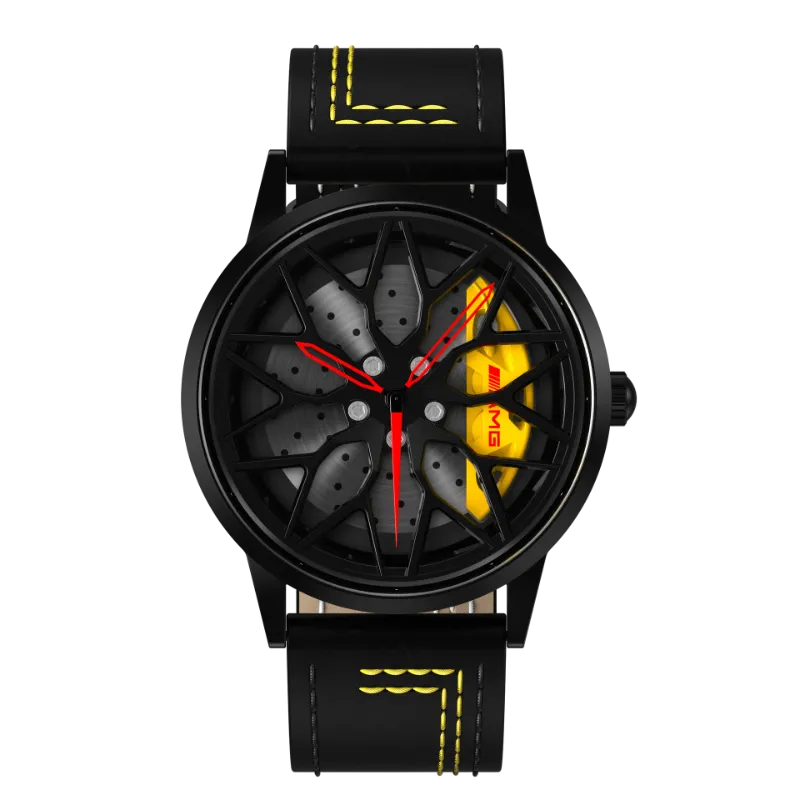
Active users who track fitness metrics should consider hybrid options. While a traditional steel bracelet watch delivers classic style, a pedometer watch with removable straps lets you swap between steel for the office and silicone for the gym. Some newer fitbit models even offer steel bracelet accessories that transform fitness trackers into dress watches.
According to watch strap experts, steel bracelets remain the most popular choice for automatic and mechanical watches because the material weight balances the heavier movements. The additional mass keeps the watch stable on your wrist during arm movements.
Finding the Best Aftermarket Stainless Steel Watch Bracelet
Original equipment manufacturer bracelets cost two to five times more than quality aftermarket options. If you want a replacement metal watch strap for a watch that came with leather, or need to upgrade a worn bracelet, third-party suppliers offer excellent alternatives.
When shopping for the best aftermarket stainless steel watch bracelet, verify these specifications match your watch:
- Lug width in millimeters
- End link style (straight, curved, or fitted)
- Clasp type and width
- Overall taper ratio from lugs to clasp
Straight end links fit any watch with matching lug width but leave visible gaps between the lugs and first link. Fitted end links follow the case contour for a seamless appearance but only work with specific watch models. Universal fitted ends split the difference by offering gentle curves that suit most sport watch shapes.
Professional dealers like Metal Watch Bands specialists stock hundreds of configurations and can help match bracelet styles to your case design. Their sizing guides explain taper ratios and link counts for different wrist sizes.
For steel strap watch men’s styles specifically, look for bracelets between 20 and 22mm that taper to 16 or 18mm at the clasp. This creates a balanced proportion that suits larger wrists without overwhelming the case. Nixon’s watch band guide covers how different strap widths change the visual weight of your watch.
Before buying any aftermarket bracelet, grab the discount code from RS Chrono for 10% off sitewide. The savings typically cover the cost of professional sizing at a local jeweler if you are not comfortable removing links yourself.
Final Considerations Before You Buy
Test the bracelet on your wrist before committing if possible. Steel bracelets feel dramatically different from leather or fabric straps. Some people find the weight reassuring while others consider it cumbersome. The cold metal touch bothers certain users during winter months.
Check whether the manufacturer offers half-links or micro-adjustment systems. These features let you achieve perfect sizing when standard link removal leaves the bracelet slightly too tight or loose. Watches without these options force you to choose between minor discomfort and sending the bracelet to a specialist for custom link fabrication.
Budget 50 to 200 dollars for a quality steel bracelet if you buy aftermarket, or expect to pay 30 to 40 percent of the watch’s retail price for an OEM replacement. The investment pays off in longevity since a well-maintained steel strap outlasts the watch movement itself.
When you are ready to buy, visit the RS Chrono discount page to see current offers on steel bracelet watches and accessories. The 10% sitewide promotion applies to both complete watches and replacement straps, helping you build a versatile daily-wear setup without exceeding your budget.
Questions
How do I know what size steel watch strap I need?
Measure the distance between your watch lugs in millimeters using a caliper or ruler. Common sizes are 18mm, 20mm, and 22mm. The strap must match this lug width exactly to fit properly and prevent the watch from falling off your wrist.
Can I shower or swim with a steel strap watch?
Yes, if your watch has adequate water resistance (50m minimum for showering, 100m for swimming). Stainless steel itself handles water well, especially 316L grade. Rinse the bracelet with fresh water after saltwater or chlorine exposure and dry it thoroughly to prevent mineral buildup between links.
How do I adjust a metal watch strap without tools?
You cannot safely remove links without tools. You need either a spring bar tool for screw pins or a pin punch for friction pins. Many jewelers and watch shops offer free bracelet sizing when you purchase from them, or will adjust for a small fee if you bring your own watch.
Why does my steel watch bracelet pull arm hair?
Hair pulling happens when link edges are sharp or when the bracelet fits too loosely and rotates around your wrist. Try tightening the fit by one link and check for burrs on the link edges that may need smoothing with fine sandpaper.
Are aftermarket steel watch straps as good as original ones?
Quality aftermarket bracelets from reputable manufacturers match or exceed original straps in durability and finish. They use the same 316L stainless steel and similar construction methods. The main differences are in fitted end links, which aftermarket versions may not replicate exactly for every watch model.
How often should I clean my stainless steel watch bracelet?
Clean your steel bracelet monthly if you wear it daily. Use a soft brush with mild soap and water to remove dirt, sweat, and oils that accumulate between links. More frequent cleaning is necessary if you exercise in the watch or work in dusty environments.
Products in this guide
Shopping at RS Chrono? See the discount code
10% OFF Sitewide
More in this series
Troubleshooting Common Issues With Pedometer Watch Syncing31 Jul 20265 minWhich Fitbit Models Count Steps Most Accurately?31 Jul 20265 minDo Movable Watch Mechanisms Need Regular Servicing?31 Jul 20266 minSteel Strap Watch vs Leather: Which Material Lasts Longer?31 Jul 20265 minHow to Choose Between a Pedometer Watch and a Fitbit Fitness Tracker31 Jul 20266 min