 A Anime Town Creations guide
Do Metal Pokemon Cards Scratch or Fade Over Time?
A pokemon card creator lets you design metal cards that are far more durable than paper, but they can still scratch or tarnish without proper care.
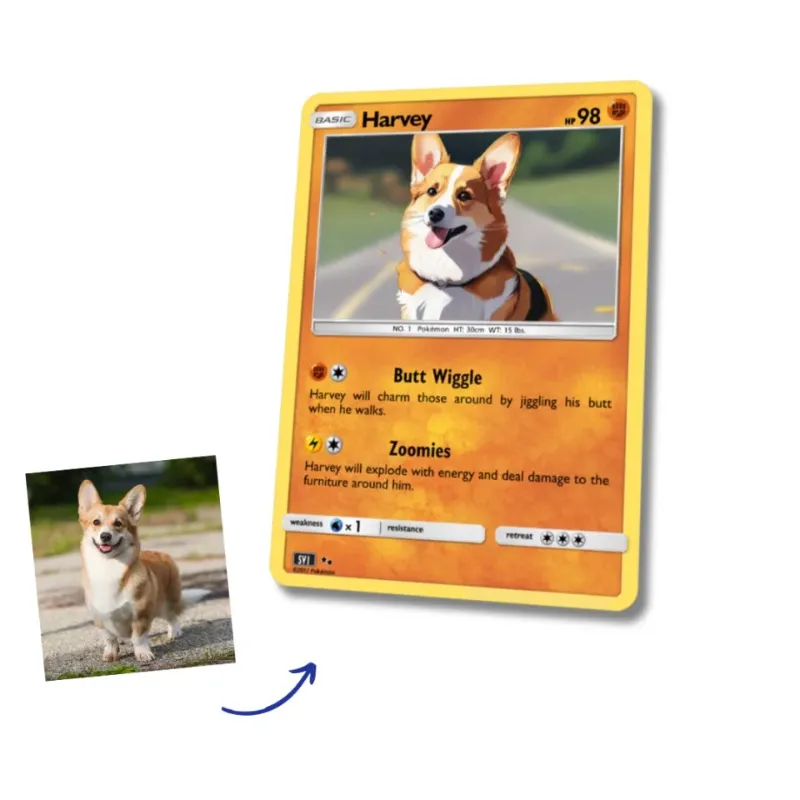
A pokemon card creator lets you design metal cards that resist fading far better than paper versions, but the metal surface can scratch if mishandled or stored improperly. Metal cards typically use anodized aluminum, stainless steel, or brass with a protective coating that guards against corrosion and UV damage. While the printed design won’t fade like paper ink, the metal itself can develop surface scratches, fingerprint smudges, or tarnish over months or years depending on how you store and handle them.
Here’s what actually affects longevity and how to keep your collection looking mint.
What Metal Are Custom Pokemon Cards Made From?
Most metal cards from a pokemon card creator online use one of three materials. Anodized aluminum is the lightest and most affordable option, with a dyed surface layer that resists minor scratches. Stainless steel offers the best scratch resistance but adds weight. Brass provides a premium gold-like finish but can tarnish if the protective coating wears off.
The printing method matters as much as the base metal. UV-cured ink bonds directly to the metal surface and withstands sunlight without fading, unlike thermal transfer or sticker-based designs. A clear polymer topcoat seals the artwork and adds a final layer of scratch protection. When you design through a pokemon card creator, the manufacturer typically applies this coating automatically, but quality varies between suppliers.
Check whether your card creator offers edge polishing. Sharp or rough edges accelerate wear on both the card and any protective sleeve you use.
How Scratches Happen and How to Prevent Them
Metal cards scratch when they rub against other hard surfaces, especially other metal cards, keys, or abrasive fabrics. Sliding a card in and out of a tight pocket sleeve creates micro-scratches over time, and stacking unprotected cards face-to-face transfers scratches between them.
We recommend these storage habits to minimize damage:
- Store each card in a penny sleeve or toploader rated for thicker cards (metal cards run 0.3 to 0.5 mm compared to 0.3 mm for paper)
- Use binder pages with individual pockets rather than stacking cards loose
- Avoid carrying metal cards loose in a wallet or bag alongside coins or keys
- Handle cards by the edges, not the face, to reduce fingerprint oils that attract dust
- Keep cards in a climate-controlled space away from humidity, which can corrode uncoated edges
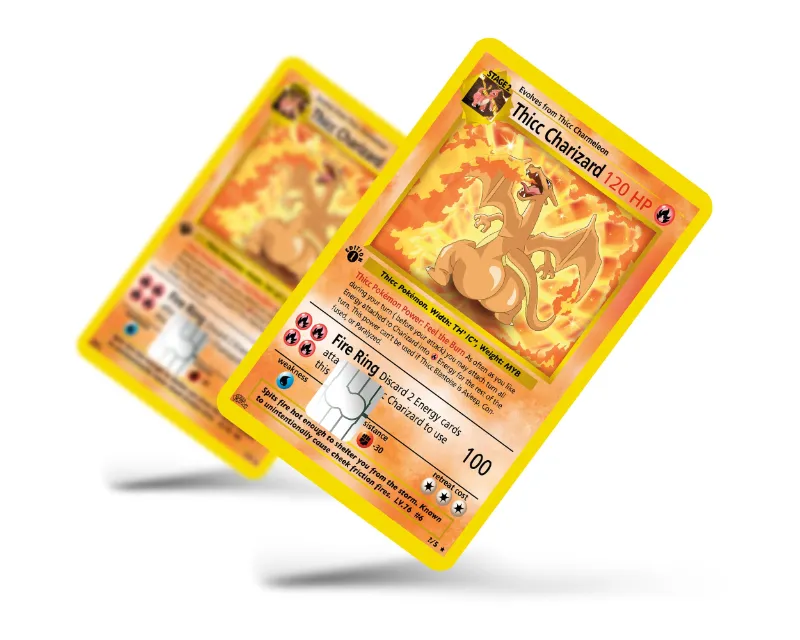
If you’re designing a custom pokemon card or novelty item like a thicc charizard, ask the creator whether they apply edge sealing. Exposed metal edges oxidize faster than coated surfaces.
Does the Design Fade Like Paper Cards?
UV-printed metal cards do not fade the way paper cards do because the ink is cured into the metal rather than sitting on top of porous cardstock.
That said, the protective topcoat can yellow or crack if exposed to extreme heat or harsh chemicals. Avoid storing metal cards near heat sources, and never clean them with acetone, alcohol wipes, or abrasive cleaners. A microfiber cloth dampened with water is enough to remove fingerprints and dust.
Digital tools like a pokemon card maker app or pokemon card generator ai let you preview your design before committing to metal, so you can adjust contrast and saturation to account for how metallic substrates reflect light. Colors appear more vibrant on metal than on paper, and fine text stays sharp even at small sizes.
Comparing Metal Card Durability to Paper
Here’s how metal stacks up against traditional cardstock and other materials:
| Material | Scratch Resistance | Fade Resistance | Weight | Cost |
|---|---|---|---|---|
| Paper cardstock | Low | Low (fades in sunlight) | Light | Low |
| Laminated paper | Medium | Medium | Light | Low |
| Anodized aluminum | High | Very high | Medium | Medium |
| Stainless steel | Very high | Very high | Heavy | High |
Metal cards cost more upfront, but they outlast paper by years if you store them correctly. A custom pokemon card printed on metal won’t bend, crease, or tear, which makes metal ideal for display pieces or cards you plan to handle frequently.
For budget-conscious collectors, many pokemon card creator free tools like PokeCardMaker.net and Poke Card Generator let you design and print at home on cardstock first, then upgrade to metal later if you love the design. Check our discount code before ordering metal versions to save on your first batch.
When Metal Cards Tarnish and How to Restore Them
Tarnish appears as discoloration or a dull haze on brass or uncoated aluminum cards exposed to moisture or skin oils. Stainless steel rarely tarnishes, but it can develop water spots if you don’t dry it after cleaning.
To restore lightly tarnished cards, wipe them with a microfiber cloth and a drop of mineral oil, then buff dry with a clean section of the cloth. For stubborn oxidation on brass cards, a jewelry polishing cloth works, but test on the back first to avoid removing the topcoat. Never use metal polish on the printed face.
Prevention is simpler than restoration. Store cards in airtight containers with silica gel packets if you live in a humid climate, and always wash your hands before handling bare metal cards.
Who Should Choose Metal Over Paper?
Metal cards suit collectors who want a display-worthy version of their favorite designs, or anyone who plans to carry a card regularly without it deteriorating. A pokemon card creator gives you full control over artwork, stats, and effects, so you can make a one-of-a-kind piece that paper printing can’t match in durability or tactile feel.
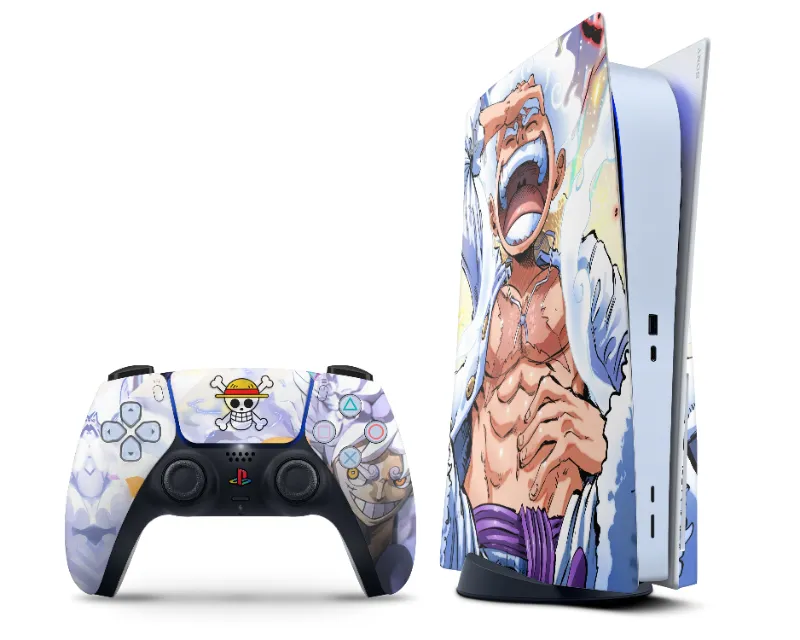
They’re also popular for custom gifts, cosplay props, and tournament prizes. The same stores that offer metal cards often carry related items like ps5 skins, credit card skins, and luffy wanted poster prints, so you can theme an entire gift set.
If you’re designing cards purely for casual play or testing deck ideas, a pokemon card maker free printable tool is more cost-effective. Save metal for your final, polished designs. Grab our code to get 10% off when you’re ready to order, and inspect the card as soon as it arrives so you can report any coating defects before they worsen.
Questions
Will a metal Pokemon card scratch if I put it in a binder?
Metal cards can scratch if they rub against binder rings or other cards. Use individual penny sleeves or toploaders inside binder pockets to prevent surface damage.
How long does the print on a custom pokemon card last?
UV-cured prints on metal cards do not fade in sunlight and can last decades if the protective topcoat remains intact. Paper cards fade within months under the same conditions.
Can I clean fingerprints off a metal card without damaging it?
Yes, use a dry or slightly damp microfiber cloth. Avoid alcohol, acetone, or abrasive cleaners that can strip the protective coating.
Do metal cards tarnish faster than paper cards deteriorate?
No. Properly coated metal cards resist tarnish for years, while paper cards bend, crease, and fade much faster. Stainless steel is the most tarnish-resistant option.
Are metal cards worth the extra cost compared to paper?
If you want a durable display piece or a card you'll handle often, metal is worth it. For casual play or testing designs, stick with printable paper versions first.
Can I use a pokemon card creator to make metal cards at home?
Most pokemon card creator tools design the artwork, but you'll need to order printing from a service that offers metal card production. Home printers cannot print on metal substrates.
Products in this guide
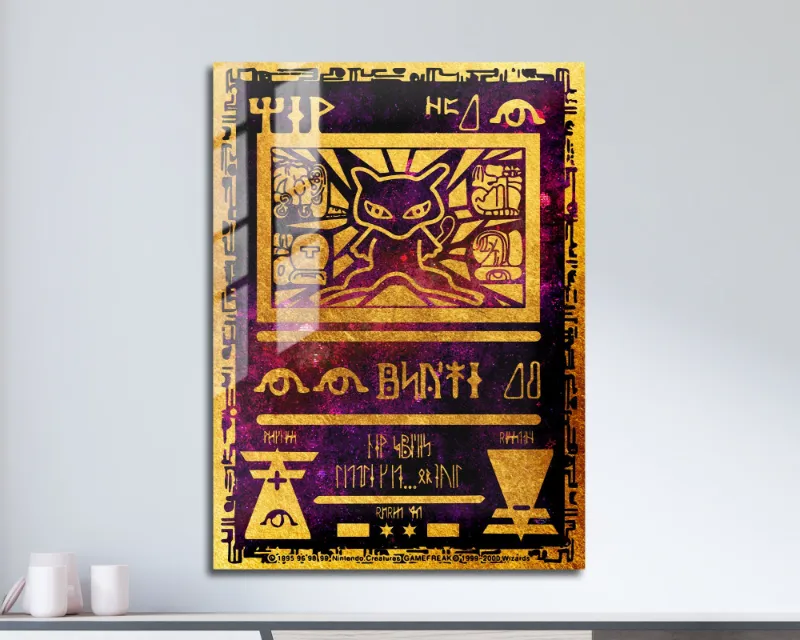
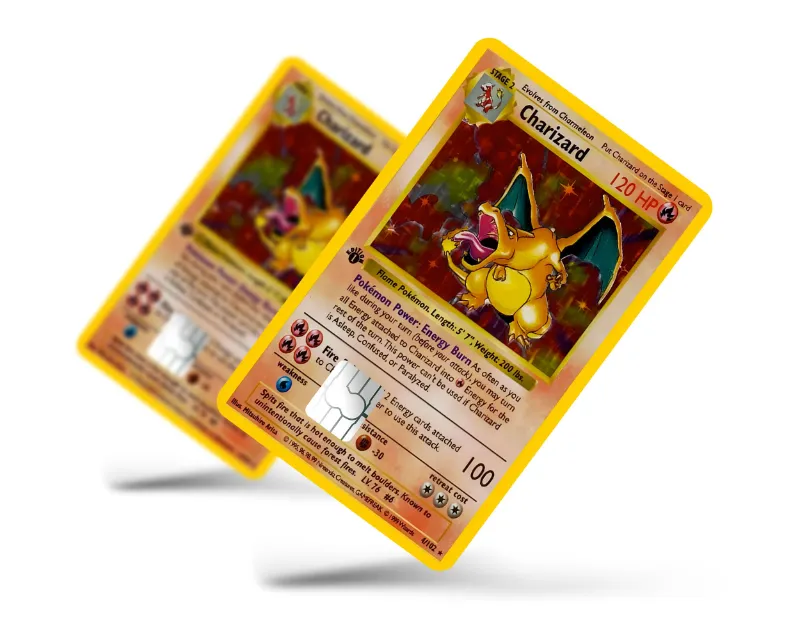
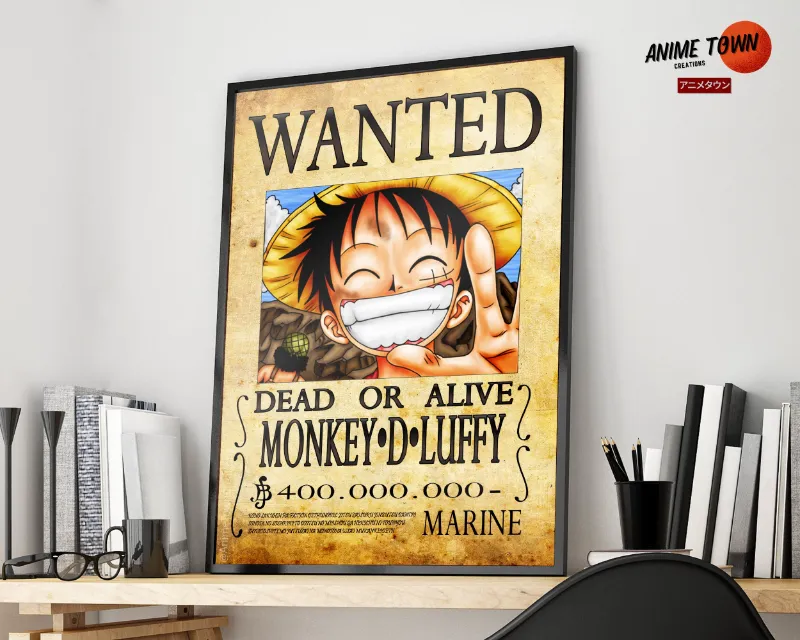 Shopping at Anime Town Creations? See the discount code
10% OFF All Orders
Shopping at Anime Town Creations? See the discount code
10% OFF All Orders