 A Pikapika guide
How to Measure Your Dog for a Raincoat or Jacket That Actually Fits
Getting the right dog rain jacket starts with three simple measurements: neck girth, chest girth, and back length.
A properly fitted dog rain jacket keeps your pup dry without restricting movement or rubbing. Measure your dog before you shop, and you’ll avoid the hassle of returns and the disappointment of a jacket that slides off mid-walk.
Most sizing charts rely on these core dimensions, but breed-specific builds matter too. A dachshund needs a different cut than a greyhound, even if their chest measurements match.
The Three Essential Measurements for Dog Rain Jackets
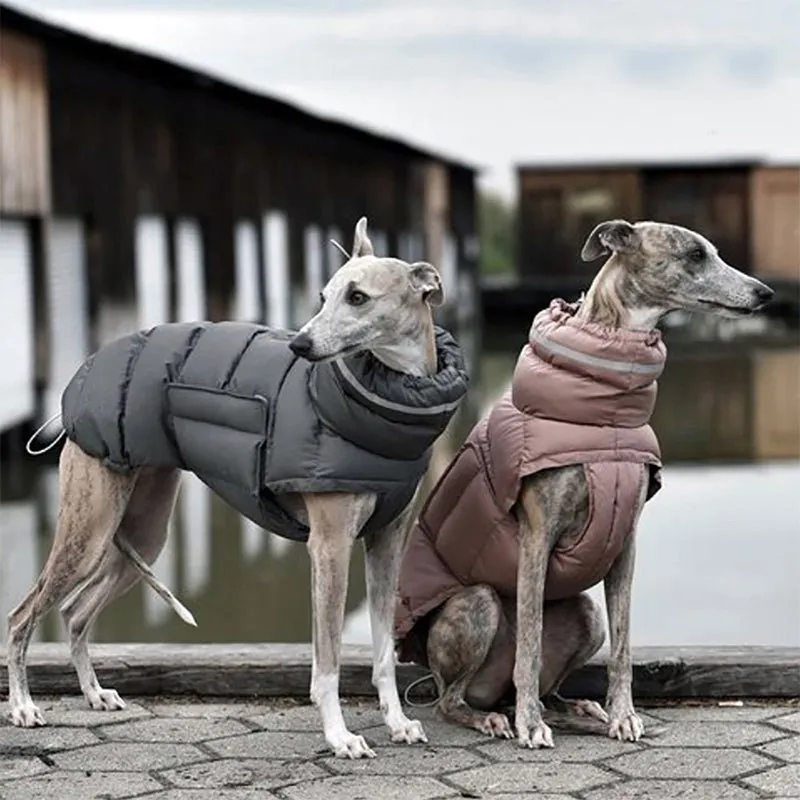
Before you browse jackets for dogs, grab a soft fabric measuring tape and a treat to keep your dog standing still. You’ll need these measurements:
- Neck girth: Measure around the base of the neck where a collar naturally sits, adding two fingers of slack so the jacket doesn’t choke.
- Chest girth: Wrap the tape around the widest part of the ribcage, right behind the front legs. This is the most important measurement for most dogs.
- Back length: Measure from the base of the neck (where the collar sits) to the base of the tail. Stop before the tail itself starts.
Record all three in inches or centimeters, depending on the brand’s sizing chart. If your dog falls between sizes, check the latest price on adjustable styles with belly straps or elastic hems that accommodate a range.
When measuring, keep your dog standing in a natural position. A sitting or crouched dog will give you inaccurate numbers, and a jacket sized to those measurements will be too tight when your dog moves.
Choosing Between Dog Rain Jacket Styles
The style you pick changes which measurements matter most. A dog rain jacket with hood that covers only the back relies heavily on back length and chest girth, while a dog rain jacket with legs needs precise leg-hole placement.
Poncho or cape style: Covers the back and sides, fastens under the belly. Prioritize back length and chest girth. These work well for quick potty breaks but offer less coverage in heavy rain.
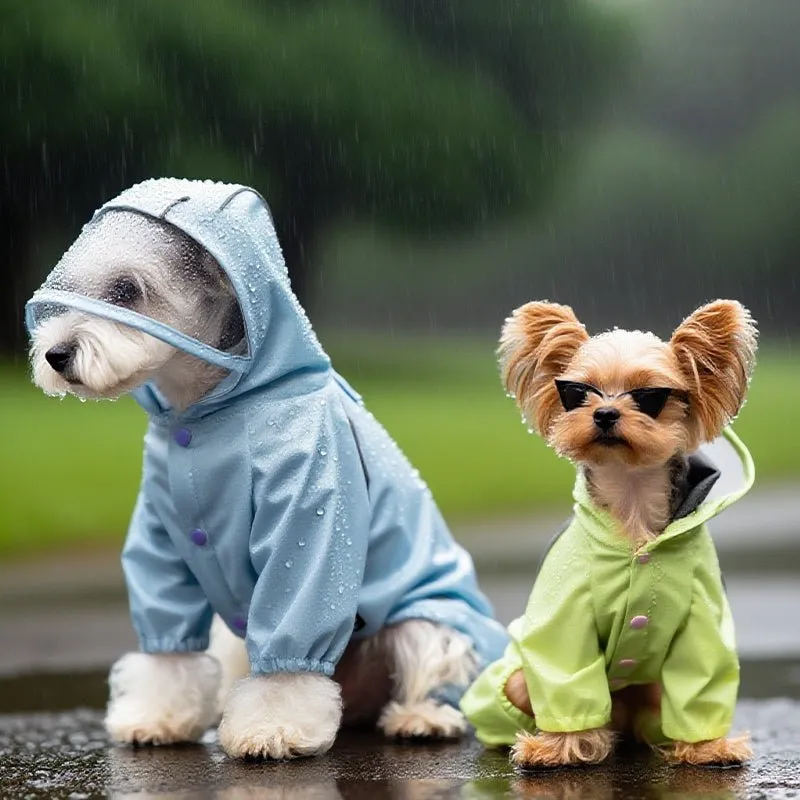
Full-coverage raincoat: Wraps around the chest and belly with leg holes or straps. Requires accurate chest and neck measurements. Dog raincoat full coverage designs are ideal for long walks in wet weather.
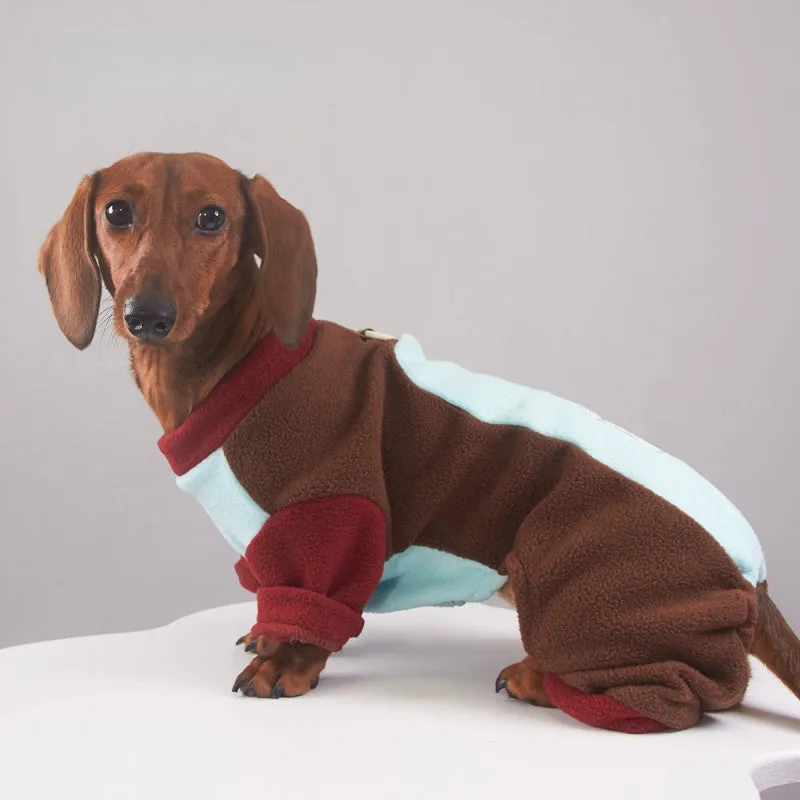
Dog rain jacket with legs: Four-legged suits that cover the entire body. You’ll also need to measure leg length (from shoulder to paw) and the distance between front and back legs. These provide maximum protection but can be tricky to fit.
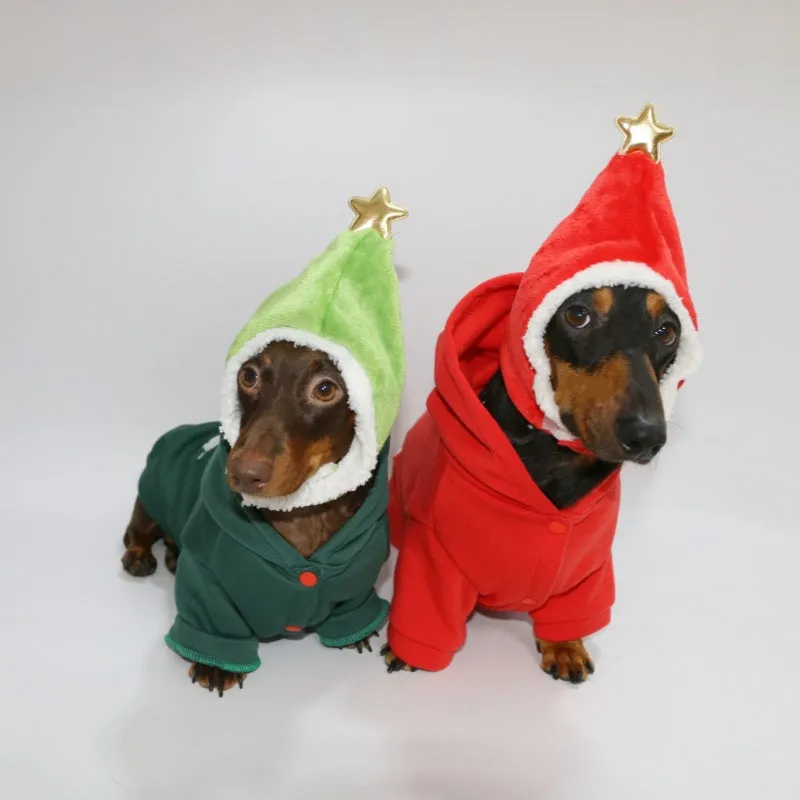
Dog hoodie convertible styles: Some dog hoodie designs double as light rain protection. These are cut more generously through the shoulders and work best for drizzle, not downpours.
| Style | Key Measurements | Best For |
|---|---|---|
| Poncho / Cape | Back length, chest girth | Quick outings, light rain |
| Full-coverage coat | Chest, neck, back length | Extended walks, heavy rain |
| Four-legged suit | All measurements + leg length | Maximum coverage, active dogs |
Adjusting for Breed-Specific Builds
Standard sizing charts assume an average dog build, but many breeds need special attention. If your dog has a deep chest, long back, or short legs, you may need to size up in one dimension and adjust straps in another.
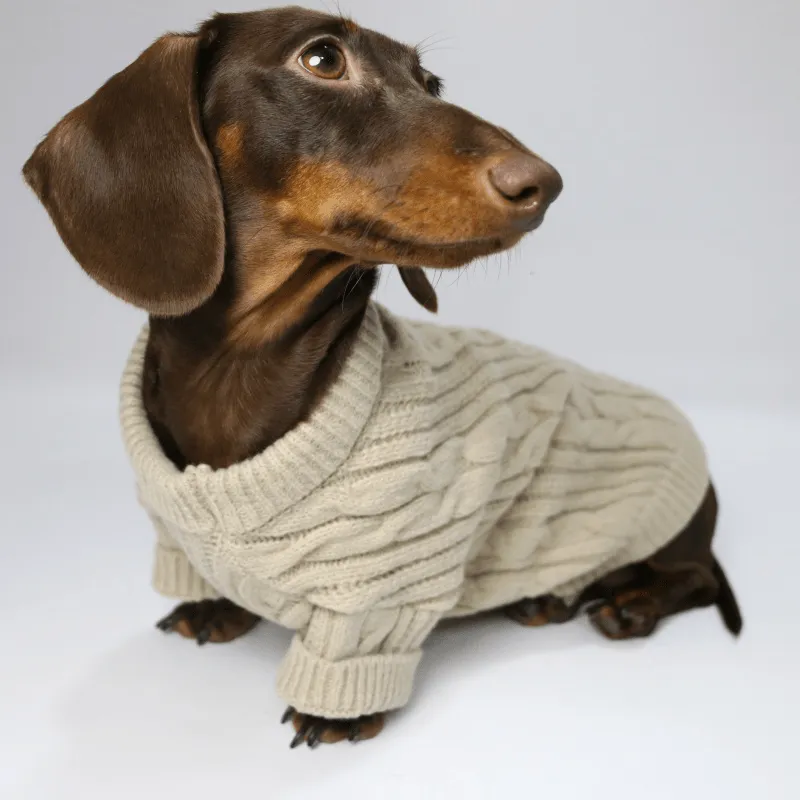
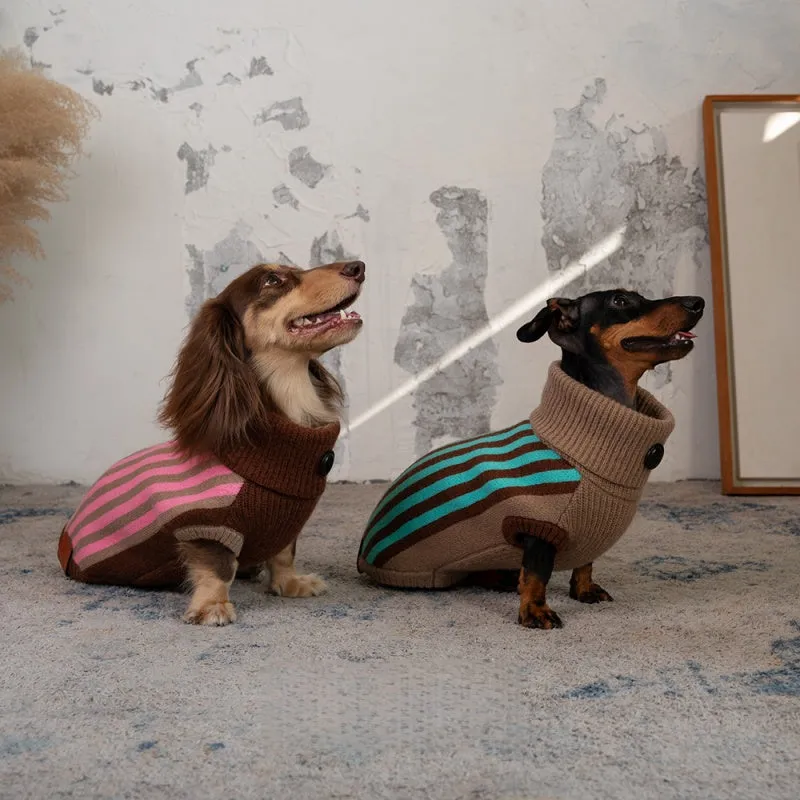
Long-backed breeds (dachshunds, corgis, basset hounds): Measure back length carefully and look for jackets with adjustable belly straps. A standard size based on chest girth often leaves the rear half exposed. Our doxie dog and standard dachshund plush toys mirror the proportions you’ll need to account for when dressing the real thing.
Deep-chested breeds (greyhounds, whippets, boxers): Chest girth is often much larger than neck girth. Choose a coat with a wide belly panel and elastic or Velcro adjustments at the neck to prevent gaps.
Stocky or muscular breeds (bulldogs, pit bulls, pugs): Neck and chest measurements may be similar. Look for stretchy fabrics or snap closures that accommodate thick necks without restricting breathing.
Small or toy breeds (Chihuahuas, Yorkies, Maltese): Even small discrepancies throw off the fit. Measure twice, and consider a dog rain jacket reflective design with adjustable straps for safety during evening walks.
How to Check Fit Before Your First Walk
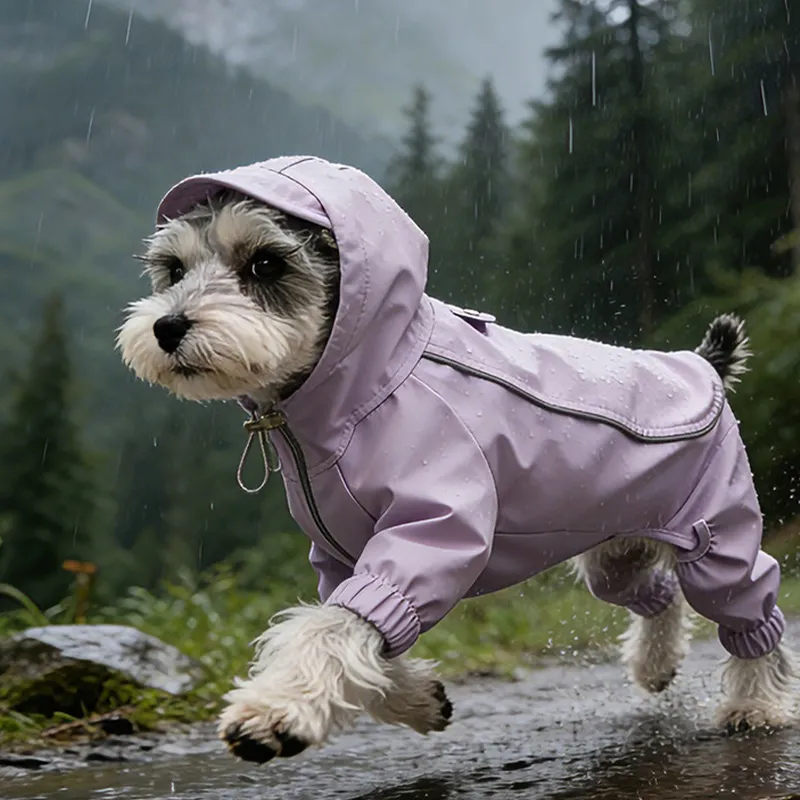
Once your dog rain jacket arrives, test the fit indoors before you head into the rain. Put the jacket on and check these points:
- The neck opening sits snugly but doesn’t press into the throat. You should fit two fingers under the fabric.
- The chest panel covers the ribcage without pulling tight when your dog sits or lies down.
- The back length reaches the base of the tail but doesn’t extend past it (excess fabric can catch on leashes or bushes).
- Leg holes (if present) sit just behind the front legs without rubbing the armpits.
- Your dog can walk, sit, trot, and shake without the jacket shifting or riding up.
Walk your dog around the house for five minutes. If the jacket slides to one side, twists, or creeps up the back, it’s not the right fit. Adjustable belly straps and elastic hems can fix minor issues, but a jacket that’s fundamentally the wrong size will never feel right.
Grab the code for 15% off sitewide at Pikapika if you need to order a second size to compare at home.
Common Measuring Mistakes to Avoid
We see the same errors repeated in sizing questions across forums and reviews. Avoid these pitfalls and you’ll get the right fit on the first try:
- Measuring over thick fur: Press the tape against the skin (or compress the fur slightly) for an accurate reading. Fluffy coats add inches that the jacket won’t account for.
- Using a stiff tape measure: Fabric or soft vinyl tapes conform to your dog’s body. Metal or rigid tapes create gaps and overestimate girth.
- Rounding down between sizes: When in doubt, size up. You can cinch adjustable straps, but you can’t stretch a too-small jacket.
- Skipping the neck measurement: Even back-only styles need a secure neck fit to stay in place. Don’t assume one measurement covers everything.
- Measuring a puppy once: Growing dogs need remeasuring every few weeks. What fit last month may be snug today.
Expert reviews like the 7 Best Dog Raincoats of 2026 (Tested and Reviewed) emphasize fit over features. A mediocre jacket that fits well outperforms a premium model in the wrong size.
When to Remeasure and Replace
Dogs gain or lose weight with age, season, and activity level. Remeasure every six months, or sooner if you notice the jacket riding up, leaving gaps, or restricting movement. Senior dogs often develop different proportions as muscle mass shifts, and a jacket that fit perfectly two years ago may no longer work.
Puppies grow fast. If you’re shopping for a young dog, buy for their current size and plan to replace the jacket within a season. Oversized raincoats are a safety hazard (they can snag or trip your dog), so resist the urge to buy big and grow into it.
Check for wear at the same time. Cracked waterproof coatings, stretched elastic, or broken snaps mean it’s time to shop again, even if the size still works.
Questions
What are the three measurements I need to buy a dog rain jacket?
You need neck girth (around the base of the neck), chest girth (around the widest part of the ribcage behind the front legs), and back length (from the collar line to the base of the tail). These three measurements match most sizing charts for dog raincoats.
Should I size up or down if my dog is between sizes?
Size up when your dog falls between sizes. You can tighten adjustable straps and belly bands on a slightly large jacket, but a too-small jacket will restrict movement and rub. Most quality raincoats include some adjustability for this reason.
How do I measure a dog with a deep chest like a greyhound?
Measure the chest girth at the widest point behind the front legs, then compare it to the neck measurement. Deep-chested breeds often need jackets with elastic or adjustable neck closures to prevent gaps, since their chest girth is much larger than their neck girth.
Do dog rain jackets with legs fit differently than ponchos?
Yes. Four-legged raincoats require leg length and the distance between front and back legs in addition to the standard measurements. Poncho styles rely mainly on back length and chest girth, making them easier to fit but less protective in heavy rain.
How often should I remeasure my dog for a new raincoat?
Remeasure every six months or whenever your dog's weight changes noticeably. Puppies need remeasuring every few weeks during growth spurts, and senior dogs may shift proportions as muscle mass changes with age.
Can I use a metal tape measure to size my dog?
No, use a soft fabric or flexible vinyl tape measure instead. Metal or rigid tapes don't conform to your dog's body and will overestimate girth measurements, leading to a jacket that's too large.
Products in this guide
 Shopping at Pikapika? See the discount code
15% OFF Sitewide
Shopping at Pikapika? See the discount code
15% OFF Sitewide
More in this series
 Can You Dress Up Hairless Cats for Christmas Without Stressing Them Out?30 Jul 20264 minHow to Keep Your Dog Dry: Raincoats vs Rain Jackets30 Jul 20264 minBest Winter Sweaters and Clothes for Sphynx Kittens and Hairless Cats30 Jul 20266 min
 Wiener Dog vs Standard Dachshund vs Doxie Dog Plush Toys: Which Is Best for Collectors?30 Jul 20265 min
 Do Hairless Cats Really Need Clothes? What Sphynx Owners Should Know30 Jul 20265 min