 A Pikapika guide
How to Keep Your Dog Dry: Raincoats vs Rain Jackets
Dog raincoats and rain jackets both protect your pup from wet weather, but the right choice depends on your dog's size, coat type, and activity level.
Dog raincoats and rain jackets are both designed to keep your pup dry during walks, and the terms are used interchangeably, but small differences in coverage and cut affect which works best for your dog. We keep the current code for Pikapika on its store page.
Understanding the difference between dog raincoats and rain jackets
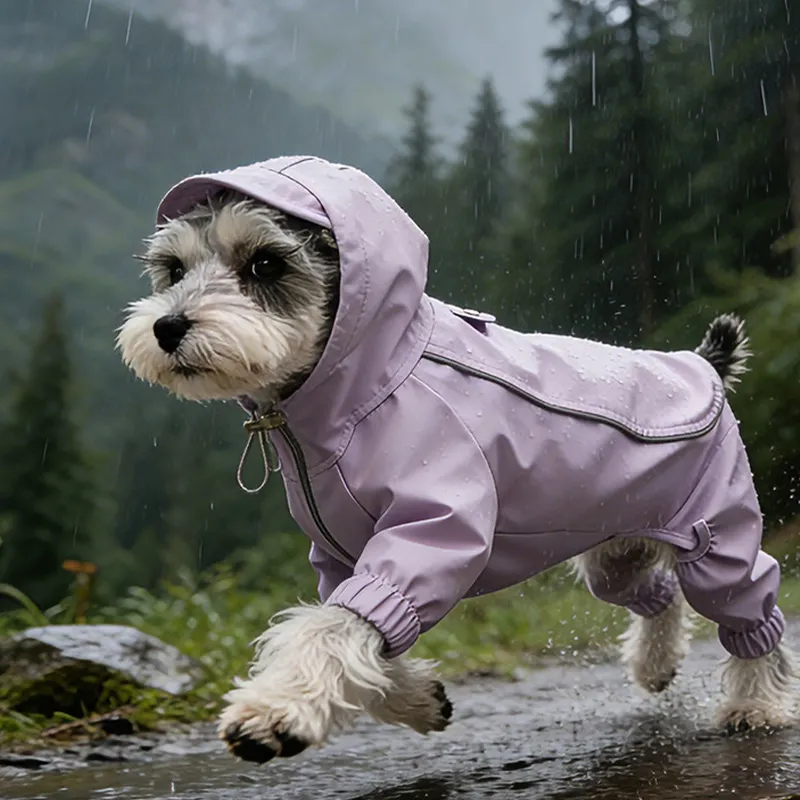
The distinction between a raincoat and a rain jacket for dogs is more about design philosophy than strict categories. A dog rain jacket, as we use the term here, has a sportier cut that stops at the ribcage or mid-belly, which leaves more room to move for active dogs in light rain. A full raincoat extends down the sides, and some styles wrap under the belly.
Both styles can be waterproof, so check the listing for the material and how far the coverage goes. If your dog has a thick double coat, a lightweight jacket may suffice. Short-haired breeds or those with thin coats benefit more from the extra coverage a raincoat provides.
What makes waterproof dog raincoats work
True waterproof dog raincoats use materials with a waterproof rating, not just water resistance. Look for polyester or nylon shells with polyurethane or PVC coatings that keep water from soaking through. The seams should be taped or welded to stop moisture creeping in at the stitching.
Features that separate a good raincoat from a mediocre one:
- Adjustable closures at the neck, chest, and belly to keep rain from sneaking underneath
- Reflective strips for visibility during early morning or evening walks
- Breathable linings or mesh panels that help prevent overheating while blocking rain
- Hood coverage to keep your dog’s head and ears dry, which matters for breeds prone to ear infections
Choosing dog raincoats for large dogs vs small breeds
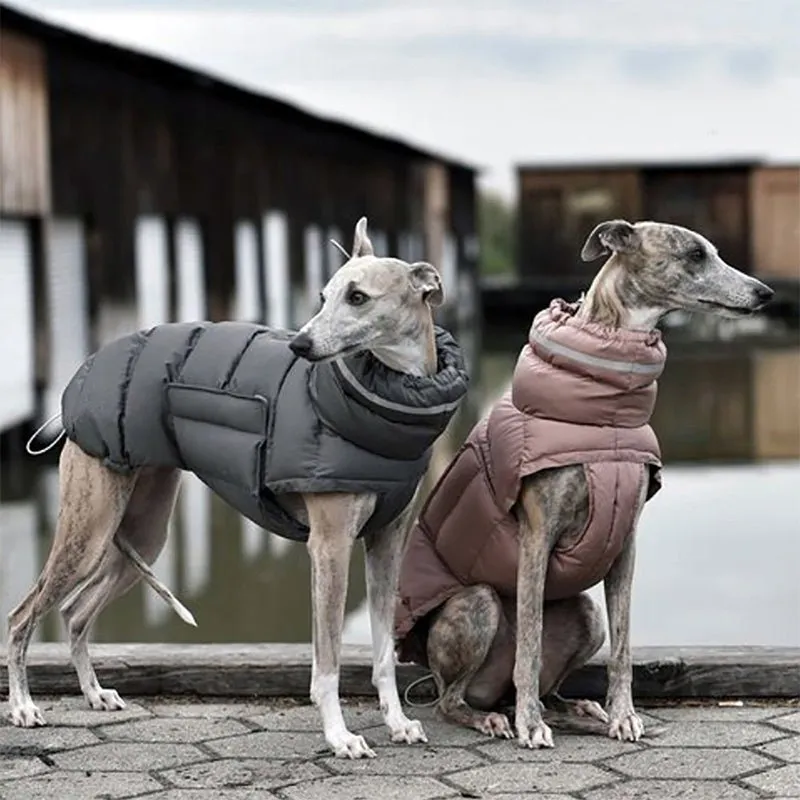
Large dogs need raincoats with longer torso coverage and wider chest adjustments. Check whether jackets for dogs are sized by weight, back length or chest girth, since a deep-chested dog needs extra girth. Look for styles with buckles or hook and loop closures that let you customize the fit around the chest without restricting shoulder movement.
Small dogs, especially low-riding breeds, benefit from a full coverage design that wraps under the belly. A dog hoodie with water-resistant fabric can work for quick potty breaks, but prolonged walks in heavy rain call for dedicated waterproof protection. Toy breeds lose body heat quickly when wet, so a lined raincoat adds a useful extra layer of warmth.
For sizing, measure your dog’s back from the base of the neck to the base of the tail, and compare chest girth at the widest point.
Dog raincoats with hood: when you need extra coverage
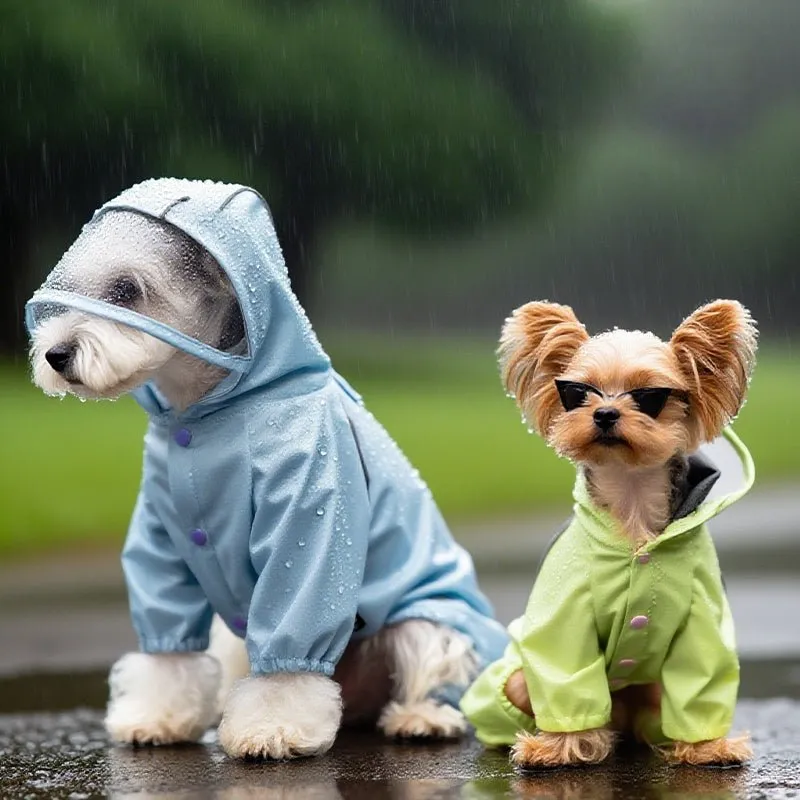
A raincoat with a hood keeps ears dry and can offer some comfort for dogs who dislike rain on their heads. Not every dog tolerates a hood. Some shake it off immediately or paw at it. We suggest introducing the hood gradually indoors before the first rainy walk.
Hoods work best when they:
- Attach with a drawstring or elastic that stays snug without choking
- Sit far enough back that they do not block forward vision
- Feature a brim or visor to deflect rain away from the eyes
If your dog refuses a hood, focus on a high collar that at least shields the neck. Pairing a raincoat with boots suits dogs who walk through puddles and muddy trails, though boots are a separate purchase and not every dog adapts to wearing them.
Comparing the main styles of dog rain gear
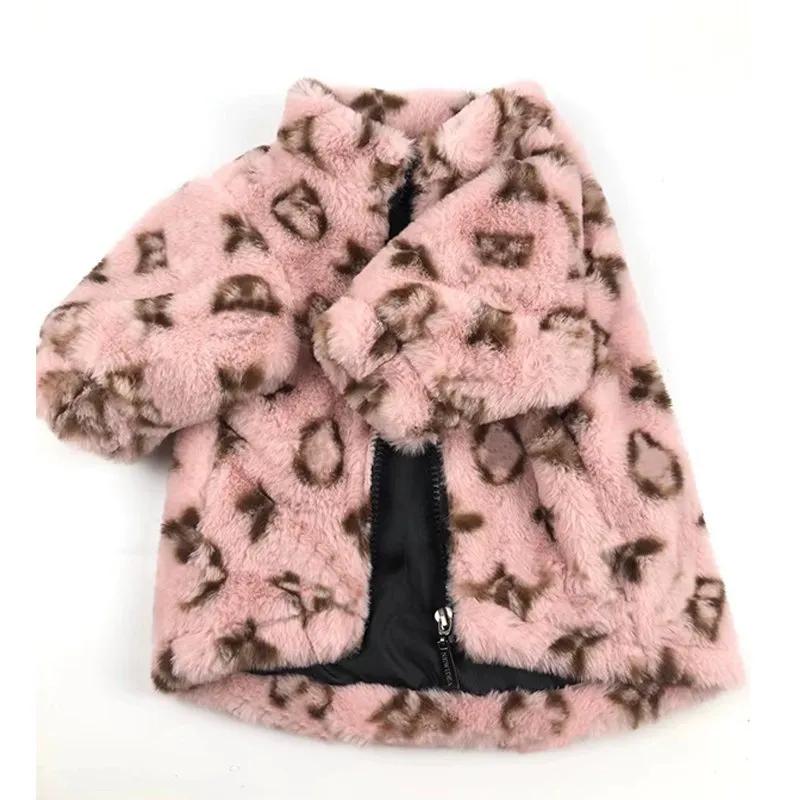
Here is how the main categories of canine jackets and full raincoats stack up:
| Style | Best for | Coverage level |
|---|---|---|
| Lightweight jacket | Active dogs, light drizzle | Partial (back and sides) |
| Full raincoat | Long walks, heavy rain | Full (belly wrap available) |
| Hooded raincoat | Head-shy dogs, cold rain | Full plus head |
| Vest-style rain gear | Quick outdoor breaks | Minimal (back only) |
For detailed comparisons of specific brands and materials, Business Insider has a guide that breaks down performance across mud, puddles, and sustained downpours.
The best dog raincoats balance waterproofing with breathability. A completely sealed jacket may keep rain out but can trap heat and moisture against your dog’s body, leaving them damp from the inside. Look for ventilation panels or moisture-wicking linings, especially if your dog is active during walks.
Caring for your dog’s rain gear
Waterproof coatings can wear down over time, especially with frequent washing. Follow the manufacturer’s care instructions, and in general:
- Rinse mud and dirt off with cool water after each walk
- Spot-clean stains with mild detergent rather than washing the entire coat every time
- Hang dry instead of using a dryer, which can damage waterproof coatings
- Reapply a durable water repellent spray occasionally if water stops beading on the surface
Store rain gear in a dry place away from direct sunlight, since UV exposure breaks down synthetic fabrics over time.
When rain gear is not enough
Some dogs need layering in cold, wet weather. A waterproof shell over a fleece or insulated liner can help keep your dog warm and dry. In warm climates with summer rain, a single-layer breathable jacket helps prevent overheating.
Dogs with very short coats or thin builds, such as greyhounds or whippets, may need a light jacket for drizzle and a full raincoat for storms. Keeping both on hand lets you match the gear to the weather. For casual indoor wear, a dog hoodie made from soft cotton or fleece works well, but should not substitute for real rain protection outdoors.
Finally, even the best waterproof dog raincoat cannot replace good judgment. If lightning is present or rain is heavy enough to cause flooding, it is safer to skip the walk and let your dog relieve themselves closer to home.
Questions
Are dog raincoats really waterproof or just water resistant?
A true waterproof dog raincoat has sealed seams and coatings that block water completely, while a water-resistant version repels light rain but will eventually soak through. Check the product specs, and test a small area with water before relying on it in heavy rain.
How do I measure my dog for a raincoat?
Measure from the base of the neck to the base of the tail for back length, and around the widest part of the chest for girth. Compare both measurements to the manufacturer's size chart, and when in doubt, size up for adjustable styles.
Can I use a rain jacket on a dog with a thick coat?
Yes, but thick-coated dogs can overheat in a fully lined raincoat. Choose a lightweight, breathable shell that blocks rain without trapping body heat, or skip the jacket for short walks in light drizzle.
Do dog raincoats with hoods stay on during walks?
Choose a hood with an adjustable drawstring or elastic that fits snugly without restricting vision. Some dogs tolerate them well, while others shake them off immediately, so test the fit indoors first.
How often should I wash my dog's rain jacket?
Rinse off mud after each use, but only wash with detergent every few weeks or when noticeably dirty. Frequent washing can wear down waterproof coatings, so spot-clean where possible and hang dry to extend the jacket's life.
What is the difference between a dog raincoat and a regular jacket?
A raincoat is made from waterproof material with sealed seams to block moisture, while a regular jacket may use fleece or cotton that absorbs water. Only a true raincoat will keep your dog dry in sustained rain.
Products in this guide
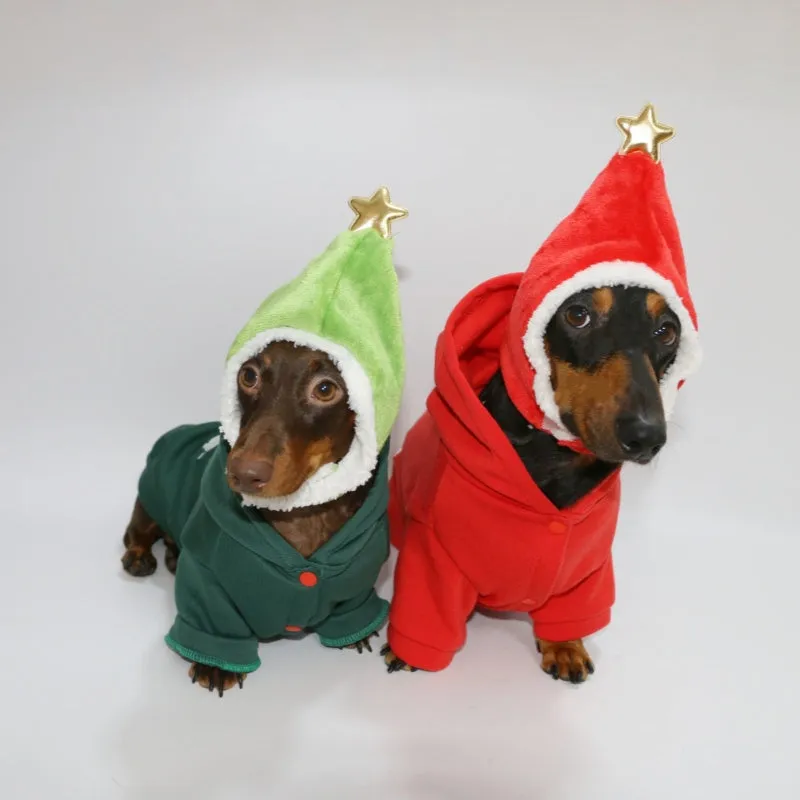
 Shopping at Pikapika? See the discount code
15% OFF Sitewide
More in this series
 Can You Dress Up a Hairless Cat for Christmas? Choosing the Right Outfit30 Jul 20263 min
 Fleece, Knit or Sherpa? Choosing a Winter Sweater for a Sphynx Cat30 Jul 20263 min
 Pikapika Dachshund Clothes: Sweater, Vest, Fleece Outfit or Hoodie?30 Jul 20263 minDo Hairless Cats Need Clothes? What Sphynx Owners Should Know30 Jul 20263 minHow to Measure Your Dog for a Raincoat or Jacket That Actually Fits30 Jul 20265 min