 A Mr.D Wine guide
What Makes Txakoli Wine Different From Other White Wines?
Txakoli wine stands apart from other white wines with its lively effervescence, bright acidity, and unique coastal character from Spain's Basque Country.
Txakoli wine distinguishes itself from other white wines through its signature light spritz, razor-sharp acidity, and low alcohol content, all shaped by the cool, rainy climate of Spain’s Basque Country. While most still white wines offer a smooth, quiet palate, txakoli delivers a lively, almost fizzy mouthfeel that makes it instantly recognizable. We’ve explored dozens of white wine styles, and txakoli remains one of the most refreshing and food-friendly options available today.
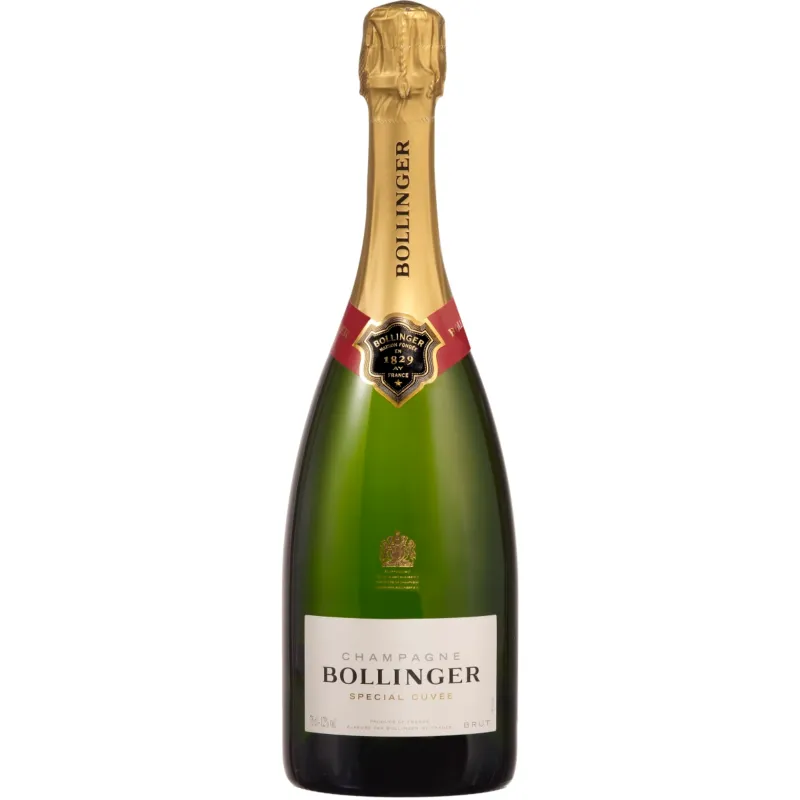
This Basque treasure pairs beautifully with seafood and pintxos, but it also holds its own alongside richer dishes when you want contrast rather than weight. If you’re expanding your wine cellar beyond classics like bollinger champagne or exploring wines with personality, txakoli deserves a spot on your radar.
The Txakoli Wine Region and Its Coastal Influence
The txakoli wine region spans three main appellations in the Basque Country: Getariako Txakolina, Bizkaiko Txakolina, and Arabako Txakolina. Each sits close to the Atlantic coast or nestled in green valleys where ocean winds and persistent rainfall create a climate unlike any other Spanish wine region. This maritime influence keeps temperatures moderate and humidity high, conditions that stress the vines just enough to produce grapes with intense acidity and restrained sugar levels.
Most txakoli vineyards are planted on steep hillsides using a pergola training system that lifts the vines off the damp ground and maximizes airflow. The result is fruit that ripens slowly and retains the crisp, green-apple character that defines the style. Txakoli or txakolindegis have been part of Basque culture for centuries, and the region’s dedication to preserving traditional methods shows in every bottle.
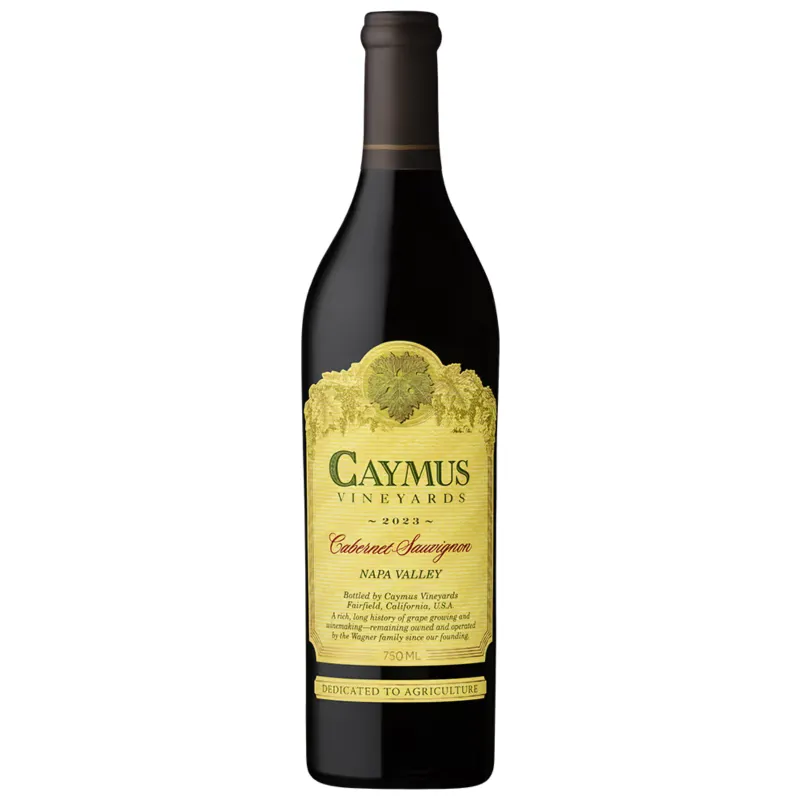
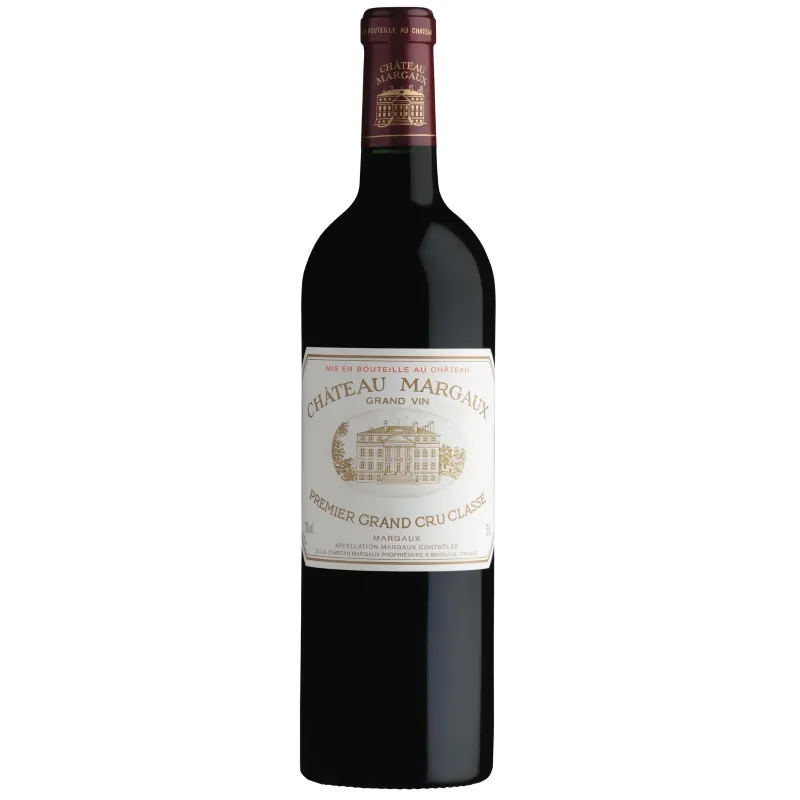
When you compare this to the warm, dry conditions that shape wines like caymus cabernet sauvignon or chateau margaux, the contrast is stark. Where Napa and Bordeaux chase ripeness and structure, txakoli producers embrace brightness and drinkability.
Txakoli Wine Grapes: Hondarrabi Zuri and Beyond
The backbone of txakoli is Hondarrabi Zuri, an indigenous white grape that thrives in wet, cool climates and produces wines with piercing acidity and subtle citrus-peel aromatics. Most txakoli bottlings contain at least 90% Hondarrabi Zuri, often blended with small amounts of Hondarrabi Beltza (a red variety) or Folle Blanche to add complexity.
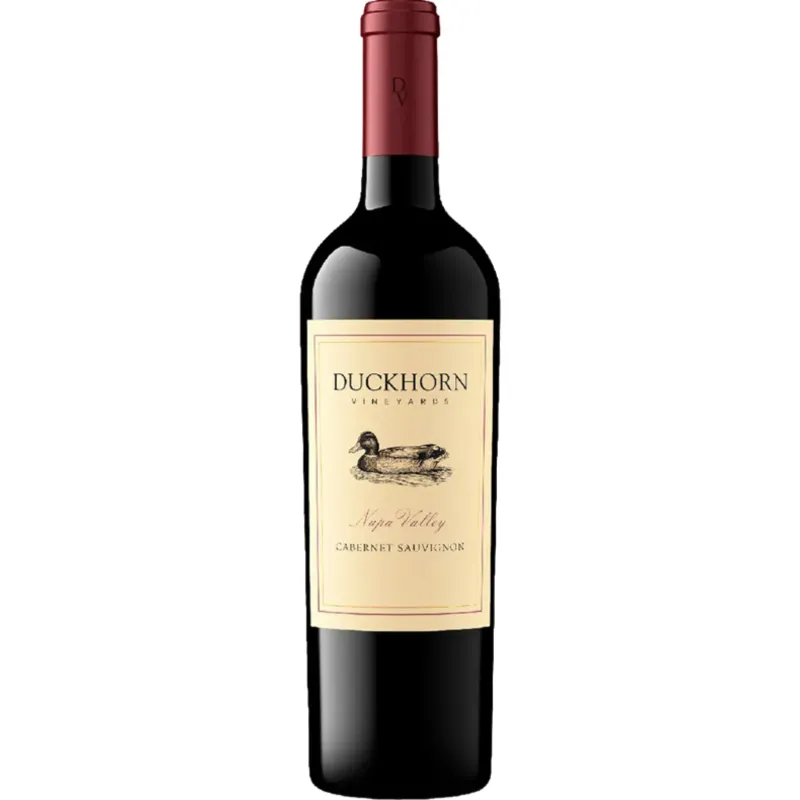
Hondarrabi Zuri’s thick skins help it resist the fungal pressure that comes with Basque rainfall, and its naturally high acidity means the wine stays fresh even in warmer vintages. The grape also has low sugar accumulation, which keeps the txakoli wine alcohol content typically between 9.5% and 11.5%, significantly lower than the 13% to 15% you’ll find in most New World whites or even in bold reds like duckhorn cabernet.
This light alcohol profile makes txakoli an ideal daytime wine or aperitif, especially when you want something more interesting than sparkling water but less intense than a full-bodied Chardonnay. Check the latest price on our curated selection and see how txakoli fits into your rotation.
The Signature Spritz: Why Txakoli Is Lightly Sparkling
One of the most distinctive features of txakoli is its slight effervescence, a gentle prickle on the tongue that feels more like a tingle than full bubbles. This spritz comes from one of two methods: either a small amount of residual carbon dioxide is retained during fermentation, or winemakers introduce a touch of CO₂ before bottling.
The bubbles serve a purpose beyond novelty. They lift the wine’s citrus and green-herb aromatics, amplify its refreshing acidity, and cleanse the palate between bites, ideal when you’re working through a spread of salty anchovies, grilled octopus, or sheep’s-milk cheese. The traditional serving ritual underscores this character: Basque bartenders pour txakoli from height into a wide glass to aerate the wine and enhance the spritz.
This style occupies a middle ground between still whites and fully sparkling wines like bollinger champagne. If you love the vivacity of bubbles but find Champagne too formal or too expensive for casual meals, txakoli offers an approachable alternative with its own distinct personality.
Txakoli Wine Pairing: What to Serve Alongside
It excels with:
- Seafood and shellfish: oysters, clams, grilled sardines, and salt cod
- Pintxos and tapas: anchovy-topped toasts, jamón ibérico, marinated peppers
- Fresh cheeses: Idiazábal, Manchego, or tangy goat cheese
- Fried foods: calamari, tempura vegetables, or patatas bravas (the acidity cuts through oil)
- Light salads and vegetables: especially those with vinaigrette or citrus dressing
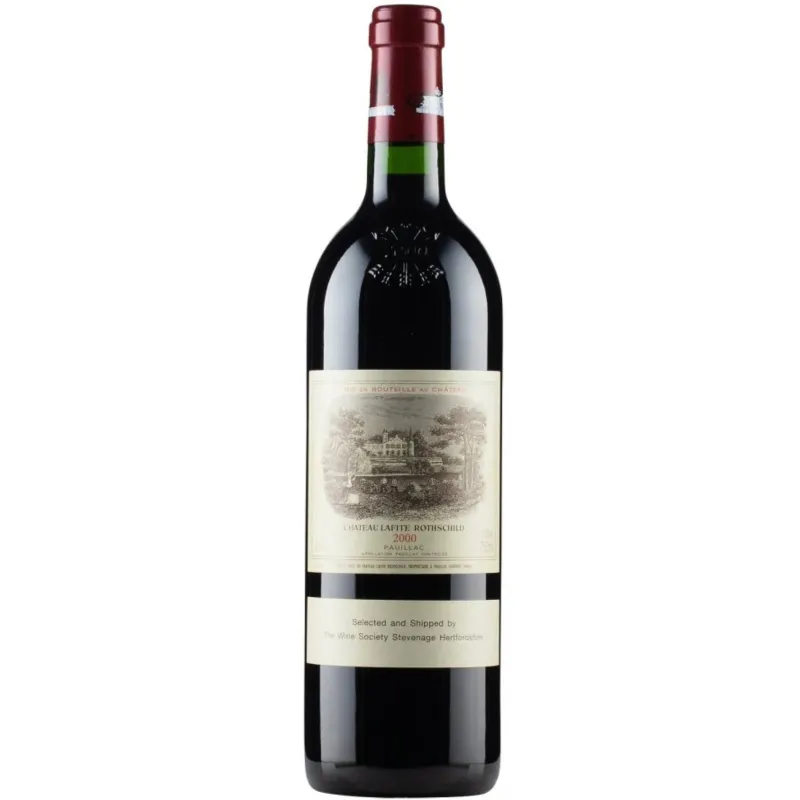
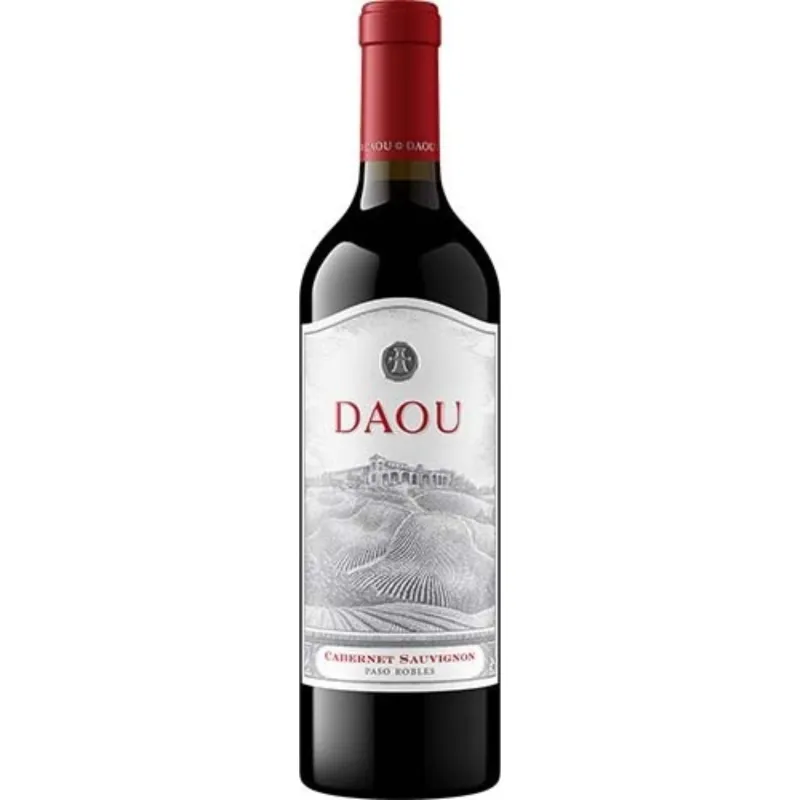
Because txakoli is so lean and refreshing, it also works as a palate cleanser when you’re tasting heavier wines. We’ve served it alongside flights that included chateau lafite rothschild and daou cabernet sauvignon, and it resets the palate beautifully between pours.
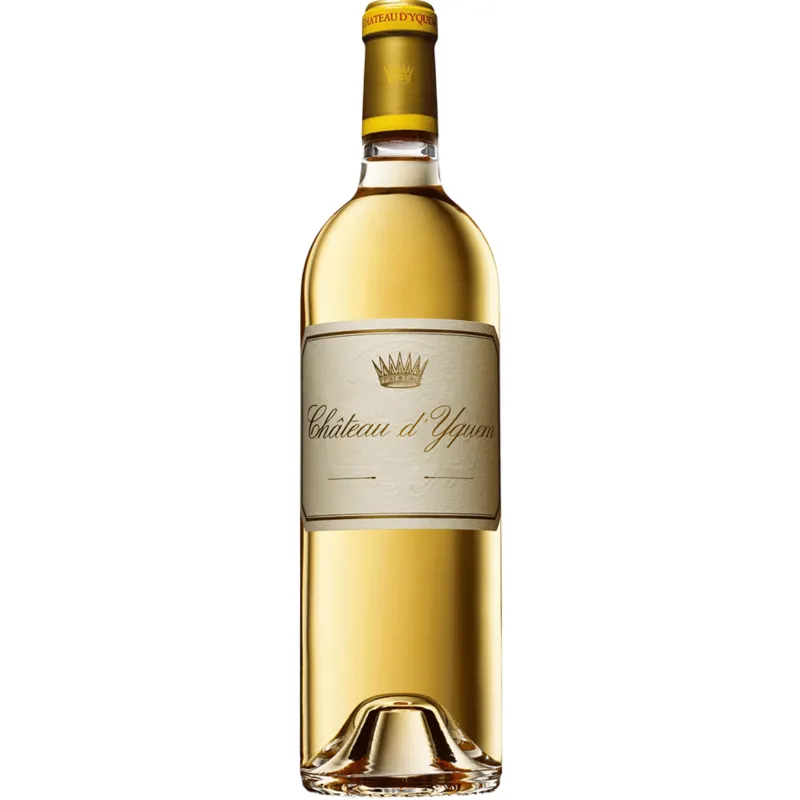
For dessert pairings, txakoli is too dry and tart to stand up to sweets, reach for something like chateau d’yquem if you’re closing the meal with fruit tart or crème brûlée.
Txakoli Wine Pronunciation and Where to Buy
The word “txakoli” (sometimes spelled “chacolí”) can trip up even confident wine drinkers. The Basque “tx” cluster sounds like “ch” in English, so the correct txakoli wine pronunciation is roughly “chah-koh-LEE”. Once you nail that, you’ll feel more confident ordering it at a wine bar or asking about it at your local shop.
As for txakoli wine where to buy, availability has improved significantly in recent years. Specialty wine retailers and online stores now stock several producers, especially those from the Getariako Txakolina appellation near San Sebastián. Txakoli: Spain’s Refreshing, Effervescent, Hard-to-… offers a deep dive into the producers worth seeking out.
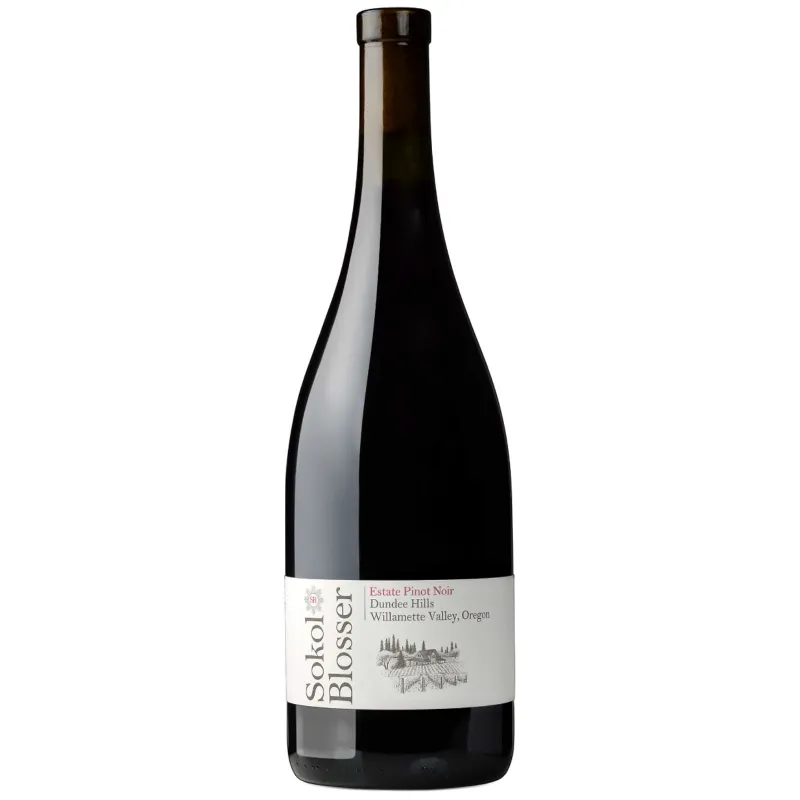
We recommend exploring trusted retailers that carry a curated Basque selection, shops like sokol blosser winery often stock interesting imports alongside their own releases. And if you’re hunting for a discount, grab the code for 5% off sitewide and stock up on both txakoli and your favorite reds.
Why Txakoli Deserves a Place in Your Wine Rotation
Txakoli offers something rare: a wine that’s simultaneously traditional and trend-forward, rustic and refined, serious and supremely drinkable. Its low alcohol content makes it a smart choice for long lunches or multi-course dinners, and its versatility means you can pour it with confidence whether you’re serving sushi, cheese, or grilled fish.
If your cellar is dominated by Napa Cabernets like caymus cabernet or stags leap winery the leap, adding a few bottles of txakoli will broaden your range and give you a go-to white that actually tastes like something. And because most txakoli is released young and meant to be consumed within a year or two, you don’t need to worry about aging, just chill it, open it, and enjoy the Atlantic breeze in a glass.
Products in this guide
 Shopping at Mr.D Wine? See the discount code
5% OFF Sitewide
Shopping at Mr.D Wine? See the discount code
5% OFF Sitewide
More in this series
Chateau Margaux vs Chateau Haut Brion: Comparing Left Bank and Graves Bordeaux25 Aug 20263 minHow to Properly Store Bollinger Champagne at Home25 Aug 20264 minIs Chateau Lafite Rothschild Worth the Investment? A Collector’s Guide25 Aug 20263 minHow Long Does Chateau D’Yquem Last After Opening?25 Aug 20264 minCaymus vs Duckhorn Cabernet Sauvignon: Which Napa Cab Is Worth the Price?25 Aug 20264 min