 A Mr.D Wine guide
Chateau Margaux vs Chateau Haut Brion: Comparing Left Bank and Graves Bordeaux
Chateau haut brion stands apart as the only Graves estate among Bordeaux's 1855 First Growths, offering a softer, earthier profile than Left Bank rivals like Chateau Margaux.
Chateau Haut Brion vs Chateau Margaux: Which First Growth Bordeaux Belongs in Your Cellar
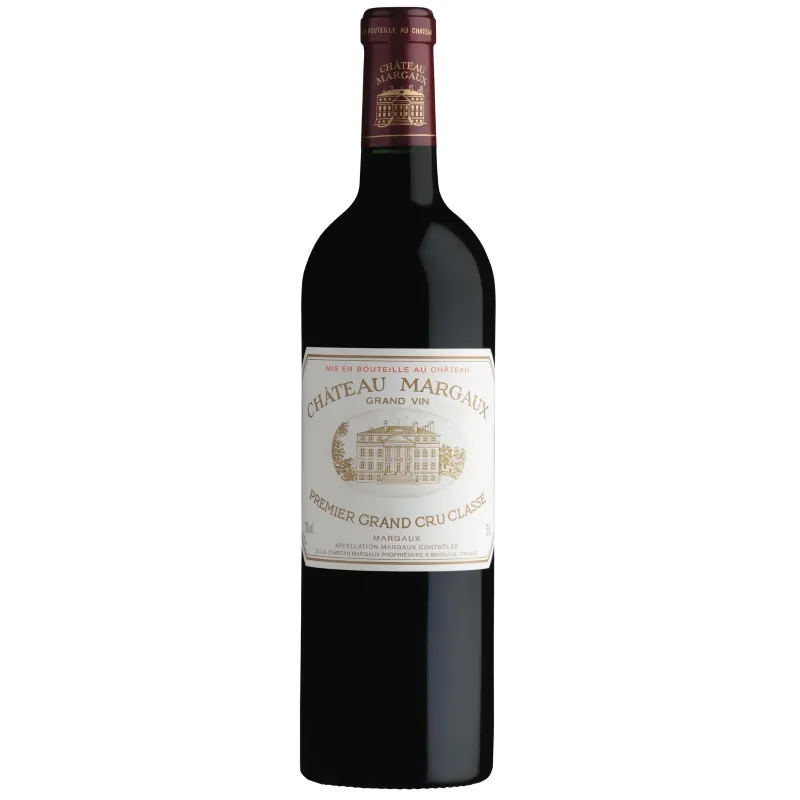
Chateau haut brion differs from chateau margaux in both terroir and style, despite both earning First Growth status in the 1855 Classification. Haut-Brion hails from Pessac-Léognan in the Graves region, where gravelly soils with clay produce wines with earthy tobacco notes and a rounder mouthfeel, while Margaux comes from the Left Bank’s Médoc, delivering more floral elegance and finer tannins.
Terroir and Regional Differences Between Graves and Margaux
The Château Haut-Brion estate sits in Pessac, just outside Bordeaux city limits, on deep gravel beds mixed with clay and sand. This terroir gives Haut-Brion its signature warmth and earlier ripening compared to Médoc estates. The warmer microclimate contributes to the wine’s plush texture and lower perceived acidity.
Chateau Margaux occupies the southernmost commune of the Médoc, where thinner gravel layers over limestone create more restrained, perfumed wines. The Left Bank location means cooler nights and later harvest dates, preserving more freshness and structure.
Key terroir contrasts:
- Haut-Brion: 51 hectares, 45% Merlot / 44% Cabernet Sauvignon / 11% Cabernet Franc
- Margaux: 82 hectares under vine, 75% Cabernet Sauvignon / 20% Merlot / 5% other varieties
- Haut-Brion’s higher Merlot percentage yields softer tannins and earlier drinkability
- Margaux’s Cabernet dominance demands longer cellar time for full expression
Tasting Profile: Earthy Power vs Floral Finesse
We find chateau haut brion consistently shows darker fruit, smoke, and mineral character. Expect blackberry, graphite, espresso, and cigar box in mature vintages, with a velvety mid-palate that feels fuller than most Médoc wines. The 1961 and 1989 vintages remain benchmarks for the estate’s ability to age gracefully while retaining fruit sweetness.
Margaux leans toward red fruit, violet, and sandalwood. The texture is silkier rather than plush, with ultra-fine tannins that take decades to fully integrate. Top vintages like 1996 and 2015 showcase the estate’s ethereal quality.
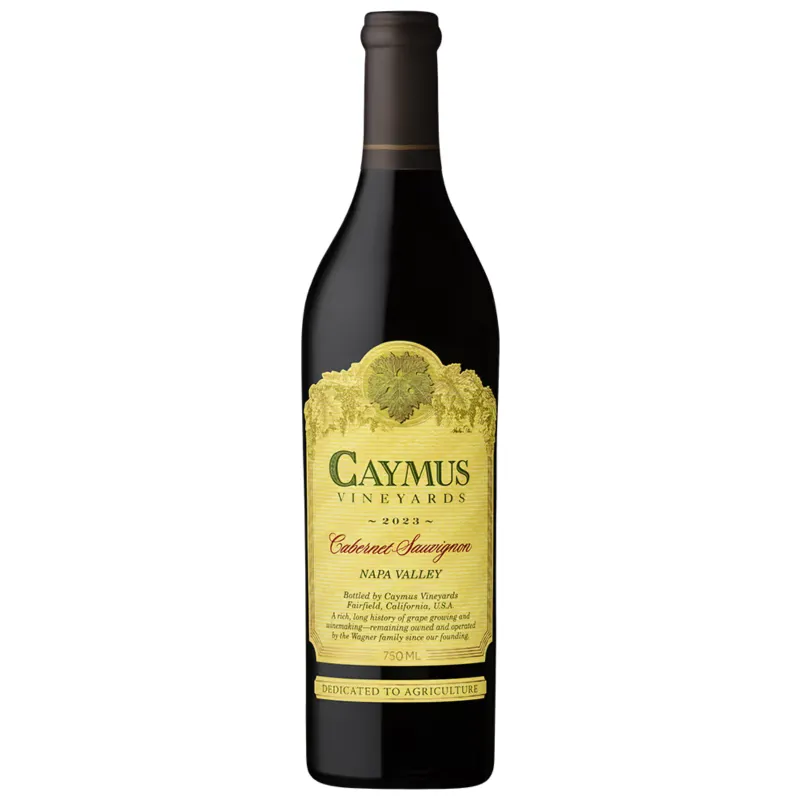
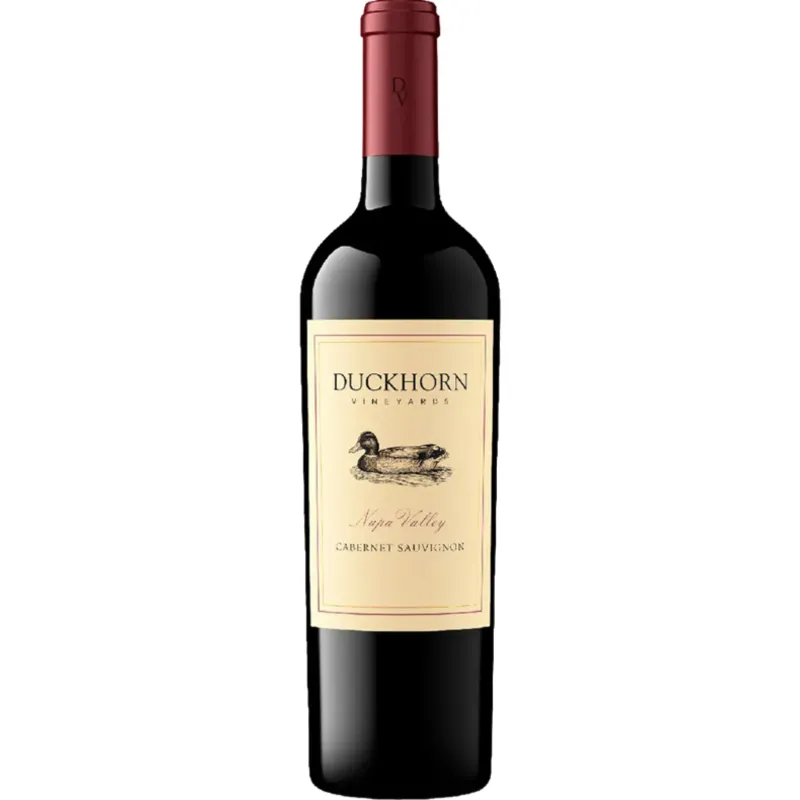
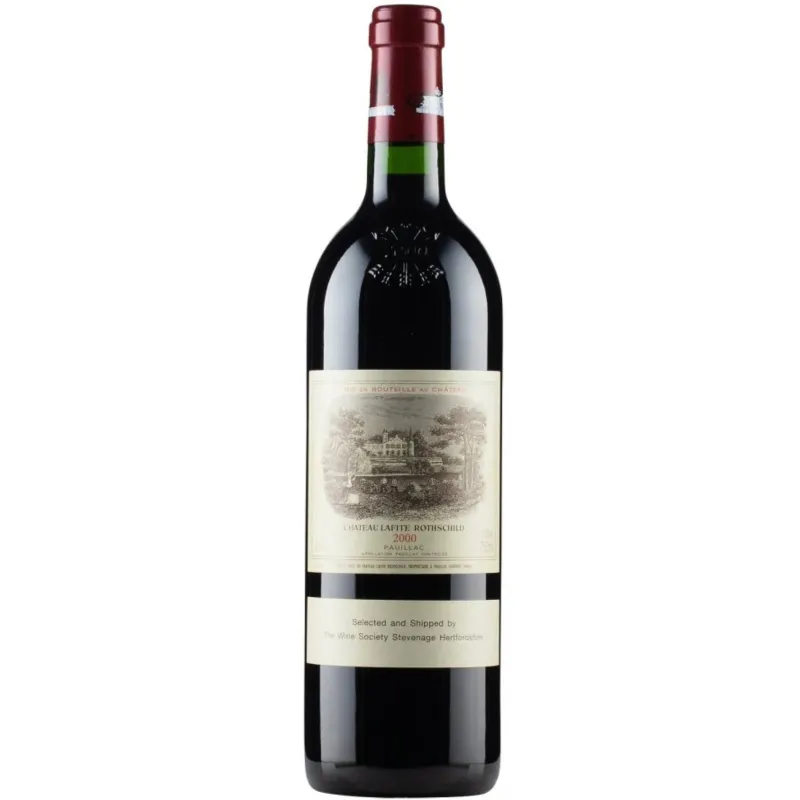
If you enjoy California wines like caymus cabernet sauvignon or duckhorn cabernet, Haut-Brion’s riper fruit and rounder structure will feel more familiar. Collectors who prefer chateau lafite rothschild typically gravitate toward Margaux’s restraint.
Chateau Haut Brion Price and Value Across Vintages
The chateau haut brion price typically runs 10-20% lower than Margaux for comparable vintages, making it a relative value among First Growths.
Vintage quality guide for Haut-Brion:
- Outstanding (98+ points): 1989, 2009, 2010, 2016, 2019
- Excellent (95-97): 2005, 2015, 2018, 2020
- Very Good (92-94): 2011, 2012, 2014
The château haut-brion best vintages from the 20th century include the legendary 1961, 1959, and 1945. The château haut-brion 1926 remains one of the most collectible pre-war Bordeaux bottles, though authentication is critical for bottles claiming this provenance.
For chateau haut brion for sale, we suggest buying from established merchants who guarantee provenance. Grab the code to save on your next Bordeaux purchase at Mr.D Wine.
When to Drink: Aging Potential and Drinking Windows
| Aspect | Haut-Brion | Margaux |
|---|---|---|
| Minimum age | 8-10 years | 10-15 years |
| Peak window | 15-35 years | 20-40 years |
| Cellar requirement | Moderate | High |
Haut-Brion’s higher Merlot content and riper fruit mean you can open bottles sooner without sacrificing enjoyment. We’ve found great vintages drink beautifully at 12-15 years, though they continue improving for decades.
Margaux demands patience. The tannins need two decades to soften in top years, and the wine doesn’t reveal its full aromatic complexity until well into maturity. If you’re building a collection for near-term drinking, prioritize Haut-Brion.
Food Pairing and Serving Recommendations
Both estates pair brilliantly with red meat, but their stylistic differences suggest specific matches:
- Haut-Brion: Beef Wellington, duck confit, wild mushroom dishes, aged Comté cheese
- Margaux: Rack of lamb, venison, truffle risotto, subtle game birds
Decant young Haut-Brion for 2-3 hours; older bottles (20+ years) need only 30-60 minutes. Margaux benefits from longer aeration when young, up to 4 hours for vintages under 15 years old.
Serve both at 16-18°C (61-64°F). Over-chilling mutes the aromatics that define these wines.
Where to Buy and Visit Chateau Haut Brion
The official Haut-Brion estate offers tours by appointment only, typically requiring several months’ advance booking. The château haut-brion visit includes the historic cellars and a tasting of the current vintage, though allocation is limited to wine trade professionals and serious collectors.
For purchasing bottles without traveling to Bordeaux, online retailers offer wider selection and competitive pricing. Use our discount code to save 5% on First Growth Bordeaux and other premium wines.
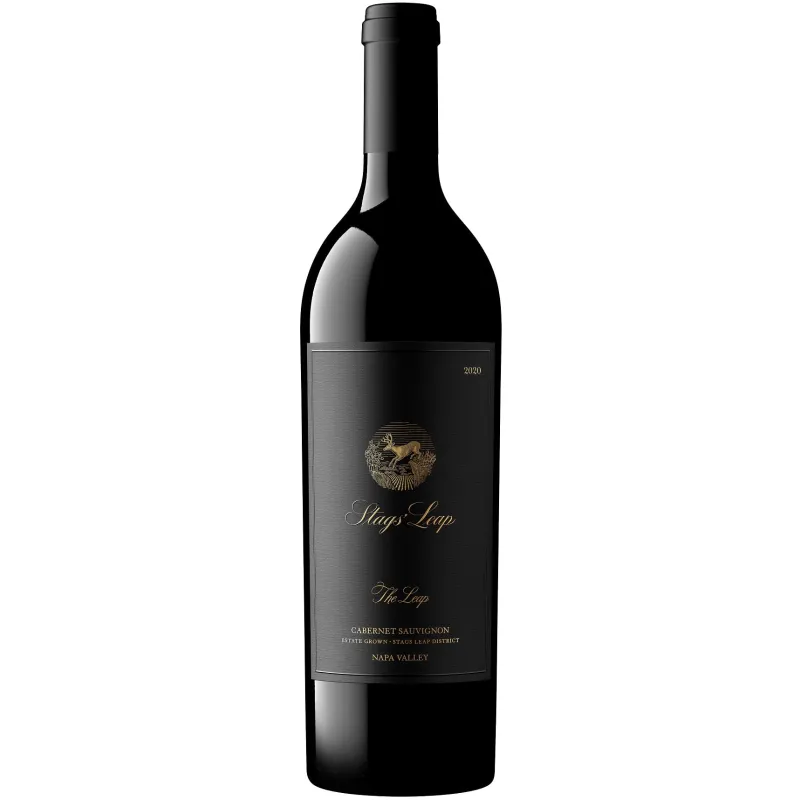
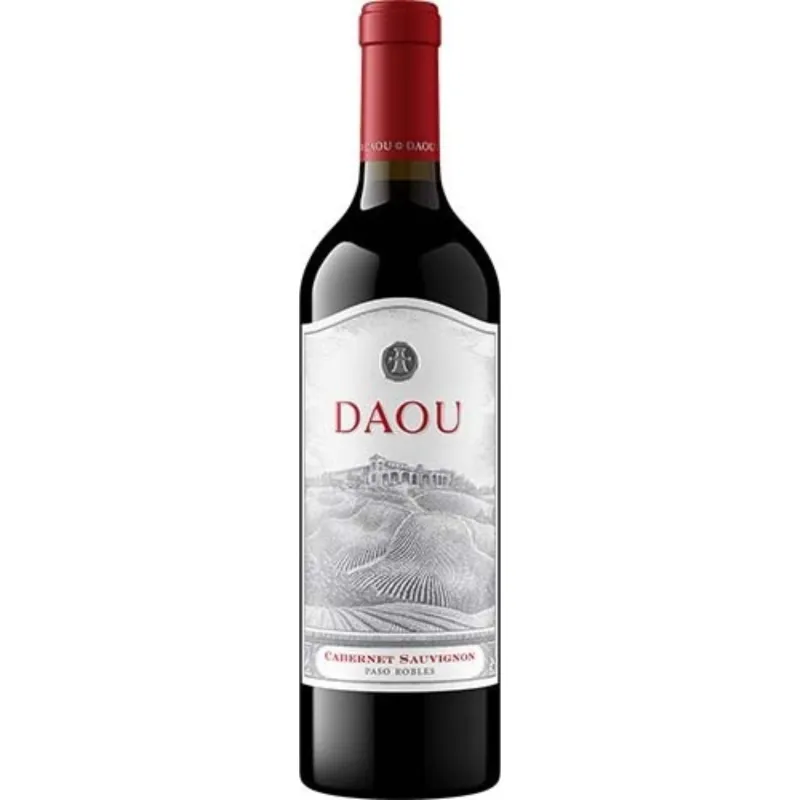
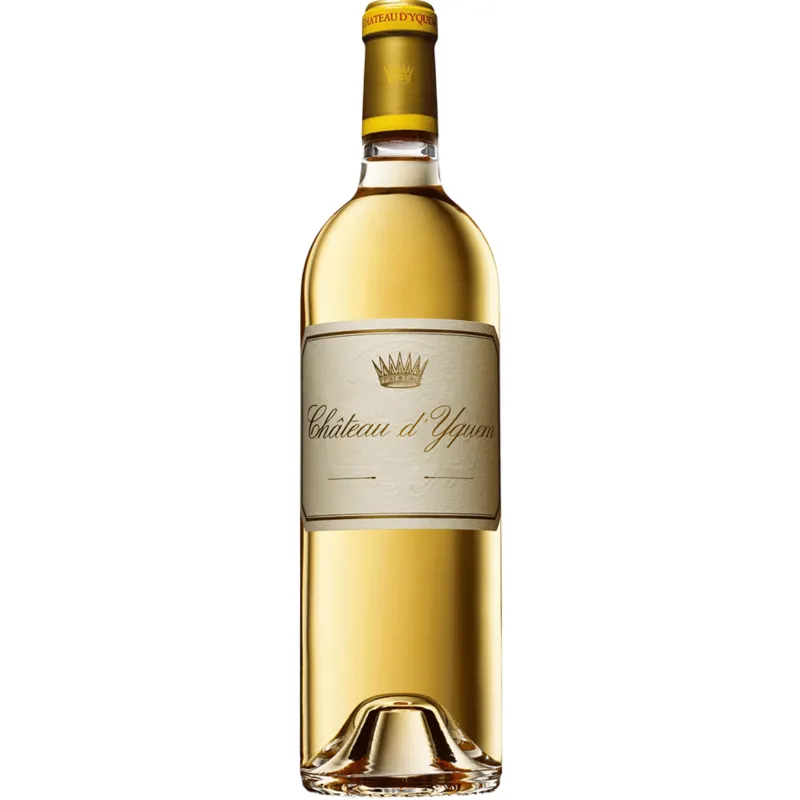
If you’re exploring alternatives to French First Growths, California produces exceptional Cabernet-based blends. Stags leap winery the leap and daou cabernet sauvignon deliver structured, age-worthy wines at a fraction of Bordeaux pricing. For special occasions beyond red wine, chateau d’yquem represents the pinnacle of Sauternes dessert wine.
Questions
Is Chateau Haut Brion better than Chateau Margaux?
Neither is objectively better; Haut-Brion offers riper fruit, earthier character, and earlier drinkability, while Margaux provides more floral elegance and finesse. Your preference depends on whether you favor power or restraint in Bordeaux.
Why is Chateau Haut Brion classified as a First Growth if it's not in the Médoc?
Haut-Brion earned First Growth status in the 1855 Classification based on exceptional quality and prestige, making it the only Graves estate included among the four Médoc First Growths. Its reputation was already unmatched by the mid-19th century.
How long should I age Chateau Haut Brion before drinking?
Age Haut-Brion for a minimum of 8-10 years, with the best vintages peaking between 15-35 years. It drinks earlier than most First Growths thanks to higher Merlot content and riper tannins.
What is the current Chateau Haut Brion price range?
Prices vary widely by vintage, ranging from several hundred dollars for recent releases to thousands for legendary years like 1961 or 1989. Check current retailer pricing for the specific vintage you want, as market conditions fluctuate.
Can I visit Chateau Haut Brion without an appointment?
No, visits require advance booking, often months ahead, and are typically limited to wine professionals and serious collectors. Contact the estate directly through their official website to request a tour.
Which Chateau Haut Brion vintages are worth buying now?
The 2009, 2010, 2016, and 2019 vintages represent outstanding quality and aging potential. For drinking sooner, consider 2005 or 2015, which are already showing beautifully but will continue to improve.
Products in this guide
 Shopping at Mr.D Wine? See the discount code
5% OFF Sitewide
Shopping at Mr.D Wine? See the discount code
5% OFF Sitewide
More in this series
 What Makes Txakoli Wine Different From Other White Wines?25 Aug 20265 minHow to Properly Store Bollinger Champagne at Home25 Aug 20264 minIs Chateau Lafite Rothschild Worth the Investment? A Collector’s Guide25 Aug 20263 minHow Long Does Chateau D’Yquem Last After Opening?25 Aug 20264 minCaymus vs Duckhorn Cabernet Sauvignon: Which Napa Cab Is Worth the Price?25 Aug 20264 min