 A Simply Cake Co guide
What Makes Proper Coffee Different From Regular Coffee Brands?
Proper coffee uses carefully sourced beans and precise roasting techniques that deliver richer flavor and aroma than mass-market alternatives.
Proper coffee uses carefully sourced beans and precise roasting techniques that deliver richer flavor and aroma than mass-market alternatives. While regular coffee brands prioritize shelf life and cost efficiency, specialty coffee focuses on origin transparency, fresher roasts, and preserving the unique characteristics of each bean. The difference shows up in every cup, from the complexity of flavor notes to the smoothness of the finish.
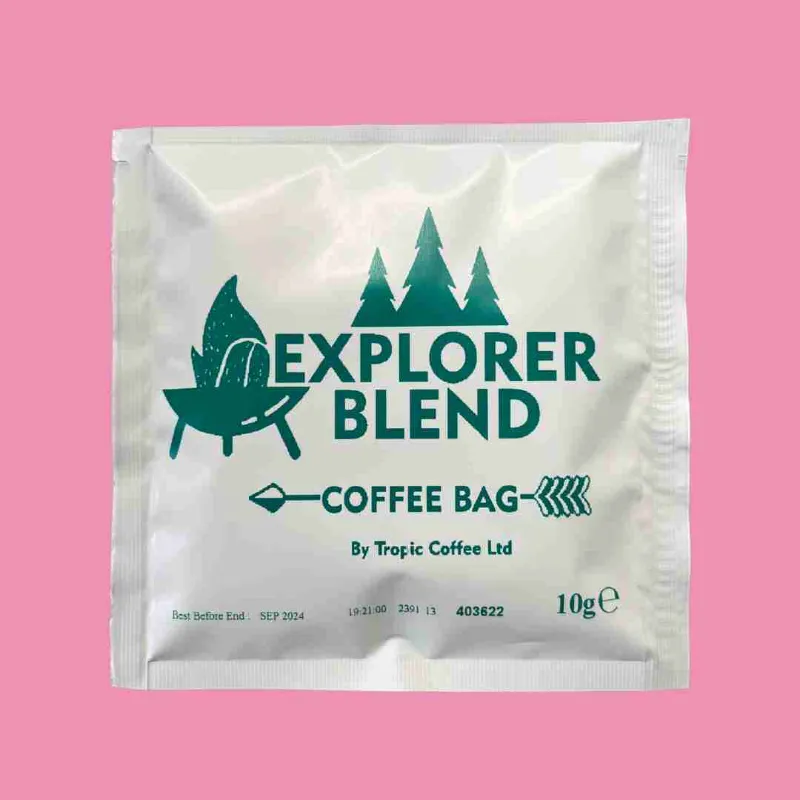
If you’re shopping for quality coffee or treats to pair with it, grab the code at Simply Cake Co for 10% off sitewide, including their proper coffee and baked goods like edible cookie dough tub.
Sourcing and Bean Quality
The proper coffee meaning starts with where and how beans are grown. Specialty roasters work directly with farms or importers who can trace beans to specific regions, estates, or even individual lots. This transparency lets roasters select beans based on altitude, processing method, and varietal, factors that shape flavor from the ground up.
Regular coffee brands typically source commodity-grade beans from multiple origins and blend them for consistency across massive production runs. These beans often come from lower altitudes, mixed varietals, and prioritize yield over flavor. The result is a one-dimensional cup that tastes the same whether it was roasted last week or six months ago.
Key differences in sourcing:
- Origin specificity: Specialty coffee lists the farm or cooperative; regular brands list only the country or “blend”
- Grade: Proper coffee roasters use Specialty Grade (80+ points on the SCA scale); mass brands use commercial grade
- Harvest timing: Small-batch roasters buy seasonally for peak ripeness; big brands stockpile for year-round supply
- Traceability: Direct trade and relationships vs. anonymous commodity exchanges
Roasting Methods and Freshness
Proper coffee roasters batch-roast in small quantities, adjusting time and temperature profiles to highlight each bean’s natural characteristics. A light roast might preserve bright acidity and floral notes from an Ethiopian coffee, while a medium roast brings out caramel sweetness in a Colombian bean. Most specialty roasters package beans within days of roasting and print the roast date on every bag.
Regular coffee brands roast in massive industrial drums designed for uniformity and speed. They often roast darker to mask inconsistencies in bean quality and extend shelf stability. By the time a bag reaches your pantry, it may be weeks or months past roast, and the volatile aromatic compounds that give coffee its complexity have already faded.
The proper coffee company approach focuses on preserving those aromatics. Fresh-roasted beans release CO2 for several days (which is why specialty bags have one-way valves), a sign that oils and flavor compounds are still intact.
Flavor Profile and Tasting Notes
When you brew proper coffee, you taste the terroir, processing, altitude, and varietal. A natural-process Ethiopian might taste like blueberries and jasmine. A washed Costa Rican could offer bright citrus and honey. These aren’t added flavors; they’re inherent to the bean when it’s grown well, processed carefully, and roasted skillfully.
Regular coffee delivers a flat, bitter, or generically “coffee” flavor. Over-roasting, stale beans, and low-grade sourcing strip away the nuance. You’ll rarely find tasting notes on a supermarket bag because there’s nothing distinct to describe.
Flavor comparison:
| Aspect | Proper Coffee | Regular Coffee |
|---|---|---|
| Complexity | Multiple tasting notes (fruit, floral, chocolate, spice) | One-dimensional, often bitter or burnt |
| Acidity | Bright, clean, pleasant | Harsh or flat |
| Aftertaste | Long, sweet, clean | Short, sometimes sour or astringent |
| Body | Varies by origin and roast | Uniform, often thin or over-extracted |
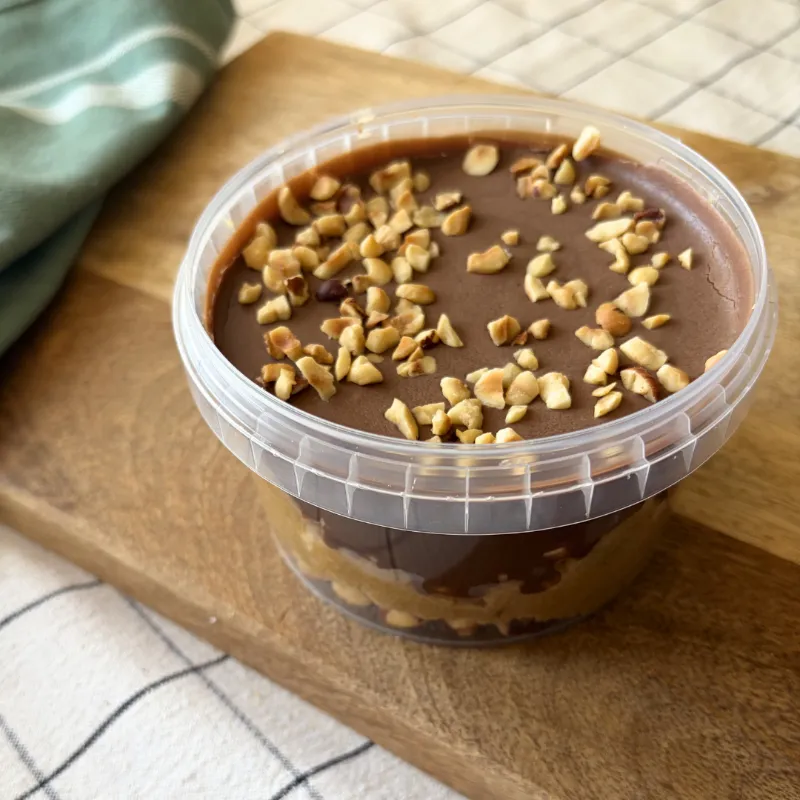
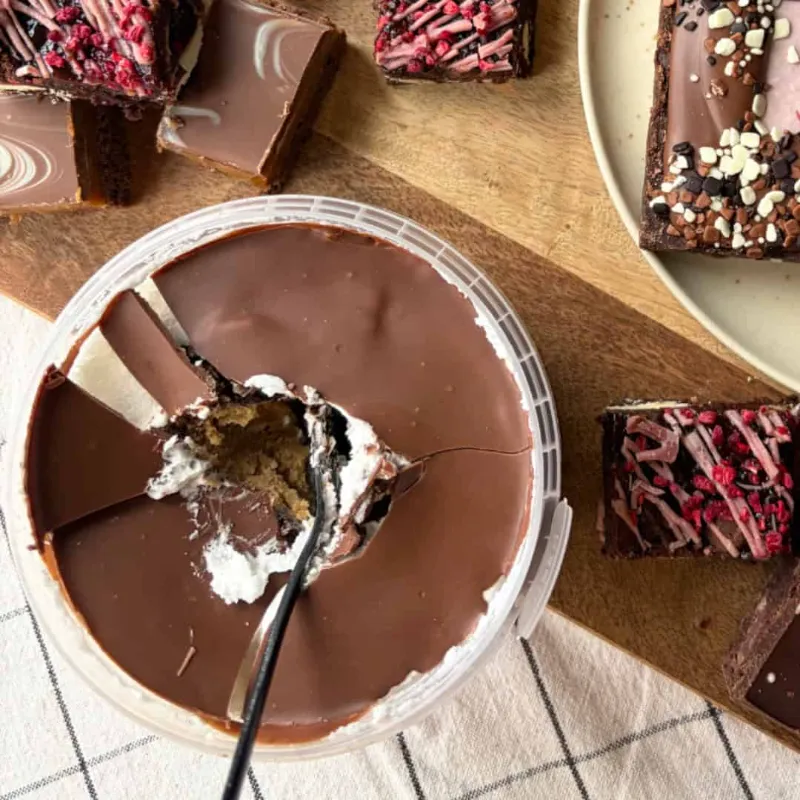
Specialty coffee also pairs beautifully with quality treats. Try a light roast alongside simply cookies or a darker roast with a brownie in a mug using brownie mix for a balanced pairing.
Brewing Quality and Consistency
Proper coffee brews consistently well across methods because the beans are evenly roasted, sized, and fresh. Whether you use a pour-over, French press, or espresso machine, you’ll extract balanced flavor without excessive bitterness or sourness. The grind matters, but the quality of the bean matters more.
Regular coffee is more forgiving in some ways (it’s hard to make it worse), but also harder to elevate. Stale or over-roasted beans produce a harsh cup no matter how precise your brew ratio or water temperature. You’re masking flaws rather than highlighting strengths.
Specialty roasters often provide brewing guides tailored to their coffees, including grind size, water temperature, and ratios. This level of detail helps you get the most from each bag. Some even list the proper coffee menu style tasting notes so you know what to expect before you brew.
Ethical Practices and Pricing
Proper coffee roasters typically pay farmers well above commodity prices, supporting sustainable farming and better wages. Direct trade, Fair Trade certification, and transparent sourcing models are common. This ethical premium shows up in the retail price, but it reflects the true cost of quality coffee that benefits growers and the environment.
Regular coffee brands operate on razor-thin margins and commodity pricing, which often squeezes farmers and incentivizes shortcuts in quality and sustainability. The low retail price looks appealing, but it doesn’t account for the hidden costs in flavor, freshness, or farmgate equity.
When you check the latest price for proper coffee at Simply Cake Co, you’re investing in a product that values every step from farm to cup. The difference in cost per cup is often less than a dollar, but the difference in experience is significant.
Who Should Choose Proper Coffee?
Specialty coffee suits anyone who wants more from their morning cup than caffeine delivery. If you enjoy tasting the difference between origins, experimenting with brew methods, or simply drinking something that tastes fresh and complex, proper coffee is worth the switch.
It’s also ideal if you:
- Drink coffee black or with minimal additions (so you can taste the nuances)
- Care about where your food and drink come from
- Want to support small roasters and ethical sourcing
- Brew at home and want to improve your results
- Appreciate craft and quality in everyday rituals
Regular coffee still has a place for large-batch brewing, workplace break rooms, or situations where convenience trumps flavor. But for daily drinking at home, the upgrade to specialty beans transforms the experience.
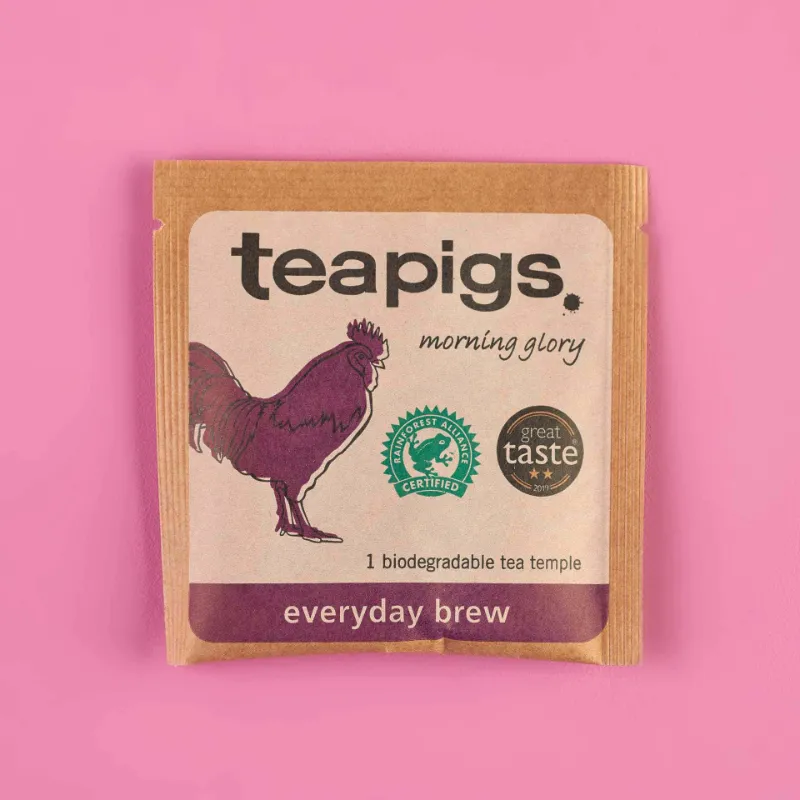
Pair your coffee ritual with quality treats like proper tea for variety or edible cookie for a sweet complement. Simply Cake Co offers a curated selection that matches the same attention to quality you’ll find in a well-roasted bag of beans from roasters like Proper Coffee Roasters, who set the standard for transparency and flavor.
The shift from regular to proper coffee doesn’t require expensive equipment or barista skills. Start with fresh beans from a local or online specialty roaster, grind just before brewing, and use clean water at the right temperature. The coffee itself does the heavy lifting when it’s sourced, roasted, and packaged with care.
Questions
What does proper coffee mean?
Proper coffee refers to specialty-grade beans that are carefully sourced, freshly roasted in small batches, and highlight the unique flavor characteristics of their origin. It prioritizes quality, traceability, and flavor complexity over mass production.
Is proper coffee worth the extra cost?
Yes, if you value flavor, freshness, and ethical sourcing. The price difference per cup is typically under a dollar, but you get significantly better taste, aroma, and support for sustainable farming practices.
How long does proper coffee stay fresh after roasting?
Specialty coffee tastes best within two to four weeks of the roast date when stored in an airtight container away from light and heat. Whole beans stay fresh longer than pre-ground coffee.
Can I brew proper coffee in a regular drip machine?
Absolutely. Fresh, high-quality beans improve any brewing method, including drip machines. Just make sure to grind the beans right before brewing and use clean, filtered water for the best results.
Where can I buy proper coffee online with a discount?
Simply Cake Co offers specialty coffee with a 10% sitewide discount code. Check their store page for the current offer and selection of freshly roasted beans.
Does proper coffee have more caffeine than regular coffee?
Not necessarily. Caffeine content depends more on the roast level and bean variety than quality grade. Lighter roasts tend to have slightly more caffeine than dark roasts, but the difference is minimal per cup.
Products in this guide


 Shopping at Simply Cake Co? See the discount code
10% OFF Sitewide
Shopping at Simply Cake Co? See the discount code
10% OFF Sitewide
More in this series
 Do Photo Brownies Taste Good or Just Look Cute?30 Jul 20264 min
 Best Easter Cookies to Buy for Spring Celebrations30 Jul 20265 minCan You Actually Make Brownies in a Mug Using Brownie Mix?30 Jul 20264 minSimply Cookies vs Edible Cookie: Which Pre-Made Cookie Is Worth Buying?30 Jul 20263 minHow Long Does Edible Cookie Dough Tub Stay Fresh After Opening?30 Jul 20264 min