 A Lygfzf guide
Do Magnetic Screen Doors Really Stay Closed?
A magnetic screen door uses magnets to close itself, but whether it stays closed depends on closure strength, installation, and wind exposure.
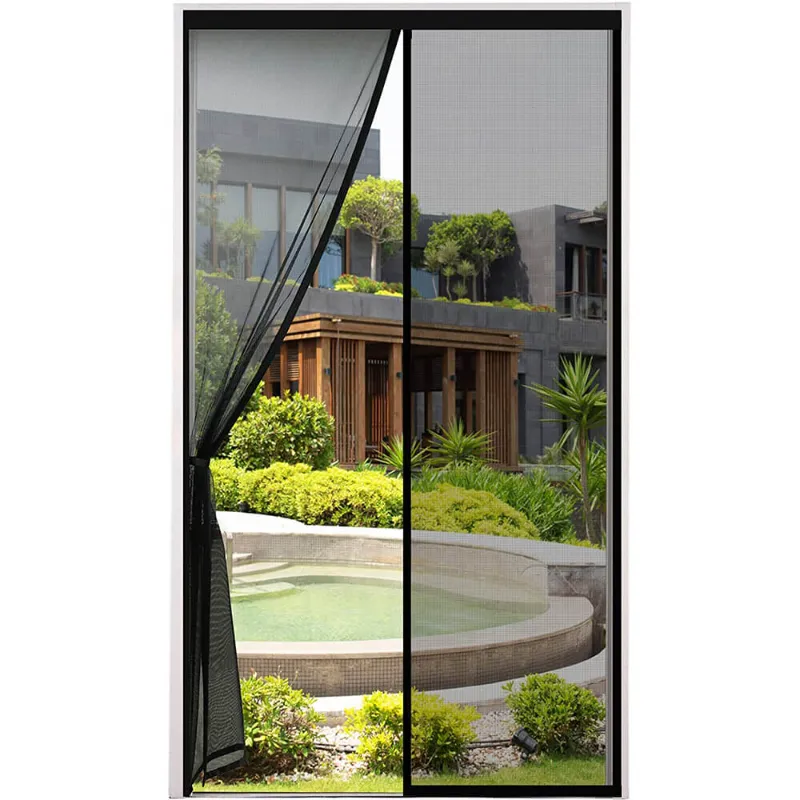
A magnetic screen door uses magnets to close itself, but whether it stays closed depends on closure strength, installation, and wind exposure. Some magnetic doors seal reliably for years; others start sagging or fail to latch properly within months.
How a Magnetic Screen Door Stays Closed
The core mechanism is straightforward: magnets embedded in the frame attract to magnets in the door, pulling it shut when you walk through. The strength of these magnets determines closure reliability. A heavy duty magnetic screen door typically uses neodymium magnets rated between 2 to 5 pounds of holding force per contact point. Most doors have two to four contact points along the edges.
The real test is how well those magnets work after months of use. Installation also matters: if the door isn’t aligned properly, the magnets miss their target and the door won’t close completely.
Installation Makes or Breaks Performance
A best magnetic screen door installed crooked won’t close reliably no matter how strong the magnets are. The frame must be plumb (perfectly vertical), level, and square. If it’s off by even a quarter-inch, the door may not align with the magnets on the frame.
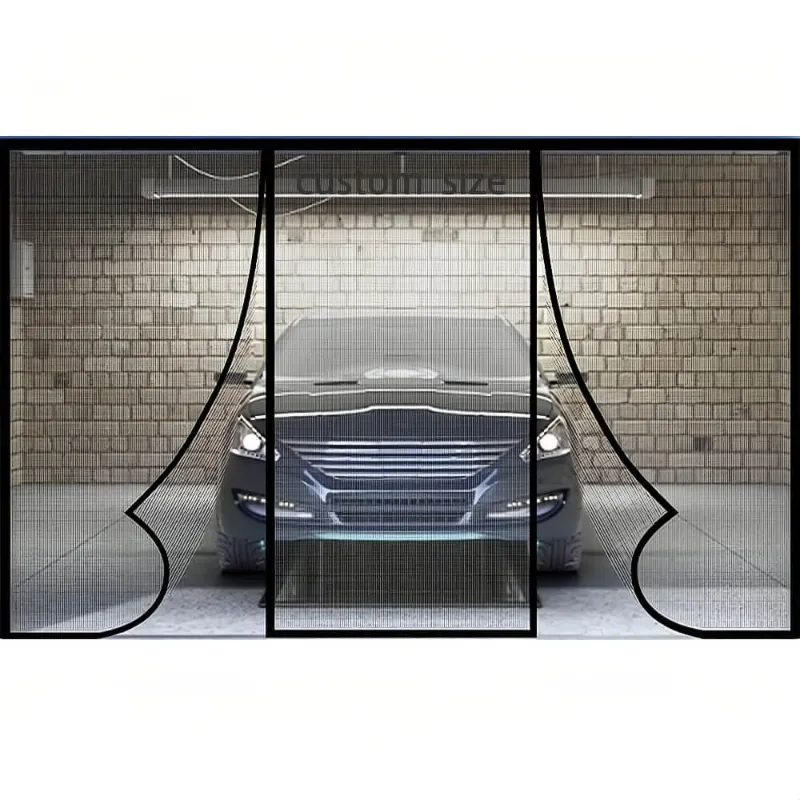
When installing a magnetic screen door, measure diagonals of your doorway to confirm squareness. Most kits come with shims to adjust for slight frame imperfections. Take time here. If your doorway is significantly out of square, a custom retractable screen door or garage door screen kit may be a better fit since they use different closure mechanics.
Wind and Outdoor Conditions
Wind is the main enemy of magnetic closure. In calm indoor conditions, even a weak magnetic screen door stays closed. Outdoors, breezy afternoons can defeat weak magnets entirely.
If you live in a windy area or want a door for an exterior patio, prioritize models with multiple contact points and higher magnetic ratings. A garage door screen or roll up garage door screen might actually suit you better if your main concern is weather durability, since those designs don’t rely on magnetic closure alone.
Sagging and Long-Term Durability
Over time, hinges stretch and frames settle, causing doors to sag. A sagging door sits lower than it did on day one, so the magnets on the top no longer align. Reinforced frames help a door hold its alignment, though some settling is normal.
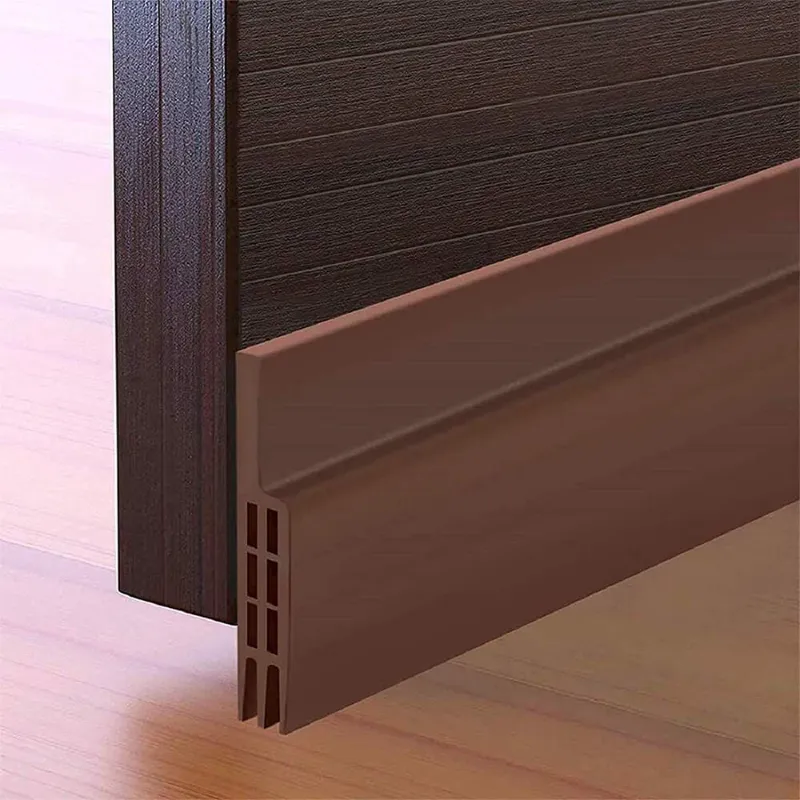
To maintain closure over years, check alignment every 6 months. Tighten hinge bolts and adjust shims if the door has dropped. If sagging becomes severe, you may need to reposition the magnetic strike plate on the frame slightly higher. For permanent outdoor installations where durability is critical, a garage door draft stopper or door insulation blanket offers passive closure that doesn’t rely on moving parts.
Materials and Closure Strength
The materials used in the frame and door panel affect how well a magnetic screen door performs. Aluminum frames are lighter and cheaper but flex more under pressure, which can throw magnets out of alignment. Steel frames stay rigid longer but cost more and add weight. The mesh material itself doesn’t affect closure strength, though thicker, tighter mesh provides better insect protection.
Magnets themselves vary in quality. Neodymium magnets rated for outdoor use (rubidium-coated) resist corrosion better than bare magnets and maintain holding force longer. Cheaper doors sometimes use lower-grade magnets that lose strength as they age. Check product reviews on Consumer Reports and Bob Vila before buying to see real user experience over time.
Who Should Buy a Magnetic Screen Door
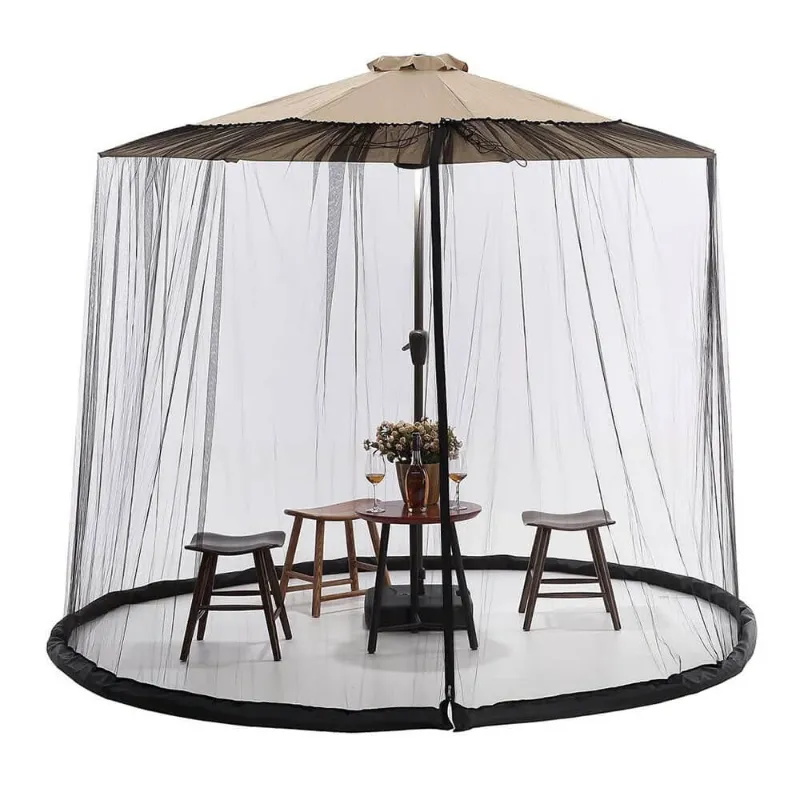
A magnetic screen door works best for calm, indoor-facing doorways where you want convenience and easy passage. If your door faces high traffic (kids and pets pushing through constantly), the magnets can wear faster. For garage entries, a garage door screen kit is often more practical. For patios with frequent wind exposure, a custom retractable screen door or patio umbrella insect screen may outperform magnetic closure.
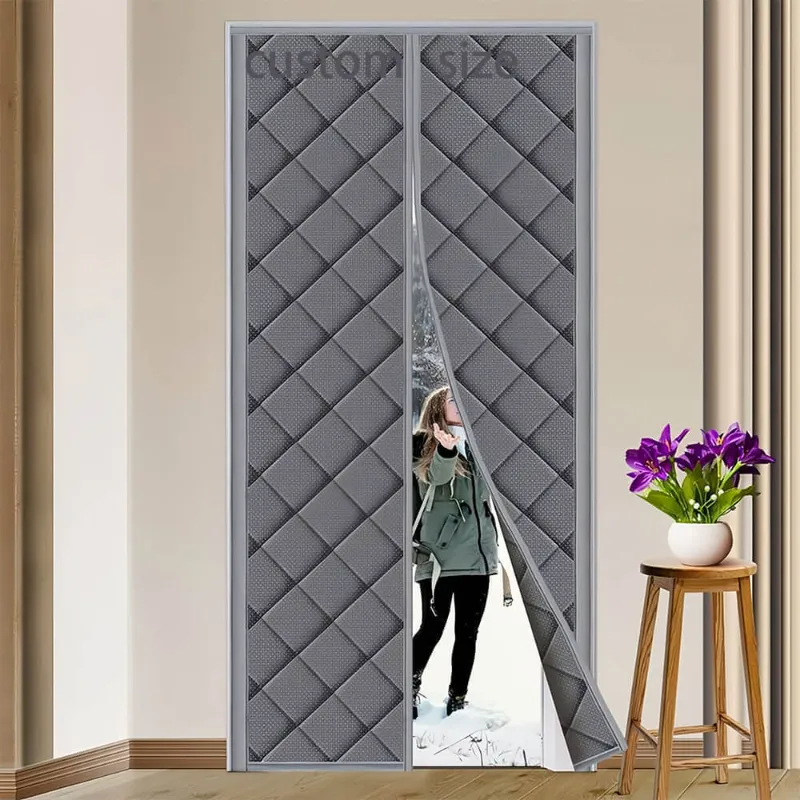
For standard residential entry doors, front porches, and interior passages, a heavy duty magnetic model is a solid choice if installed carefully. If you’re also concerned with insulation and air sealing, pairing a thermal insulated door curtain or door insulation blanket with your screen can block drafts while the screen keeps bugs out.
Getting the Right Model for Your Space
Start by measuring your doorway opening and checking whether your frame is plumb. If you’re uncertain about frame condition, a contractor can assess it in minutes. Next, assess your climate: do you face strong prevailing winds? Is the door in direct sun year-round (which can degrade magnets)? Are there pets and frequent foot traffic?
Visit Lygfzf’s discount code page to compare current prices and grab 15% off all orders. Read reviews on Houzz and other community forums to hear from homeowners in your region about what works in your climate. A magnetic screen door really does stay closed under the right conditions, but those conditions matter more than the marketing claims suggest.
Questions
Do magnetic screen doors work in wind?
Wind is the main thing that pushes a magnetic screen door open. Stronger magnets with more contact points perform better, but wind resistance depends on installation quality and climate exposure.
How long do magnetic screen doors last?
How long a magnetic screen door lasts depends on installation, climate, material quality, and foot traffic. Steel frames and corrosion-resistant magnets help it hold alignment.
Can I install a magnetic screen door myself?
Yes, but proper installation is critical to performance. Your doorway frame must be plumb, level, and square. Spend time measuring diagonals and using shims to adjust for frame imperfections.
What's the difference between a heavy duty magnetic screen door and a standard one?
Heavy duty models use stronger neodymium magnets (4-5 lbs holding force), more contact points (typically 4 instead of 2), and reinforced frames that resist sagging. They cost more upfront but hold alignment longer in challenging conditions.
Should I use a magnetic screen door or a garage door screen?
A magnetic screen door is best for residential entry doors and interior passages. A garage door screen or roll up garage door screen works better for garage entries where durability and different closure mechanics matter more than magnetic convenience.
Why won't my magnetic screen door stay closed?
The most common cause is frame misalignment during installation or sagging over time. Check that the door is plumb and that hinges are tight. If the door has dropped, adjust the magnetic strike plate or shims. Weak magnets or poor-quality materials also affect closure reliability.
Products in this guide
 Shopping at Lygfzf? See the discount code
15% OFF All Orders
Shopping at Lygfzf? See the discount code
15% OFF All Orders
More in this series
Best Way to Protect Your Patio Umbrella from Insects Without Damage28 Aug 20264 minWhy Your Garage Door Draft Stopper Isn’t Working and How to Fix It28 Aug 20265 min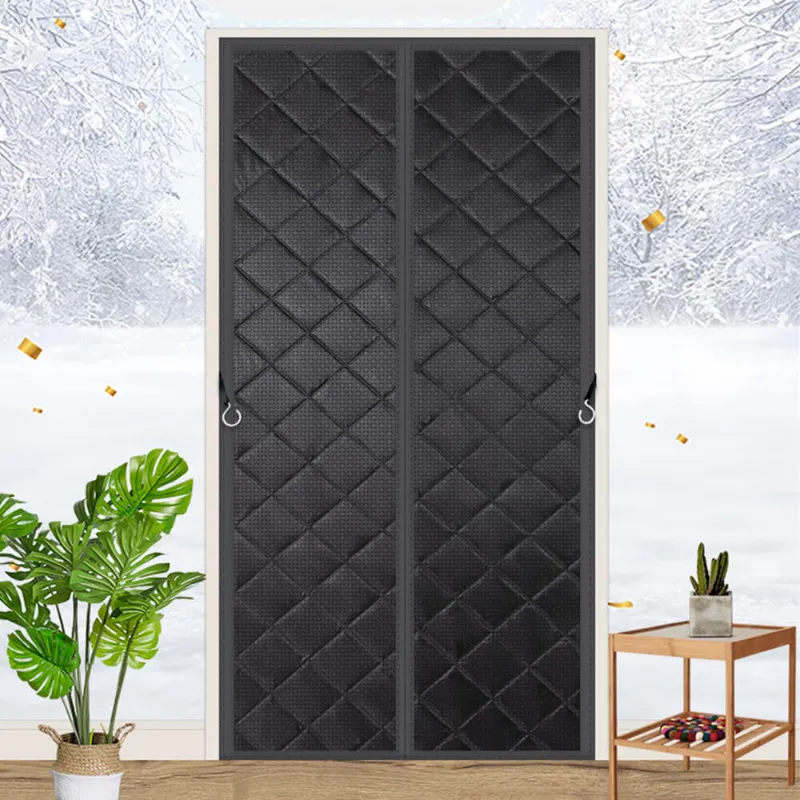 Thermal Insulated Door Curtain vs. Door Blanket: Stop Cold Air Leaks28 Aug 20263 minGarage Door Screen vs. Roll Up Garage Door Screen: Which Lasts Longer28 Aug 20264 minHow to Keep Bugs Out of Your Patio: Screen Door and Umbrella Solutions28 Aug 20264 min