 A Lygfzf guide
Garage Door Screen vs. Roll Up Garage Door Screen: Which Lasts Longer
A roll up garage door screen typically outlasts fixed models by 5+ years because the retractable design reduces wear, UV exposure, and wind stress on the mesh.
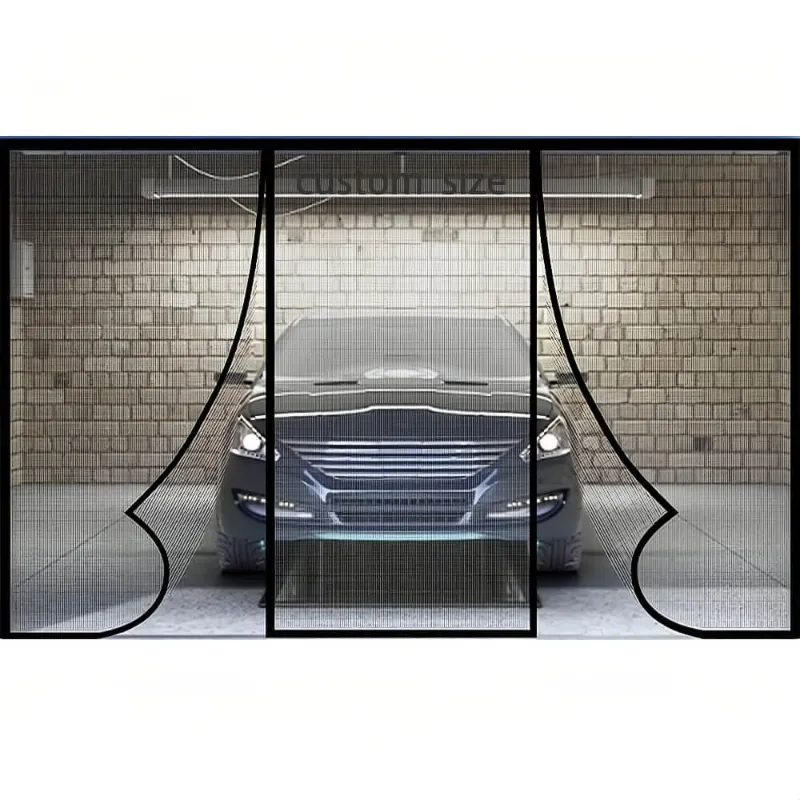
A roll up garage door screen typically outlasts fixed models by 5 or more years because the retractable design reduces wear, UV exposure, and wind stress on the mesh.
Durability: Roll Up vs. Fixed Garage Door Screen
The core difference comes down to exposure. A fixed garage door screen stays deployed year-round, facing constant sun, wind, insects, and temperature swings. A roll up garage door screen gets rolled up when not in use, sheltering the mesh from the elements.
Fixed screens typically last 3 to 5 years before the mesh degrades, tears, or loses its ability to seal. The frame can warp from thermal cycling. Retractable models extend that to 7 to 10 years because you control exposure and can store them during harsh seasons.
Material matters more than you’d think. Aluminum or fiberglass frames resist rust and warping better than plastic. Mesh made from vinyl-coated polyester holds up longer than bare fiberglass, especially in sun-heavy climates.
Fixed Garage Door Screen: Durability Trade-offs
A fixed garage door screen is simple, affordable, and requires no maintenance routine. But “set and forget” comes at a cost.
- Mesh degrades faster from continuous UV exposure
- Wind loads stress frame joints, causing separation or bending
- Pollen and debris buildup clogs the mesh, reducing visibility and flow
- Winter temperature swings can crack frames or pop seals
- Repairs mean removing or replacing the entire screen
A basic fixed screen costs less upfront but may need replacement sooner. If your garage faces south or sits in a hot climate, sun damage accelerates the timeline. Grab the code for 15% off when you shop Lygfzf.
Roll Up Garage Door Screen: Longer Lifespan
A roll up garage door screen retracts into a cassette or box at the top of the frame, protecting the mesh when not deployed. This design adds years to screen life.
- Mesh stays shaded when rolled, slowing UV degradation
- No wind load on the mesh during storms or off-season storage
- Easy to deploy only when you need airflow or bug protection
- Simple repairs: you can often replace just the mesh
- Works well for lifestyle adjustments (open in summer, close in winter)
Motorized retractable models offer convenience, while manual versions save cost. For DIY retractable garage door screen projects, custom retractable screen door kits include frame, mesh, and mounting hardware. These tend to last longer than retrofit fixed screens and preserve the look of your garage door.
Comparison: Lifespan and Performance
| Feature | Fixed Screen | Roll Up Screen |
|---|---|---|
| Typical lifespan | 3 to 5 years | 7 to 10 years |
| UV exposure | Continuous | Minimal when stored |
| Wind durability | Moderate (stresses frame) | High (mesh protected) |
| Maintenance | Low but reactive | Moderate but preventive |
| Repair cost | Often full replacement | Often mesh-only |
| Upfront cost | Lower | Higher |
Roll up models cost 40 to 60 percent more initially but pay for themselves in longevity and reduced replacement cycles. A garage door screen kit bundles everything for easy installation and provides a middle ground between budget and performance.
Material Breakdown: What Actually Lasts
Mesh material is the first thing to fail. Bare fiberglass can splinter and degrade within 2 to 3 years. Vinyl-coated polyester resists UV and moisture better, extending life to 5 to 7 years in a fixed setup or 8 to 10 in a retractable one.
Frame durability depends on construction. Aluminum frames resist rust and warping far better than vinyl or plastic. Steel frames are durable but can rust without powder coating. Check the frame material when comparing roll up garage door screen options.
Sealing and weatherstripping degrade fastest in fixed screens. Sun and temperature swings harden rubber strips, causing gaps that let insects and dust in. Retractable designs preserve seals by storing them indoors or in shade.
When to Choose Each Type
A fixed garage door screen makes sense if you plan short-term use, have a protected garage opening (shaded porch or covered entry), or just want a budget option. It’s also fine for seasonal garages that close for winter.
A roll up garage door screen is worth the extra cost if you want long-term durability, live in a harsh climate, or use your garage as a transition space (patio, workshop, or outdoor entertaining). Manual retractable models suit DIY installers; motorized versions offer hands-free convenience.
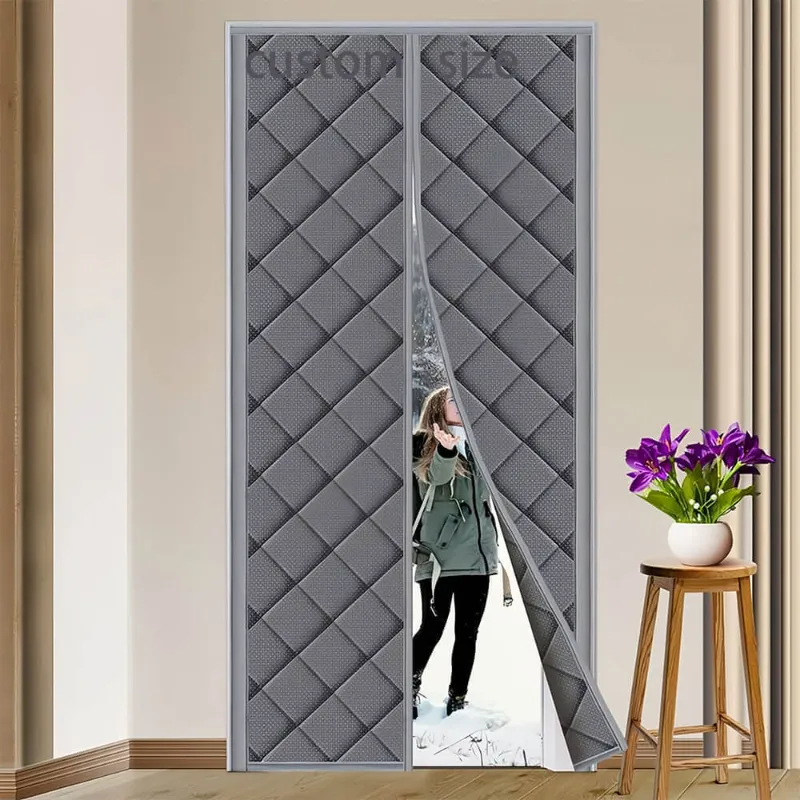
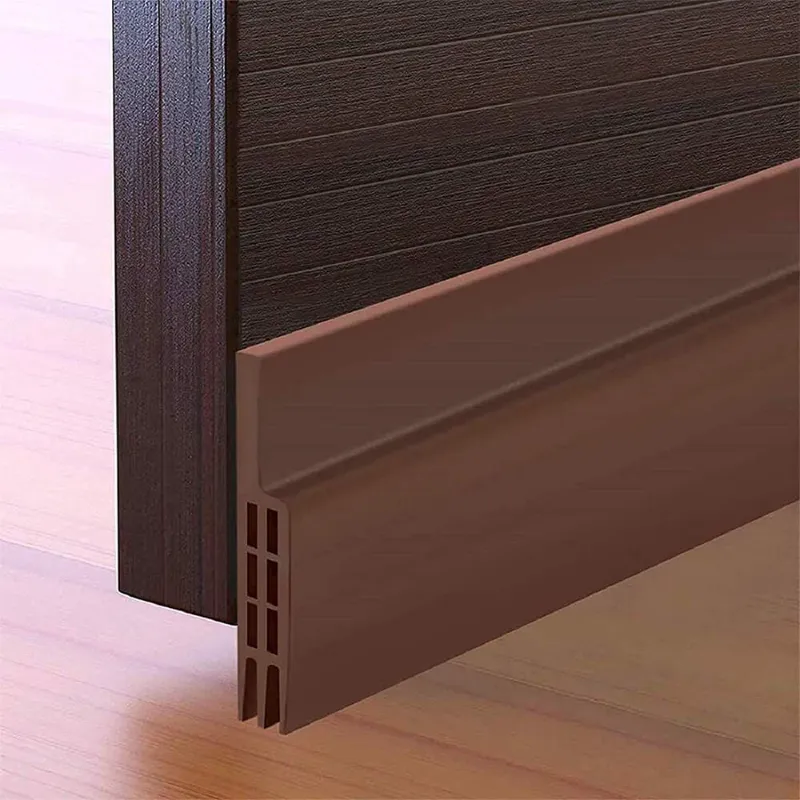
For added durability, pair your screen with a door insulation blanket or garage door draft stopper to protect the frame from temperature extremes and reduce the workload on seals.
Installation and Long-Term Care
Fixed screens mount once and need minimal upkeep, just brush debris and rinse the mesh annually. Retractable models need occasional track cleaning and lube to keep the rolling mechanism smooth.
If you’re building a DIY retractable garage door screen, reinforce joints and test the rolling action before final fastening. Poor installation cuts lifespan significantly. Custom retractable screen door kits come with detailed guides to avoid common mistakes.
A well-installed roll up model can outlast two fixed screens over the same period, making the total cost of ownership comparable or lower. Check the latest price and current offer on Lygfzf to compare options in your budget.
Questions
How long does a roll up garage door screen typically last?
A roll up garage door screen usually lasts 7 to 10 years because the retractable design protects the mesh from UV exposure, wind, and temperature swings when not in use. A fixed screen lasts 3 to 5 years by comparison.
Can I repair just the mesh on a roll up garage door screen?
Yes, most retractable models let you replace just the mesh without replacing the frame. This saves money and extends the screen's life even further.
What material lasts longest for garage door screens?
Aluminum frames with vinyl-coated polyester mesh last longest. Aluminum resists rust and warping, while vinyl coating protects the mesh from UV damage.
Is a motorized retractable garage door screen worth the extra cost?
It depends on convenience. Manual retractable models are cheaper but require rolling up by hand. Motorized versions cost more but offer hands-free control, which some users find worth it for frequent use.
Do I need to cover my garage door screen in winter?
A fixed screen should be removed or covered to protect it from freeze-thaw damage. A roll up garage door screen handles this automatically by retracting, which is one reason retractable models last longer.
Where can I find a reliable garage door screen kit?
Look for kits that include aluminum frames and vinyl-coated mesh. A garage door screen kit typically saves money over buying parts separately and includes mounting hardware.
Products in this guide
 Shopping at Lygfzf? See the discount code
15% OFF All Orders
Shopping at Lygfzf? See the discount code
15% OFF All Orders
More in this series
 Best Way to Protect Your Patio Umbrella from Insects Without Damage28 Aug 20264 minWhy Your Garage Door Draft Stopper Isn’t Working and How to Fix It28 Aug 20265 min
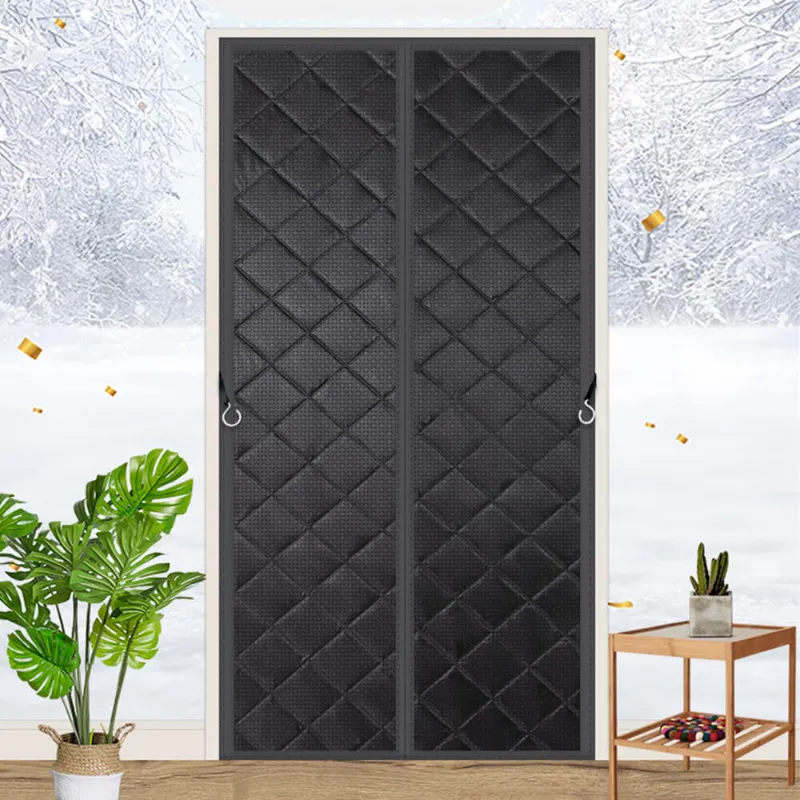 Thermal Insulated Door Curtain vs. Door Blanket: Stop Cold Air Leaks28 Aug 20263 min
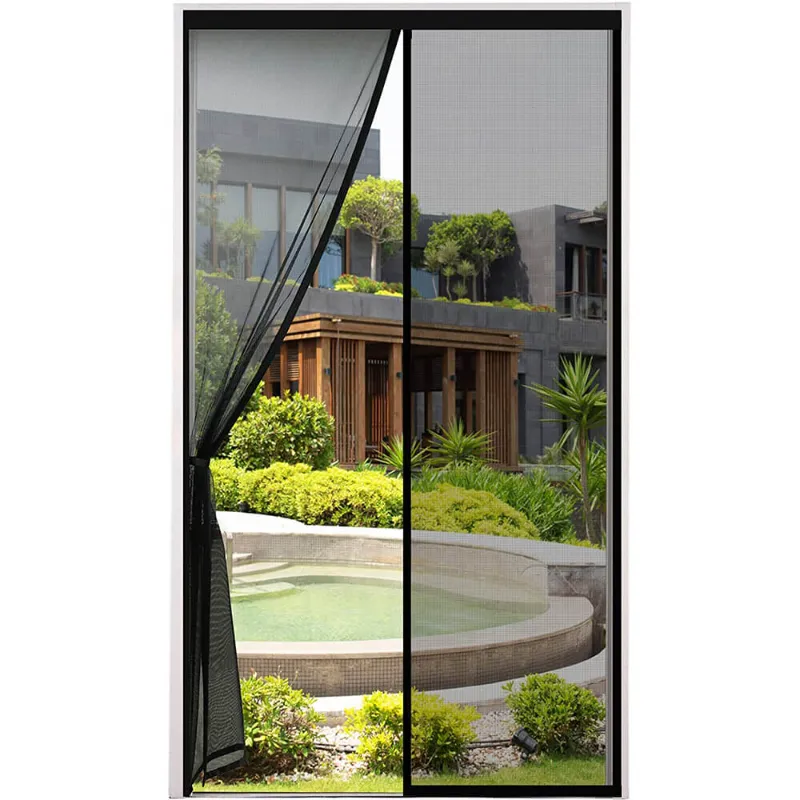 Do Magnetic Screen Doors Really Stay Closed?28 Aug 20264 minHow to Keep Bugs Out of Your Patio: Screen Door and Umbrella Solutions28 Aug 20264 min