 A Bavaria Trachten guide
What to Look for When Buying a German Beer Stein: Glass vs Ceramic vs Stoneware
A german oktoberfest stein should match your drinking style, display preference, and budget, with material choice driving durability, temperature retention, and authenticity.
A german oktoberfest stein comes in three main materials: glass for visibility and tradition, ceramic for decorative detail, and stoneware for durability and temperature control. Each material serves different needs, from casual drinking to collector-grade display, and understanding the trade-offs helps you choose the right vessel for your Oktoberfest celebration or home bar.
Material Comparison: Glass vs Ceramic vs Stoneware Steins
The material determines weight, insulation, and whether you’ll actually drink from it or display it on a shelf.
| Material | Best For | Durability | Insulation |
|---|---|---|---|
| Glass | Daily drinking, traditional look | Moderate (chips easily) | None |
| Ceramic | Decorative display, hand-painted designs | Low (fragile) | Minimal |
| Stoneware | Authentic beer halls, collectors | High (impact-resistant) | Excellent |
Glass steins are the most common at actual Oktoberfest tents in Munich. They’re affordable, show the beer color and carbonation, and feel lighter in hand during long drinking sessions. The downside is temperature: your beer warms quickly, and condensation makes the exterior slippery. Look for thick glass (at least 3mm) and a sturdy handle joint, the two most common failure points.
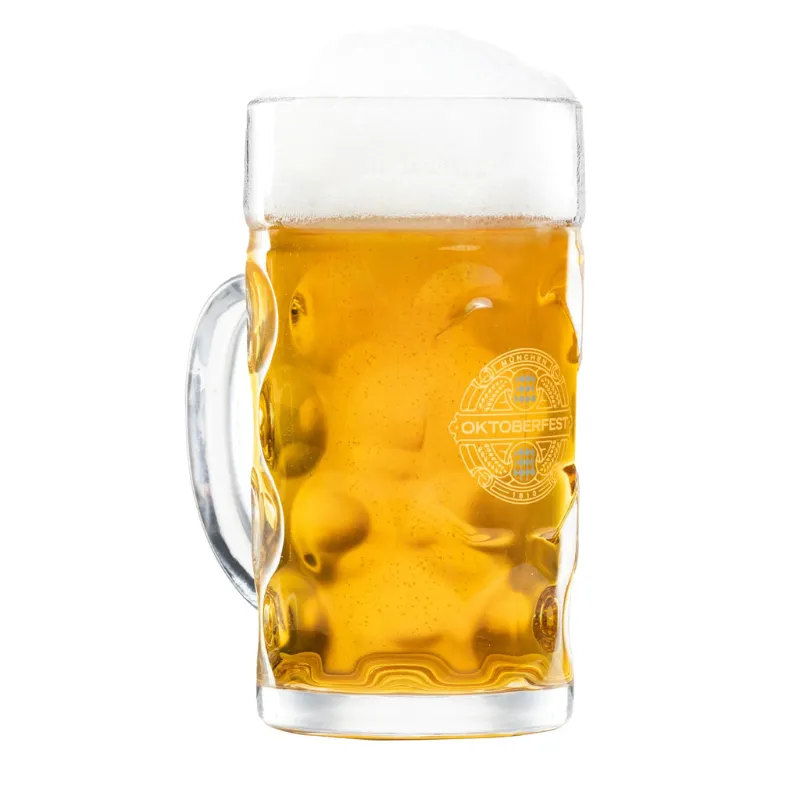
Ceramic steins prioritize decoration over function. They feature hand-painted Bavarian scenes, raised relief designs, and ornate lids with pewter thumblifts. Most people buy these as german oktoberfest stein collectibles rather than drinking vessels. Ceramic chips and cracks under regular use, and the glaze can degrade in a dishwasher.
Stoneware steins are the traditional German standard. Salt-glazed stoneware keeps beer cold for 30+ minutes, handles daily use without chipping, and develops a patina over time. Authentic German stoneware weighs significantly more than ceramic, a key authenticity test. These are the steins serious collectors hunt for at estate sales and German import shops.
Authenticity Markers Worth Paying For
Not every stein labeled “German” comes from Germany, and the country of origin affects both quality and resale value.
Look for these authenticity indicators:
- “Made in Germany” or “Hergestellt in Deutschland” stamp on the bottom (required by German trade law since 1887)
- Capacity mark in liters (0.5L or 1L) with an official calibration line, used in beer halls to ensure legal pours
- Manufacturer marks such as Thewalt, King-Werk, or Gerz (established German producers)
- Pewter lid with hallmark showing tin content percentage (95% or higher for quality lids)
- Hand-painted vs transfer decal: run your finger over the design; hand-painted work has texture and slight irregularities
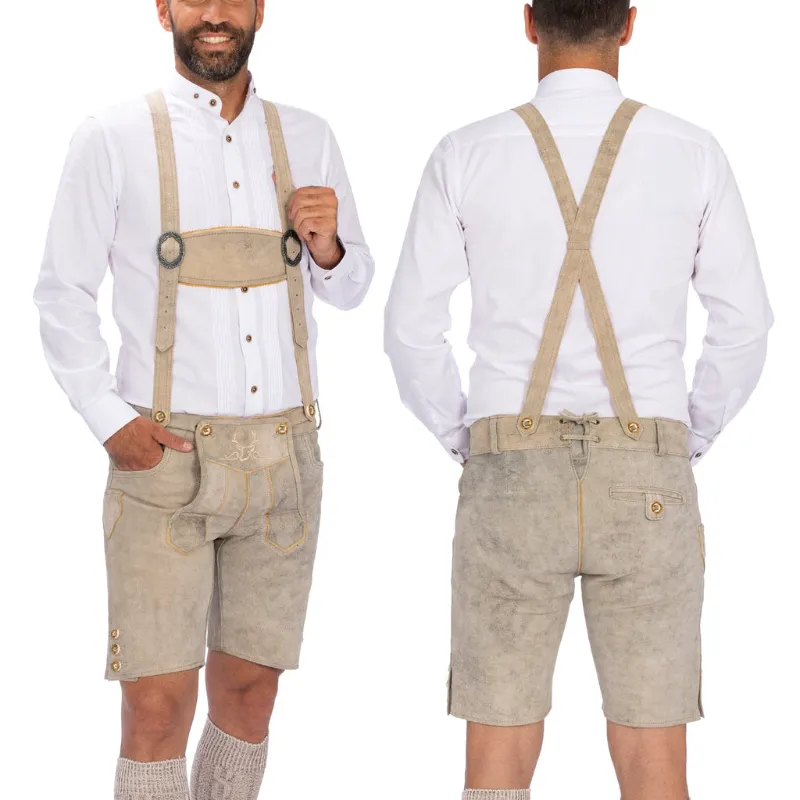
Mass-produced steins from Asia often mimic Bavarian imagery but use lightweight materials, printed decals, and lack the legal capacity marks. They work fine for themed parties alongside your lederhosen oktoberfest outfit, but they won’t hold value or survive years of use.
If you’re investing in an authentic piece, check the latest pricing from specialty retailers who vet their German imports.
Lid vs Lidless: Function and Tradition
The iconic hinged lid originally kept flies and debris out of outdoor beer gardens. Today it serves three purposes: authenticity signaling, temperature retention, and collector appeal.
Lidded steins add 30 to 50 percent to the cost but improve insulation and look more traditional on display. The pewter lid and thumblift become focal points for engraving (names, dates, regiment insignia). However, lids add weight and require two-handed operation, making them impractical for casual drinking.
Lidless steins are lighter, easier to clean, and what most people actually use at Oktoberfest festivals today. An oktoberfest beer stein without a lid still delivers the full experience if the material and craftsmanship meet your standards.
For display collections, lids are non-negotiable. For drinking with your men’s oktoberfest attire at home parties, skip the lid and save the money.
Size and Ergonomics: What Actually Feels Comfortable
Traditional German beer steins range from 0.3L (about 10 oz) to 1L (34 oz), with 0.5L the standard Oktoberfest pour.
0.5L steins balance capacity and weight. Filled, they weigh roughly two pounds, manageable for extended toasts and drinking songs. The handle accommodates most hand sizes, and the center of gravity sits low enough to avoid wrist strain.
1L steins are impressive but exhausting. Filled, they exceed four pounds, and the handle spread forces a full-hand grip. Most people display these rather than drink from them. If you do want a 1L drinker, stoneware distributes weight better than ceramic.
0.3L steins work for lower-alcohol beers, mixed drinks, or as a starter stein for younger enthusiasts. They’re rare in the U.S. market but common in German homes.
Test the handle before buying. The opening should fit four fingers comfortably, and the handle base should sit low enough that your pinky doesn’t hang off the bottom. Poorly designed handles transfer all the weight to your thumb and forefinger, causing fatigue.
Care and Longevity: Keeping Your Stein Festival-Ready
Material determines care requirements, and improper cleaning destroys decorative steins faster than years of use.
Glass steins tolerate dishwashers on the top rack but develop cloudiness over time from detergent etching. Hand-wash with warm water and mild soap, then air-dry upside down to prevent water spots. Avoid thermal shock: don’t pour cold beer into a hot glass fresh from the dishwasher.
Ceramic and stoneware require hand-washing only. Dishwasher heat cracks the glaze, and detergent fades hand-painted designs. Use a soft sponge, never abrasive pads. For stubborn beer residue, soak in warm water with a tablespoon of baking soda for 20 minutes.
Pewter lids tarnish naturally and should not be polished aggressively. Occasional buffing with a dedicated pewter cloth maintains the shine, but many collectors prefer the aged patina. Remove the lid before washing the stein body to prevent water from pooling in the hinge mechanism.
Store steins upright in a cabinet away from direct sunlight, which fades painted designs. If displaying on open shelves, dust monthly with a dry microfiber cloth.
An authentic german oktoberfest stein maintained properly lasts decades and appreciates in value, especially limited-edition commemorative releases.
Where to Buy and What to Spend
Expect to pay different rates based on authenticity and material. Budget oktoberfest glass options start around $15 to $25 for functional drinking vessels, while authentic German stoneware with lids runs $60 to $150. Hand-painted limited editions and antique steins command significantly more.
We recommend buying from specialty importers who source directly from German manufacturers rather than generic party supply stores. You’ll pay slightly more upfront but receive authenticity and better construction. Grab the current discount code to save on your order, especially if you’re outfitting an entire Oktoberfest party with drinkware and traditional attire.
Avoid steins priced suspiciously low for their claimed origin. A “German stoneware stein with pewter lid” for $20 is almost certainly a knockoff. The raw materials alone cost more than that at wholesale.
For display collections, prioritize manufacturer reputation and limited-edition status. For drinking, prioritize handle ergonomics and material durability over decorative complexity.
Products in this guide
Shopping at Bavaria Trachten? See the discount code
10% OFF All Orders
More in this series
 Do Leather Shorts Work as Everyday Wear or Are They Only for Oktoberfest?20 Aug 20264 minComplete Men’s Oktoberfest Attire Guide: Lederhosen, Tyrolean Hat, and Essential Accessories20 Aug 20264 minHow Long Do Authentic Lederhosen Last With Regular Wear?20 Aug 20264 min
 Dirndl Dress vs Lederhosen: Which Traditional Outfit Should You Wear to Oktoberfest?20 Aug 20265 minHow to Break In and Soften New Lederhosen Without Damaging the Leather20 Aug 20264 min