 A Buzio guide
How Long Does a Borosilicate Glass Tumbler Last Compared to Plastic or Stainless Steel?
A borosilicate glass tumbler with lid and straw can last 10 to 20 years or more with proper handling, significantly outlasting plastic bottles while matching the longevity of stainless steel.
How Long Does a Borosilicate Glass Tumbler With Lid and Straw Actually Last?
A borosilicate glass tumbler with lid and straw typically lasts 10 to 20 years or longer with proper care, far exceeding the 1 to 3 year lifespan of most plastic bottles and matching the durability of quality stainless steel options. The key difference lies in how each material degrades over time and how well it maintains its original performance.
Material Durability: Glass vs Plastic vs Stainless Steel
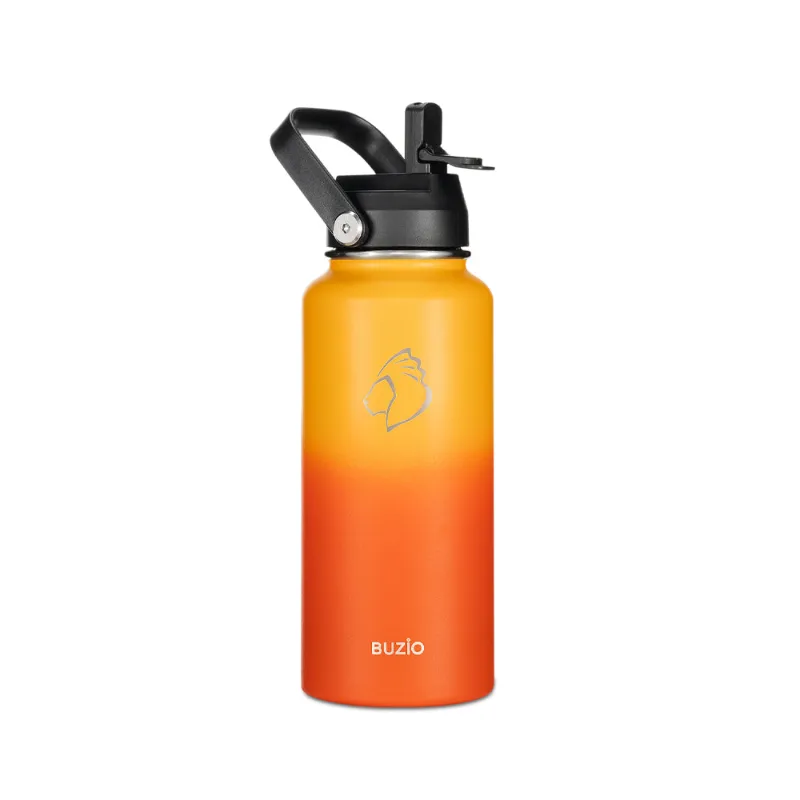
When we compare reusable water bottles across materials, the longevity story becomes clear. Borosilicate glass resists thermal shock, chemical corrosion, and scratching better than standard soda-lime glass, which is why premium tumblers use it. Plastic bottles degrade from UV exposure, dishwasher heat, and repeated flexing, leading to cracks, cloudiness, and eventual failure. Stainless steel offers comparable longevity to borosilicate glass but can dent, and lower-quality versions may develop rust spots or coating damage.
Borosilicate glass advantages:
- Non-porous surface never absorbs flavors or odors
- Resists scratches that harbor bacteria
- Maintains clarity and appearance for decades
- Withstands temperature changes from -20°C to 150°C without cracking
- No chemical leaching, even with hot liquids
Plastic limitations:
- Degrades from dishwasher heat and sunlight
- Develops scratches that trap bacteria and cause cloudiness
- Can leach chemicals over time, especially when heated
- Retains flavors and odors from previous drinks
- Typical lifespan of 1 to 3 years with daily use
Stainless steel considerations:
- Durable but prone to dents that affect aesthetics
- Quality varies widely; cheap versions rust or peel
- Can retain metallic taste with certain beverages
- Opaque design means you cannot see liquid level or cleanliness
- Comparable 10 to 20 year lifespan with proper care
What Actually Breaks First in a Glass Tumbler
The borosilicate glass itself rarely fails. When tumblers do fail, it is almost always the lid, straw, or seal that wears out first. Silicone seals can lose elasticity after 3 to 5 years of daily use, especially if exposed to extreme heat or harsh detergents. Straws may crack at the bend points or develop stains. Lids with moving parts like flip tops or sliding closures can break or lose their spring tension.
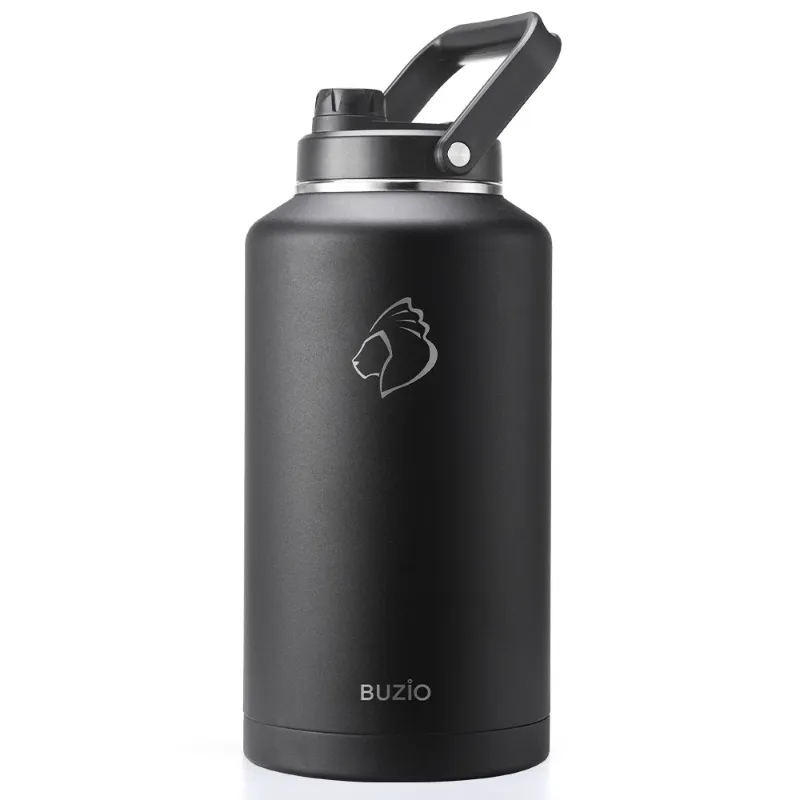
We recommend inspecting seals every six months and replacing them when they feel sticky, brittle, or no longer create a tight seal. Many manufacturers sell replacement lids and straws separately, extending the overall life of your tumbler. With a buzio water bottle or similar quality option, the glass body often outlives two or three sets of accessories.
Size and Use Patterns Affect Longevity
Larger capacity options like a 64 oz water bottle or 128 oz water bottle experience different wear patterns than smaller tumblers. The added weight when full increases drop risk and puts more stress on handles and carrying loops. A 2 gallon water bottle requires two-handed handling, which actually reduces accidental drops compared to one-handed tumblers.
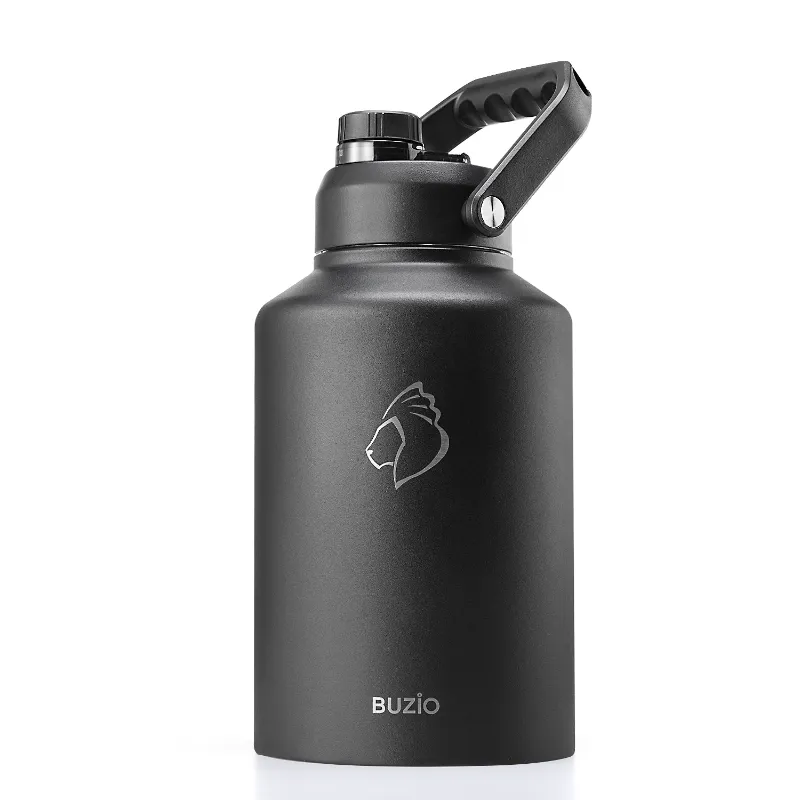
Daily commuters who toss bottles into bags may see more wear on protective sleeves and lids, while home and office users who keep tumblers stationary can expect the full 20-year potential lifespan. If you are frequently on the go, consider a 1 gallon insulated water jug with a protective base and reinforced handle rather than a bare glass tumbler.
Proper Care Extends Glass Tumbler Life Decades
The single biggest factor in borosilicate glass longevity is how you handle temperature changes and impacts. Never pour boiling water into a frozen tumbler or vice versa, even though borosilicate tolerates dramatic shifts better than regular glass. Always hand-wash lids and straws to preserve seals and prevent warping. The glass body itself is usually dishwasher-safe, but check manufacturer guidelines.
Daily care checklist:
- Rinse immediately after use to prevent staining
- Hand-wash silicone and rubber components
- Dry lids completely before reassembling to prevent mold
- Store with lid off to allow air circulation
- Avoid abrasive scrubbers that can create microscopic scratches over time
What damages glass tumblers:
- Dropping onto hard surfaces like concrete or tile
- Rapid temperature swings beyond the rated range
- Overtightening threaded lids, which can crack the rim
- Freezing liquids that expand and create pressure
- Using metal utensils to scrape stuck-on residue
For current pricing on protective sleeves and replacement parts, check the latest options at Buzio, where you can also grab a 15% discount code on complete tumbler sets.
Cost Per Year: The Real Value Comparison
A quality borosilicate glass tumbler with lid and straw costs more upfront than plastic but delivers better value over time. At a 15-year lifespan, even a premium glass option costs less per year than replacing plastic bottles every two years. Stainless steel offers similar long-term value, but glass never retains flavors, making it ideal for switching between coffee, smoothies, and plain water without cross-contamination.
| Material | Typical Lifespan | Replacement Frequency | Flavor Retention |
|---|---|---|---|
| Borosilicate Glass | 10-20 years | Seals every 3-5 years | None |
| Stainless Steel | 10-20 years | Rarely | Slight with acidic drinks |
| Plastic (BPA-free) | 1-3 years | Full replacement | Significant over time |
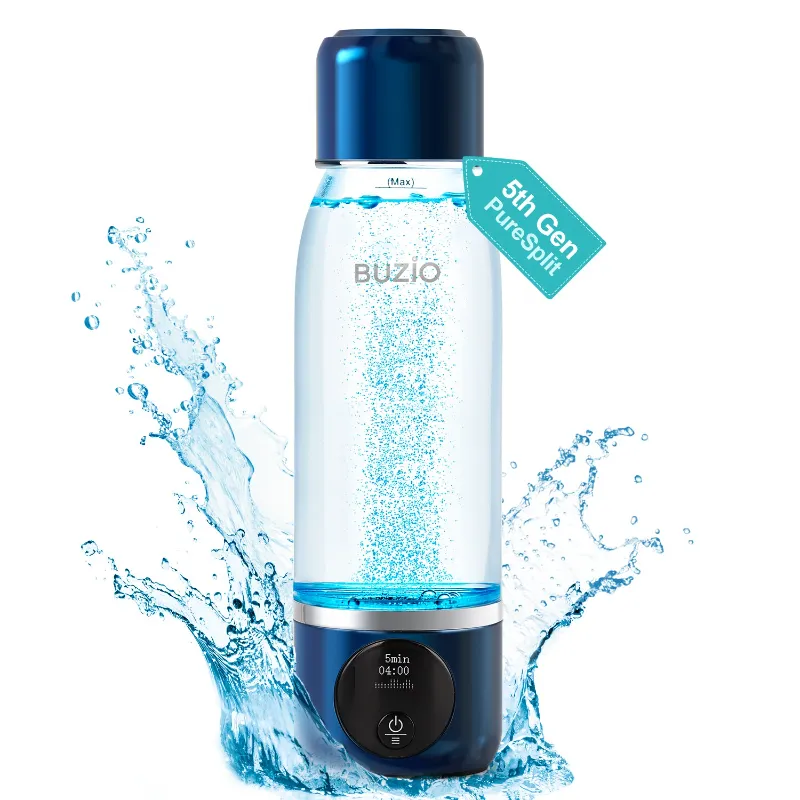
The environmental math is compelling too. One glass tumbler replaces roughly 60 to 120 plastic bottles over its lifetime, depending on how quickly you cycle through plastic options. Specialty bottles like portable hydrogen water bottles use borosilicate glass specifically because the material does not interfere with hydrogen concentration or introduce contaminants.
Who Should Choose Glass Over Other Materials
Borosilicate glass tumblers suit anyone who prioritizes taste purity, wants to see their beverage, and has a relatively stable use environment. They are ideal for office workers, home use, and car commuters with cup holders. Athletes and outdoor enthusiasts who need drop-proof reliability often prefer stainless steel or thick plastic instead.
Glass makes particular sense for:
- Coffee and tea drinkers who hate flavor transfer
- People sensitive to metallic or plastic tastes
- Anyone tracking water intake visually throughout the day
- Users who want to see when the bottle needs cleaning
- Those willing to handle containers with reasonable care
If you switch between a large water bottle at home and a more rugged option for hiking, investing in both materials gives you the best of both worlds. Many of our readers keep a borosilicate tumbler at their desk and a stainless steel option in their gym bag. You can grab current deals on both styles to build a versatile hydration system that lasts for decades.
The bottom line: borosilicate glass delivers unmatched longevity when you need purity and transparency, with a realistic 15 to 20 year lifespan that makes the initial investment worthwhile. The glass itself rarely fails; plan to replace seals and straws every few years, and your tumbler will outlast countless plastic alternatives while maintaining like-new performance.
Questions
How long does a borosilicate glass tumbler with lid and straw last with daily use?
With proper care, a borosilicate glass tumbler lasts 10 to 20 years or more with daily use. The glass itself rarely breaks; you will typically replace the lid, straw, or silicone seals every 3 to 5 years before the glass body wears out.
Can borosilicate glass tumblers break in the dishwasher?
Borosilicate glass is dishwasher-safe and resists thermal shock, but we recommend hand-washing lids and straws to preserve silicone seals and prevent warping. The glass body itself tolerates dishwasher heat without cracking or clouding.
Do glass tumblers last longer than stainless steel water bottles?
Both materials offer similar 10 to 20 year lifespans with proper care. Glass resists flavor retention and scratching better, while stainless steel handles drops and dents without shattering. The best choice depends on your use environment and priorities.
What usually breaks first on a glass tumbler?
The lid, straw, or silicone seals typically wear out before the borosilicate glass body. Seals lose elasticity after 3 to 5 years, and lids with moving parts can break. Most manufacturers sell replacement accessories so you can keep using the same glass tumbler for decades.
Is a borosilicate glass water bottle worth the higher price?
Yes, because it lasts 10 to 20 years compared to 1 to 3 years for plastic bottles. Over a 15 year span, a single glass tumbler costs less per year than repeatedly replacing plastic, and it never retains flavors or leaches chemicals.
How do I prevent my glass tumbler from breaking?
Avoid dropping it onto hard surfaces, never pour boiling water into a frozen tumbler, and do not overtighten threaded lids. Use a protective silicone sleeve if you carry it in a bag, and always hand-wash lids and straws to preserve their integrity.
Products in this guide
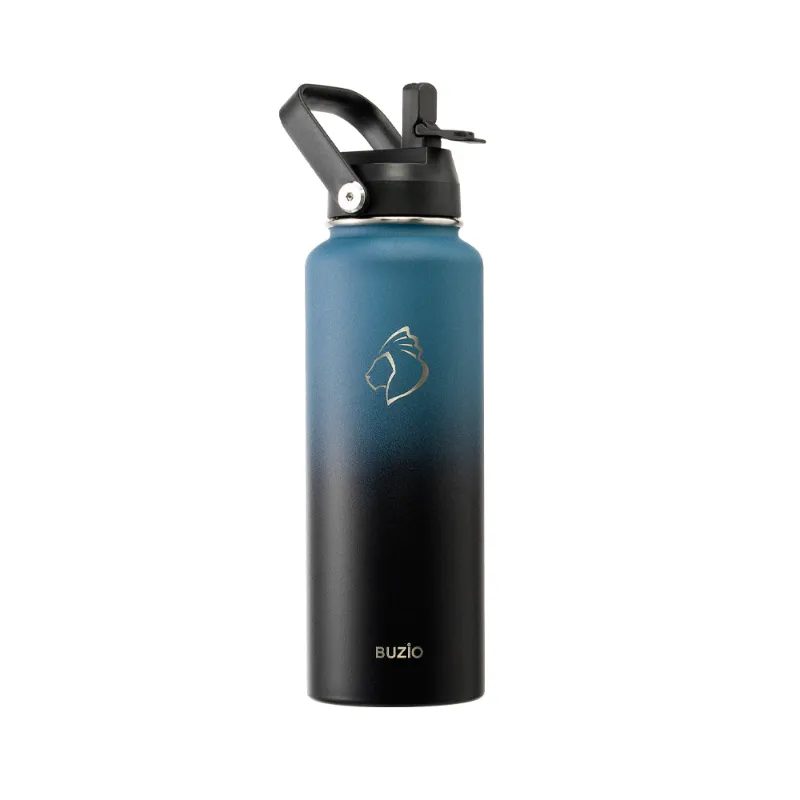
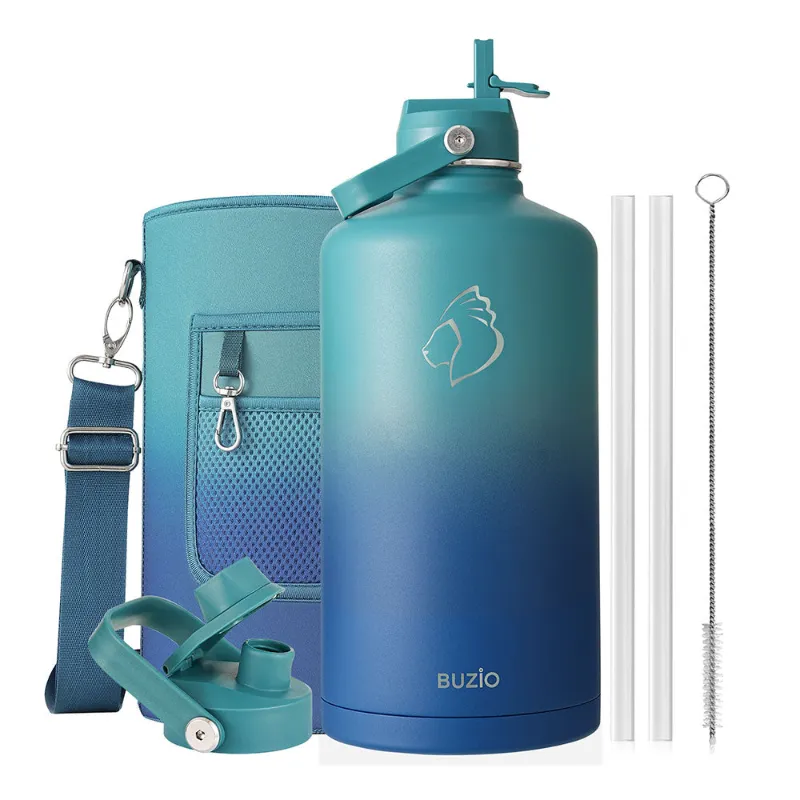 Shopping at Buzio? See the discount code
15% OFF All Orders
Shopping at Buzio? See the discount code
15% OFF All Orders
More in this series
What to Look for When Buying a 2 Gallon Water Bottle for Gym and Outdoor Use19 Aug 20264 minDo Portable Hydrogen Water Bottles Actually Work?19 Aug 20264 min64 Oz vs 128 Oz Water Bottle: Which Size Is Right for Your Daily Hydration Goals?19 Aug 20265 minBuzio Water Bottle: Does the Insulation Keep Water Cold for 48 Hours?19 Aug 20264 minHow to Clean and Maintain a 1 Gallon Water Bottle Without Mold Buildup19 Aug 20265 min