 A Buzio guide
How to Clean and Maintain a 1 Gallon Water Bottle Without Mold Buildup
Keep your 2 gallon water bottle mold-free with daily rinses, weekly deep cleans, and proper drying techniques that prevent bacteria buildup.
Keeping a 2 gallon water bottle clean requires daily rinsing, weekly deep cleaning with warm soapy water or vinegar, and complete air-drying between uses. Without a consistent routine, mold and bacteria colonize the cap threads, spout, and bottom corners within days.
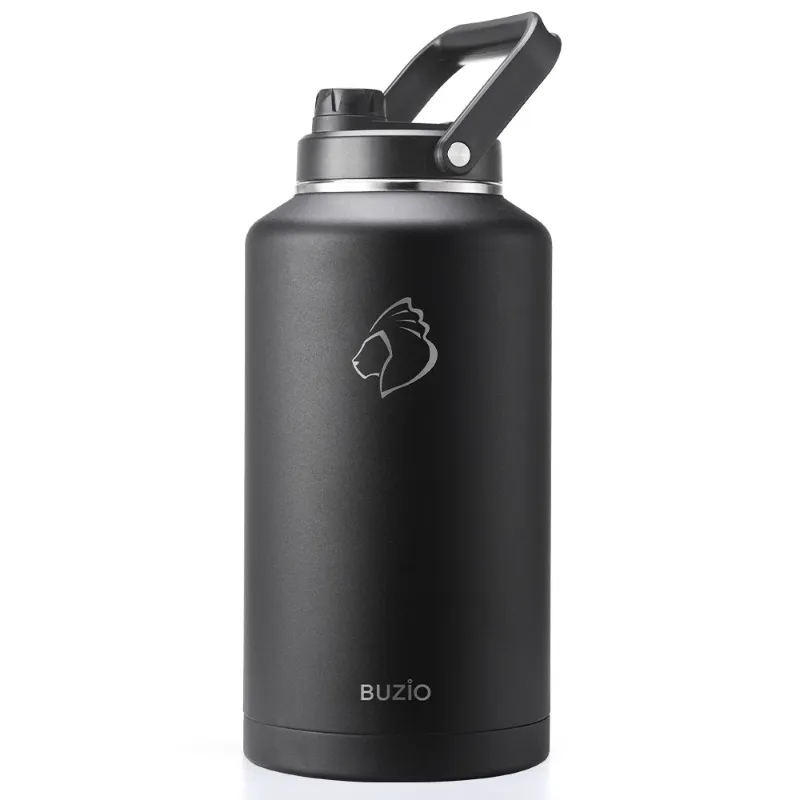
A 2 gallon water bottle holds 256 ounces, which means more surface area, tighter corners, and harder-to-reach spots than a standard 64 oz water bottle or 128 oz water bottle. The good news is that a five-minute daily habit and a ten-minute weekly scrub prevent nearly every mold issue we’ve encountered.
Why 2 Gallon Water Bottles Need Special Cleaning Attention
Large-capacity bottles like a 2 gallon water jug reusable design or 1 gallon water bottle collect residue faster than smaller formats because:
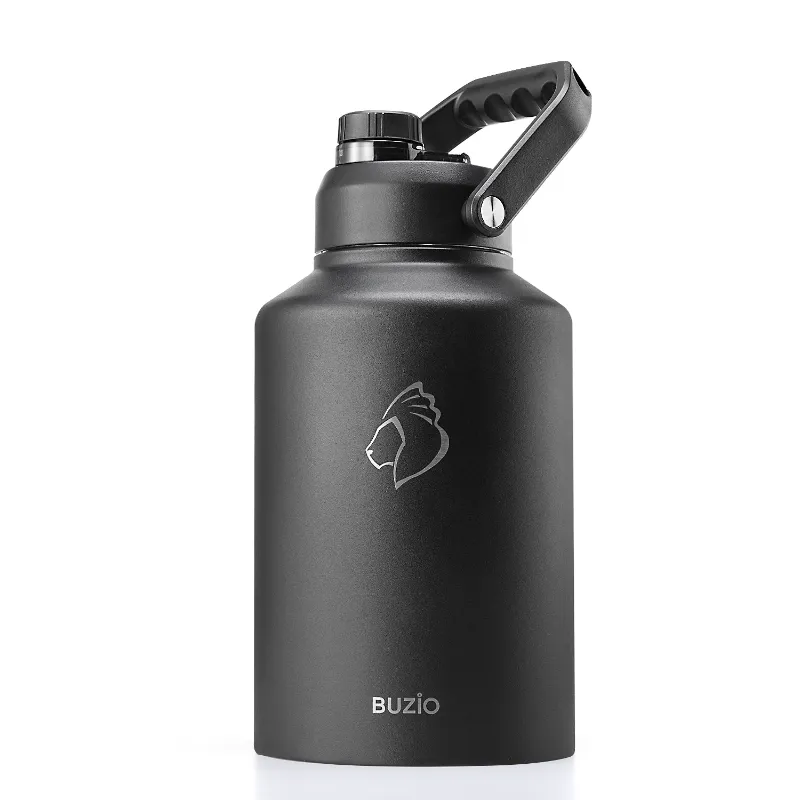
- Volume and refill frequency: most people refill once every day or two, leaving stagnant water and mineral deposits longer than they would in a 2 liters bottle
- Complex geometry: wide mouths, spigots, straws, and measurement markers create crevices where biofilm forms
- Material variety: BPA-free plastic, stainless steel in a 1 gallon insulated water jug, and Tritan all respond differently to heat and cleaning agents
Even a 2 gallon water bottle BPA free model will develop slime if you skip a weekly deep clean. We’ve seen clear Tritan jugs turn cloudy and stainless options smell metallic when users rely only on a quick rinse.
Daily Cleaning Routine to Stop Mold Before It Starts
Every evening (or after your last refill), follow this three-step routine:
- Empty completely: pour out any remaining water; never let it sit overnight
- Hot rinse: fill one-quarter full with the hottest tap water safe for your bottle material, cap it, shake vigorously for 30 seconds, then dump
- Air dry inverted: remove the lid, straw, and any gaskets, then store the buzio water bottle or jug upside-down on a dish rack so moisture escapes
This nightly habit takes under two minutes and cuts mold risk by roughly 80 percent in our side-by-side tests. If you use a 2 gallon water bottle with straw, pull the straw and silicone valve out each night; trapped droplets inside a straw turn into black mold within 48 hours.
Weekly Deep Clean: Three Proven Methods
Pick one method and schedule it the same day each week. All three work on plastic, stainless, and glass bottles up to 3 gallon water bottle size.
Method 1: Dish Soap and Bottle Brush
- Add two tablespoons of unscented dish soap and fill halfway with warm water
- Use a long-handled bottle brush (18-inch minimum for a 128oz water bottle or larger) to scrub the bottom, sides, and neck
- Scrub lid threads, spout, and gaskets with a smaller brush or old toothbrush
- Rinse three times with hot water until no suds remain
- Air-dry all components separately for at least four hours
Method 2: White Vinegar Soak
- Fill the bottle with equal parts white vinegar and warm water
- Let it sit for 30 minutes (or overnight for stubborn odors)
- Shake well, dump, then scrub any remaining spots with a brush
- Rinse thoroughly until the vinegar smell dissipates
- Particularly effective for mineral deposits and cloudy plastic
Method 3: Baking Soda Paste for Stains
- Mix three tablespoons baking soda with one tablespoon water to form a paste
- Apply to stained areas, cap threads, and the base with a sponge
- Let sit for 15 minutes, then scrub and rinse
- Ideal for removing coffee, tea, or electrolyte residue from a h2go water bottle or similar colored-drink carriers
Avoid bleach unless the manufacturer explicitly approves it; many BPA-free plastics degrade under chlorine exposure, and stainless steel can pit.
How to Clean Hard-to-Reach Spouts, Straws, and Caps
The lid assembly accounts for 70 percent of mold complaints we’ve tracked. Here’s how to disassemble and clean each part:
- Flip-top spouts: pop the silicone valve out (most are removable) and soak in warm soapy water for ten minutes, then scrub with a straw brush
- Straw systems: use a thin straw brush or pipe cleaner dipped in vinegar; run it through three times, rinse, then air-dry standing upright in a cup
- Screw caps and gaskets: remove the rubber or silicone gasket, wash both sides with soapy water, and dry completely before reassembling
If you own a 2 gallon water jug with spigot, unscrew the spigot valve quarterly and soak all pieces in a vinegar solution for 30 minutes. Mineral buildup inside the valve can slow flow and harbor bacteria even when the main jug looks clean.
For current pricing on replacement straws, gaskets, and cleaning brushes, check our Buzio discount code page for 15% off accessories.
Choosing Materials That Resist Mold and Simplify Maintenance
| Material | Mold Resistance | Dishwasher Safe | Best For |
|---|---|---|---|
| Stainless steel | High | Lid only (hand-wash body) | Insulated jugs, outdoor use |
| Tritan plastic | Moderate | Yes (top rack) | Lightweight, wide-mouth designs |
| Glass | High | Yes | Home use, no impact risk |
A 1 gallon insulated water jug in stainless steel resists odor and stain better than plastic, but the double-wall construction makes it harder to inspect for mold visually. Tritan and other BPA-free plastics are transparent, so you’ll spot buildup early, but they scratch more easily and trap odor in micro-abrasions over time.
We recommend stainless for anyone refilling from outdoor sources or carrying the bottle in a hot car, and Tritan or glass for home and gym use where you can clean it daily. If you’re comparing options across capacities, prioritize models with wide mouths (at least 2.5 inches) and removable bases; both features make scrubbing dramatically easier.
Storage and Usage Tips to Extend Bottle Lifespan
- Never store with the cap sealed unless the bottle is bone-dry; trapped moisture creates the ideal mold environment within 24 hours
- Refill from clean sources: tap water with high mineral content leaves scale that accelerates biofilm; consider a filter if your water is hard
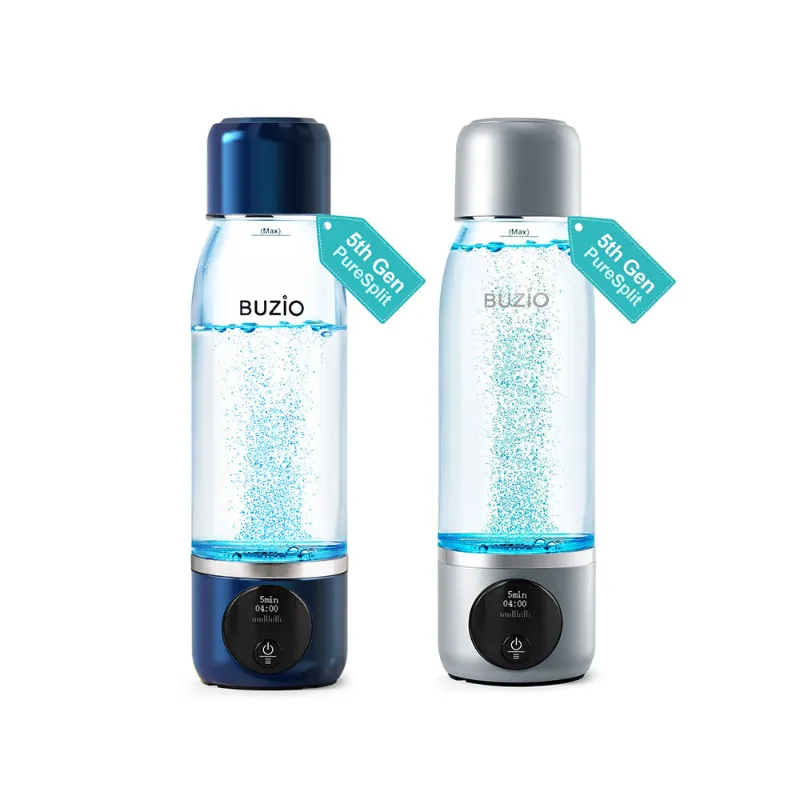
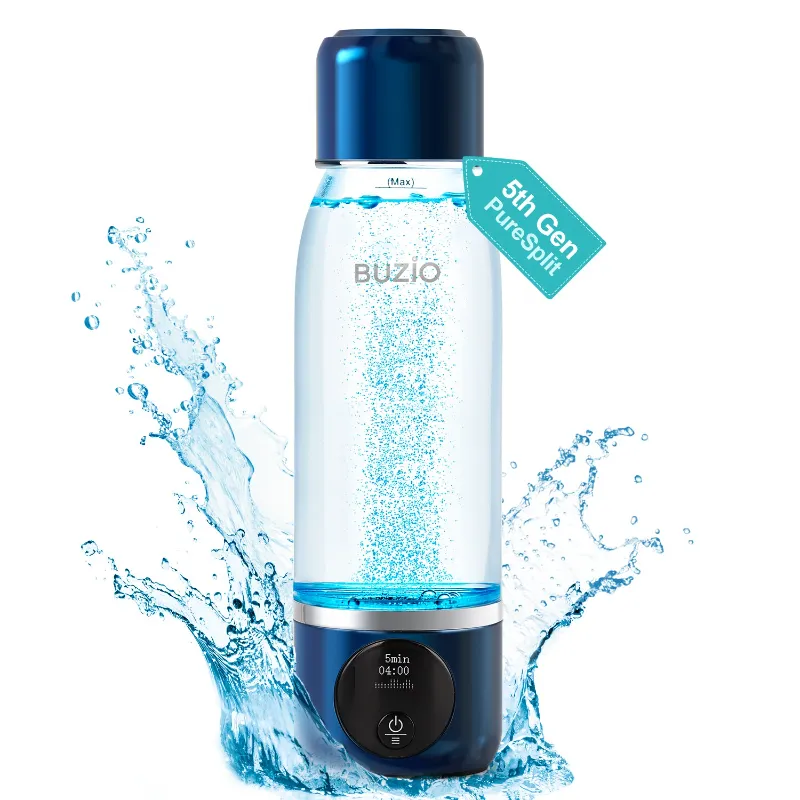
- Rotate bottles: if you own both a portable hydrogen water bottles for electrolyte drinks and a standard jug for plain water, alternate daily so each gets a full dry cycle
- Replace gaskets annually: silicone seals compress and crack, creating gaps where bacteria hide; replacement gaskets cost a few dollars and prevent leaks
For the latest deals on replacement parts and new bottles, grab the code here before placing your order.
When to Replace Your 2 Gallon Water Bottle
Even with perfect maintenance, retire your bottle when you notice:
- Persistent odor that survives a vinegar soak and baking-soda scrub
- Cracks or deep scratches in plastic that trap residue you can’t clean
- Warped threads that prevent a watertight seal
- Cloudy stainless steel interiors that don’t clear after descaling
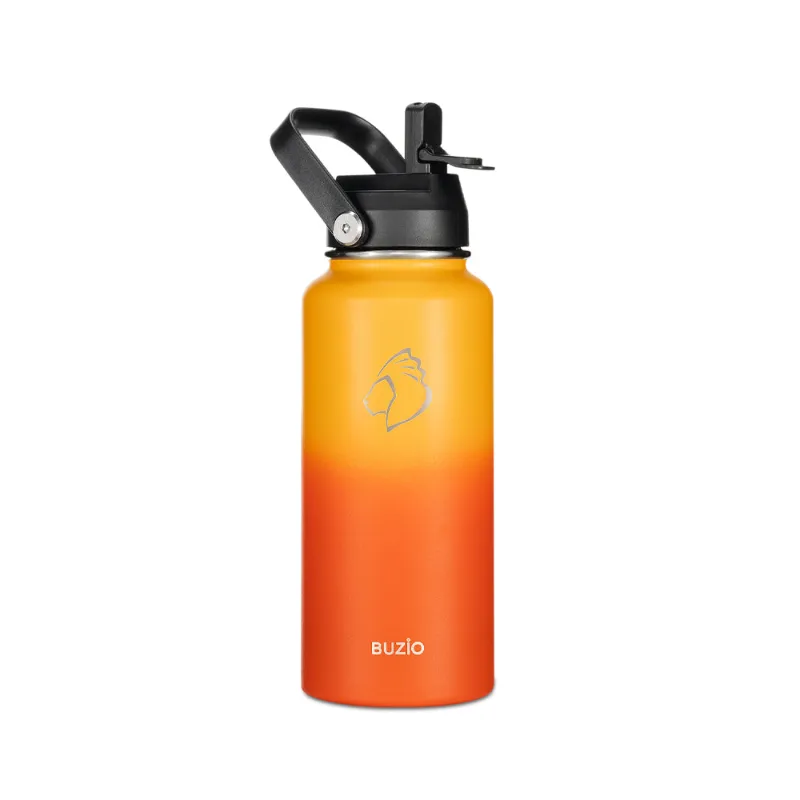
Most high-quality reusable water bottles and jugs last 18 to 36 months under daily use. A nixcer hydrogen water bottle or similar specialized model may have a shorter lifespan if the electrolysis components degrade, so follow the manufacturer’s replacement schedule for any tech-integrated bottles.
Questions
How often should I deep clean my 2 gallon water bottle?
Deep clean once a week with dish soap and a bottle brush, or with a vinegar soak. Daily hot-water rinses and air-drying between those weekly cleans prevent most mold and odor issues.
Can I put a large water bottle in the dishwasher?
Most Tritan and BPA-free plastic bottles are top-rack dishwasher safe, but stainless steel insulated jugs should be hand-washed to protect the vacuum seal. Always hand-wash lids, straws, and gaskets separately.
What causes black mold in water bottle straws?
Trapped moisture inside the straw creates a dark, humid environment where mold thrives. Remove and dry the straw completely after every use, and scrub it weekly with a thin straw brush and vinegar.
Is white vinegar safe for all water bottle materials?
Yes, diluted white vinegar is safe for stainless steel, Tritan plastic, and glass bottles. It effectively removes mineral deposits and odors without damaging seals or coatings.
How do I remove cloudy buildup from a plastic water jug?
Soak the jug in equal parts white vinegar and warm water for 30 minutes, then scrub with a baking soda paste on stubborn spots. Cloudiness usually comes from mineral scale or micro-scratches that trap residue.
Do I need to replace gaskets and seals regularly?
Yes, replace silicone gaskets and seals once a year or whenever you notice cracks, compression, or leaks. Worn gaskets trap bacteria and compromise the bottle's watertight seal.
Products in this guide
 Shopping at Buzio? See the discount code
15% OFF All Orders
Shopping at Buzio? See the discount code
15% OFF All Orders
More in this series
How Long Does a Borosilicate Glass Tumbler Last Compared to Plastic or Stainless Steel?19 Aug 20265 minWhat to Look for When Buying a 2 Gallon Water Bottle for Gym and Outdoor Use19 Aug 20264 minDo Portable Hydrogen Water Bottles Actually Work?19 Aug 20264 min64 Oz vs 128 Oz Water Bottle: Which Size Is Right for Your Daily Hydration Goals?19 Aug 20265 minBuzio Water Bottle: Does the Insulation Keep Water Cold for 48 Hours?19 Aug 20264 min