 A Flycity guide
How Long Do TV Stands With Electric Fireplaces Last?
Most quality TV stands with electric fireplaces last 10 to 20 years with proper care, though the fireplace insert and structural materials determine actual longevity.
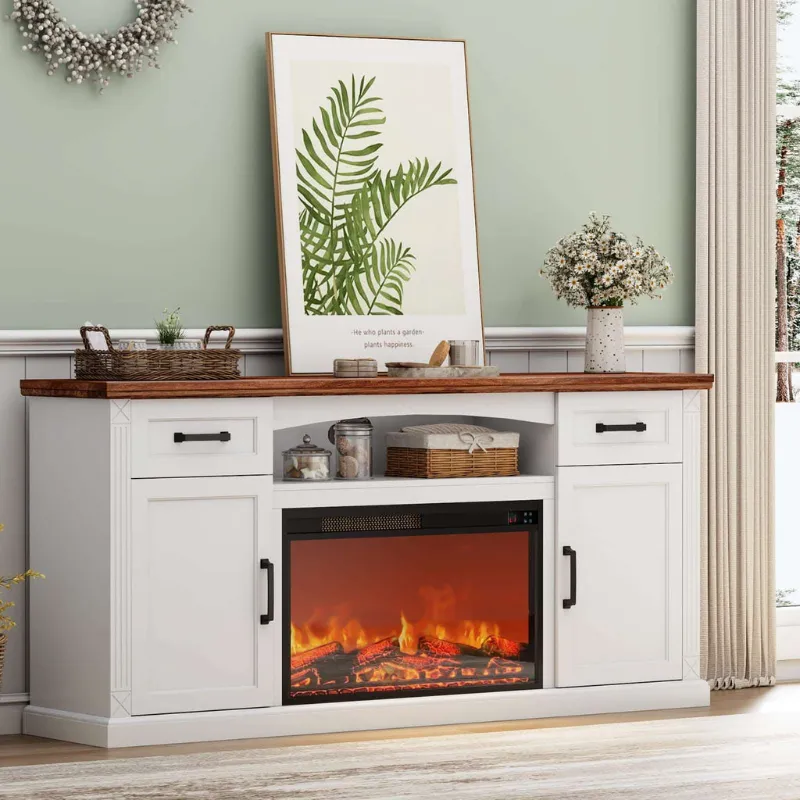
Most people wonder how long do tv stands with electric fireplaces last before investing in one. The good news: a quality unit typically delivers 10 to 20 years of reliable service, with the fireplace insert itself rated for 10,000 to 20,000 hours of operation. The stand’s construction, materials, and how you maintain it all play major roles in actual longevity.
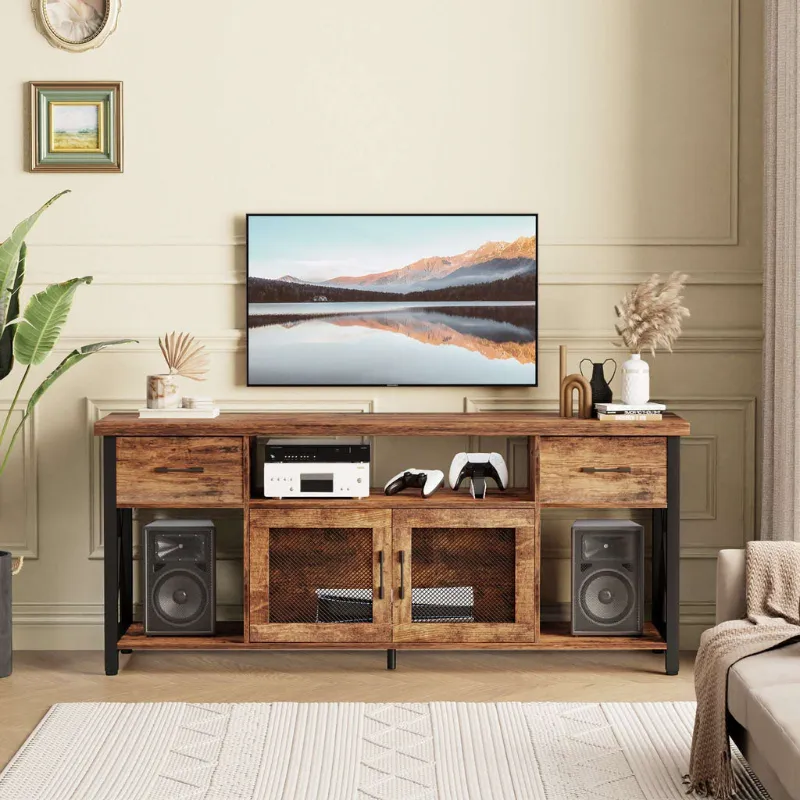
Whether you’re eyeing a tv stand with fireplace or a corner tv stand with fireplace, this guide walks you through lifespan expectations, what breaks first, and how to maximize your investment.
What Determines Lifespan for TV Stands With Fireplaces
Three core factors control how many years you’ll get from your fireplace TV stand.
Construction quality sits at the top. Solid wood or engineered wood with high-grade MDF and plywood cores outlasts particleboard by years. Metal reinforcements at stress points, dovetail joints, and cam-lock hardware all extend structural life. Budget units often skimp here, leading to sagging shelves and wobbly frames within three to five years.
Fireplace insert grade matters just as much. LED flame technology lasts far longer than older incandescent bulbs, with most LED systems rated for 50,000 hours. The heating element typically uses infrared quartz or ceramic coils rated for 10,000 to 20,000 hours of continuous operation. Premium inserts include overheat protection and separate flame/heat controls that reduce wear. Check the latest price to compare insert specs across models.
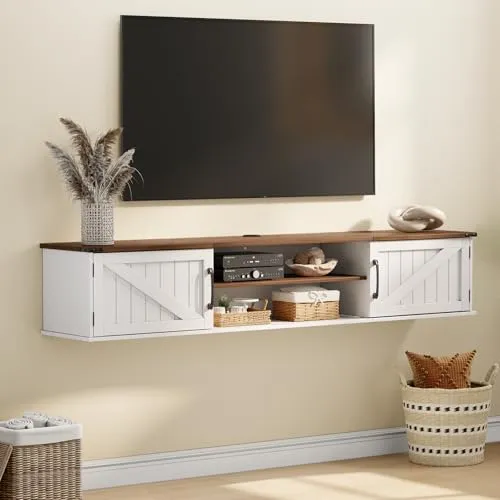
Weight capacity and load distribution determine whether the stand holds up under a heavy TV year after year. A 100 inch tv stand rated for 200+ pounds will handle the load without stress, while an undersized unit sags and warps. Look for weight ratings that exceed your TV by at least 25 percent.
How Long Each Component Actually Lasts
We break down the parts that fail first so you know what to expect.
| Component | Typical Lifespan | Common Issues |
|---|---|---|
| LED flame display | 50,000+ hours | Rare; may dim over decades |
| Heating element | 10,000-20,000 hours | Coil burnout, thermostat failure |
| Structural frame | 15-25 years | Particle board sag, joint loosening |
| Doors and hinges | 10-15 years | Hinge wear, alignment drift |
The heating element usually retires first. At three hours per day, a 15,000-hour element lasts roughly 13 years. The flame effect often outlives the heater, and many manufacturers sell replacement inserts for $100 to $200.
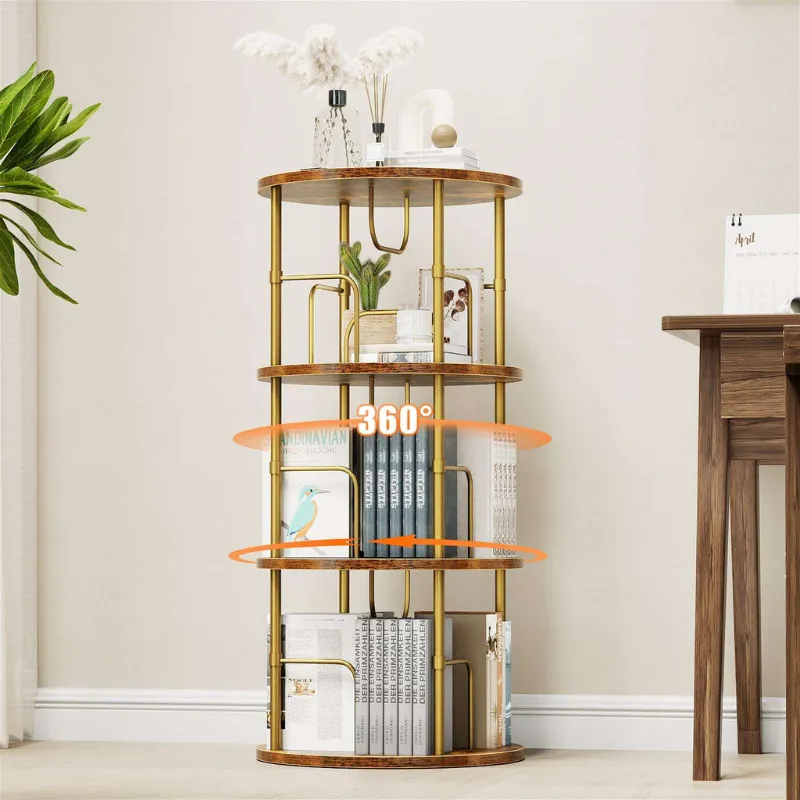
Cabinet surfaces show wear around the five to ten-year mark depending on finish quality. Veneer peeling, laminate chips, and fading happen faster on budget models. A furniture retail chains comparison shows that higher-end finishes with UV-resistant topcoats hold their appearance twice as long.
Doors and drawers take daily abuse. Soft-close hinges and metal drawer glides extend life significantly compared to plastic tracks. We’ve seen cheap drawer slides fail within two years, while quality ball-bearing systems run smoothly past the ten-year mark.
Material Choices That Extend or Shorten Life
The material under that finish determines everything.
Solid wood and plywood construction tops the durability chart. Hardwood frames resist warping and sagging even under heavy loads, and they tolerate the heat cycling from the fireplace without issues. Plywood backs and shelves stay flat where particleboard eventually bows.
High-density MDF offers a middle ground. Quality MDF resists moisture better than particleboard and provides a stable base for veneers, but it’s heavier and can still sag under extreme loads. We recommend MDF units for TVs up to 65 inches.
Particleboard and low-grade composites save money upfront but rarely last beyond five to seven years under real-world use. They’re especially vulnerable to the heat from fireplace inserts, which accelerates glue breakdown and causes swelling near vents.
Metal frames and glass shelves appear in modern designs and can outlast wood when properly designed, though they require different care. Tempered glass resists heat well but can chip at edges, while powder-coated steel frames handle weight beautifully if the coating stays intact.
Maintenance Steps That Add Years of Service
Proper care turns a ten-year stand into a fifteen or twenty-year workhorse.
- Clean fireplace vents monthly to prevent dust buildup on heating elements and fans, which causes overheating and premature failure
- Tighten hardware annually since vibration from speakers and daily use gradually loosens cam locks and screws
- Avoid overloading shelves beyond stated capacity, even temporarily, to prevent permanent sag in the cabinet structure
- Position away from direct sunlight and moisture to protect finishes and prevent warping in wood components
- Inspect and replace worn door bumpers to prevent hinge stress and cabinet frame damage from repeated impacts
Running the fireplace on flame-only mode (no heat) whenever possible extends heating element life significantly. The flame effect draws minimal power and creates ambiance without wearing the high-draw heating components. When you do need heat, grab the code for discounts on models with separate flame and heat controls.
Most manufacturers recommend vacuuming the fireplace intake and exhaust vents every month during heavy use. A clogged vent forces the fan to work harder and shortens motor life. Five minutes of maintenance quarterly can add years to the insert.
Comparing Corner Units and Standard Fireplace Stands
Your room layout impacts which style lasts longer under your specific conditions.
Corner units like a dedicated corner tv stand with fireplace concentrate weight on a smaller footprint, which demands stronger construction. Quality corner designs use triangular bracing and thicker materials to handle the physics. Cheaper corner units fail faster because they skimp on these reinforcements. The corner position also traps heat if ventilation isn’t designed properly, accelerating wear on both the insert and cabinet.
Standard linear stands distribute weight more naturally and typically include better ventilation simply due to their shape. A properly sized tv stand with fireplace rated for your TV’s width generally outlasts an equivalent-budget corner model. The trade-off is floor space usage.
Both styles benefit from the same material and construction principles. If you need a corner solution, budget up for solid reinforcement and oversized ventilation openings. For standard layouts, prioritize width and depth sizing recommendations that prevent overhanging TVs, which stress the frame and shorten life.
Who Gets the Most Value From Long-Lasting Fireplace Stands
These units make the most sense for specific living situations.
Homeowners planning to stay put for five or more years see the best return. The upfront cost pays back in years of dual-purpose furniture, especially compared to buying a separate media console and space heater. We calculate break-even around year three for mid-range models when you factor in supplemental heating savings.
Renters and frequent movers should weigh portability and assembly difficulty. Fireplace stands are heavy and complex to disassemble. If you relocate every two years, a simpler TV stand plus a portable heater might serve you better.
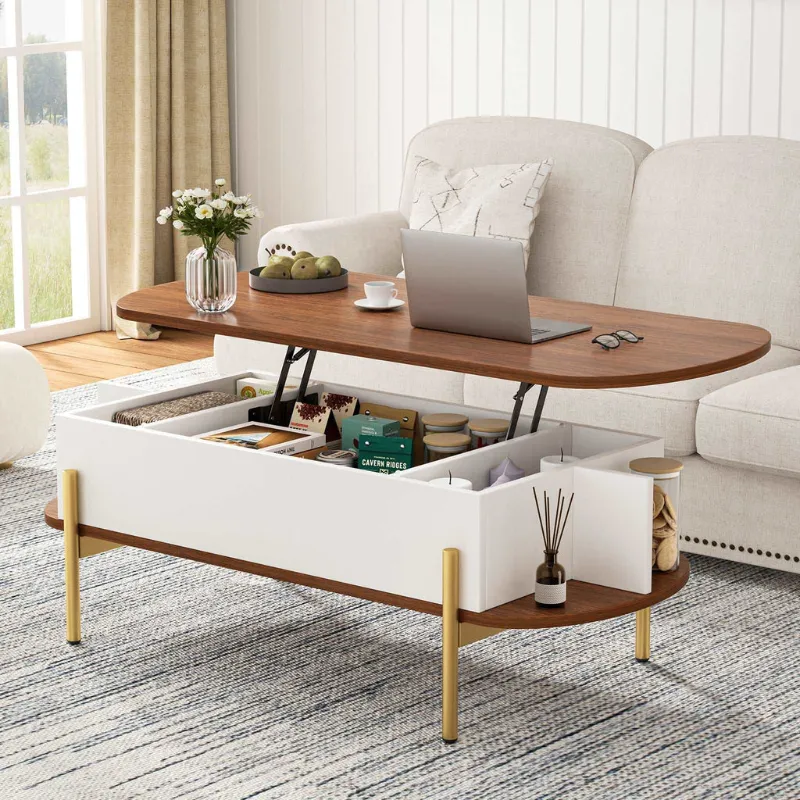
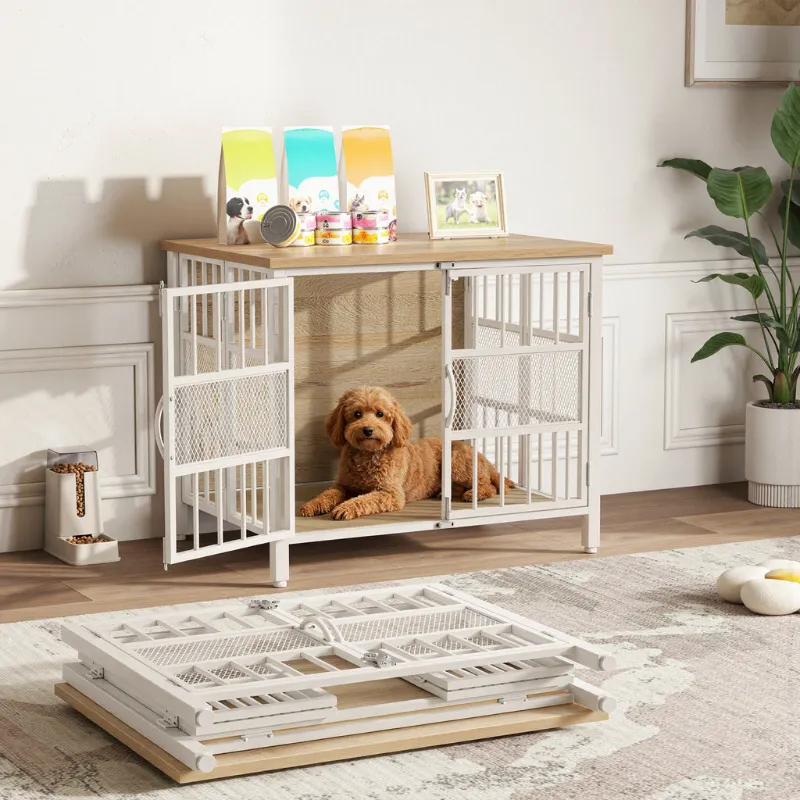
Small-space dwellers gain the most from the two-in-one design. Combining entertainment storage with zone heating eliminates the need for separate furniture pieces. Pairing a fireplace stand with other multi-function pieces like a lift top coffee table or dog crate furniture maximizes tight square footage.
Supplemental heat users in moderate climates get excellent value. The typical 1,500-watt insert heats 400 square feet effectively, perfect for taking the chill off without cranking whole-home heating. In extreme cold climates where you’d run the heater constantly, element lifespan becomes a bigger consideration.
Spotting Quality Before You Buy
We look for these markers when testing new models.
Weight and heft signal quality materials. A 60-inch stand should weigh at least 80 to 100 pounds empty. If you can easily lift it solo, construction is probably too light to last.
Back panel thickness and attachment reveal structural integrity. A 1/4-inch or thicker back panel attached with dados or rabbet joints won’t bow. Thin cardboard backs stapled on indicate a unit that won’t age well.
Fireplace insert removability lets you replace or upgrade the firebox down the road. Units with removable inserts last longer because the cabinet outlives the electronics, and you simply swap in a new insert.
Hardware grade separates long-term performers from short-lived frustrations. European hinges with metal mounting plates, ball-bearing drawer glides, and thick metal cam locks cost more but handle decades of use. Plastic drawer tracks and thin stamped hinges fail within years.
Before committing to any model, verify specifications match your TV size requirements and actual component weight. We always recommend measuring and confirming weight capacity rather than trusting promotional photos.
For current pricing on tested models and to apply our exclusive discount, visit the Flycity coupon page for 10% off sitewide.
Questions
How many hours will the electric fireplace insert last before needing replacement?
Most electric fireplace inserts are rated for 10,000 to 20,000 hours of heating element operation, which translates to 10 to 15 years at average use of three hours per day. The LED flame display typically lasts 50,000+ hours and may never need replacement during the stand's lifetime.
Does running the fireplace damage the TV stand materials over time?
Quality stands designed for fireplace inserts include proper ventilation and heat-resistant materials that handle the warmth without damage. Cheap particleboard models can experience accelerated glue breakdown and warping near heat vents, which is why solid wood or high-grade MDF construction is recommended.
Can I replace just the fireplace insert if it stops working?
Many TV stands with electric fireplaces feature removable inserts that you can replace independently of the cabinet. Replacement inserts typically cost $100 to $200 and extend the overall furniture lifespan significantly, though you should verify your specific model includes a removable design before purchasing.
What usually breaks first on a fireplace TV stand?
The heating element in the fireplace insert typically fails before structural components, usually after 10 to 15 years of regular use. Doors, hinges, and drawer slides on budget models may show wear within five to seven years, while the main cabinet frame on quality units often lasts 15 to 25 years.
Will a corner TV stand with fireplace last as long as a standard model?
A well-built corner unit lasts just as long as a standard fireplace stand, but corner designs require stronger internal bracing due to concentrated weight distribution. Budget corner models tend to fail faster because they often lack proper reinforcement, so it's worth investing in higher-quality construction for corner configurations.
How often should I maintain my fireplace TV stand to maximize lifespan?
Clean the fireplace vents monthly during regular use to prevent dust buildup, and tighten all hardware connections once per year. This simple maintenance routine can add three to five years to your stand's useful life by preventing overheating and structural loosening.
Products in this guide
 Shopping at Flycity? See the discount code
10% OFF Sitewide
Shopping at Flycity? See the discount code
10% OFF Sitewide
More in this series
Best Dog Crate Furniture That Actually Looks Like Real Furniture15 Aug 20265 minRotating Bookshelf vs. Traditional Bookshelf: Which Saves More Space?15 Aug 20264 minDo Lift Top Coffee Tables Hold Up With Daily Use?15 Aug 20267 minHow to Choose the Right Size TV Stand for a 100 Inch TV15 Aug 20265 min