 A Flycity guide
Rotating Bookshelf vs. Traditional Bookshelf: Which Saves More Space?
A rotating bookshelf delivers dramatically better space efficiency than fixed shelves, making it ideal for apartments, dorms, and compact home offices.
A rotating bookshelf generally uses less floor space than a traditional bookcase with similar storage, because it relies on vertical height and a small footprint rather than a long run of wall. If you are working with a cramped apartment, a corner that traditional furniture cannot use, or a room where wall space is already claimed by windows and doors, the compact footprint of a spinner design is usually the better fit than a sprawling horizontal shelf.
How a rotating bookshelf saves floor space
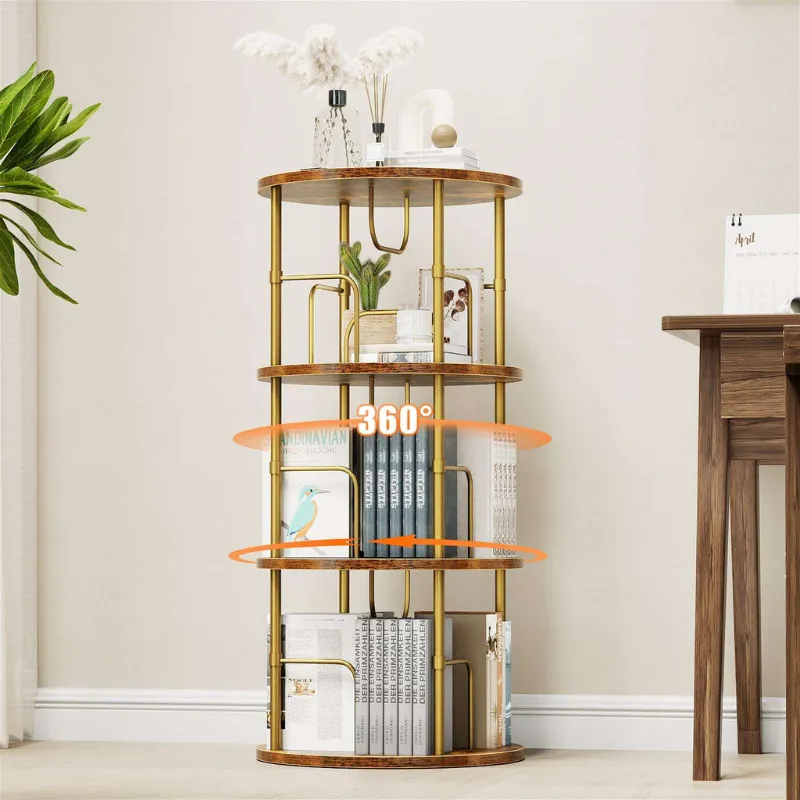
The core advantage is geometry. A traditional bookcase claims a long, rectangular footprint along a wall, and you generally need clearance in front of it to browse, which effectively doubles its real footprint once you count standing room. A rotating bookshelf uses a small circular base and delivers access to books on all sides, so it can be pushed into a corner or against a wall without losing functionality, since you spin it rather than stand in front of it.
That difference matters most in tight quarters, where a traditional bookcase blocks a stretch of wall and forces other furniture out from it, while a rotating tower can tuck into a corner or beside a desk and leave the wall free for something else, such as a bed or a lift top coffee table.
Storage capacity considerations
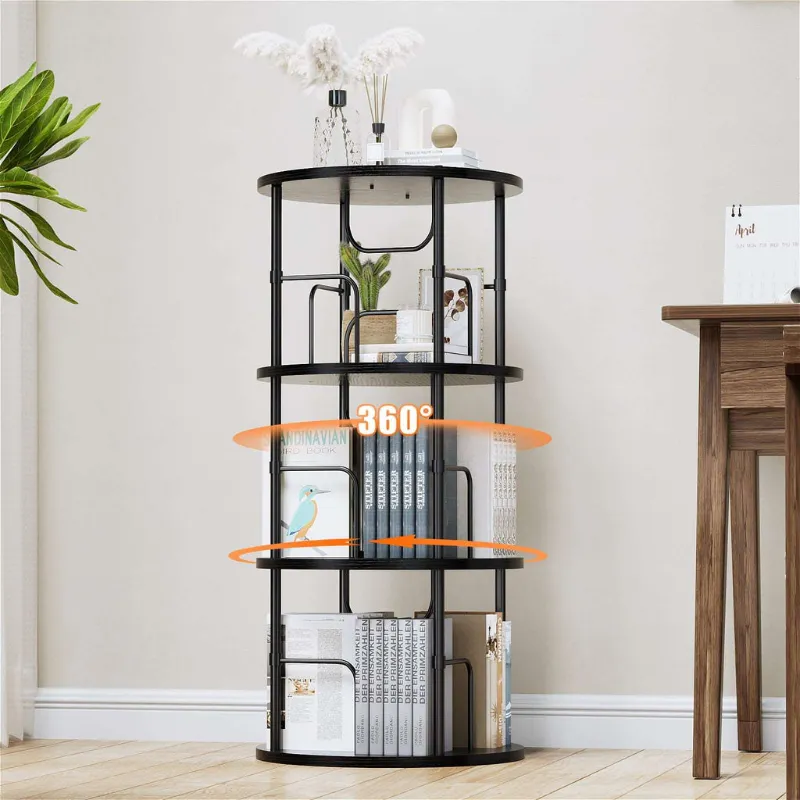
Floor space is only half the equation; you also need to know whether a tower holds enough books. In general, a rotating tower with more tiers holds more books, though narrow shelf depth on most rotating designs favors paperbacks and slim hardcovers over oversized volumes. A 360 degree rotating bookshelf with six tiers will generally hold noticeably more than a compact four-tier model, so check the listed tier count and shelf dimensions against your own collection before buying.
If your collection leans toward oversized art books, textbooks or coffee-table volumes, a traditional bookcase with adjustable shelf spacing is generally the better fit, since narrow rotating shelves often will not accommodate them.
Material and stability considerations
Because a rotating bookshelf spins on a central post or bearing, weight distribution matters more than with fixed shelves. A few things separate a stable tower from a wobbly one, worth checking on the listing:
- Base diameter: a wider base generally supports more tiers and heavier loads without tipping
- Post material: solid wood or steel generally resists flex better than hollow plastic
- Shelf attachment: through-bolted or mortised shelves generally stay rigid longer than friction-fit designs
Load shelves evenly as you fill them. Stacking all your heaviest books on one side creates imbalance that can make spinning stiff and, in an extreme case, tip the unit if nudged. Keep the heaviest volumes on lower shelves and distribute weight around each tier.
Steel-frame towers generally handle weight well but may scratch floors without felt pads; wood towers look warmer but are worth checking for joinery quality before you buy. Check the latest price on Flycity’s range.
Best use cases for each bookshelf style
A rotating bookshelf generally suits:
- Studio apartments and dorm rooms with limited floor space
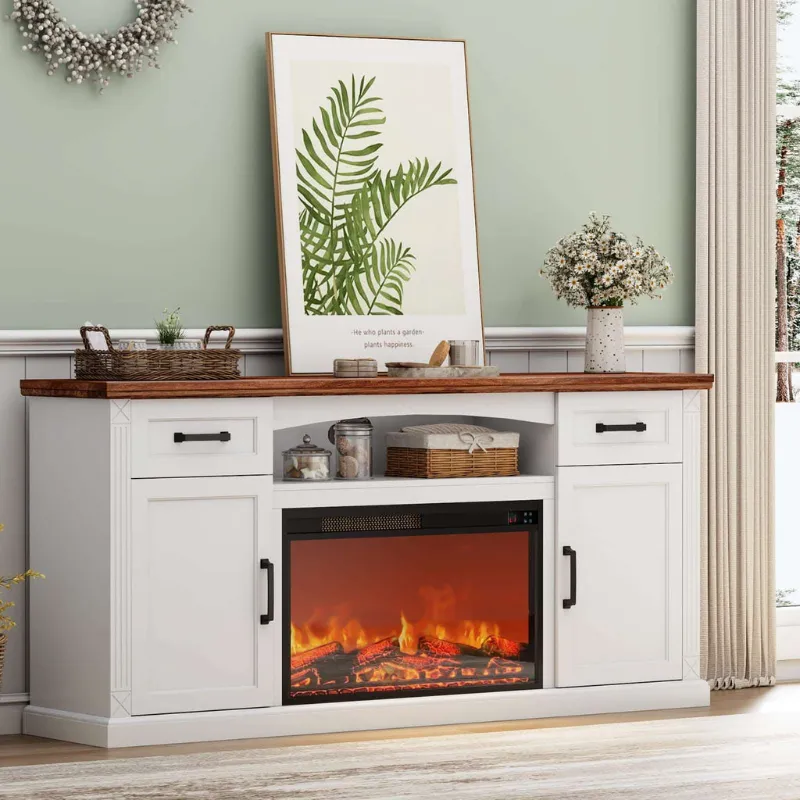
- Corner placement beside a desk, in an alcove, or next to a corner tv stand with fireplace
- Active readers who rotate through a moderate number of titles and want easy browsing
Traditional bookcases still generally win for:
- Large collections that need multiple units regardless of format
- Display purposes, showing off collectibles, plants or decor alongside books
- Oversized volumes like art books, vinyl records or legal binders
- Built-in aesthetics, flanking a fireplace or filling a specific wall span
A hybrid setup works well for many readers: a 360 degree rotating bookshelf for current reads within reach of a desk, plus a traditional case elsewhere for the full library and display items.
Assembly and maintenance differences
Traditional bookcases typically ship flat-packed with cam-lock or dowel assembly, and once together they are static, with no ongoing maintenance beyond dusting.
Rotating towers add a bearing or lazy-Susan mechanism, which brings a few care points:
- Assembly generally takes somewhat longer than a flat-pack bookcase, since the center post needs to be perfectly vertical or the spin will bind
- Bearing lubrication: a light application of silicone spray or furniture wax to the rotation point periodically helps if it stiffens
- Leveling: use a spirit level and adjust the feet or add shims; an unlevel base causes uneven spin resistance
Ball-bearing designs generally outlast simple plastic pivot points, so check whether the base uses metal bearings or a plastic-on-plastic interface when comparing models.
Where to buy and how to save
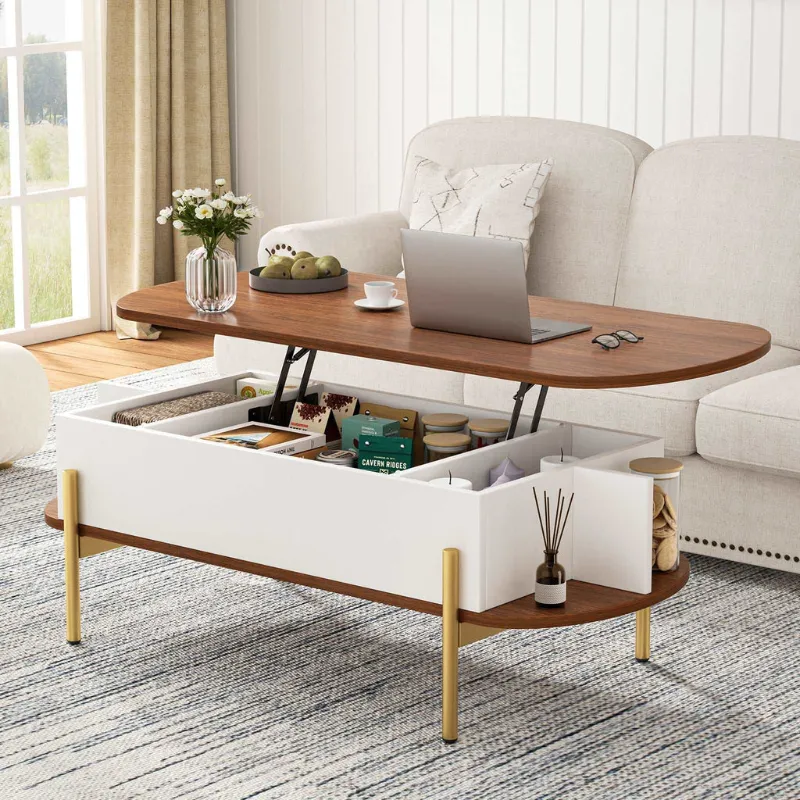
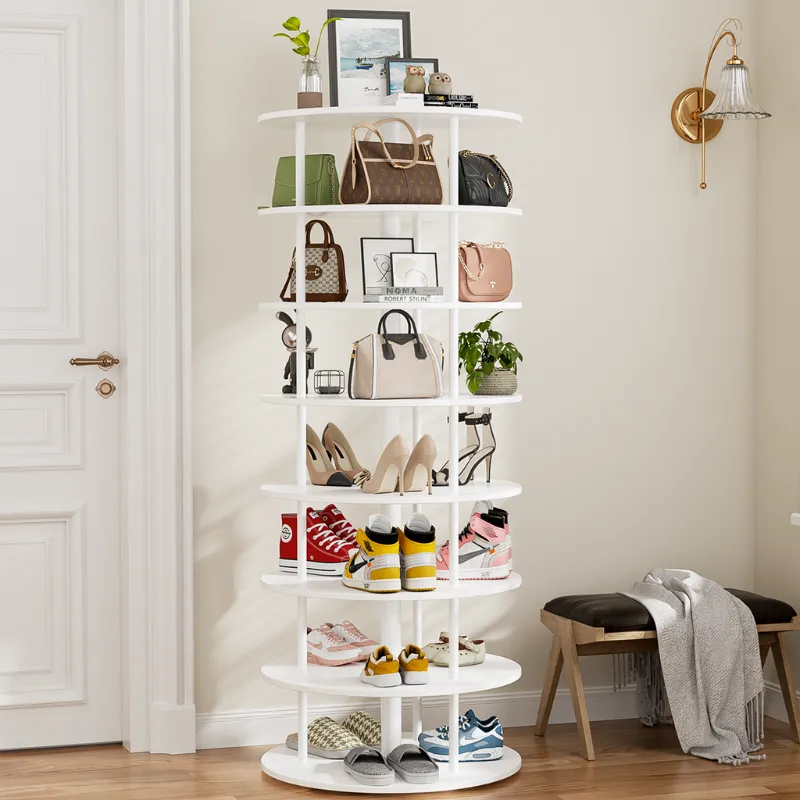
Flycity carries both traditional and rotating bookshelf options. The rotating models ship with hardware and instructions included. Before you buy, measure your available floor space and roughly how many books you own, and pair a rotating bookshelf with other compact furniture like a folding coffee table or shoe tower if you are furnishing a whole room. Visit the Flycity discount code page to see the current selection.
Our verdict on space savings
For pure floor-space efficiency, a rotating design generally wins, since it trades wall length for vertical height and needs no browsing clearance in front of it. The right choice still depends on your collection size and room layout: a large or oversized-book collection is often better served by a traditional case, while a smaller, general-reading collection in a tight room is where a rotating tower tends to earn its keep.
Whichever style you land on, measure your intended spot and your current collection before you order, and keep the return window in mind in case the piece feels tighter in the room than it looked in photos.
Questions
How much floor space does a rotating bookshelf actually save?
It depends on the specific models being compared, but a rotating tower's small circular base and lack of required browsing clearance generally mean a smaller real footprint than a traditional bookcase of similar shelf area. Check the listed base diameter against your traditional bookcase's width and depth to compare your own options.
Can a rotating bookshelf hold as many books as a regular bookcase?
It depends on the tier count and shelf depth of the specific model. A taller, six-tier rotating tower generally holds more than a compact four-tier one, but very large collections typically need multiple units or a traditional tall case either way.
Do rotating bookshelves tip over easily?
A quality rotating bookshelf with a wide base and even weight distribution should stay stable during normal use. Load heavier books on lower shelves and distribute weight evenly around each tier to reduce tipping risk.
Are rotating bookshelves hard to assemble?
They generally take a bit longer than a flat-pack traditional bookcase, mainly because the center post needs to be perfectly vertical for smooth spinning. The bearing mechanism adds a step, but instructions are usually straightforward and no special tools are needed.
What types of books fit best on a rotating bookshelf tower?
Standard paperbacks, trade paperbacks and slim hardcovers generally fit well. Oversized art books, wide textbooks and coffee-table volumes often do not fit the narrower shelf depth typical of rotating designs.
Where should I place a 360 degree rotating bookshelf in a small room?
Corners, beside a desk, or next to other furniture like a coffee table generally work well, since the rotating access means you do not need clearance on all sides. You can push it against a wall or into an alcove and still reach every book by spinning the unit.
Products in this guide
 Shopping at Flycity? See the discount code
10% OFF Sitewide
Shopping at Flycity? See the discount code
10% OFF Sitewide