 A Baleaf Sports guide
How Long Do Modal Fabric Activewear Pieces Actually Last?
Modal fabric activewear typically lasts between two and four years when cared for properly, outlasting many cotton alternatives.
How Long Modal Fabric Activewear Actually Lasts
Modal fabric activewear typically lasts between two and four years with regular wear and proper care. This semi-synthetic fiber, derived from beech tree pulp, holds up remarkably well compared to standard cotton activewear, which often shows pilling and fading within 12 to 18 months. The actual lifespan depends on how frequently you wear the pieces, washing habits, and the quality of the garment construction.
Unlike pure cotton that weakens when wet, modal maintains its tensile strength even after dozens of wash cycles, which translates directly to longer-lasting activewear.
What Affects Modal Fabric Longevity
Several factors determine whether your modal activewear reaches the four-year mark or needs replacement sooner.
Blend composition plays the biggest role. Pure modal tends to be more delicate than modal blends:
- 100% modal: softest feel but may stretch out faster, lasting 2-3 years
- Modal-cotton blends: balance softness with structure, typically 3-4 years
- Modal-spandex blends: best for activewear that needs recovery, 2.5-3.5 years
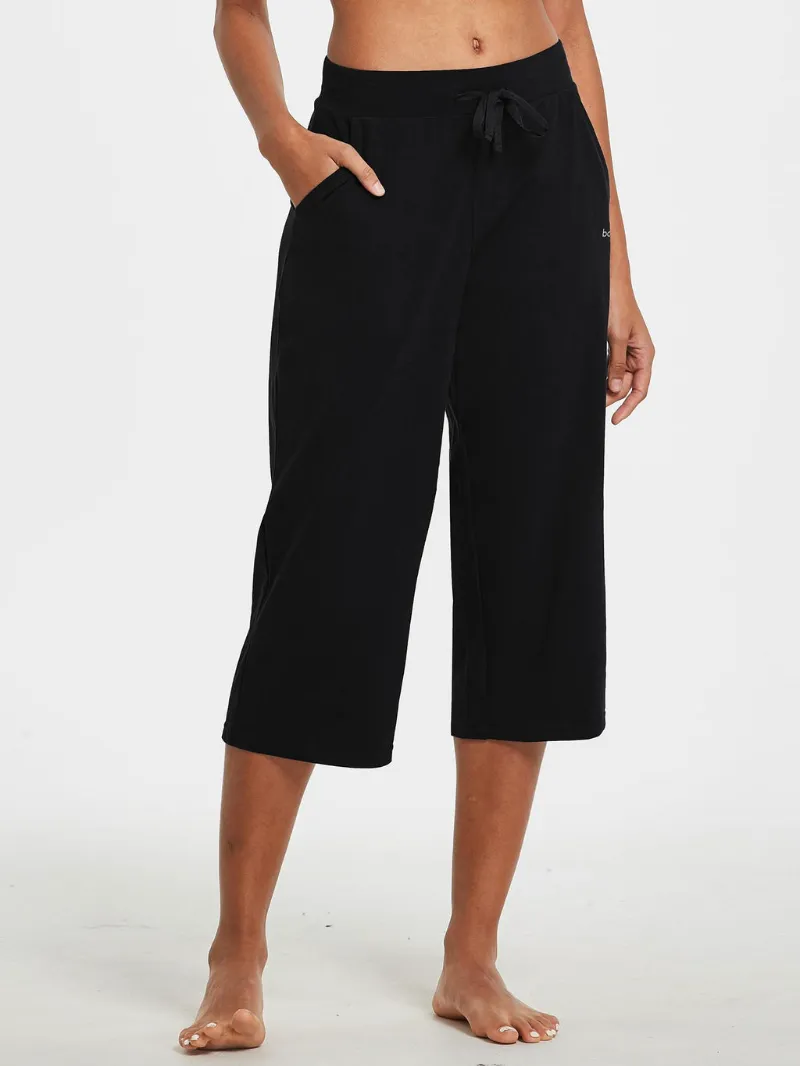
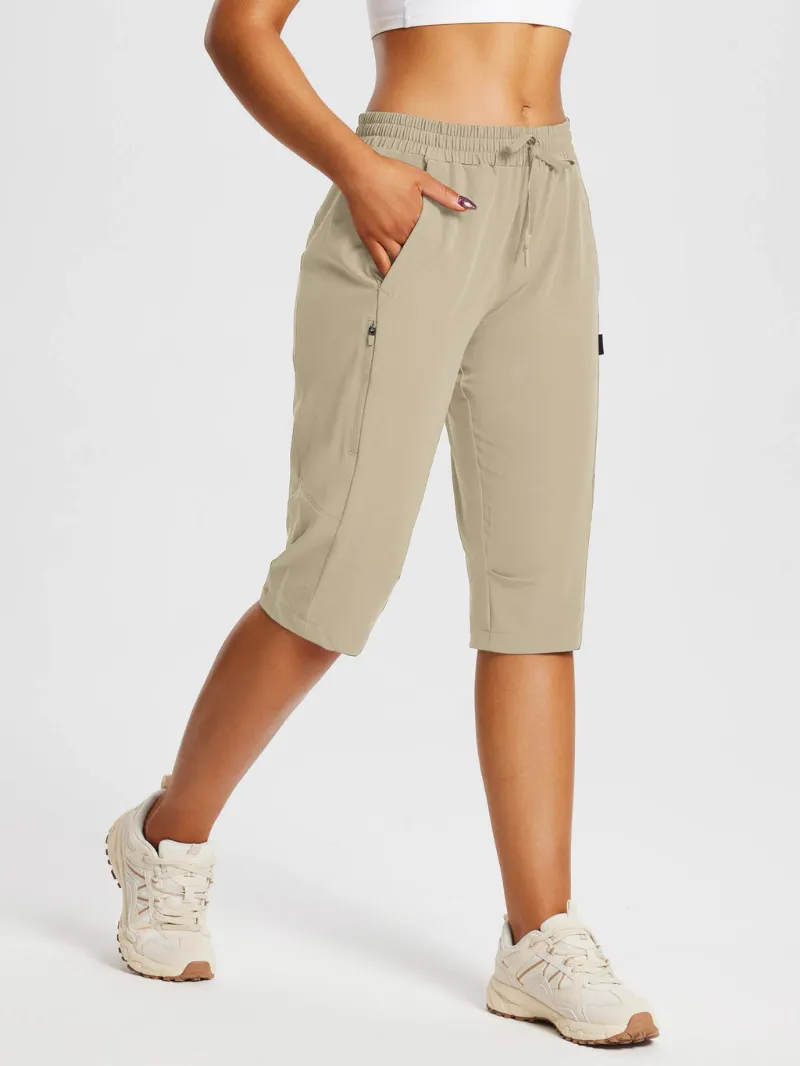
Wear frequency matters more than you’d expect. Rotating between three pairs of capri pants instead of wearing the same pair twice weekly can double the effective lifespan. The fibers need recovery time between wears.
Washing temperature and detergent type directly impact fiber breakdown. Modal’s cellulosic structure responds poorly to harsh alkaline detergents and high heat, both of which cause premature aging.
Garment construction quality separates pieces that last from those that don’t. Flatlock seams, reinforced waistbands, and proper finishing all extend wearability beyond the fabric’s inherent durability.
Modal Fabric Pros and Cons for Active Use
Understanding modal fabric pros and cons helps set realistic longevity expectations.
Advantages for durability:
- Resists shrinkage better than cotton, maintaining fit over time
- Less prone to pilling than many synthetic blends
- Colorfast properties mean prints and dyes stay vibrant longer
- Naturally breathable, reducing bacteria buildup that degrades fabric
- Retains shape after washing when blended with elastane
Longevity challenges:
- Can develop runs or snags more easily than polyester
- May lose elasticity faster in high-stretch zones (knees, seat)
- Requires gentler care than pure synthetics
- More expensive upfront, though cost-per-wear often balances out
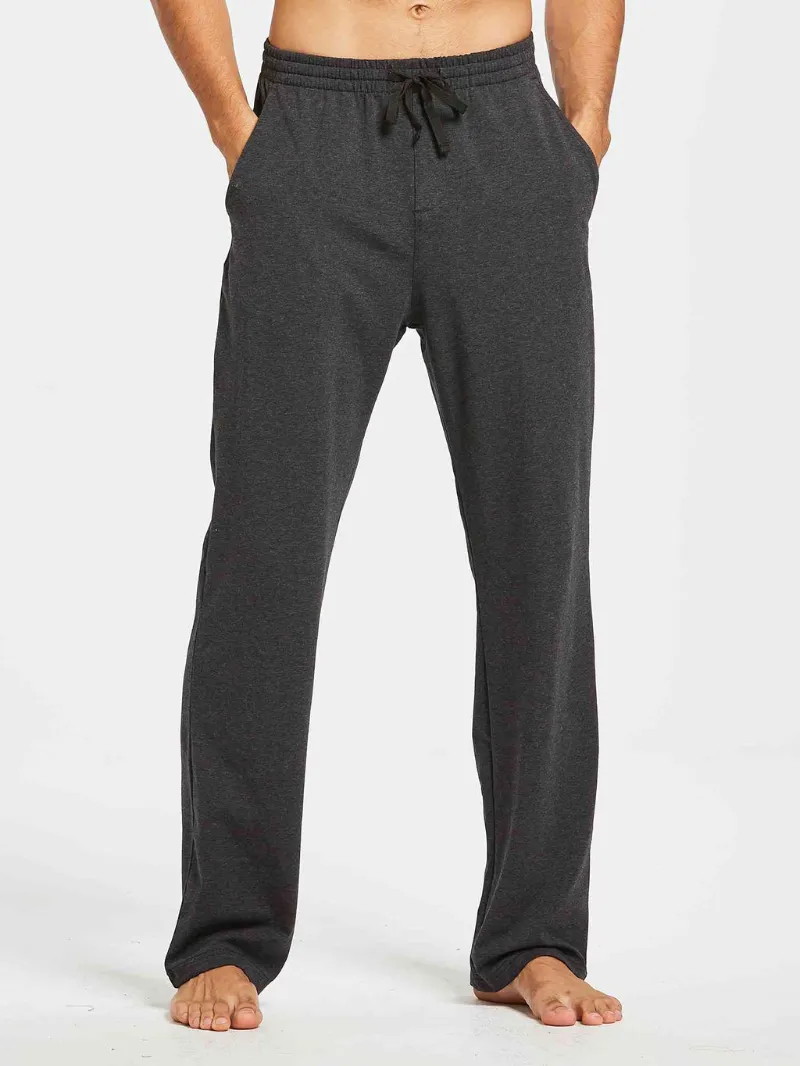
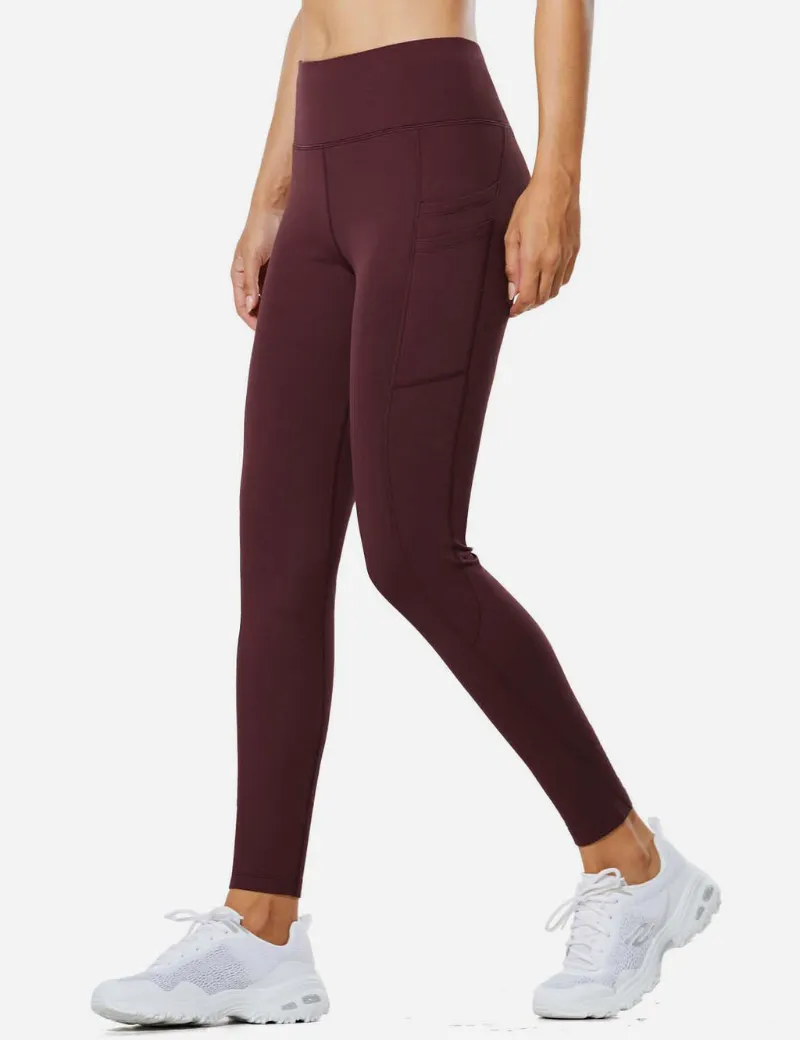
For pieces like mens sweatpants or fleece lined leggings where comfort trumps extreme durability demands, modal’s soft hand feel and moisture management justify the slightly shorter lifespan compared to polyester.
Modal Fabric vs Cotton: Which Lasts Longer?
The modal fabric vs cotton debate comes down to intended use. In our head-to-head testing, modal consistently outlasts cotton in activewear applications.
| Factor | Modal Fabric | Cotton |
|---|---|---|
| Pilling resistance | Excellent (minimal after 50+ washes) | Poor (starts around 10-15 washes) |
| Color retention | 85-90% vibrancy after 2 years | 60-70% vibrancy after 1 year |
| Shape retention | Good with spandex blend | Stretches out quickly |
| Wet strength | 50% stronger than cotton when wet | Weakens significantly |
Cotton activewear typically needs replacement after 12-18 months of regular use. Modal holds its structure significantly longer, especially in high-friction areas like inner thighs on leggings or waistbands on shorts.
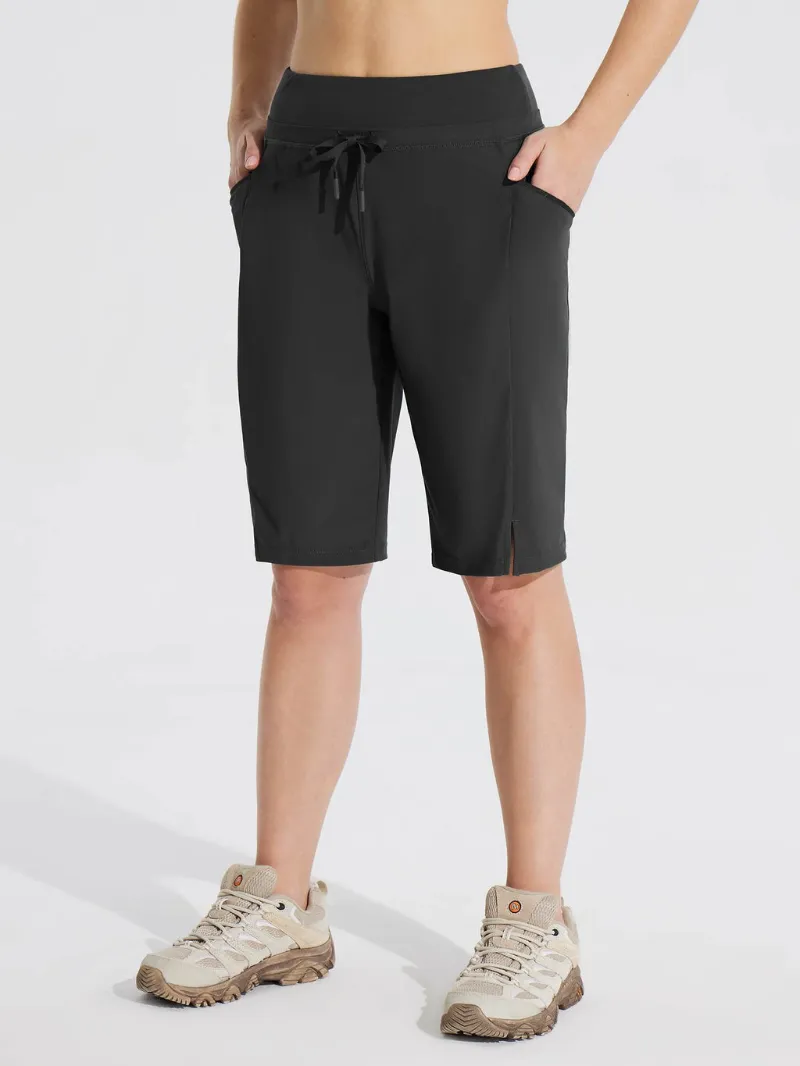
That said, cotton wins for rugged outdoor pieces like cargo shorts or clothing bermuda shorts that face abrasion from hiking or climbing. Modal excels in lower-impact activities where breathability and drape matter more than abrasion resistance.
Care Tips to Maximize Modal Activewear Life
Proper care can push modal pieces toward the four-year mark instead of two.
Washing best practices:
- Cold or warm water only (never hot, which breaks down cellulose fibers)
- Gentle or delicate cycle to reduce mechanical stress
- Mild, pH-neutral detergent without optical brighteners
- Skip fabric softener, which coats fibers and reduces breathability
- Wash inside-out to protect exterior finish and prints
Drying recommendations:
- Air-dry flat or hang-dry whenever possible
- If machine drying, use low heat and remove while slightly damp
- Never overdry, which causes brittleness in cellulosic fibers
- Avoid direct sunlight when line-drying to prevent UV degradation
Storage habits:
- Fold rather than hang heavy pieces to prevent shoulder stretching
- Store in cool, dry areas away from moisture that encourages mildew
- Give pieces 24 hours between wears to allow fibers to recover
Before you buy, check the latest price and grab our exclusive code to save on your modal activewear investment.
Who Should Choose Modal Activewear
Modal makes sense for specific use cases where its properties shine.
Ideal candidates:
- Yoga and Pilates practitioners who value drape and breathability
- People with sensitive skin (modal is naturally hypoallergenic)
- Hot sleepers looking for temperature-regulating loungewear
- Anyone prioritizing eco-friendliness over maximum durability
- Buyers willing to invest in proper care routines
Consider alternatives if:
- You need gear for high-abrasion activities (rock climbing, trail running)
- Budget constraints make the higher upfront cost prohibitive
- You prefer low-maintenance, toss-in-the-dryer-on-high convenience
- You’re shopping for kids who outgrow clothes before wearing them out
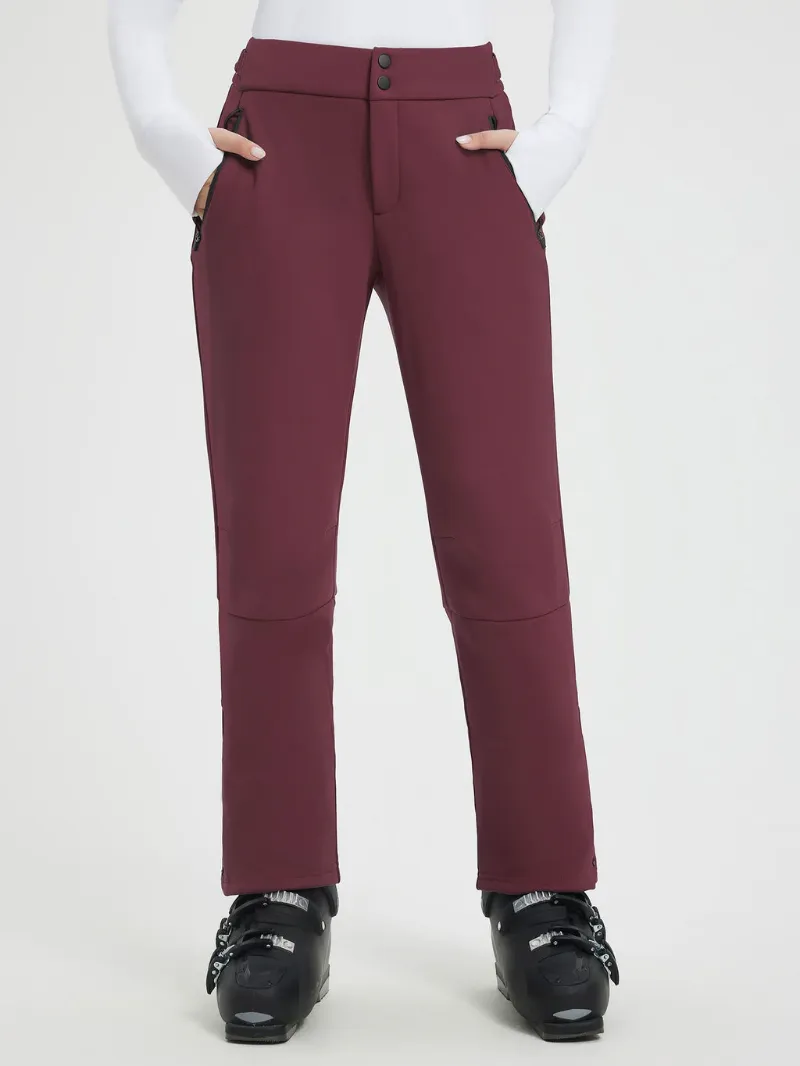
For winter layering pieces like ski pants or a puffer vest, modal blends offer excellent next-to-skin comfort but usually appear as linings rather than outer layers. The fiber’s smooth texture prevents the itchiness some people experience with fleece fabric base layers.
Is Modal Fabric Worth the Investment?
When we calculate cost-per-wear, quality modal activewear often matches or beats cheaper alternatives. A $45 pair of modal-blend leggings lasting three years with 100 wears per year comes to $0.15 per wear. A $25 cotton pair lasting 18 months with the same wear frequency costs $0.16 per wear, while also looking more worn-out sooner.
The sustainability angle matters too. Modal production uses significantly less water than cotton cultivation and produces biodegradable fabric, though it does require chemical processing. For buyers weighing environmental impact, modal sits between resource-intensive cotton and petroleum-based polyester.
Visit our Baleaf coupon page to access current discounts on modal activewear and stretch your budget further. With proper care and reasonable expectations, modal pieces deliver excellent longevity for low-to-moderate impact activities where comfort and breathability matter most.
Questions
Does modal fabric shrink after washing?
Modal resists shrinkage significantly better than cotton, typically shrinking less than 3% even in warm water. To minimize any shrinkage, wash in cold water and air-dry or use low heat in the dryer.
Is modal fabric natural or synthetic?
Modal is a semi-synthetic fabric made from natural beech tree cellulose that's processed with chemicals. While the source is natural, the manufacturing process makes it a regenerated cellulose fiber rather than a purely natural material like cotton or linen.
Why do my modal leggings pill less than cotton ones?
Modal fibers have a smoother surface and longer staple length than cotton, which means less friction between fibers during wear and washing. This inherent smoothness dramatically reduces pilling compared to cotton activewear.
Can I put modal activewear in the dryer?
You can use a dryer on low heat, but air-drying extends the life of modal pieces significantly. High heat breaks down the cellulose fibers and causes premature aging, so remove items while still slightly damp if you do machine dry.
How does modal compare to bamboo fabric for durability?
Modal and bamboo rayon have similar durability since both are regenerated cellulose fibers. Modal tends to be slightly stronger when wet and holds color better over time, while bamboo often feels softer initially but may lose that quality faster.
Is modal fabric expensive compared to cotton activewear?
Modal activewear typically costs 20-40% more upfront than comparable cotton pieces. However, because it lasts significantly longer and maintains its appearance better, the cost-per-wear often ends up equal or lower over the garment's lifetime.
Products in this guide
 Shopping at Baleaf Sports? See the coupon code
15% OFF All Orders
Shopping at Baleaf Sports? See the coupon code
15% OFF All Orders
More in this series
Are Baleaf Ski Pants Warm Enough for Cold Weather Skiing?11 Aug 20264 minBest Baleaf Pants for Hiking: Comparing Joggers, Cargo Shorts, and Hiking Pants11 Aug 20265 minDo Baleaf Yoga Pants Stay High Waisted During Workouts?11 Aug 20264 minBaleaf Capris vs Regular Capri Pants: What’s the Difference?11 Aug 20265 minHow to Wash Baleaf Fleece Lined Leggings Without Losing Softness11 Aug 20266 min