 A Rampage Coffee Co guide
How Long Do Micro Roasted Coffee Beans Stay Fresh After Opening?
Micro roasted coffee beans deliver peak flavor for 2-4 weeks after opening, with proper storage extending their life significantly.
How Long Does Micro Roasted Coffee Stay Fresh After Opening?
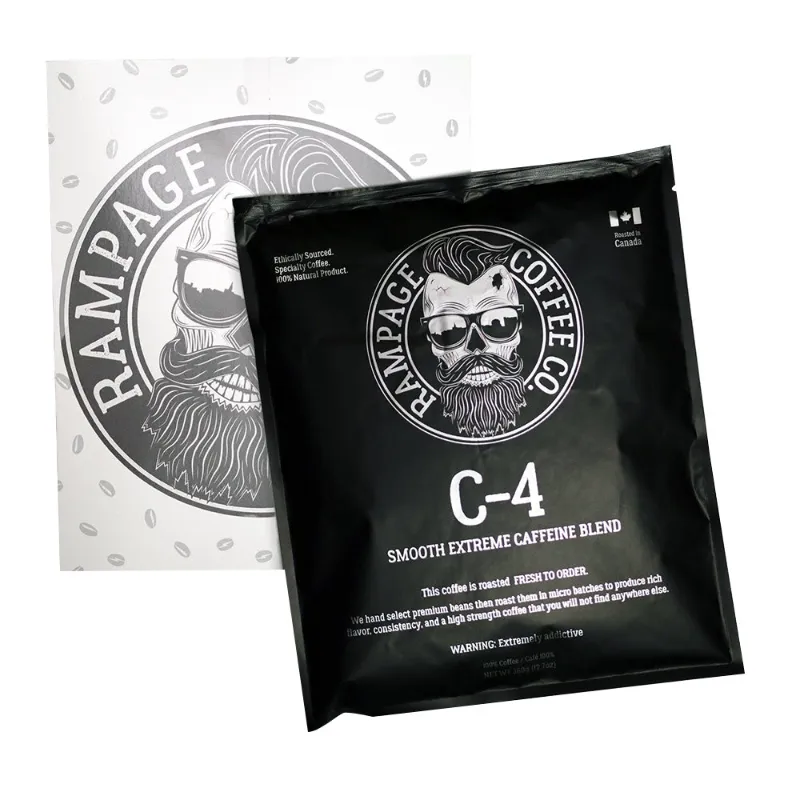
Micro roasted coffee beans stay fresh for 2 to 4 weeks after opening the bag when stored properly. Small-batch roasting means your beans arrive days (not months) after roasting, so you start with better freshness than supermarket coffee. Once you break the seal, oxygen begins degrading the oils and aromatics that give micro roasted coffee its complex flavor profile. The clock starts ticking, but smart storage can keep your beans tasting vibrant for weeks.
What is Micro-Roasted Coffee? A micro roaster typically produces small batches (often 15 to 30 pounds at a time) allowing for precise control over roast profiles and ensuring beans ship within days of roasting. This freshness advantage means you receive coffee at its peak, but it also means proper post-opening care matters more.
Why Micro Roasted Coffee Loses Freshness Faster
Small-batch beans from a micro roaster are roasted to order, so they haven’t been sitting in a warehouse losing flavor. That’s the good news. The trade-off is that freshly roasted coffee continues to off-gas CO₂ for several days, and once the bag is opened, the same porous structure that released gas now absorbs oxygen, moisture, and odors.
What degrades coffee flavor:
- Oxygen exposure: The primary enemy. Oxidation turns bright, fruity notes stale and flat within days if beans sit in an open container.
- Light and heat: UV rays and warmth accelerate oil breakdown, creating rancid or cardboard flavors.
- Moisture: Even slight humidity can cause beans to absorb water, diluting flavor and inviting mold.
- Time since roasting: Beans peak 3 to 14 days post-roast. After opening, the 2 to 4 week window assumes you started with beans roasted within the past week or two.
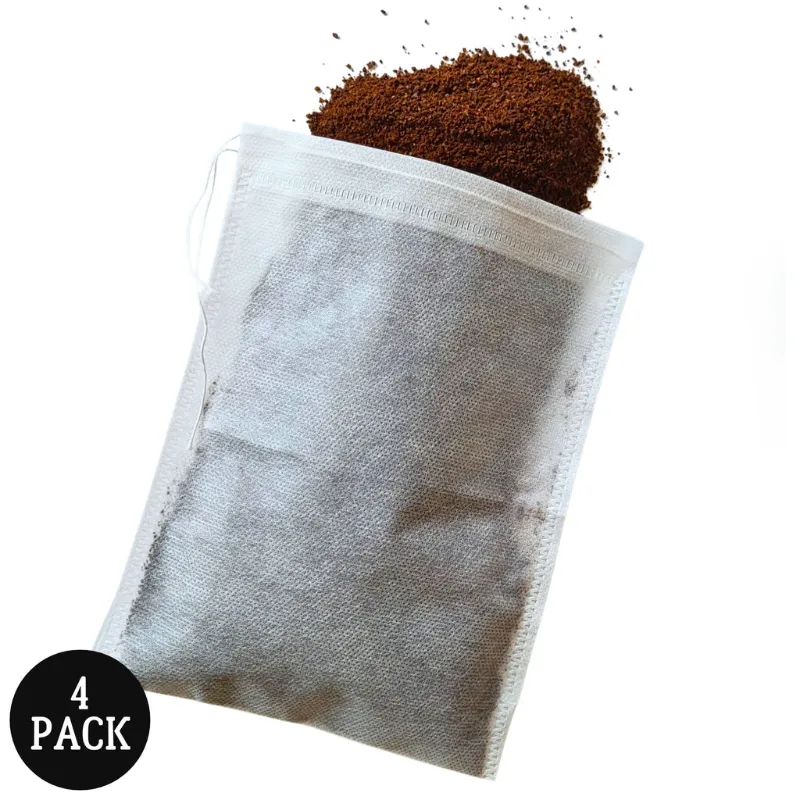
If you prefer convenience over whole beans, cold brew coffee bags and filter pouch coffee offer pre-portioned, sealed servings that minimize exposure once the outer package is opened.
How to Store Opened Coffee Beans for Maximum Freshness
Proper storage can stretch that 2-4 week window closer to a month.
Best practices:
- Airtight container with one-way valve: Ceramic or stainless canisters with silicone seals and a CO₂ valve let residual gas escape without letting oxygen in.
- Cool, dark pantry: Ideal temperature is 50-70°F. Avoid cabinets near the stove or dishwasher.
- Keep beans whole: Grinding exposes exponentially more surface area to oxygen. Grind only what you need, right before brewing.
- Original bag with clip: If the bag has a resealable zip and foil lining, roll it tight, clip it, and store it inside a second opaque container for added protection.
What not to do:
- Refrigerator or freezer storage for opened bags (condensation risk)
- Clear glass jars on the counter (light exposure)
- Buying more than you’ll use in 3-4 weeks
Grab our discount code to stock up on small quantities more often, rather than hoarding a single large bag.
Whole Bean vs Ground: Which Stays Fresh Longer?
Whole beans stay fresh roughly five times longer than pre-ground coffee. Grinding shatters the bean’s protective structure, exposing thousands of tiny oil pockets to air. Ground coffee goes stale in 7 to 10 days even with perfect storage, while whole beans can remain flavorful for a month.
| Form | Freshness After Opening | Best For |
|---|---|---|
| Whole bean | 2-4 weeks | Daily brewing, flavor priority |
| Pre-ground | 7-10 days | Convenience, occasional use |
| Coffee filter bags | Use within 1-2 weeks of outer bag opening | Travel, office, single servings |
If you don’t own a grinder, consider filter pouch coffee options that seal each serving individually. You get the convenience of ground coffee with less waste and better per-cup freshness than a single opened bag of grounds.
Signs Your Coffee Has Gone Stale
Even with careful storage, beans eventually lose their magic. Trust your senses, stale coffee announces itself.
What to look for:
- Flat or muted aroma: Fresh beans smell bold and complex (fruity, chocolatey, nutty). Stale beans smell faintly dusty or like cardboard.
- Oily, sticky residue: Some oil on dark roasts is normal, but excessive surface oil or a sticky feel means the fats have oxidized.
- Dull, bitter, or sour brew: Loss of sweetness and bright acidity; the cup tastes one-dimensional or harsh.
- No crema (espresso): Fresh beans produce thick, golden crema. Stale beans yield thin, pale foam or none at all.
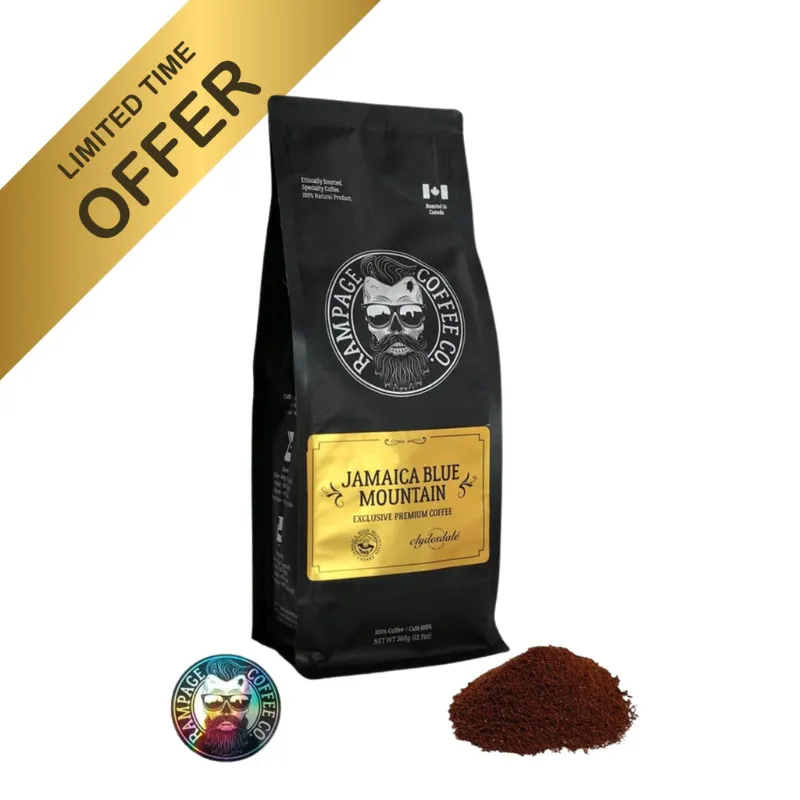
When you’re investing in magnum jamaican blue mountain coffee or other premium beans from a micro roaster, freshness is half the value. Check the latest pricing and our 10% sitewide code to make sure you’re buying quantities you can finish at peak flavor.
Freezing Coffee: Does It Work?
Freezing whole beans can extend freshness for up to three months, *if done correctly*. The key is preventing any moisture contact and freezing only once.
How to freeze coffee beans:
- Divide beans into single-use portions (enough for 3-7 days each).
- Vacuum-seal or use freezer bags with all air pressed out.
- Freeze immediately after opening the original bag.
- Thaw one portion at a time in its sealed bag at room temperature (20-30 minutes).
- Never refreeze.
Freezing is overkill for most drinkers. If you’re buying from a micro coffee roaster and consuming beans within a month, a pantry canister is simpler and just as effective. Reserve freezing for when you’ve bought a large batch at a great price, or when you’ve stumbled on a limited release you want to preserve.
How Often Should You Buy Coffee?
The sweet spot is buying what you’ll consume in two to three weeks. For a daily drinker brewing 12 oz per day, that’s roughly 250-350 grams (about half a pound to three-quarters of a pound). Buying smaller, more frequent orders keeps your coffee perpetually fresh and supports the made-to-order model that makes micro roasted coffee so flavorful in the first place.
The Sustainable Micro-Roastery Is the 4th Wave of Coffee because small batches reduce waste and energy use. When you order just what you need, you’re participating in that cycle, and getting better coffee in your cup.
Quick buying guide:
- 1-2 cups/day: 200-300 g every 2 weeks
- 3-4 cups/day: 400-500 g every 2 weeks
- Occasional drinker: 200 g per month, or try single-serve coffee filter bags to eliminate waste
Small, frequent orders also let you explore different origins and roast profiles without committing to a pound of something you might not love.
Questions
How can you tell if micro roasted coffee beans are still fresh?
Fresh beans smell bold and complex, not flat or dusty. When you brew, the coffee should produce aromatic steam and rich flavor. Stale beans yield a muted aroma and a dull, one-dimensional cup with little sweetness.
Should I refrigerate my coffee after opening the bag?
No. Refrigerators introduce moisture and odors that degrade flavor. Store opened coffee in an airtight container in a cool, dark pantry instead. Freezing works only for long-term storage of unopened or vacuum-sealed portions.
Does whole bean coffee really stay fresh longer than ground?
Yes. Whole beans stay fresh for 2-4 weeks after opening, while ground coffee goes stale in 7-10 days. Grinding exposes vastly more surface area to oxygen, which accelerates flavor loss.
Can I freeze coffee beans to extend freshness?
You can, but only if you vacuum-seal or press out all air, freeze in single-use portions, and thaw each portion only once. For most home drinkers, buying smaller quantities every 2-3 weeks is simpler and just as effective.
How much coffee should I buy at once from a micro roaster?
Buy what you'll drink in 2-3 weeks. For a daily drinker, that's about 250-350 grams. Smaller, more frequent orders ensure you always have fresh beans and reduce waste.
What is the best container for storing opened coffee beans?
An airtight canister made of ceramic or stainless steel with a one-way CO₂ valve is ideal. Store it in a cool, dark pantry away from heat and light. Avoid clear glass jars, which let in damaging UV rays.
Products in this guide
Shopping at Rampage Coffee Co? See the discount code
10% OFF Sitewide
More in this series
Do Coffee Filter Bags Make Stronger Coffee?31 Jul 20264 minBest Ways to Use a Skull Spoon Rest in Your Kitchen31 Jul 20265 minWhat Are Coffee Filter Bags and How Do They Work?31 Jul 20265 minJamaican Blue Mountain vs Regular Coffee: Is It Worth It?31 Jul 20264 minHow to Brew Cold Brew Coffee Bags for Maximum Flavor at Home31 Jul 20265 min