 A Rampage Coffee Co guide
What Are Coffee Filter Bags and How Do They Work?
Coffee filter bags are single-serve pouches filled with ground coffee that brew by steeping in water, delivering clean, convenient coffee without a machine.
What Coffee Filter Bags Are and How They Work
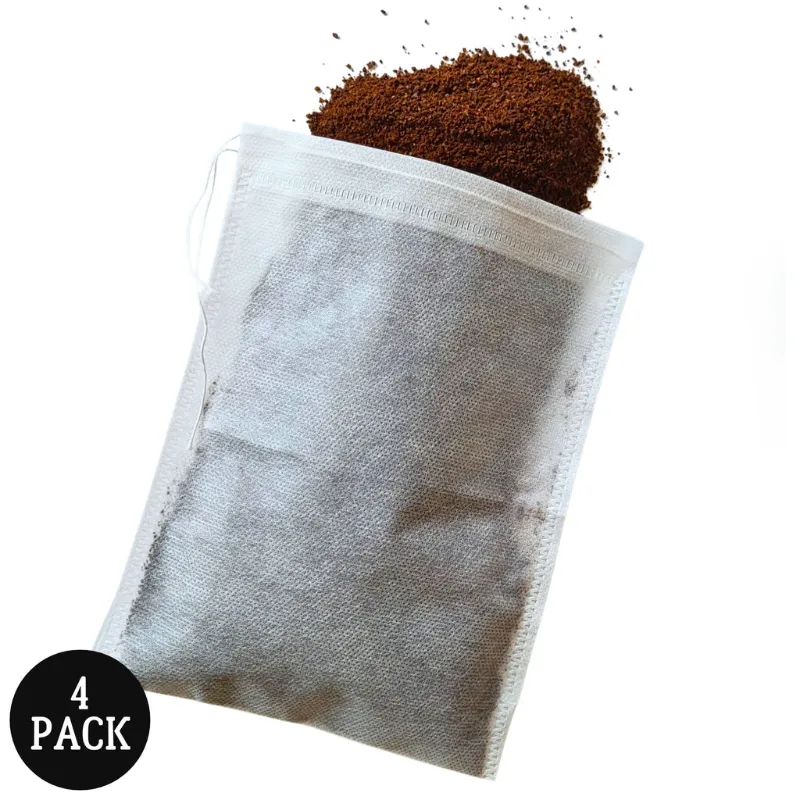
Coffee filter bags are pre-portioned pouches of ground coffee sealed inside a porous filter material that you steep directly in hot or cold water. They work like oversized tea bags: the filter lets water extract flavor and oils while trapping grounds, so you get smooth, sediment-free coffee without a brewer, press, or cleanup. Drop a coffee filter bag into your mug, carafe, or pitcher, let it steep, then pull it out and toss it.
This guide breaks down the mechanics, materials, and practical differences so you know exactly what you’re buying.
How the Brewing Process Works
The filter pouch acts as both portion control and built-in strainer. Inside, coffee grounds sit loose enough for water to circulate but contained enough that none escape. When you submerge the bag, water flows through the porous walls, dissolves solubles, and carries flavor back out. Steeping time determines strength: three to five minutes for hot coffee, twelve to twenty-four hours for cold brew.
Hot-water brewing extracts quickly because heat accelerates chemical reactions. Most single-serve pouches are sized for eight to twelve ounces and optimized for temperatures between 195 and 205 °F. Pull the bag out when you hit your preferred intensity.
Cold-brew steeping relies on time instead of temperature. Cold brew coffee bags often hold more grounds (up to two ounces per pouch) because the slower extraction needs a higher coffee-to-water ratio. You steep them in the fridge or at room temperature, and the result is a concentrated, low-acid base you can dilute or drink straight. Many cold-brew enthusiasts prefer filter pouch coffee for the convenience of pulling out a single bag instead of straining a slurry through cheesecloth.
For a detailed recommendation list, former baristas highlight specific cold-brew bag brands that balance grind size and filter permeability.
Disposable vs Reusable Coffee Filter Bags
Disposable coffee filter bags are single-use pouches pre-filled by the roaster or sold as empty sachets you fill yourself. Pre-filled versions guarantee consistent grind size and dosing, while DIY empties let you choose your own beans. Most disposables use unbleached paper or food-grade non-woven fabric that biodegrades faster than plastic pods. Toss them in compost or trash after one steep.
Reusable coffee filter bags are typically made from fine cotton, hemp, or nylon mesh. You fill them with your favorite micro roasted coffee, cinch the drawstring, steep, then rinse and reuse. They cut per-cup cost and waste but require washing between uses. We recommend boiling reusable bags every few weeks to strip accumulated oils that turn rancid and muddy flavor.
| Feature | Disposable | Reusable |
|---|---|---|
| Convenience | Pre-filled, toss after use | Requires filling and cleaning |
| Cost per cup | Higher | Lower after initial purchase |
| Environmental impact | Compostable paper or landfill | Washable, lasts months to years |
| Flavor consistency | Roaster-controlled grind | Varies with your grind and dose |
We find disposables ideal for travel, camping, or office breaks, while reusables suit home brewing when you want full control over bean origin and roast level.
Materials and Filter Permeability
Most coffee filter bags use one of three materials, each affecting flow rate and sediment control.
- Unbleached paper: The most common disposable material, similar to drip filters. It traps fine particles well and imparts minimal taste. Paper bags work for both hot and cold brewing but may tear if agitated too roughly.
- Non-woven fabric: Synthetic or plant-fiber blends that look like thick tea-bag material. Slightly more durable than paper and often sized larger for cold brew coffee bags. Check that the fabric is food-safe and free of adhesives.
- Mesh cloth: Cotton, hemp, or nylon weave used in reusable designs. The mesh is coarser, so you may see trace sediment with very fine grinds. Nylon dries faster and resists mold better than natural fibers.
Filter permeability matters because water needs to flow freely without channeling around the grounds. Commercial paper pouches are engineered with pore sizes that balance extraction speed and particle retention.
Choosing the Right Size and Strength
Single-serve hot pouches usually hold eight to fifteen grams of coffee, enough for one standard mug. Cold-brew bags hold much more (twenty to sixty grams) because you’re steeping a concentrate meant for dilution or larger servings.
To match your needs:
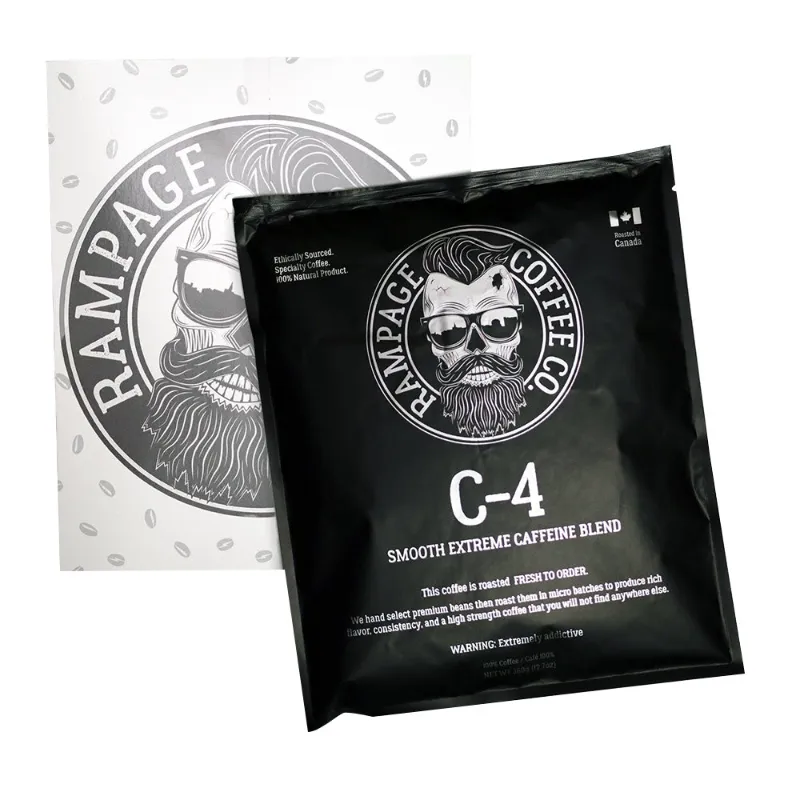
- Single mug, hot: Look for pouches labeled 8 to 12 oz yield. Rampage Coffee Co’s filter pouch coffee is pre-portioned for this range.
- Cold-brew concentrate: Choose bags with at least 1.5 oz of grounds and plan for a quart of water per bag.
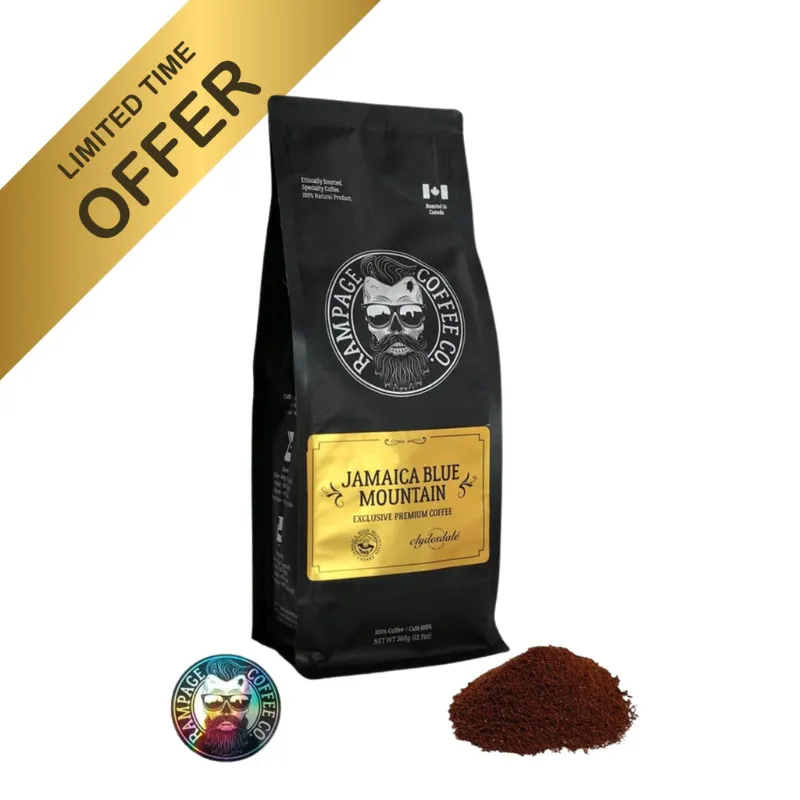
- Premium beans: If you want to showcase a single-origin like magnum jamaican blue mountain coffee, use a reusable mesh bag so you can dose precisely and avoid waste.
Check the latest pricing and grab the code if you’re stocking up; Rampage Coffee Co currently offers 10% off sitewide.
Best Uses and Who They Suit
Coffee filter bags shine in scenarios where convenience, portability, or cleanup matter more than ritual.
- Travel and camping: No brewer, grinder, or fragile pour-over cone to pack. Just hot water and a mug.
- Office or dorm: Brew in a carafe or pitcher, steep multiple bags for a group, and skip the communal pot that’s been burning since 7 a.m.
- Cold-brew newcomers: Steeping cold brew coffee bags in a pitcher overnight is far simpler than managing a Toddy system or French press.
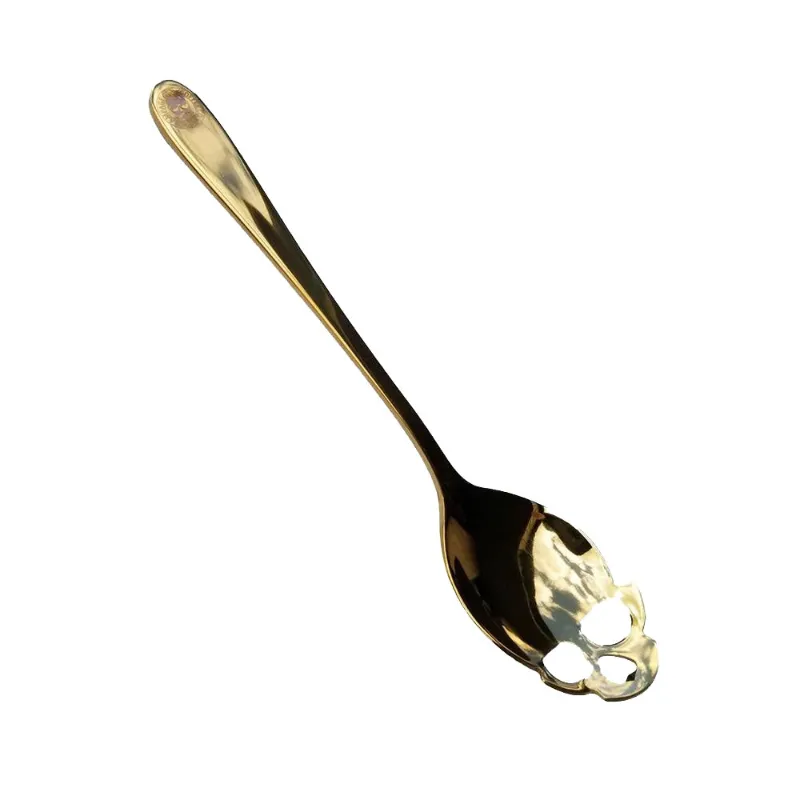
- Gifting: Pair a selection of single-origin pouches with a skull spoon rest or other coffee accessories for a low-commitment introduction to specialty roasts.
They’re less ideal if you want to tweak grind size, water ratio, or bloom time, traditional methods give you those controls. But for grab-and-go consistency, filter bags deliver every time.
Care, Storage, and Shelf Life
Disposable bags stay fresh as long as the coffee inside does. Store them in an airtight container or the original resealable pouch, away from light and moisture. Most roasters nitrogen-flush pre-filled pouches, so shelf life matches whole-bean coffee, two to six months from roast date for peak flavor.
Reusable bags need a quick rinse under hot water immediately after use to prevent grounds from drying into the mesh. Every few brews, wash with unscented dish soap or run through a sanitize cycle. Boil them monthly to dissolve coffee oils. Let them air-dry completely before storing to avoid mildew. Replace reusable bags when the mesh stretches, tears, or retains stale odors despite cleaning.
If you’re brewing cold concentrate regularly, keep a rotation of two or three reusable pouches so one is always clean and dry. For occasional use, a single bag will last a year or more with proper care.
Where to Buy and Save
Rampage Coffee Co stocks both pre-filled and empty filter pouches, plus a rotating selection of micro roasted coffee you can pair with reusable bags. Visit the discount page to apply the current 10% sitewide offer at checkout, it works on all bag formats and coffee varieties, including limited releases.
We recommend starting with a small variety pack of disposable cold-brew bags if you’re new to the format, then upgrading to reusable mesh if you find yourself brewing multiple pitchers a week. Either way, you’ll skip the grind, the press, and the cleanup, and still end up with coffee that tastes clean and balanced.
Questions
Can you reuse disposable coffee filter bags?
Disposable paper and non-woven bags are designed for single use and lose structural integrity after the first steep. Reusing them results in weak coffee and often torn filters that leak grounds.
How long do you steep coffee filter bags for cold brew?
Steep cold brew coffee bags for twelve to twenty-four hours in the refrigerator or at room temperature. Longer steeping extracts more concentrate, but beyond twenty-four hours you may get bitter or overly astringent notes.
Are coffee filter bags biodegradable?
Most unbleached paper and natural-fiber pouches are compostable, though some blends contain small amounts of synthetic binder. Check the packaging for certifications if composting is a priority.
What grind size works best in reusable filter bags?
Use a medium to medium-coarse grind for reusable mesh bags. Fine espresso grinds clog the mesh and slow extraction, while very coarse grinds under-extract and taste weak.
Do filter pouch coffee and regular drip taste different?
Filter pouch coffee uses full immersion like a French press, so it extracts more oils and body than paper drip. The result is often richer and slightly heavier on the palate, but still clean because the filter traps sediment.
Can I use cold brew coffee bags with hot water?
Yes, but the coffee-to-water ratio will be too strong for a single serving. Cold brew bags are dosed for concentrate, so either use less water or dilute the result after a short steep.
Products in this guide
Shopping at Rampage Coffee Co? See the discount code
10% OFF Sitewide
More in this series
Do Coffee Filter Bags Make Stronger Coffee?31 Jul 20264 minBest Ways to Use a Skull Spoon Rest in Your Kitchen31 Jul 20265 minHow Long Do Micro Roasted Coffee Beans Stay Fresh After Opening?31 Jul 20265 minJamaican Blue Mountain vs Regular Coffee: Is It Worth It?31 Jul 20264 minHow to Brew Cold Brew Coffee Bags for Maximum Flavor at Home31 Jul 20265 min