 A Pettypurse guide
How Long Do Decorative Card Stickers Last on Bank Cards?
A blue tones watercolor waves bank card sticker typically lasts 6 to 12 months with daily wallet use, depending on material quality and care habits.
How long a blue tones watercolor waves bank card sticker lasts depends on material thickness, adhesive quality, how often you swipe or tap your card, and whether the sticker experiences friction inside your wallet.
What Determines How Long Card Stickers Last
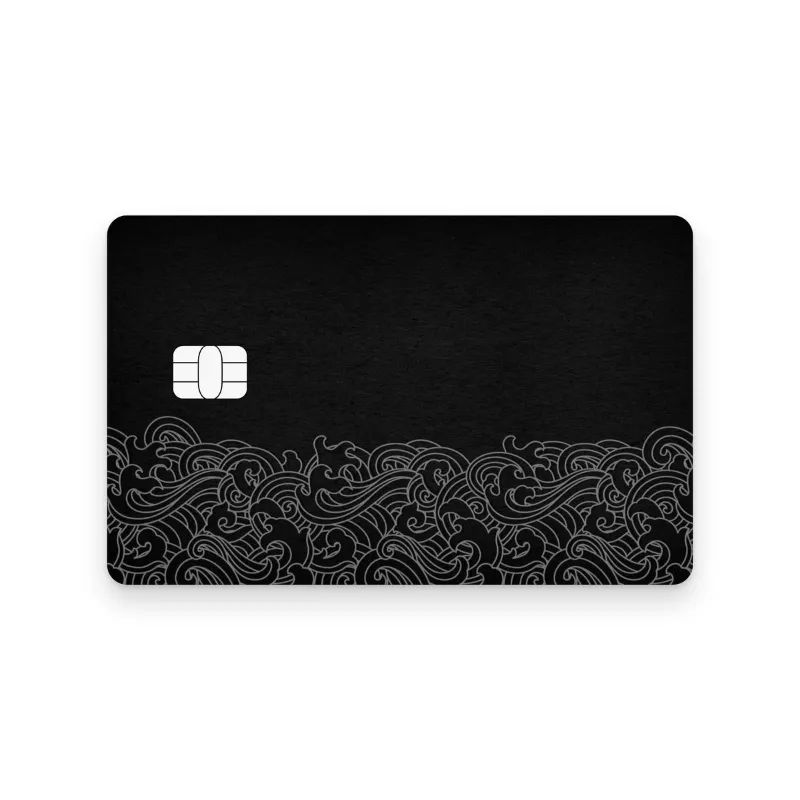
Material composition plays the biggest role in longevity. Most decorative card stickers use vinyl or PVC layers ranging from 0.1 mm to 0.3 mm thick. Thicker stickers resist peeling and scratching better than ultra-thin designs, but they can interfere with contactless payment readers if they exceed 0.2 mm. The blue tones watercolor waves bank card sticker uses a mid-weight vinyl that balances durability with tap-to-pay compatibility.
Adhesive type matters just as much as the top layer. Permanent acrylic adhesives bond strongly but can leave residue when removed, while repositionable adhesives make swapping designs easier but may lift at the edges after a few months.
Your card’s surface texture also impacts adhesion. Smooth plastic cards hold stickers better than textured or metal cards. If you use a metal credit card, expect a shorter sticker life due to reduced surface bonding.
Daily Habits That Shorten or Extend Sticker Life
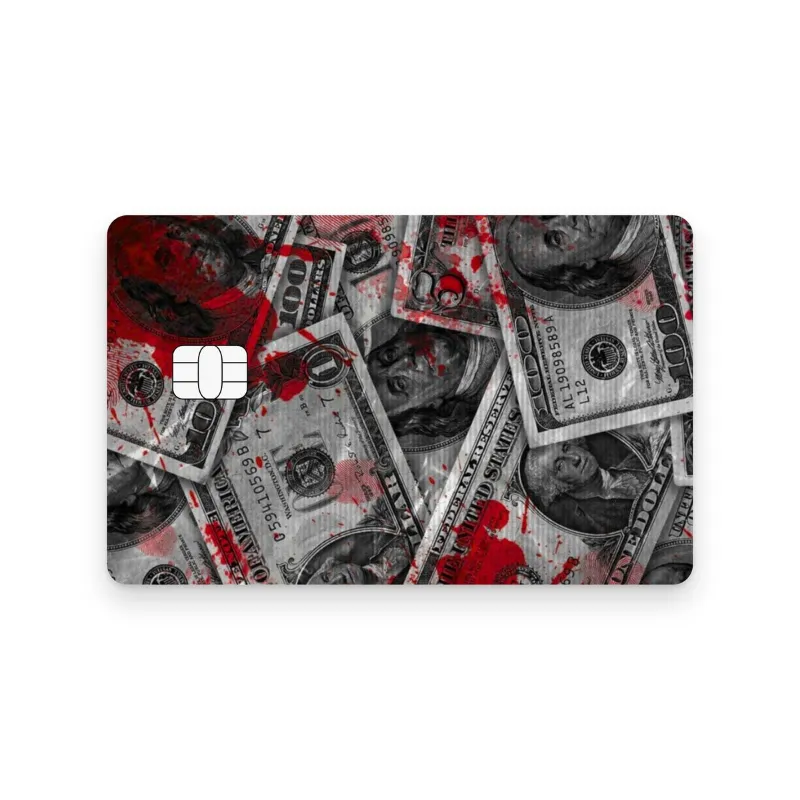
How you handle your card affects how long a sticker lasts. Cards stored loose in pockets suffer more abrasion than cards kept in dedicated wallet slots. The blood money wallet features individual card slots that reduce friction.
- ATM and chip reader insertion causes edge wear fastest, especially on the top and bottom borders where the card slides against the slot
- Contactless tapping generates minimal physical stress but repeated impacts can loosen adhesive over time
- Frequent card swapping in and out of wallets accelerates corner peeling
- Exposure to heat above 140°F (like dashboard storage in summer) softens adhesive and causes bubbling
- Moisture contact from rain, spills, or humid environments degrades paper-backed stickers within weeks
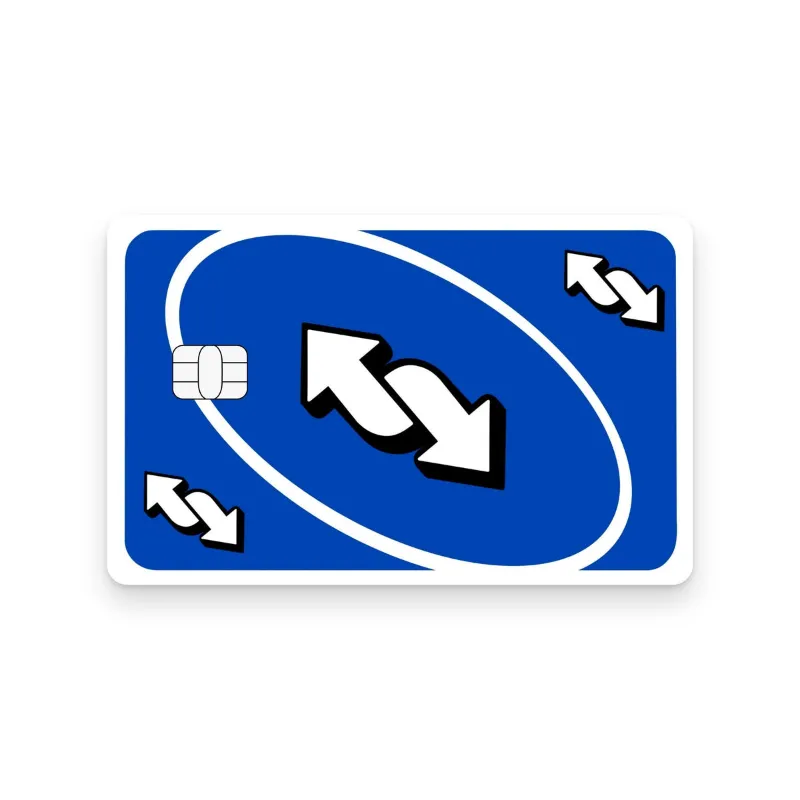
We recommend rotating between multiple cards if you want a sticker to last longer. A card used 3 to 4 times per week will preserve its uno reverse card sticker far better than one swiped daily at lunch and coffee runs.
Comparing Sticker Types and Expected Durability
Watercolor patterns like the blue tones design can show fading more visibly than solid graphics. If you want long-lasting color vibrancy, check the latest pricing for UV-resistant options.
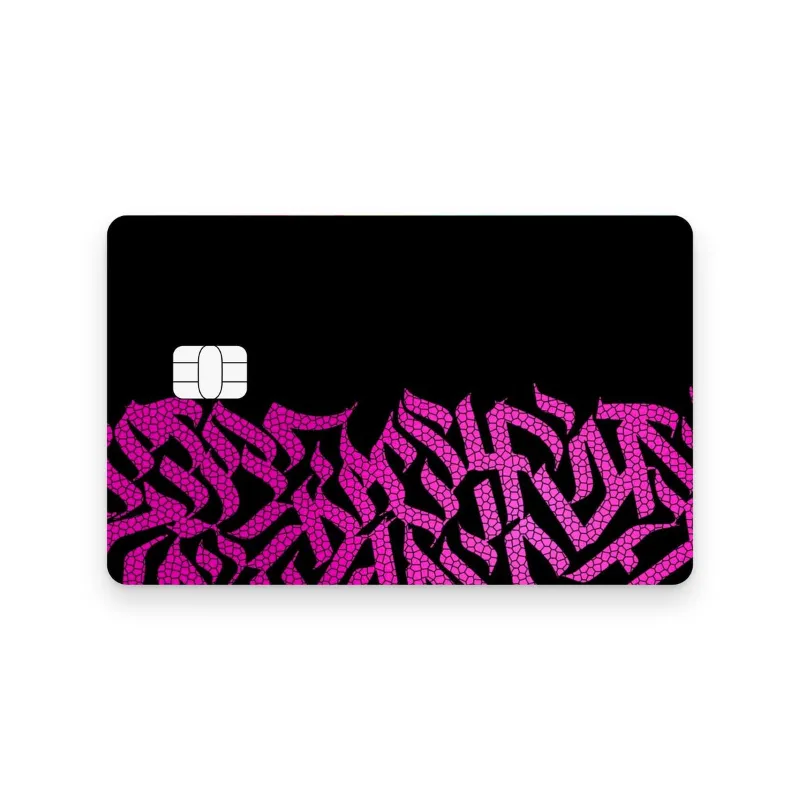
The pink graffiti sticker uses a scratch-resistant coating.
How to Apply Stickers for Maximum Longevity
Proper application helps a card sticker last longer. Clean your card with isopropyl alcohol and let it dry completely before applying the sticker. Oils from fingerprints create adhesion gaps that trap air and moisture, causing premature peeling.
Align the sticker carefully in one smooth motion rather than repositioning multiple times. Each lift and re-stick weakens the adhesive bond. Use a credit card edge or squeegee to press from the center outward, eliminating air bubbles that create weak spots.
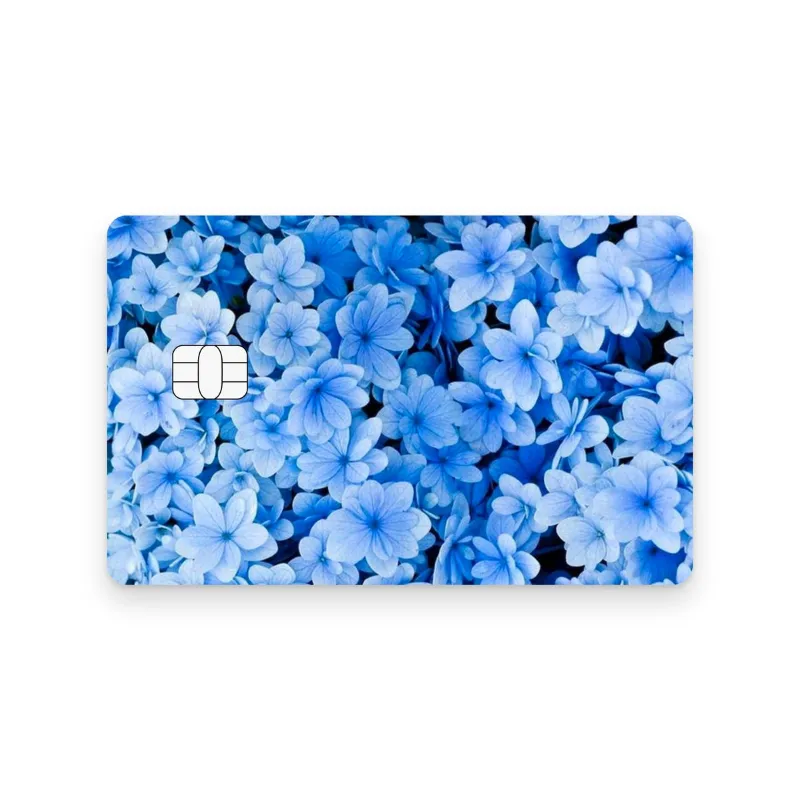
Avoid using your newly stickered card for 24 hours after application. This curing period lets the adhesive reach full bond strength. While you wait, apply hydrangea stickers or purse stickers to accessories that don’t require the same adhesion standards.
Signs Your Card Sticker Needs Replacement
Watch for these indicators that your decorative sticker has reached the end of its lifespan:
- Corner lifting more than 2 mm from the card surface
- Visible color fading that makes designs look washed out
- Bubbling or wrinkling in the center area, not just edges
- Adhesive residue appearing around sticker borders
- Interference with tap payments requiring multiple attempts to read
Some edge wear is normal and doesn’t immediately require replacement. Once lifting reaches the chip or magnetic stripe area, though, remove and replace the sticker to avoid payment processing issues. You can grab the code for 10% off when refreshing your card’s look with a new design.
Small scratches on the sticker surface are cosmetic and don’t affect card function. If the aesthetic matters to you, plan to swap stickers when they start to look worn to maintain that fresh, crisp appearance.
Who Should Use Long-Lasting Card Stickers
Decorative card stickers work best for people who want personalization without permanent modification. They suit daily carry cards like debit and credit cards, transit passes, employee badges, and hotel key cards. We don’t recommend them for cards you insert into ATMs or gas pumps more than twice weekly, since those high-friction environments wear stickers faster.
Students and professionals who carry multiple cards benefit most from stickers as visual identifiers. A blue tones watercolor waves bank card sticker on your checking card and an uno reverse card sticker on your savings card eliminates fumbling through identical bank cards in a hurry.
If you swap wallet styles seasonally or like refreshing your accessories every few months, card stickers align perfectly with that rotation schedule. Because stickers wear out over time, you can coordinate with new blood money wallet purchases or match seasonal color palettes without long-term commitment.
Replacing stickers when they wear keeps designs looking intentional rather than worn, and the low cost per refresh makes experimentation easy when you want to try new patterns or colors.
Questions
Do card stickers interfere with contactless payment?
Stickers under 0.2 mm thick typically don't affect tap-to-pay functionality. Thicker stickers or multiple layers can reduce read range, requiring you to hold the card closer to the reader.
Can I remove a card sticker without damaging my card?
Yes, peel slowly from one corner at a 45-degree angle. Use isopropyl alcohol on a cloth to remove any adhesive residue. Avoid sharp tools that can scratch the card surface or chip.
Will the blue tones watercolor waves bank card sticker fade in sunlight?
Direct sunlight fades printed stickers over time, so cards kept in wallets or purses keep their color longer.
How many times can I reuse a card sticker?
Card stickers with permanent adhesive are designed for one-time application. Repositionable stickers can be moved once or twice immediately after application, but adhesive strength drops with each removal.
Do card stickers work on metal credit cards?
They adhere to metal cards but may not last as long due to weaker bonding and increased friction. Clean the metal surface thoroughly before application for best results.
What's the best way to store stickered cards?
Store cards in individual wallet slots rather than stacked together. Avoid hot environments above 140°F and keep cards away from keys or coins that cause scratching. Dedicated card slots reduce friction on the sticker.
Products in this guide
 Shopping at Pettypurse? See the discount code
10% OFF All Orders
Shopping at Pettypurse? See the discount code
10% OFF All Orders
More in this series
Uno Reverse Card Sticker: Where to Use It and Why It’s Popular24 Aug 20264 minBest Wallet Stickers and Card Stickers for Personalizing Your Everyday Carry24 Aug 20265 minDo Stickers Ruin Your Credit Cards? What You Need to Know24 Aug 20264 minBlood Money Wallet Review: Is This Edgy Design Worth It?24 Aug 20263 minHow to Apply Card Stickers Without Bubbles or Damage24 Aug 20265 min