 A Pettypurse guide
How to Apply Card Stickers Without Bubbles or Damage
Applying a blue tones watercolor waves bank card sticker bubble-free takes the right prep, angle, and smoothing technique—we walk you through every step.
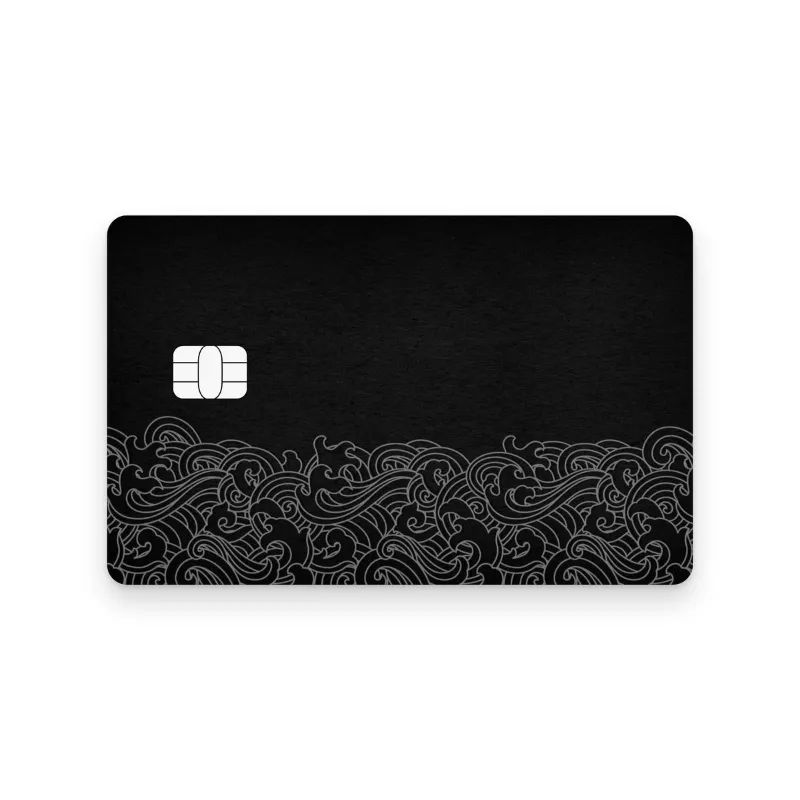
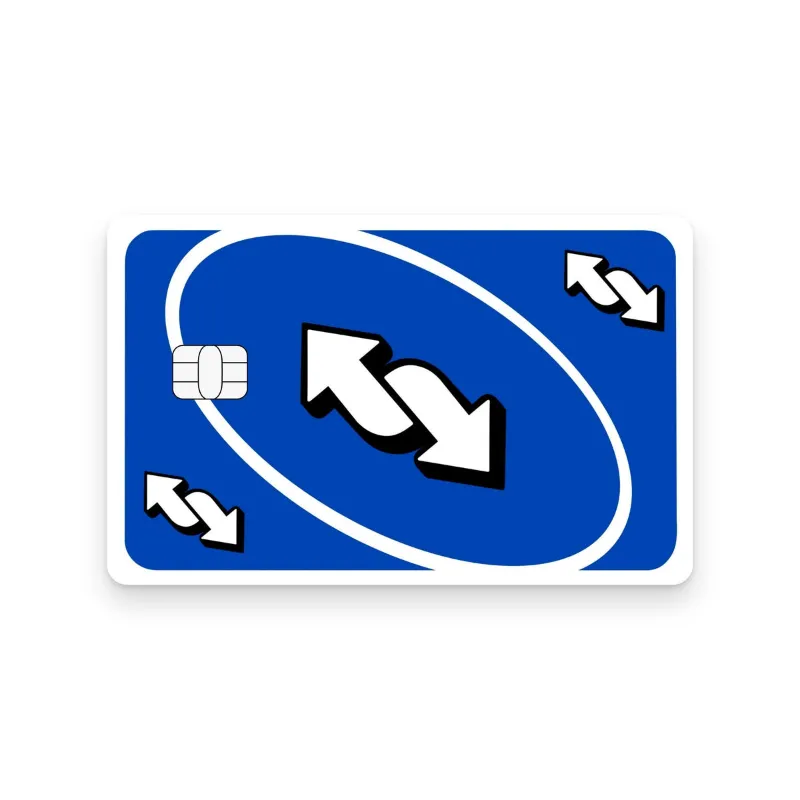
Applying a blue tones watercolor waves bank card sticker correctly means no bubbles, no peeling edges, and no residue left behind when you’re ready for a refresh. Whether you’re personalizing your payment cards with a blue tones watercolor waves bank card sticker, adding an uno reverse card sticker for humor, or decorating accessories with purse stickers, the technique stays the same.
Clean and Prep Your Card Surface
Oil, fingerprints, and dust are the top causes of bubbles and premature peeling. Before you peel any backing, wipe your card with isopropyl alcohol (70% or higher) on a lint-free cloth or microfiber towel. Let the surface air-dry completely, usually 30 to 60 seconds depending on humidity.
- Use alcohol wipes designed for electronics or eyeglasses if you don’t have isopropyl on hand
- Avoid household cleaners that leave residue or film
- Work in a clean, dust-free space; bathroom steam or outdoor wind will introduce particles
- Check current pricing and grab the code before ordering your stickers so you lock in the discount
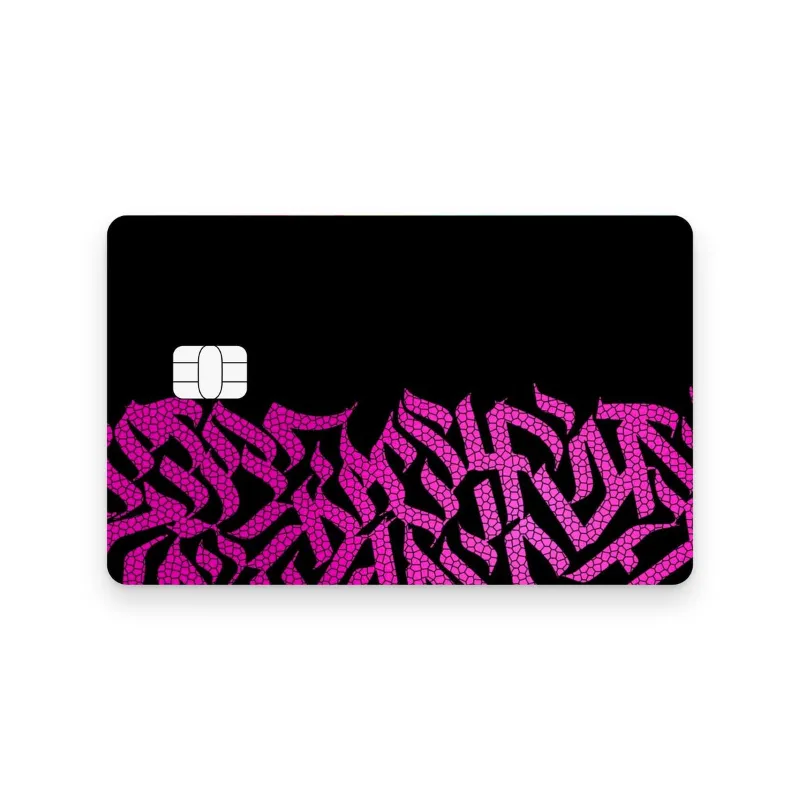
If your card has a textured or embossed surface (raised numbers or logos), know that some stickers may not adhere perfectly to those ridges. Most vinyl card stickers, including the blue tones watercolor waves bank card sticker, are thin enough to conform to slight texture, but heavily embossed cards work better with flat-surface stickers like the pink graffiti sticker applied to smooth wallets or phone cases instead.
Peel and Position Without Touching the Adhesive
Peel back only a corner of the backing (about a quarter inch) so you maintain control. Align that exposed corner to one edge of your card, matching the sticker’s edge to the card’s edge as closely as possible. This anchor point is critical: if you start crooked, the entire sticker will sit off-center.
- Hold the sticker by the backing paper, never by the exposed adhesive
- Use the card’s corner as a visual guide; most card stickers are cut to standard credit-card dimensions
- If the sticker is slightly larger, decide now whether you’ll trim it or let it wrap over the edge (wrapping adds durability but may catch on card readers)
- Work on a flat, hard surface like a table or countertop, not in your hand
Once the corner is anchored, peel the backing away slowly (no more than an inch at a time) while lowering the sticker onto the card. This gradual reveal prevents air pockets from forming underneath.
Smooth From Center Outward to Eliminate Bubbles
As you lay the sticker down, use a credit card edge, squeegee, or even your fingernail wrapped in a soft cloth to smooth from the center toward the edges. Push any trapped air out the sides with firm, even strokes. Work outward from the middle rather than in one direction (left to right or top to bottom) to avoid trapping air underneath.
- Apply moderate pressure; too light leaves bubbles, too hard can stretch vinyl stickers
- If a bubble appears, lift the nearest edge gently and re-smooth
- For stubborn bubbles smaller than a pinhead, a sterile needle prick followed by smoothing will release the air without visible damage
- Avoid sliding the sticker once it’s adhered; most adhesives bond stronger the longer they sit, and repositioning after 10 seconds can leave residue
The uno reverse card sticker and similar novelty designs often have intricate die-cut edges, so take extra care around those details. Smooth each finger or shape individually if needed.
Let the Adhesive Cure Before Use
Most card stickers reach full bond strength after 24 hours, though you can use the card gently after an hour. Avoid bending, inserting into tight card slots, or exposing the sticker to water or heat during the first day.
- Store the card flat in a wallet or drawer overnight
- Skip the washing machine, dishwasher, or any liquid exposure for at least 24 hours
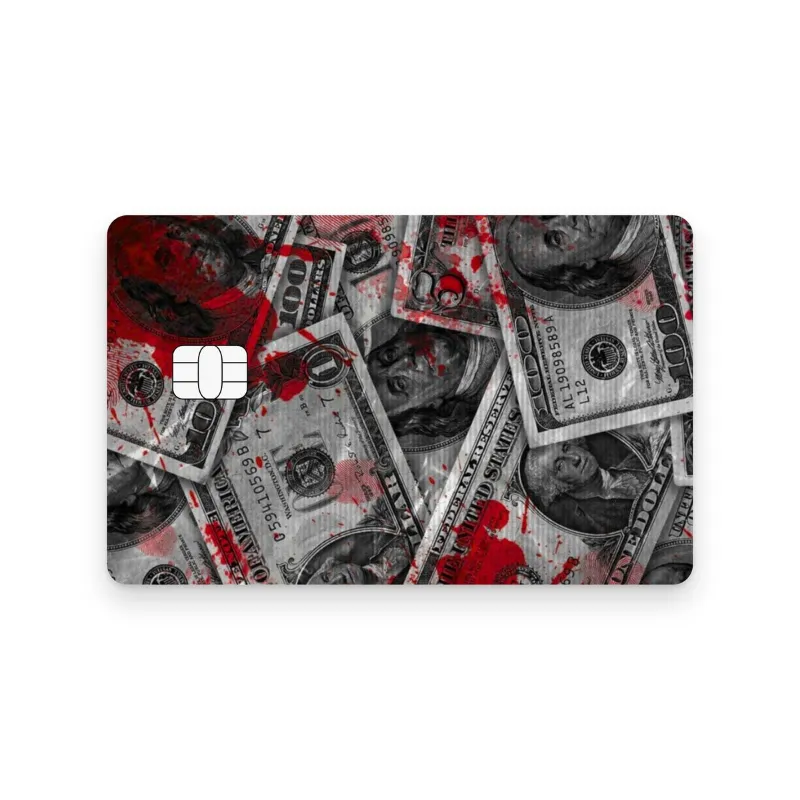
- If you applied stickers to a blood money wallet or other accessory, let it rest without heavy items stacked on top
- Check the latest pricing and discount code if you’re ordering multiple designs to decorate a set of cards
After the cure period, the sticker should feel like part of the card surface, smooth, secure, and resistant to everyday wear.
Choosing the Right Sticker for Your Card Material
Not all stickers work equally well on every card. Here’s how material pairing affects longevity and application ease.
| Card Material | Best Sticker Type | Notes |
|---|---|---|
| Smooth plastic (most credit/debit cards) | Vinyl or laminated paper | Adheres perfectly; minimal bubbles |
| Textured or embossed plastic | Thin vinyl only | Thicker stickers may peel at ridges |
| Metal cards | High-tack vinyl | Standard adhesive may not bond; test a corner first |
If you’re decorating accessories rather than cards (laptops, water bottles, or the exterior of a wallet) the same bubble-free technique applies. The pink graffiti sticker and purse stickers are popular for personalizing bags and cases, and the smooth-from-center method works identically.
Removing Stickers Without Residue or Damage
When you’re ready to swap designs, peel slowly from one corner at a 45-degree angle. If the sticker resists or leaves adhesive behind, warm it gently with a hairdryer on low heat for 10 to 15 seconds, then peel. The heat softens the adhesive without warping the card.
- Use isopropyl alcohol or adhesive remover (like Goo Gone) on a cloth to wipe away any leftover residue
- Never use a razor blade or sharp tool directly on the card; you’ll scratch the plastic
- If the card has a magnetic stripe, avoid excessive heat near that area to prevent demagnetization
- Most vinyl stickers, including the blue tones watercolor waves bank card sticker, remove cleanly if you peel within six months; older stickers may require more heat
We recommend rotating designs every few months to keep your cards looking fresh and to prevent adhesive from bonding so strongly that removal becomes difficult. Grab the code and stock up on a few designs so you’re always ready for a quick refresh.
Who Card Stickers Suit Best
Card stickers appeal to anyone who wants a personalized, recognizable card in a crowded wallet or who simply enjoys aesthetic customization. We see them used by:
- College students and young professionals who want their cards to stand out at coffee shops or bars
- Parents who share similar-looking cards and need a visual identifier
- Small business owners who hand cards to clients and want a memorable brand touch
- Anyone building a cohesive aesthetic across their everyday-carry items, pairing card designs with wallet and bag stickers
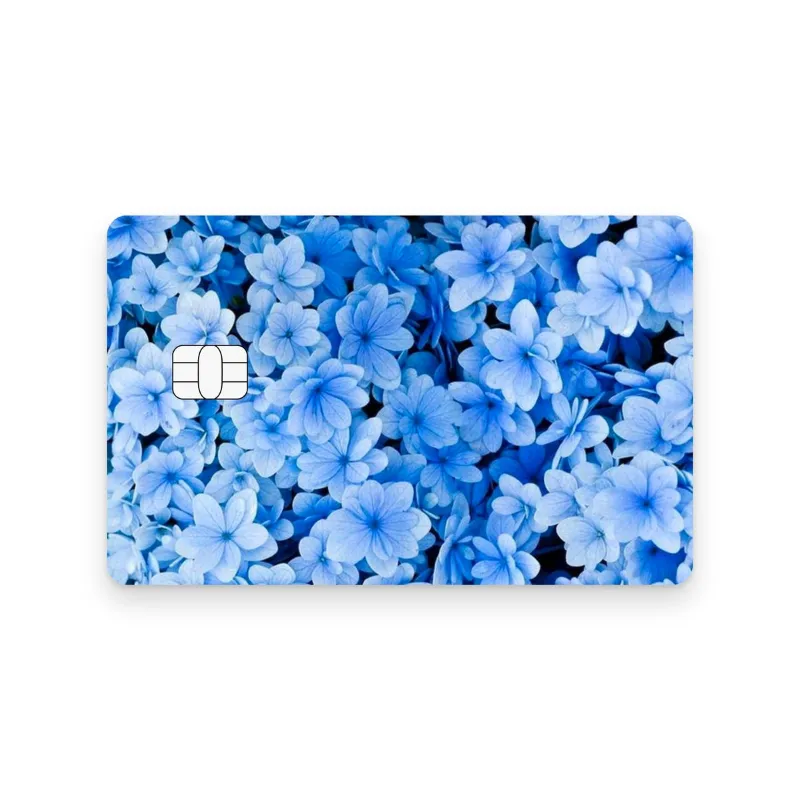
If you value a clean, minimal look, a single statement sticker like the blue tones watercolor waves bank card sticker works beautifully. If you prefer bold, layered designs, combine smaller accent stickers like the hydrangea stickers on cards and the purse stickers on your wallet for a curated set.
The application process is straightforward once you understand the rhythm: clean thoroughly, anchor carefully, smooth outward, and let it cure. Follow these steps and your stickers will look professionally applied, bubble-free, and ready to last through hundreds of swipes, taps, and daily uses.
Questions
Will a blue tones watercolor waves bank card sticker damage my credit card?
No, vinyl card stickers use removable adhesive that won't harm the card surface or magnetic stripe when applied and removed correctly. Clean the card before applying and peel gently when removing to avoid any residue.
Can I use card stickers on metal credit cards?
Yes, but you'll need high-tack vinyl stickers since metal surfaces are less porous than plastic. Test a corner first to ensure the adhesive bonds, and allow a full 24-hour cure period before heavy use.
How do I fix air bubbles after applying a card sticker?
Lift the nearest edge gently and smooth outward again with a credit card edge or squeegee. For tiny bubbles, prick with a sterile needle and press flat. Most bubbles disappear if you catch them within the first few minutes.
Do card stickers interfere with tap-to-pay or chip readers?
No, thin vinyl stickers don't block NFC or chip functionality.
How long do card stickers last with daily use?
Most vinyl card stickers last three to six months with daily swiping, tapping, and wallet storage. Edges may lift slightly over time, but proper application and a 24-hour cure period maximize durability.
Can I apply purse stickers the same way as card stickers?
Yes, the clean-anchor-smooth technique works identically on wallets, bags, phone cases, and other accessories. Just ensure the surface is clean, dry, and smooth for the best adhesion.
Products in this guide
 Shopping at Pettypurse? See the discount code
10% OFF All Orders
Shopping at Pettypurse? See the discount code
10% OFF All Orders
More in this series
Uno Reverse Card Sticker: Where to Use It and Why It’s Popular24 Aug 20264 minHow Long Do Decorative Card Stickers Last on Bank Cards?24 Aug 20264 minBest Wallet Stickers and Card Stickers for Personalizing Your Everyday Carry24 Aug 20265 minDo Stickers Ruin Your Credit Cards? What You Need to Know24 Aug 20264 minBlood Money Wallet Review: Is This Edgy Design Worth It?24 Aug 20263 min