 A Cuddobaby guide
How Long Can Your Baby Use a Bouncy Seat or Bar Bouncer? Age and Weight Limits Explained
A bouncy seat is safe from birth to around 6 months, but the real limits are weight, developmental milestones, and your seat's label, and here is how to know exactly when to stop.
Most babies can use a bouncy seat from birth until around 6 months, or until they hit the manufacturer’s weight limit or can sit up unaided, whichever comes first. A bar bouncer often stretches a little longer because of its sturdy frame and higher weight range, but every seat is different, and the exact limit is printed on the label and in the manual. Here is how to work out the safe window for your baby, and what to move them onto next.
Bouncy Seat Age and Weight Limits: The Short Answer
There is no single universal age cut-off for a bouncy seat, because limits vary by model. What you can rely on are these three stop signals:
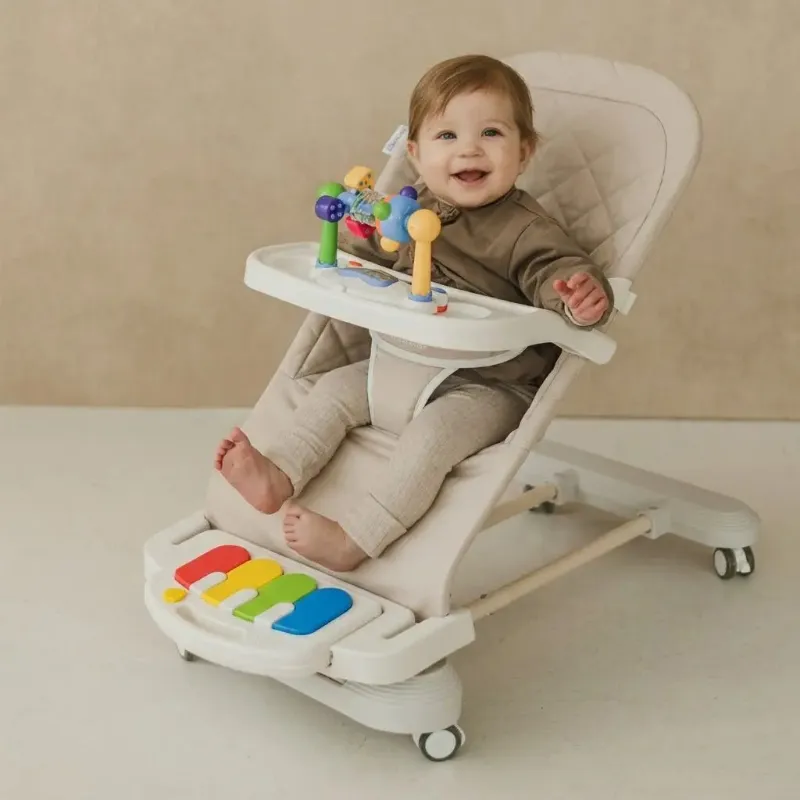
- Weight limit reached. Most bouncy seats and bar bouncers top out between roughly 18 and 29 lbs (about 8 to 13 kg). The Cuddobaby bouncy seat lists its exact maximum on the product page, so check the latest price and specs before you buy.
- Baby sits up unaided. The moment your baby can push up to sitting or roll over forcefully, a reclined bouncy seat becomes a tip or climb risk. This usually happens between 5 and 7 months.
- Baby is too mobile in the seat. Kicking off the frame, arching, or twisting sideways are signs the seat has done its job.
Until then, a bouncy seat is genuinely useful. It keeps newborns in a safe, slightly reclined position while you shower or cook, and the gentle bounce soothes babies who want motion. Independent testers at Best Baby Bouncers of 2026 consistently rank simple, low-tech bouncers among the safest and easiest to use.
Bouncy Seat for Newborn: What Changes in the First Months
A bouncy seat for newborn use is all about recline angle and head support. In the earliest weeks:
- Use the most reclined position so your baby’s airway stays open.
- Check that the head and body insert (if included) fits snugly, not loosely.
- Keep sessions short and supervised. A bouncy seat is a awake-time spot, not sleep furniture. If your baby falls asleep, transfer them to a flat, firm sleep surface.
Never place a bouncy seat on a table, bed, or sofa. It belongs on the floor only, and the safety data on infant sleep surfaces from groups like the AAP is clear that inclined or semi-upright sleep is unsafe.
Bar Bouncer vs Bouncy Seat: Which Lasts Longer?
If longevity is your priority, the frame design matters as much as the fabric.
| Feature | Bouncy seat | Bar bouncer |
|---|---|---|
| Typical usable window | Birth to ~6 months | Birth to ~6-12 months (model dependent) |
| Weight range | Usually lower | Usually higher |
| Height | Low, floor-level | Elevated, with a taller frame |
| Best for | Newborn soothing, quick hands-free moments | Longer daily use, more bounce range |
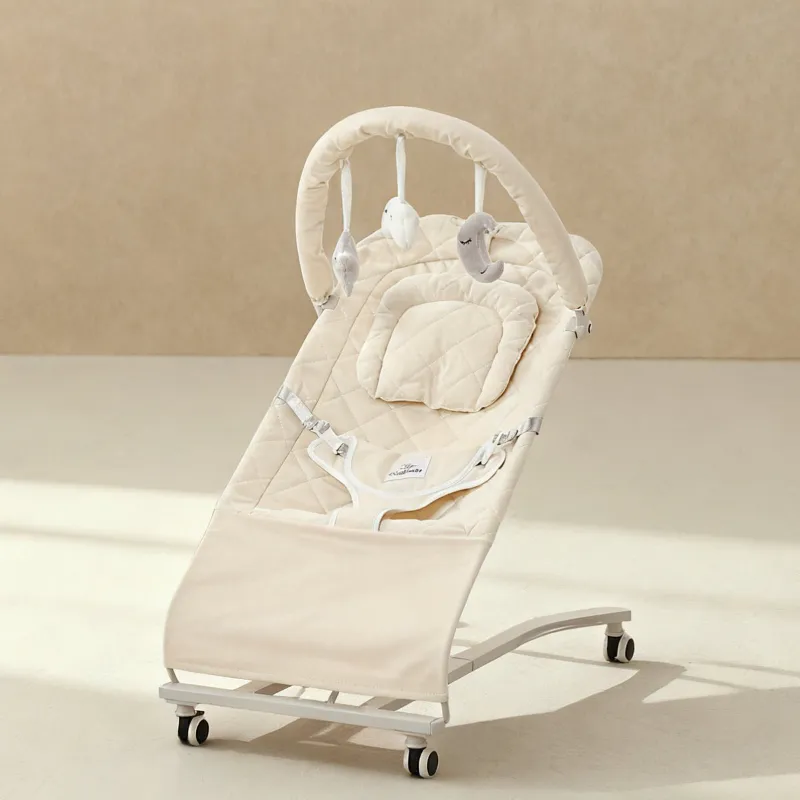
A bar bouncer like the Cuddobaby bar bouncer uses a rigid tubular frame with a fabric seat that hooks on, so it typically carries a higher weight limit and can even convert to a toddler chair on some models. A classic bouncy seat is lighter and portable, which makes it better for a bouncy seat for 6 month old transitions and travel. If you want one purchase that grows, the bar bouncer usually wins; if you want grab-and-go convenience, the seat wins.
Bouncy Seat for 6 Month Old: When to Stop and What Comes Next
By 6 months, most babies have outgrown the bouncing stage and are ready for something that lets them stand, spin, and grab. The natural next step is a baby activity center, which keeps a sitting or standing baby busy safely. Once they are cruising confidently, a baby activity mat is still useful for tummy time roll-overs and early crawling, and many families keep using it well into the first year.
Quick transition plan:
- 0 to 5 months: bouncy seat for naps-avoiding awake time, feeding breaks, and soothing.
- 5 to 7 months: activity center once baby can hold their head up steadily and shows interest in standing.
- 6 to 12 months: activity mat and floor play become the main event.
Bouncy chairs for students and older kids exist, but they are a different category entirely; a baby bouncy seat is not designed as a bouncy seat for toddler use. If your toddler still wants a bounce spot, look at products explicitly rated for their age and weight.
How to Check Your Specific Seat’s Limit
Do not guess. Every seat tells you its limits somewhere, and it takes 30 seconds to find:
- On the label. Look under the seat pad or on the frame for a sewn-in tag with the maximum weight.
- In the manual. The front page lists the weight and developmental limits.
- On the product page. If you bought a Cuddobaby bouncy seat or bar bouncer, the specs are listed at the store, and our readers can grab the code for 10% off any order when buying.
When in doubt, follow the developmental limit, not just the weight. A 14 lb baby who has just learned to sit up is past the seat, even if the weight limit says otherwise.
Care Tips That Extend the Safe Life of Your Bouncy Seat
Fabric wears out before frames do, and a saggy seat pad is a real safety issue because it changes the recline angle.
- Wash the pad on gentle and air dry it so the padding keeps its shape.
- Check the buckles and harness monthly. Any frayed strap or cracked clip means retire the seat.
- Inspect the frame joints on a bar bouncer for wobble or corrosion, especially after washing spills or teething drool.
- Never second-hand an unknown seat. If you borrow one with no manual and no label, you cannot verify the limit, and seats do get recalled.
Testers at The Best Baby Bouncers | Tested & Ranked note that simple mechanical bouncers tend to hold up longer than battery-powered ones, partly because there is less to fail. We agree: fewer electronics, fewer problems.
The Bottom Line
Plan on roughly the first 6 months of bouncy seat use, capped by the weight label and your baby’s ability to sit or roll. Buy for quality over features, check the stated limit on the exact model, and have the next stage ready: a baby activity center for standing play and a baby activity mat for floor time. If you are buying now, our readers get 10% off all orders with the Cuddobaby discount code, which makes sizing up to a longer-lasting bar bouncer easier on the budget.
Questions
How long can a baby use a bouncy seat?
Most babies can use a bouncy seat from birth until about 6 months, or until they reach the seat's weight limit or can sit up unaided, whichever comes first. Always check the label on your specific model.
Can my baby sleep in a bouncy seat?
Not for sleep, no. A bouncy seat is for supervised awake time only. If your baby falls asleep in it, move them to a flat, firm sleep surface.
When should I stop using a bouncy seat for my 6 month old?
Stop as soon as your baby can sit up unaided or roll over forcefully, usually between 5 and 7 months, even if the weight limit has not been reached. Developmental milestones beat weight numbers every time.
What is the difference between a bouncy seat and a bar bouncer?
A bar bouncer typically has a higher weight limit and a sturdier frame, so it often lasts longer, sometimes with a toddler-chair conversion. A classic bouncy seat is lighter and more portable. Check each model's stated limit before buying.
Is a bouncy seat safe for a newborn?
Use the most reclined position, keep the head insert snug, supervise every session, and always place the seat on the floor, never on a table or bed.
Where do I find my bouncy seat's weight limit?
The maximum weight is usually printed on a sewn-in label under the seat pad or on the frame, and it is also listed in the manual and on the product page.
Products in this guide
Shopping at Cuddobaby? See the discount code
10% OFF All Orders
More in this series
Can’t Get Your Baby to Sit in a Bouncy Seat? Common Reasons and Easy Fixes15 Sep 20265 min How to Clean and Care for Your Baby Activity Mat and Bouncy Seat15 Sep 20264 min
 Maternity Pillow vs Pregnancy Body Pillow: How Are They Different?15 Sep 20264 min
 How to Safely Use a Baby Bath Seat and Tubside Seat for Babies 6 Months and Up15 Sep 20265 min
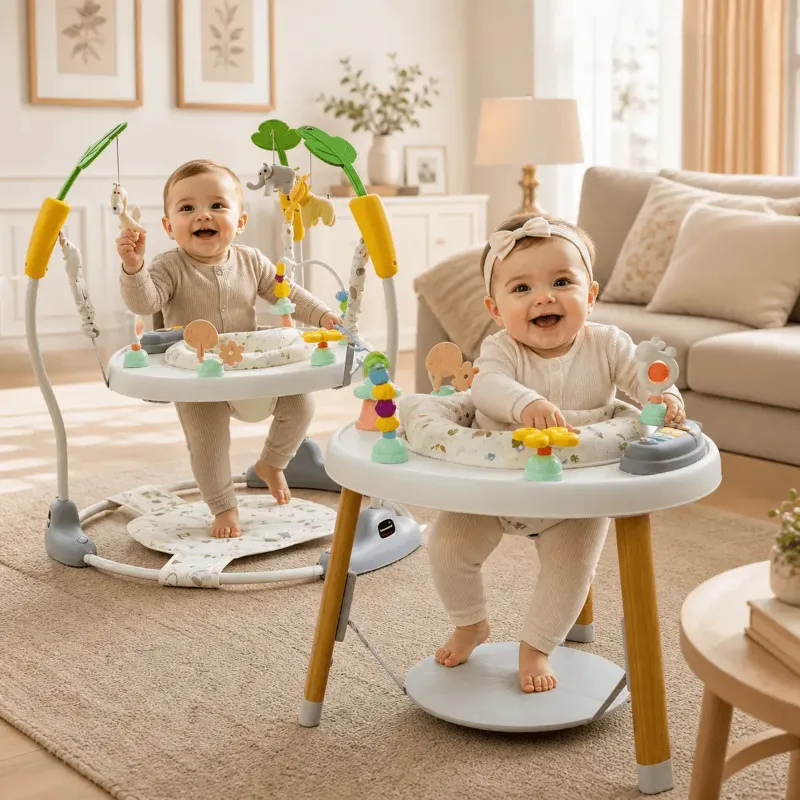 Baby Activity Center vs Baby Activity Mat: Which Comes First for Your Baby?15 Sep 20265 min