 A Momfann guide
How Long Can Breastmilk Stay in a Cooler Before It Goes Bad?
A quality breastmilk cooler keeps expressed milk safe for up to 24 hours — but only if you use it correctly.
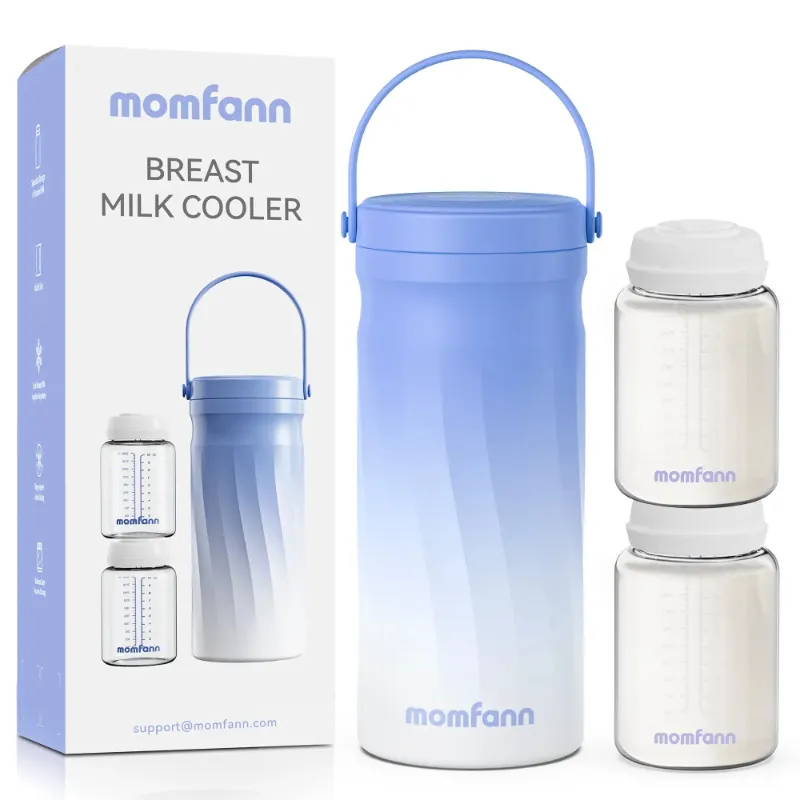
A good breastmilk cooler keeps expressed milk safe for up to 24 hours, provided it holds a consistent temperature at or below 39°F (4°C). Push past that window and you are gambling with your baby’s health and your hard-won supply.
The Core Rules: How Long Can Breastmilk Stay in a Cooler?
The CDC and major lactation organizations agree on these benchmarks:
- Insulated cooler with ice packs: up to 24 hours
- Room temperature (up to 77°F): up to 4 hours
- Refrigerator: up to 4 days
- Freezer: up to 6-12 months
The 24-hour cooler window assumes your ice packs are fully frozen at the start and the cooler lid stays shut as much as possible. Every time you open it, cold air escapes and the clock speeds up.
One practical rule: label every bottle with the time you pumped. If you are not sure when you expressed, treat it as the oldest milk in the bag. When in doubt, throw it out.
What Actually Affects How Long Milk Stays Safe
Not all coolers perform the same. Several factors determine whether you hit 24 hours or fall short:
- Ice pack quality. Thin, small ice packs lose temperature fast. Gel packs specifically sized for a breastmilk cooler bag hold cold longer than standard freezer bags filled with ice.
- Ambient temperature. A cooler sitting in a hot car degrades faster than one kept in an air-conditioned office.
- How full the cooler is. A densely packed cooler holds temperature better than one with a single bottle rattling around inside.
- Bottle material. Glass and BPA-free plastic both work, but glass loses heat more slowly once chilled.
- Starting temperature of the milk. Freshly expressed milk that is still warm works against the cooler from the moment you seal it. When possible, let milk cool in a refrigerator for 30 minutes before transferring it to a cooler bag for travel.
Choosing the Best Breastmilk Cooler for Your Routine
The right cooler depends on how and where you pump. Here is a quick comparison of the most common setups:
| Setup | Best For | Typical Cold Hold |
|---|---|---|
| Dedicated cooler with ice pack | Daily commuters, office pumpers | Up to 24 hours |
| Insulated tote bag | Short errands, daycare drop-off | 4-8 hours |
| Hard-sided portable cooler | Long travel, flights | 24+ hours with quality packs |
| Cooler-warmer combo | Home and car use | Varies by model |
For everyday use, a purpose-built breastmilk cooler for travel is the most reliable option. It is sized for standard breastmilk bottles, holds ice packs snugly to maximize contact, and fits in a diaper bag without bulk. If you want to check current pricing or grab a discount, check the latest price before you buy.
Pairing a Cooler With a Bottle Warmer at Home
Getting milk safely cold is only half the equation. When you are ready to feed, you need a reliable way to bring it back to the right temperature without destroying nutrients. Microwaving breastmilk creates hot spots and degrades its immune properties, so it is never recommended.
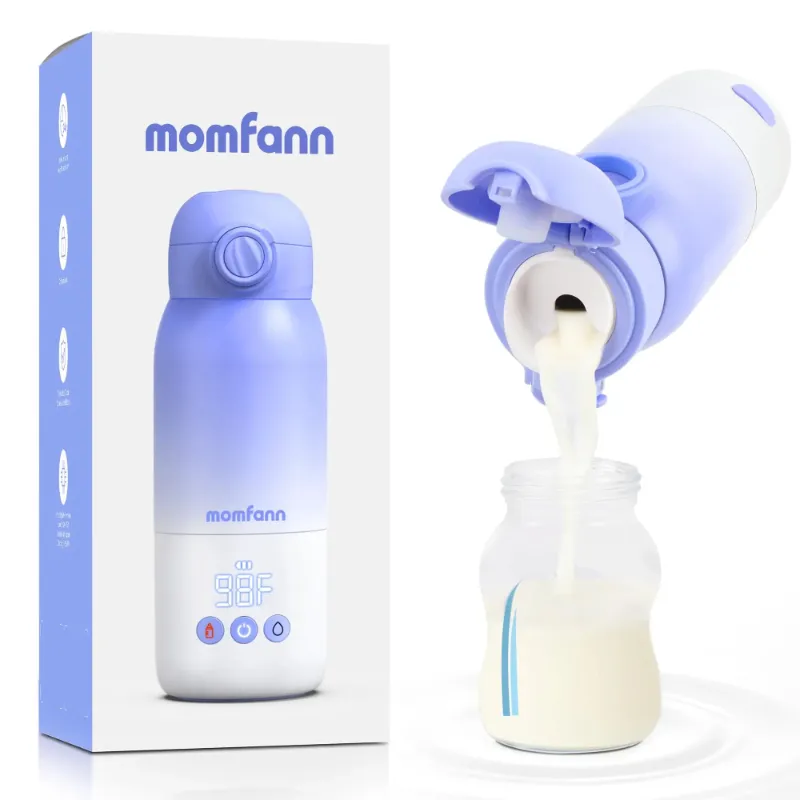
A dedicated bottle warmer solves this cleanly. It heats milk evenly using steam or warm water circulation, preserves the antibodies in breastmilk, and reaches feeding temperature in a consistent, repeatable time. Keep your cooler by the door for output and your bottle warmer on the counter for input, and your feeding routine runs like a system.
If you are supplementing with formula alongside pumped milk, a formula maker keeps prep just as simple. It dispenses the right water temperature and volume automatically, so middle-of-the-night feeds do not require you to think through math while exhausted.
Tips for Using Your Breastmilk Cooler on the Go
Traveling with expressed milk, whether to daycare or across a time zone, requires a little extra planning:
- Freeze your ice packs for at least 24 hours before use. A partially frozen pack will not last through a full workday.
- Pre-chill the cooler bag. Put a cold pack inside for 10-15 minutes before loading milk. It conditions the interior walls.
- Minimize air space. Fill gaps with extra ice packs or a folded cloth. Dead air space warms quickly.
- Keep the cooler out of direct sun. In a car, put it on the floor or in the trunk, not on the back seat in sunlight.
- Have a plan when you arrive. If refrigeration is available at your destination, transfer milk within the 24-hour window rather than leaving it in the cooler longer than necessary.
- Check the smell test. Spoiled breastmilk smells distinctly sour, not just slightly off. Fresh breastmilk has a mild, sometimes slightly sweet scent.
Storing Milk When You Return Home
Once you are back from a trip or a full workday, storage decisions matter:
- If you will use the milk within 4 days, move it straight to the refrigerator.
- If life is unpredictable, freeze it immediately. Frozen milk is a buffer against uncertainty.
- Never refreeze milk that has already been thawed.
- Store milk in the back of the fridge or freezer, not in the door where temperatures fluctuate.
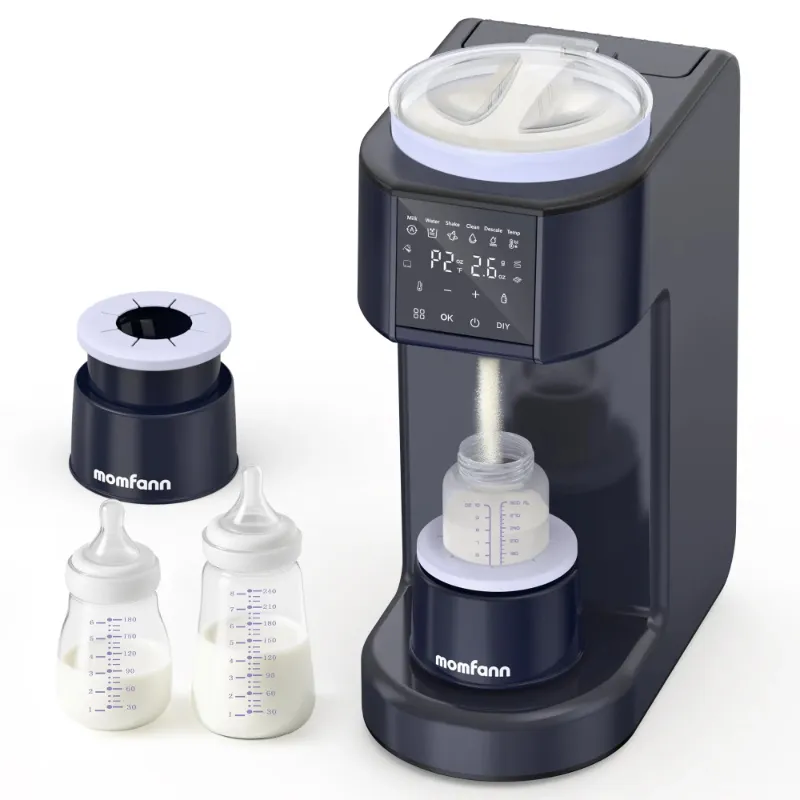
If you supplement or transition to formula later on, an auto formula dispenser makes the blended stage easier, handling measured prep automatically so you are not juggling scoops and timers while managing a hungry baby.
When to Replace Your Cooler or Ice Packs
A breastmilk cooler bag degrades over time. Signs it is time for a replacement:
- The insulation feels thin or the bag no longer stays cold for a full workday
- Zippers or seals do not close tightly
- Ice packs no longer freeze solid or show signs of leakage
- The interior lining is cracked or peeling
Most dedicated cooler bags for breastmilk will last one to two years with daily use before insulation performance drops noticeably. If you are due for an upgrade, grab the code at checkout to save 8% sitewide on Momfann products.
Questions
How long can breastmilk stay in a cooler with ice packs?
Breastmilk can stay safe in an insulated cooler with fully frozen ice packs for up to 24 hours, according to CDC guidelines. After that window, discard the milk rather than risk feeding it to your baby.
Can I put warm freshly pumped milk directly into a breastmilk cooler?
You can, but it is better to cool the milk in a refrigerator for 30 minutes first if possible. Adding warm milk raises the interior temperature of the cooler and shortens how long the ice packs stay effective.
What temperature should a breastmilk cooler maintain?
The cooler needs to keep milk at or below 39°F (4°C) to stay within safe refrigerator-equivalent storage. If you are unsure, a small stick-on thermometer inside the bag gives you a real-time read.
Is a breastmilk cooler and warmer combo worth buying?
A combo unit is convenient for home or car use but typically does not match the portability of a dedicated cooler bag for on-the-go pumping. Most parents find a separate cooler bag and a countertop bottle warmer gives them more flexibility.
How do I clean a breastmilk cooler bag between uses?
Wipe the interior with a damp cloth and mild soap after each use, then leave it open to air dry completely before closing. Never machine-wash a bag with rigid insulation panels, as this can damage the lining and reduce cold-holding performance.
Can I use any insulated bag as a breast milk cooler for travel?
A generic insulated tote can work for short trips, but a purpose-built breastmilk cooler is designed to fit standard milk bottles snugly and hold ice packs in close contact, which makes a real difference in how long it maintains a safe temperature.
Products in this guide
Shopping at Momfann? See the discount code
8% OFF Sitewide
More in this series
 What’s the Best Position for Jets in a Portable Baby Bathtub?22 Aug 20263 minBathtub Jets for Babies: Clean Them Right or You’re Bathing in Bacteria22 Aug 20265 minWhy Your Formula Dispenser Jams and How to Fix It22 Aug 20264 min
 Kitchen Helper Stool vs Toddler Stool: What Age Is Each Safe For?22 Aug 20264 minBottle Warmer Temperature Guide: How Hot Is Too Hot for Formula and Breastmilk22 Aug 20264 min