 A Momfann guide
Bottle Warmer Temperature Guide: How Hot Is Too Hot for Formula and Breastmilk
A bottle warmer takes the guesswork out of feeding, but only if you know the safe temperature range for formula and breastmilk.
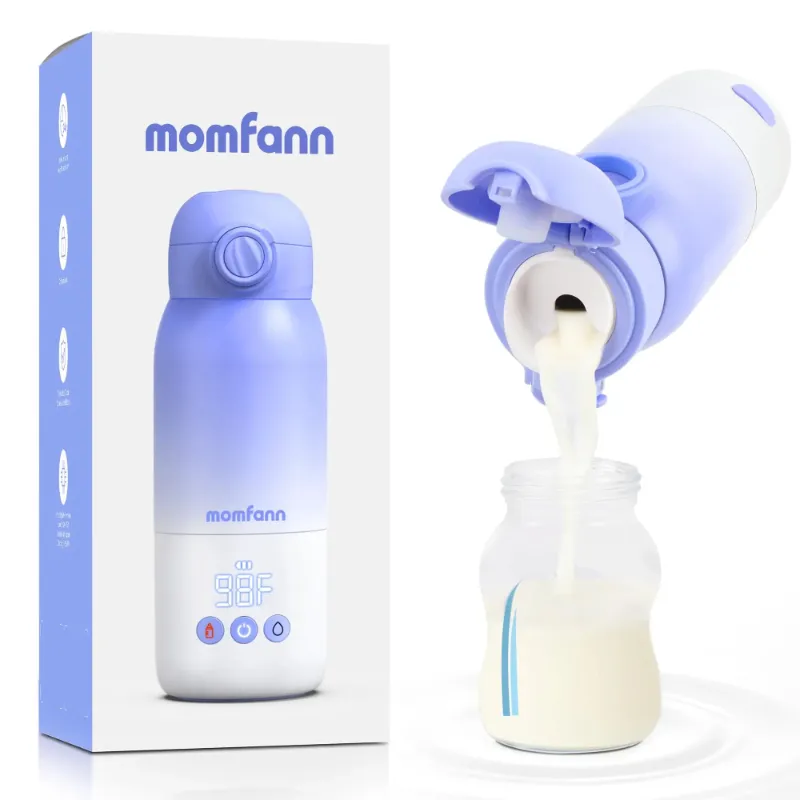
A good bottle warmer gets milk to the right temperature fast, but the margin between “just right” and “too hot” is surprisingly small. Most pediatric feeding guidelines put the safe serving temperature for both formula and breastmilk at body temperature, around 98.6°F (37°C), and warn against going above 104°F (40°C). Knowing those numbers means safer feeds and less wasted milk.
Why Temperature Matters for Formula and Breastmilk
Heat is not neutral. Breastmilk is full of live enzymes and antibodies that begin to degrade at temperatures above 104°F, and studies have shown that prolonged exposure to high heat destroys a meaningful portion of those nutrients. Formula is more heat-stable, but overheating it can create uneven hot spots that burn a baby’s mouth even when the outside of the bottle feels fine.
Key risks of getting temperature wrong:
- Burns: Milk above 104°F can scald tender mouth tissue.
- Nutrient loss: Overheated breastmilk loses immune-protective proteins.
- Hot spots: Microwave heating (never recommended) creates pockets of scalding liquid regardless of overall bottle temperature.
- Wasted milk: Milk that overheats must be discarded, not re-cooled and reused.
Independent testing from Wirecutter’s bottle warmer reviews consistently flags uneven heating as the top failure mode in lower-quality warmers.
The Safe Temperature Range at a Glance
| Milk Type | Target Temp | Upper Limit | Notes |
|---|---|---|---|
| Breastmilk | 98.6°F / 37°C | 104°F / 40°C | Heat destroys antibodies above limit |
| Prepared formula | 98.6°F / 37°C | 104°F / 40°C | Hot spots possible; always shake and test |
| Refrigerated formula | 98.6°F / 37°C | 104°F / 40°C | Needs longer warming; check mid-cycle |
The wrist test (drop on inner wrist, should feel neutral) is a reliable field check, but a digital thermometer is more precise if you want to confirm exactly where you land.
How to Use a Bottle Warmer Correctly
Getting consistent results is less about the device and more about a repeatable routine. Here is what works:
- Start cold, not frozen. Warm refrigerated milk, not frozen blocks, for even heat distribution. Thaw frozen breastmilk in the fridge overnight first.
- Add the right amount of water. Most steam-based warmers need a measured amount of water in the reservoir. Too much water means too much heat; too little means uneven warming.
- Set by bottle size, not guesswork. A 4 oz bottle warms faster than an 8 oz bottle. Use the preset or timer that matches your bottle volume.
- Swirl, never shake, breastmilk. Swirling recombines the fat layer without damaging proteins. Formula can be gently shaken to mix.
- Always do a wrist test before feeding. Even a well-calibrated warmer can vary slightly run to run.
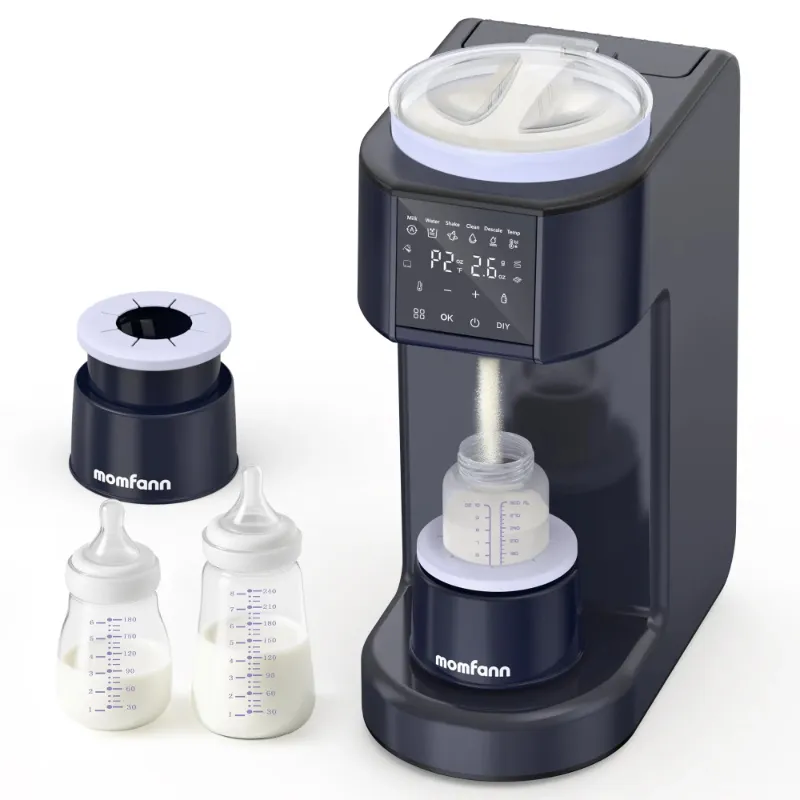
For parents using powdered formula, pairing a bottle warmer with an auto formula dispenser or a formula maker removes the manual measuring step entirely and reduces the chance of adding powder to milk that is already too hot.
Bottle Warmer for Breastmilk vs. Formula: Are They Different?
They can be, and it matters. A bottle warmer designed for breastmilk should warm gently and stop precisely at temperature, because breastmilk has no tolerance for overshoot. Formula warmers can afford a little more flexibility because the nutrient profile does not degrade the same way.
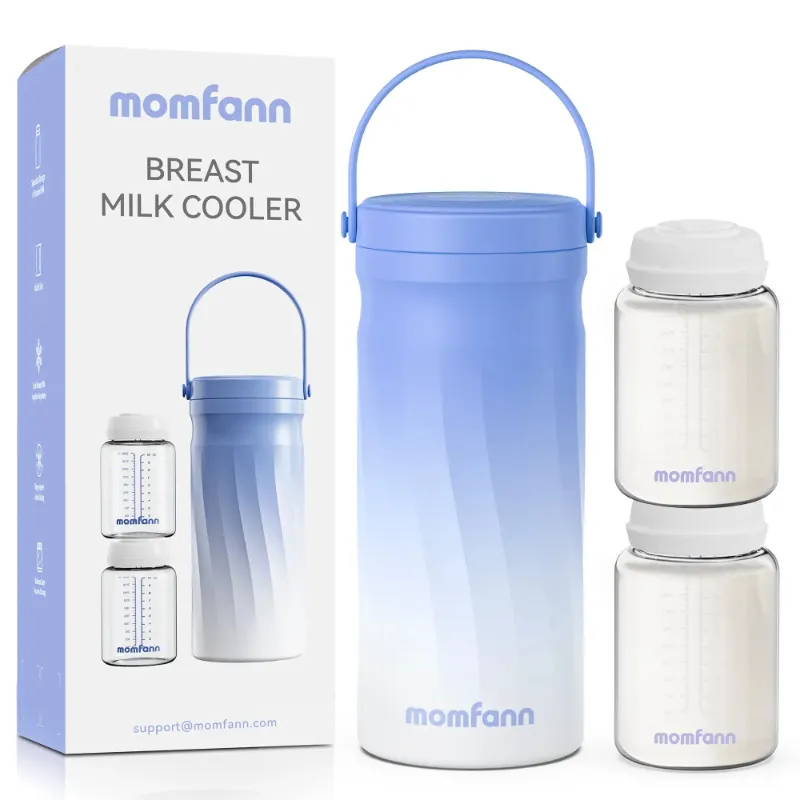
If you are exclusively pumping, storing milk in a breastmilk cooler between sessions and then warming individual portions is the workflow that protects milk quality best. The cooler keeps expressed milk at a stable low temperature until you are ready to warm, which means less time in the temperature danger zone overall.
Reviewers at BabyGearLab’s bottle warmer rankings note that the best warmers for breastmilk use water-bath or steam methods rather than direct heating elements, precisely because those methods distribute heat more evenly and gently.
Portable Bottle Warmers: What Changes on the Go
A portable bottle warmer, whether it is a car-powered unit or a thermos-style travel warmer, operates on the same temperature rules but adds a few practical wrinkles:
- Power source matters. Car adapters maintain consistent heat; thermos-style warmers rely on pre-heated water that cools over time, so milk at the bottom of a long drive may be warm but milk at the top of the trip may be too hot.
- Pre-heat the water before you leave. For thermos-style travel warmers, fill with water just off the boil, let it cool to around 160°F, and cap it. By the time you need it, the water will be in the right warming range.
- Ambient temperature affects warming time. A cold car in winter means longer warming cycles; factor that into your timing.
If you are already using a mart baby formula maker at home for quick prep, a portable warmer makes a logical complement for feeds away from the house.
Signs Your Warmer Is Running Too Hot
Not every warmer performs as labeled. Watch for these red flags:
- Milk consistently comes out above 104°F even on the lowest setting
- The bottle exterior feels uncomfortably hot to hold
- Breastmilk separates more than usual after warming (fat layer looks curdled rather than creamy)
- Formula develops a “cooked” smell
If you see any of these, run a thermometer check across several cycles and compare to the unit’s stated settings. A warmer that regularly overshoots should be replaced.
Getting the Best Value on Momfann Feeding Gear
Momfann’s feeding line covers the full workflow from prep to warming to storage. If you are building out a setup, the bottle warmer pairs naturally with the breastmilk cooler for pumping parents, or with the auto formula dispenser for formula-feeding families. Before you buy, check the latest price and grab the current 8% sitewide code to save across your whole order.
For parents comparing options before committing, The Bump’s tested portable bottle warmer roundup is a useful outside reference for how warmers perform in real nursing routines.
Stack your savings by buying the warmer alongside any other Momfann gear you need. You can see all active offers at the Momfann discount page before checkout.
Questions
What is the safest temperature for a bottle warmer to heat breastmilk?
The safest target is around 98.6°F (37°C), which matches body temperature. Avoid going above 104°F (40°C), as higher heat begins to break down the antibodies and enzymes that make breastmilk valuable.
Can I use a bottle warmer for both formula and breastmilk?
Yes, most bottle warmers handle both, but breastmilk is more sensitive to heat than formula. Use the gentlest setting available and always do a wrist test before feeding regardless of which milk type you are warming.
How long does it typically take to warm a bottle?
Warming time depends on bottle size, starting temperature, and warmer type. A 4 oz refrigerated bottle usually takes 3 to 5 minutes in a steam warmer; larger bottles or bottles coming straight from the freezer take longer. Check your specific warmer's guide for accurate timing by volume.
Is it safe to re-warm a bottle that has already been warmed once?
No. Once milk has been warmed and offered to a baby, any remaining milk should be discarded within one to two hours. Re-warming increases bacterial growth risk and further degrades breastmilk nutrients.
Does pairing a formula maker with a bottle warmer actually save time?
It can, especially overnight. A formula maker dispenses and mixes a precise portion instantly, so you only need the warmer to bring it to serving temperature rather than also waiting for powder to dissolve in hot water. The two tools together cut the total prep time significantly.
What is the best way to check if a warmed bottle is too hot?
Shake a few drops onto the inside of your wrist. It should feel neutral, not warm. If it feels noticeably warm or hot on your wrist, it is too hot for a baby. A digital food thermometer gives a precise reading if you want to confirm the exact temperature.
Products in this guide
Shopping at Momfann? See the discount code
8% OFF Sitewide
More in this series
 What’s the Best Position for Jets in a Portable Baby Bathtub?22 Aug 20263 minBathtub Jets for Babies: Clean Them Right or You’re Bathing in Bacteria22 Aug 20265 minHow Long Can Breastmilk Stay in a Cooler Before It Goes Bad?22 Aug 20264 minWhy Your Formula Dispenser Jams and How to Fix It22 Aug 20264 min
 Kitchen Helper Stool vs Toddler Stool: What Age Is Each Safe For?22 Aug 20264 min