 A TechnoAnt guide
Do LED Gloves and Flashlight Gloves Actually Help You Work in the Dark?
LED gloves put light exactly where your hands go, making close-up work in tight, dark spaces genuinely easier.
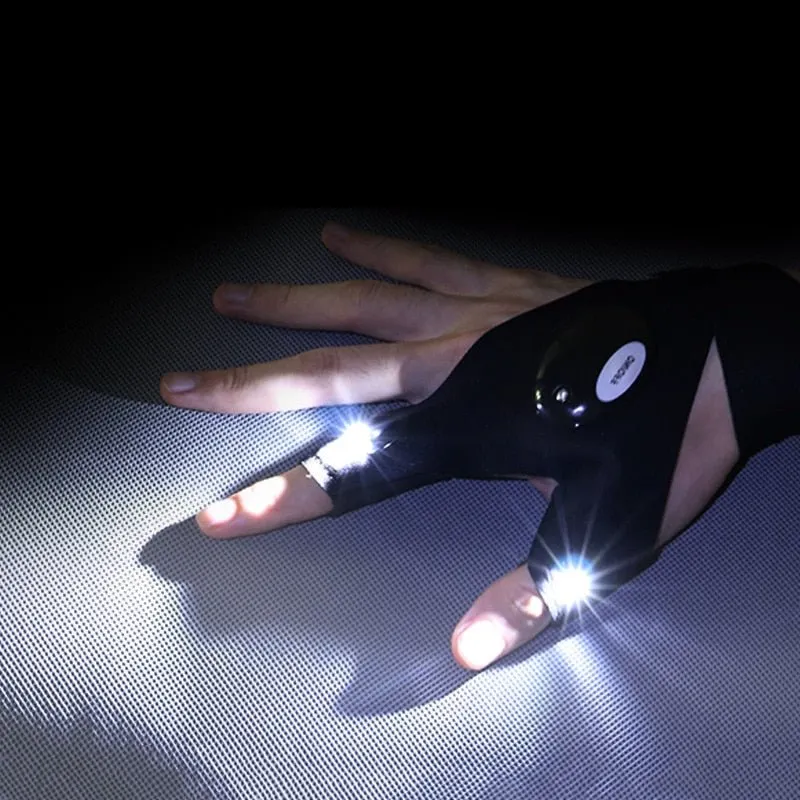
Yes, led gloves deliver hands-free light exactly where you need it, making mechanical repairs, plumbing fixes, camping tasks, and detail work in confined spaces measurably easier than flashlights or headlamps.
Light-up gloves for adults have moved beyond novelty rave gloves into legitimate work gear. The best models combine LED fingertip lights with flexible fabric that survives grease, water, and rough handling, though not every task benefits from glove-mounted illumination.
How LED Gloves Compare to Flashlight Gloves
The two main designs solve different problems, and knowing which you need saves frustration.
| Feature | LED Gloves | Flashlight Gloves |
|---|---|---|
| Light placement | Fingertips (index + thumb typically) | Back of hand or wrist |
| Best for | Precision work, threading, wiring | Broader illumination, searching |
| Dexterity | Full finger movement | Slightly bulkier at light module |
| Battery | Button cell or rechargeable pod | Usually rechargeable USB |
LED gloves shine brightest when you’re working inside engine bays, under sinks, or assembling small components where your hands block a headlamp beam. The light follows your fingers, so threading a bolt in a recessed bracket or soldering a wire becomes genuinely easier.
Flashlight gloves mount a small LED module on the back of your hand, giving you broader coverage but less pinpoint accuracy. They work well for camping chores, roadside tire changes, or walking the dog at night when you need ambient light without sacrificing hand use.
Rechargeable LED gloves cost more upfront but eliminate the battery-replacement hassle that plagues button-cell models. If you use them weekly, the rechargeable route pays off in six months.
What Tasks Actually Benefit from LED Gloves
Where LED gloves excel:
- Automotive work: changing oil filters, inspecting hoses, routing wiring harnesses in tight engine compartments
- Plumbing repairs: working under sinks, inside vanity cabinets, or behind toilets where space is cramped
- Electronics repair: soldering, connector work, and component placement on circuit boards
- Camping and outdoor: setting up tents in the dark, starting fires, gutting fish, handling gear at night
- Home DIY: attic inspections, crawlspace wiring, appliance repairs behind units
Where they disappoint:
- Broad-area lighting: a headlamp or work light outperforms them for painting, drywall, or general room tasks
- Heavy glove environments: if you already wear thick work gloves for protection, adding LED gloves underneath or over top becomes clumsy
- Precision cuts: the LED can create glare on reflective metal when using grinders or saws
One surprise advantage: medical and caregiving tasks. Checking on sleeping children, administering nighttime medications, or assisting someone without turning on harsh overhead lights becomes more dignified with fingertip illumination.
For quick price checks and our current discount, grab the code before placing an order.
Materials, Durability, and Battery Life
Most light-up gloves for adults use a nylon-spandex blend that stretches to fit multiple hand sizes while surviving moderate abuse.
Material considerations:
- Nylon blends resist grease and water better than cotton but can snag on sharp metal edges
- Synthetic leather palms add grip and protection but reduce breathability
- Fingerless designs sacrifice light placement for better tactile feedback and heat dissipation
Battery life varies wildly. Button-cell models (CR2016 or CR2032) deliver 15 to 30 hours of intermittent use before replacement. Rechargeable versions run 4 to 8 hours per charge depending on brightness settings, with USB charging taking 1 to 2 hours.
Water resistance is usually splash-proof, not submersion-proof. If you need waterproof performance, verify the IP rating before buying.
For specialized rave LED gloves designed for light shows rather than work, LEDGloves.com offers performance-focused models, though most lack the durability needed for mechanical tasks.
Sizing, Fit, and Comfort for Extended Wear
Most LED gloves use stretchy one-size-fits-most construction, which sounds convenient but creates problems at the extremes.
- Small hands (women’s S-M): excess fabric bunches at the wrist, and LED pods can rotate off-center
- Medium hands (men’s M-L): best fit, LEDs stay aligned with fingertips
- Large hands (men’s XL+): fabric stretches thin, LEDs pull toward the sides of fingers, and seams stress quickly
If your hands fall outside the medium range, look for brands offering sized options rather than universal fit. The extra cost pays off in comfort and LED alignment.
Comfort tips for long sessions:
- Wear fingerless liner gloves underneath if the synthetic fabric irritates your skin
- Trim any loose threads near LED housings before first use to prevent snagging
- Remove gloves every 45 minutes during extended work to let hands breathe and check for hot spots
Light weight matters more than you expect. Models that add bulky battery packs or heavy-duty fabric feel fine for ten minutes but fatigue your hands during hour-long repairs. Look for gloves under 60 grams per pair.
Check the latest price and available models at TechnoAnt, where our 5% discount applies to all orders.
Who Should Buy LED Gloves vs. Sticking with a Headlamp
LED gloves aren’t a headlamp replacement, they’re a headlamp complement. The ideal buyer works in confined spaces where their head can’t follow their hands, or needs both hands free while maintaining pinpoint light control.
Buy LED gloves if you:
- Repair vehicles, appliances, or electronics regularly
- Camp, hunt, or fish in low-light conditions
- Work night shifts in construction, maintenance, or warehousing
- Need hands-free light but find headlamps uncomfortable or impractical
- Perform detail work where shadows from overhead lighting block your view
Skip them if you:
- Rarely work in dark environments and can reposition a work light easily
- Already wear thick protective gloves that would conflict with LED gloves
- Need maximum brightness (a quality headlamp delivers more lumens)
- Work exclusively outdoors in open spaces where daylight or area lighting suffices
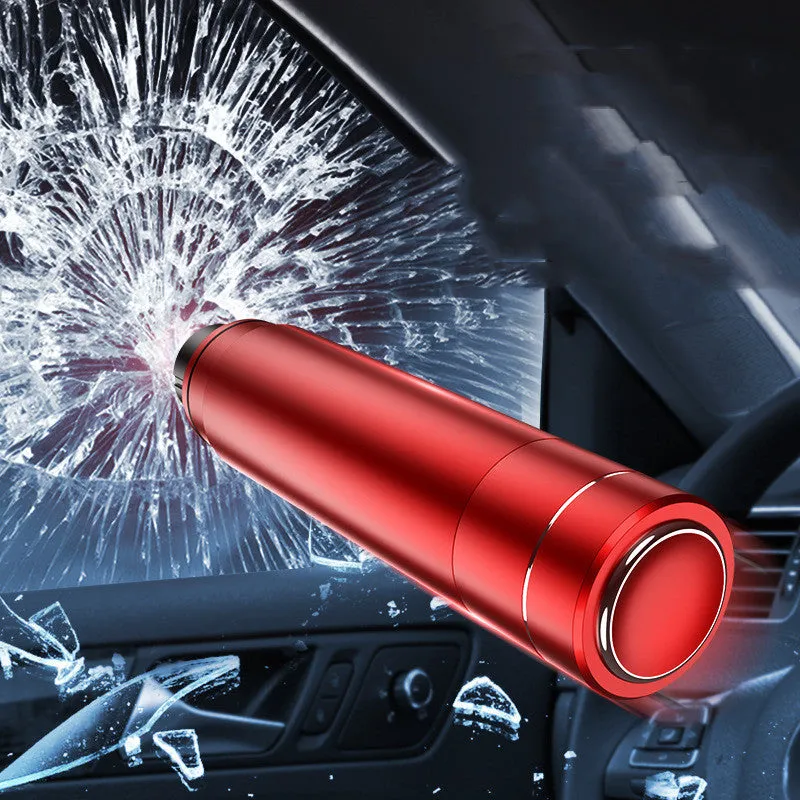
For overlapping utility, consider pairing flashlight gloves with a mayday 2-in-1 emergency escape hammer in your vehicle emergency kit. Both solve hands-free problems during roadside trouble.
Enthusiasts in the gloving community use specialized rave gloves for light shows and performances. Glow LEDs offers advanced models with programmable patterns, though these trade durability for visual effect and aren’t practical for work applications.
Care and Maintenance to Extend Glove Life
Most LED gloves can’t be machine washed without killing the electronics.
Cleaning and storage:
- Turn gloves inside-out and wipe with a damp cloth after greasy or dirty work
- Remove batteries or fully discharge rechargeable packs before long-term storage
- Store flat or loosely rolled, never crumpled, to prevent wire fatigue near LED connections
- Replace gloves when LEDs dim noticeably or fabric develops holes near stress points
Button-cell batteries leak if left installed for months unused. Remove them between projects to prevent corrosion damage to the LED housings.
If an LED stops working but the glove fabric remains intact, some models allow LED replacement. Check the manufacturer’s site for spare parts before discarding an otherwise functional pair.
For ongoing savings on replacement pairs and other TechnoAnt gear, visit our discount page for the current 5% off code.
Questions
Can you wash LED gloves in a washing machine?
No, machine washing typically damages the LED modules and wiring. Hand-wash LED gloves with a damp cloth instead, focusing on the palm and finger areas while avoiding the electronics.
How long do the batteries last in LED gloves?
Button-cell models last 15 to 30 hours of intermittent use before needing replacement. Rechargeable LED gloves run 4 to 8 hours per charge depending on brightness settings.
Do flashlight gloves work better than LED gloves for car repairs?
LED gloves with fingertip lights work better for most car repairs because the light follows your hands into tight engine compartments. Flashlight gloves offer broader coverage but less precision in confined spaces.
Are LED gloves waterproof enough for outdoor work?
Most LED gloves are splash-proof and handle light rain or hand-washing, but they're not submersion-proof. Check the IP rating if you need waterproof performance for wet environments.
What size LED gloves should I buy if I have large hands?
Look for brands offering sized options rather than one-size-fits-most if you wear men's XL or larger. Universal-fit gloves stretch thin on large hands and cause LEDs to misalign with your fingertips.
Can I wear regular work gloves over LED gloves?
Wearing thick work gloves over LED gloves becomes clumsy and blocks much of the light. If you need hand protection, choose LED gloves with reinforced palms instead of layering.
Products in this guide
Shopping at TechnoAnt? See the discount code
5% OFF All Orders
More in this series
 How Long Do Handheld Showerheads Last? What Wears Out First10 Aug 20264 min
 Magnetic Window Cleaner Review: Can You Really Clean Outside Windows From Inside?10 Aug 20264 minBest Emergency Tools for Your Car: Why the Mayday 2-In-1 Escape Hammer Is Essential10 Aug 20264 min
 Magnetic Chess vs Traditional Travel Chess: Which Stays in Place?10 Aug 20264 min
 How to Remove Car Scratches with Wax: Does Scratch Removal Wax Really Work?10 Aug 20265 min