 A Falour guide
How to Layer a Falour Tactical Fleece Jacket for Cold Weather
Our tested layering system for the Falour tactical fleece jacket keeps you warm without sacrificing mobility in cold conditions.
A tactical fleece jacket is one of the most versatile cold-weather pieces you can own, but wearing it alone on a freezing day will leave you cold. The secret is layering with purpose, a moisture-wicking base, the fleece as your insulating mid-layer, and a weatherproof shell on top.
Below we break down each layer, show you what pairs well, and explain how to adjust for different temperatures and activity levels.
Why the Tactical Fleece Jacket Works as a Mid-Layer
Unlike a puffy or a heavy wool sweater, a tactical fleece jacket balances warmth, breathability, and range of motion. The Falour version uses a dense grid-fleece construction that traps heat while letting sweat vapor escape. That matters when you are hiking, on patrol, or working outdoors because a sweaty base layer will chill you fast once you stop moving.
The jacket also features low-profile cuffs and a trim cut, which means it slides under a shell without bunching. For comparison, we have used both this fleece and the ALPHA TACTICAL grid-fleece style from Helikon, and the Falour offers a similar warmth-to-weight ratio at a more accessible price point. Whether you are building a kit for range days or daily winter wear, this mid-layer does the heavy lifting.
Base Layer: Start with a Long Sleeve Linen Shirt or a Performance Top
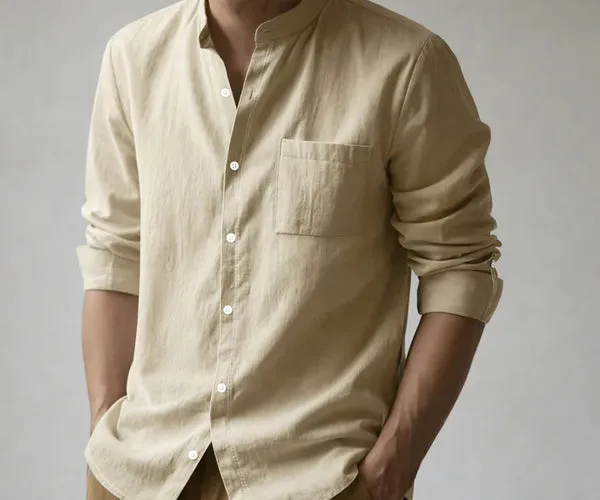
Your base layer sits directly against your skin and is responsible for wicking moisture. In cold weather, that means avoiding cotton. We have had great results pairing the fleece with a linen men’s shirt long sleeve or a long sleeve linen shirt for moderate cold (down to about 40°F). Linen breathes better than cotton and dries faster, so you stay comfortable during active use.
For deep cold (below freezing), switch to a synthetic or merino wool base layer. The key is that the base should be snug but not restrictive, any loose fabric will trap cold air against your skin. If you expect wet conditions, we suggest a polyester or nylon blend rather than natural fibers.
Outer Layer: Waterproof Softshell Jacket or a Tactical Softshell Jacket
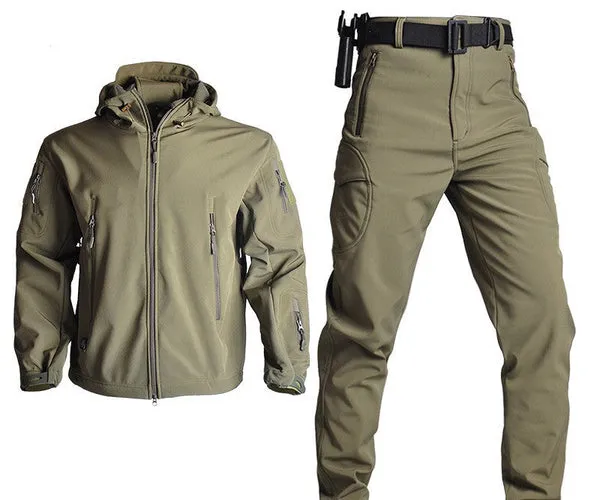
This is where you block wind, rain, and snow. A waterproof softshell jacket is our top pick for all-around cold-weather use because it adds wind resistance while still breathing well enough for high-output activity. The tactical softshell jacket (also sold as the softshell tactical jacket) offers the same protection with extra durability and pockets for gear.
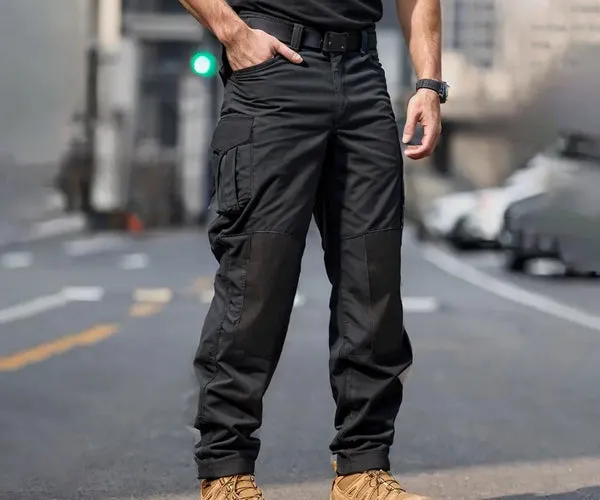
If you are expecting heavy rain or snow, we prefer a fully waterproof shell over a softshell. The mens softshell jacket with hood works well when you need a hood that fits over the fleece collar without restricting your head movement. For serious downpours, waterproof cargo trousers complete the set so you stay dry from neck to ankle.
Our tested outer-layer combinations:
- Mild cold (30 to 50°F): fleece worn alone or with a lightweight softshell
- Cold with wind (20 to 30°F): fleece + waterproof softshell jacket
- Freezing with precipitation (below 20°F): fleece + insulated waterproof shell
Bottom Half: Pair with Multicam Trousers or Waterproof Cargo Trousers
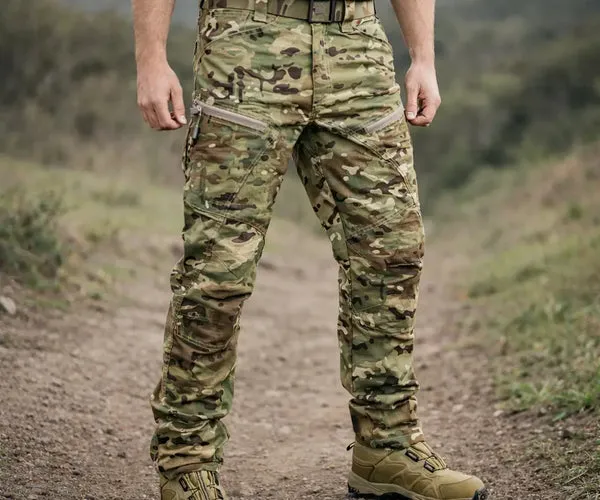
Layering is not just about your torso. The multicam trousers and multicam tactical pants are excellent cold-weather companions because they have a roomy fit that allows you to add a thermal base layer underneath. The cargo trousers waterproof are our go-to when rain or snow is a factor, since they keep your lower half dry without needing an extra rain shell.
If you run cold, wear a thin merino or synthetic base layer under the trousers. If you run warm, the multicam pants alone with the fleece jacket and a shell top are enough down to the mid-20s.
Sizing and Fit: How the Layers Should Work Together
You cannot layer effectively if your gear fights each other. The Falour tactical fleece jacket has a close-to-body cut by design, this is ideal because it fits under a shell without creating a “Michelin man” look or restricting arm movement.
Here is our fit checklist:
- Base layer should be snug with no excess fabric at the armpits or waist
- Fleece mid-layer should cover your waistband and cuffs without riding up
- Outer shell should zip fully over the fleece without pulling at the shoulders
- All three layers should allow full arm rotation overhead
If you are between sizes, size up the shell so it fits over the fleece comfortably. Check the current pricing and coupon code to see if the fleece is still on sale before ordering.
Care: Keep Your Tactical Fleece Jacket in Fighting Shape
We have put the Falour fleece through dozens of wash cycles, and it holds up well when you follow a few rules. Wash it in cold water on a gentle cycle, avoid fabric softener (it clogs the fleece fibers and kills breathability), and tumble dry on low or hang it to dry. High heat will shrink the grid fleece over time.
For the waterproof softshell jacket and tactical softshell jacket, reapply a DWR (durable water repellent) spray once a season to keep the water beading off. The mens softshell jacket with hood benefits from the same treatment.
Who This Layering System Suits
This setup works for:
- Outdoor workers who need to stay warm and mobile on job sites
- Shooters and range-goers who want quiet, low-profile insulation under a plate carrier or chest rig
- Hikers and campers who need a packable system that handles changing weather
- Anyone who wants a single fleece that works as a standalone jacket in fall and a mid-layer in winter
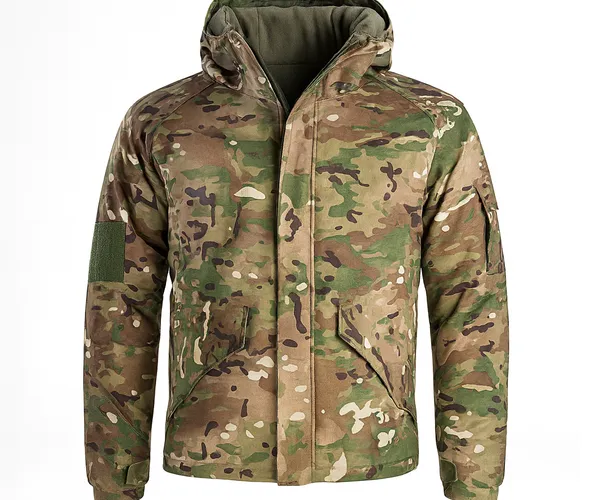
If you are still deciding between options, the tactical fleece jackets and waterproof cargo trousers are the two pieces we reach for most often. Grab the latest discount code before you check out to save 10% sitewide.
Questions
Can I wear a tactical fleece jacket as a standalone piece in mild weather?
Yes. The Falour tactical fleece jacket works well on its own in temperatures from about 40 to 60°F. Below that, we recommend adding a base layer and a shell.
Does the Falour tactical fleece jacket fit under a plate carrier or chest rig?
It does. The trim cut and low-profile cuffs are designed to fit comfortably under gear without bunching or restricting arm movement.
What is the best outer layer to wear over a tactical fleece jacket in heavy rain?
A fully waterproof shell is best for heavy rain. The waterproof softshell jacket from Falour works in light to moderate rain, but for sustained downpours we use a hardshell with sealed seams.
Is a linen shirt warm enough as a base layer under a tactical fleece jacket?
It works well in moderate cold (40°F and above) because linen breathes and dries faster than cotton. For below-freezing temps, switch to merino wool or a synthetic thermal top.
How do I wash a tactical fleece jacket without damaging it?
Wash in cold water on a gentle cycle, skip fabric softener, and tumble dry on low or hang to dry. High heat and softeners degrade the fleece fibers over time.
Can I wear multicam tactical pants with a tactical fleece jacket for cold weather?
Yes. Multicam tactical pants have a roomy fit that allows for a thermal base layer underneath, making them a great bottom-half companion to the fleece jacket in cold weather.
Products in this guide
 Shopping at Falour? See the discount code
10% OFF Sitewide
Shopping at Falour? See the discount code
10% OFF Sitewide
More in this series
Choosing Between Falour Linen Shirt and Thermal Hoodie for Hot vs Cold Weather9 Sep 20264 minHow Long Do Falour Tactical Pants and Multicam Trousers Last?9 Sep 20264 minHow to Wash and Care for Your Falour Waterproof Cargo Trousers9 Sep 20265 minFalour Softshell vs Tactical Fleece Jacket: Which Is Better for Your Needs?9 Sep 20265 min