 A Falour guide
Falour Softshell vs Tactical Fleece Jacket: Which Is Better for Your Needs?
We break down Falour's tactical fleece jacket against their softshell options so you know which layer fits your mission, climate, and budget.
When you are building out a reliable kit, choosing between a tactical fleece jacket and a softshell comes down to one question: do you need breathable insulation first, or wind-and-water protection first? Below we break down the differences so you can pick the right layer for your climate, mission, and layering system.
What Makes a Tactical Fleece Jacket Different from a Softshell?
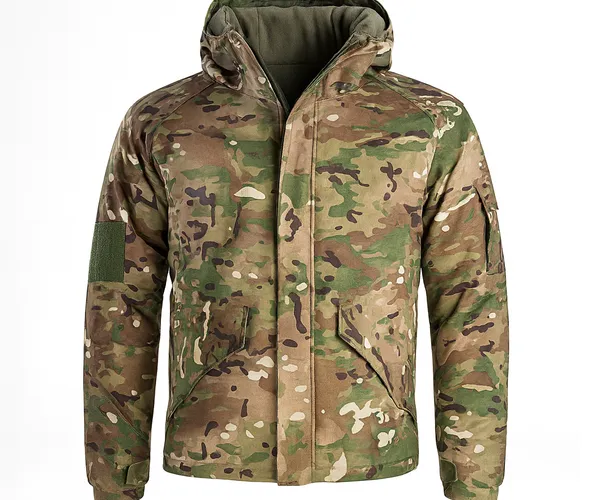
A tactical fleece jacket is built around warmth and breathability. It uses a synthetic fleece pile that traps body heat while still allowing moisture vapor to escape, which makes it ideal for high-output activities or moderate cold where you do not want to trap sweat. Falour’s tactical fleece jacket uses a grid-fleece construction similar to the ALPHA pattern, which improves both warmth-to-weight ratio and moisture management.
A softshell, by contrast, adds a durable face fabric that resists wind and light rain. Falour’s tactical softshell jacket and softshell tactical jacket use a woven outer layer with a DWR coating that sheds light precipitation while the inner fleece lining still breathes. The trade-off is that softshells are heavier and less compressible than a dedicated fleece.
| Feature | Tactical Fleece Jacket | Softshell Tactical Jacket |
|---|---|---|
| Primary protection | Insulation, breathability | Wind, light rain, abrasion |
| Best temperature range | 30°F to 55°F active use | 20°F to 50°F with layering |
| Breathability | High | Moderate |
| Weight | Light | Medium |
| Layering role | Mid layer or standalone | Outer layer or standalone |
When You Should Choose a Tactical Fleece Jacket
If you are moving (patrolling, hiking, working outdoors) the tactical fleece is often the better pick. It regulates temperature better when your activity level changes, and it packs down small when you need to stow it in a pack. The Falour tactical fleece jackets are designed with a trim athletic fit that layers cleanly under a plate carrier or a waterproof shell.
The best tactical fleece jacket for most users is one that uses grid fleece or a similar high-loft synthetic. This construction traps warmth without the bulk of old-school fleece. It also dries faster than cotton or wool, which matters if you are out in wet conditions for extended periods.
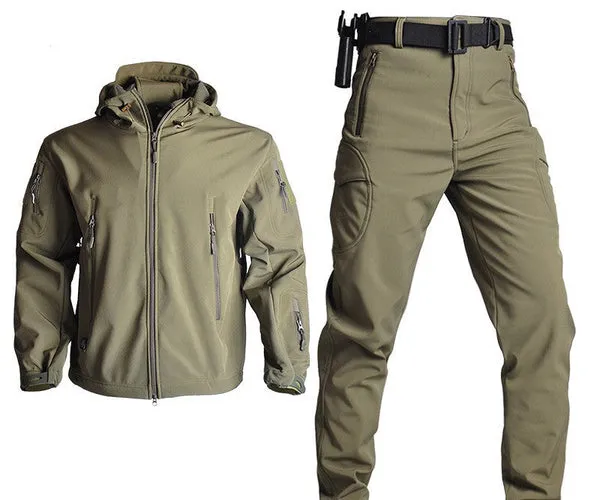
- Great as a mid layer under a waterproof softshell jacket or hard shell
- Breathable enough for aerobic movement without overheating
- Low profile design that does not snag on gear
- Easy to wash and fast-drying
If you are looking for a military tactical fleece jacket that functions discreetly in civilian settings too, the Falour fleece uses subdued colors and minimal branding so it works on range days or daily wear.
When a Softshell Tactical Jacket Makes More Sense
A military tactical jacket waterproof to some degree is where the softshell wins. While no softshell is fully waterproof (that is the job of a hardshell), the DWR finish on Falour’s mens softshell jacket with hood handles light rain, snow flurries, and wind well enough that you can skip the rain jacket on mild wet days.
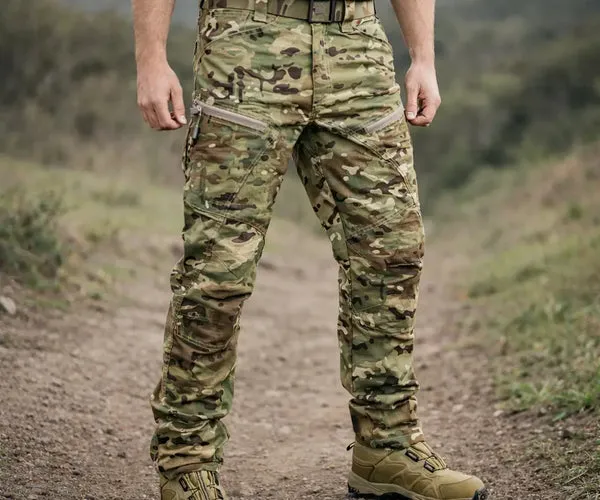
The softshell is also more abrasion-resistant. If you are crawling, working around brush, or wearing a load-bearing vest, the outer fabric holds up better than fleece. Falour’s multicam tactical pants and multicam trousers pair well with a matching softshell top for a uniformed look that still moves with you.
- Better wind resistance than any fleece
- DWR coating sheds light rain and snow
- More durable for field work and heavy use
- Hooded options (like the hooded softshell) add coverage without a separate hat
For cold, windy, or drizzly conditions where you will be static or low-activity, grab a softshell. For high-output movement in dry cold, grab the tactical fleece jacket.
How to Layer Your Tactical Gear Properly
The smartest move is to own both and layer them according to conditions. Here is the system we recommend:
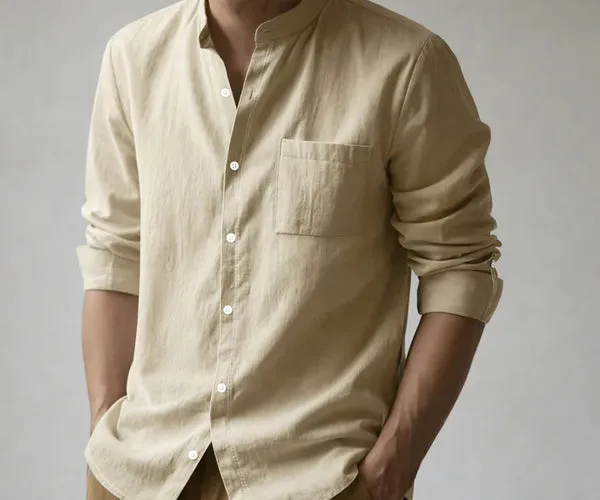
- Base layer: Falour’s long sleeve linen shirt or linen men’s shirt long sleeve works well in temperate climates because linen breathes and wicks moisture.
- Mid layer: The tactical fleece jacket adds insulation that you can remove if you heat up.
- Outer layer: A waterproof softshell jacket or a dedicated hardshell blocks wind and rain.
This three-layer system works for everything from cold-weather training to daily carry. When conditions warm up, strip the mid layer and keep the softshell shell as your outer.
For bottom layers, pair your top with cargo trousers waterproof or waterproof cargo trousers to keep your lower half dry in wet terrain. If you need a camouflaged look, the multicam trousers match the multicam softshell tops for a full tactical kit.
Materials and Durability Comparison
Falour uses different fabric weights for each jacket type. The tactical fleece jackets use a polyester grid fleece that resists pilling and retains loft after repeated washes. The softshell jackets use a nylon-polyester blend with a mechanical stretch for mobility.
Both are quiet fabrics, no rustling like a rain jacket. That matters if you are in the field and need to move without noise. We have worn both for multiple seasons, and the fleece tends to show wear on elbows and cuffs faster than the softshell. The softshell holds up better to pack straps, seatbelt wear, and brush.
Check the latest pricing on both options and grab the code for 10% off sitewide, that discount applies to any of the jackets, trousers, or shirts mentioned above.
Sizing and Fit Considerations
Falour’s tactical fleece jacket runs true to size with an athletic cut. If you plan to wear it over a base layer but under a plate carrier or shell jacket, stick with your normal size. If you want to wear a thick mid layer under it, size up one.
The softshell jackets have a slightly more generous cut through the shoulders and chest to accommodate movement and gear. The tactical softshell jacket includes adjustable hem and cuffs to dial in the fit. For those who prefer a tactical fleece jacket with hood, Falour offers hooded fleece options that eliminate the need for a separate cap.
For reference, resources like the Tactical Fleece 2.0 and grid fleece designs from Helikon-Tex follow similar sizing philosophies, trim enough to layer, roomy enough to move. Falour’s build quality matches these standards at a more accessible price point.
If you are unsure about sizing, check the Falour size chart or visit the coupon page to see the current deals before checking out.
Questions
Can I use a tactical fleece jacket as a standalone outer layer?
Yes, in mild to cool weather (roughly 30°F to 55°F). The tactical fleece jacket works on its own for active use, but you will need a shell over it in wind, rain, or freezing temperatures.
How does Falour's tactical fleece jacket compare to a 5.11 tactical fleece jacket?
Falour uses a similar grid-fleece construction with a trim athletic fit, offering comparable warmth and breathability at a lower price point. The main difference is brand availability and specific pocket layouts.
Is a softshell tactical jacket warmer than a fleece jacket?
Not inherently. Softshells block wind, which makes them feel warmer in breezy conditions, but a dedicated tactical fleece jacket traps more still-air insulation. Layering a fleece under a softshell gives you both benefits.
What is the best tactical fleece jacket for wearing under a plate carrier?
A low-profile grid-fleece jacket works best because it adds warmth without excessive bulk. Falour's tactical fleece jacket is trim enough to fit under most carriers without restricting movement.
Can I machine wash a tactical fleece jacket?
Yes. Wash it in cold water on a gentle cycle and tumble dry on low or hang dry. Avoid fabric softener, which can clog the fleece fibers and reduce breathability.
Which Falour jacket is better for wet weather, fleece or softshell?
The softshell is better for light rain and snow because of its DWR coating. For heavy rain, pair either jacket under a waterproof shell. The tactical fleece jacket is not water-resistant on its own.
Products in this guide
Shopping at Falour? See the discount code
10% OFF Sitewide
More in this series
Choosing Between Falour Linen Shirt and Thermal Hoodie for Hot vs Cold Weather9 Sep 20264 minHow Long Do Falour Tactical Pants and Multicam Trousers Last?9 Sep 20264 min How to Wash and Care for Your Falour Waterproof Cargo Trousers9 Sep 20265 minHow to Layer a Falour Tactical Fleece Jacket for Cold Weather9 Sep 20264 min