 A Turix Crystals guide
Labradorite Heart Stones: Durability, Care, and Why They Shimmer
A labradorite heart stone shimmers with inner light, but its durability and care needs differ from softer crystals—here's what you need to know.
A labradorite heart stone shimmers with an otherworldly glow called labradorescence, a display of color that appears to move beneath the surface. This captivating optical effect is why labradorite hearts are prized by collectors and energy seekers alike. But that shimmer comes with specific care requirements, and understanding the stone’s durability helps you keep your piece looking radiant for years.
What Makes a Labradorite Heart Shimmer
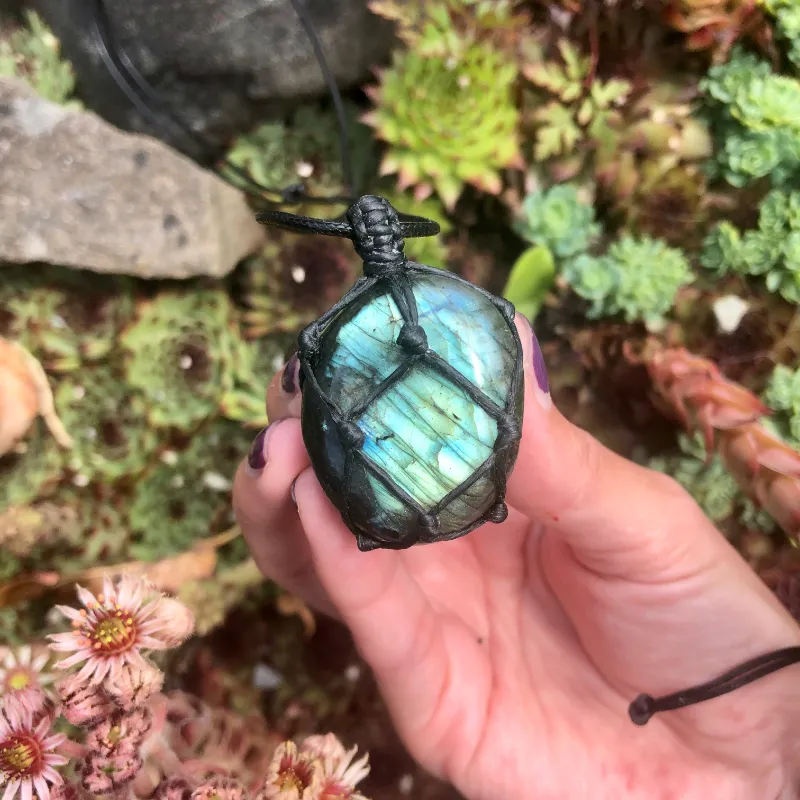
The labradorite heart owes its signature shimmer to labradorescence, a phenomenon caused by light refracting through microscopic layers within the stone. As you tilt a labradorite heart under different angles, flashes of blue, green, gold, and sometimes orange appear to dance across its surface. This is not a coating or treatment, it’s the crystal’s natural structure at work.
Labradorite belongs to the feldspar family and rates 6 to 6.5 on the Mohs hardness scale, making it harder than many popular crystals but softer than quartz. The stone’s internal structure creates the layering effect that produces that mesmerizing glow. The better the quality of your labradorite heart, the more vibrant and visible the labradorescence becomes.
Labradorite Meaning and Energy
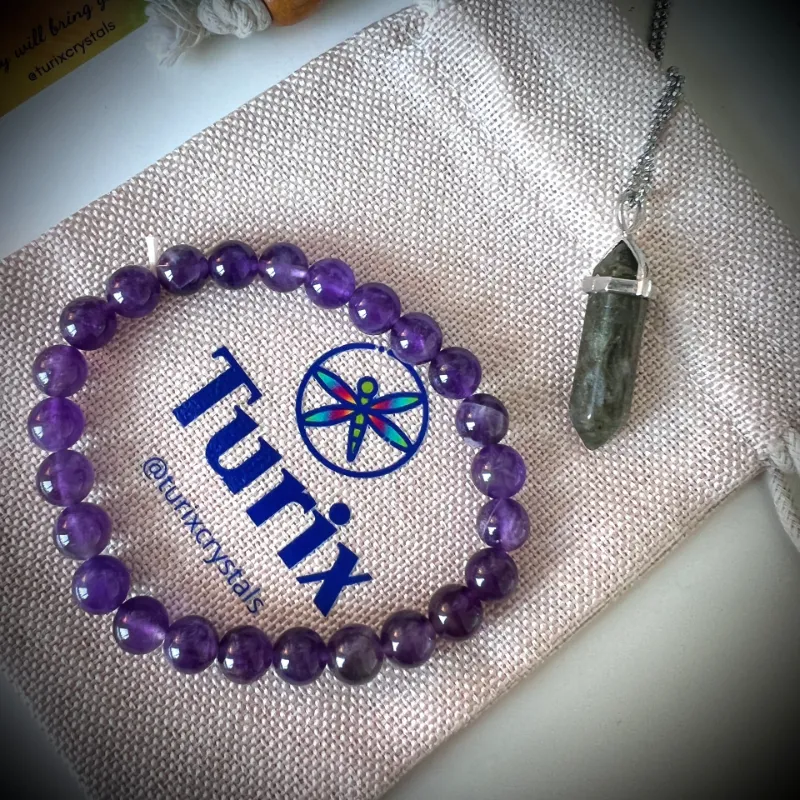
Many people are drawn to labradorite for its meaning and energy. Often called the stone of magic and transformation, labradorite is believed to enhance intuition, protect against negative energy, and support inner change. Some practitioners pair a labradorite heart with other stones like labradorite amethyst combinations to amplify these properties.
The heart shape itself symbolizes love and compassion in crystal work, making a labradorite heart necklace or display piece a meaningful addition to your collection. Whether you wear it for its aesthetic beauty or its perceived labradorite healing properties, the stone’s presence is grounding and contemplative.
Durability and Hardness
At 6 to 6.5 on the Mohs scale, labradorite is durable enough for everyday wear in the right setting, though it requires more care than quartz or sapphire. It can scratch if exposed to harder materials, and it’s prone to cleavage, meaning it can break along natural planes if dropped or knocked against a hard surface.
A labradorite heart worn as jewelry should be set in a protective bezel or frame, and rings are riskier than pendants. If you’re looking for a more durable stone for daily jewelry, compare labradorite to these alternatives:
| Stone | Hardness | Best For | Care Level |
|---|---|---|---|
| Labradorite | 6 to 6.5 | Pendants, display pieces | Moderate |
| Quartz varieties | 7 | Daily rings, bracelets | Low |
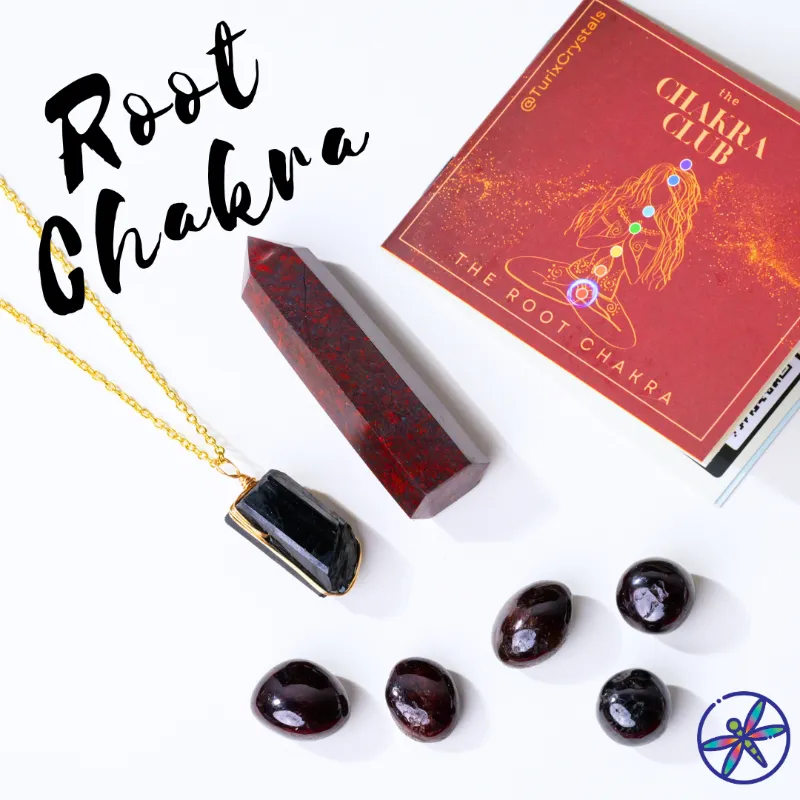
| Root chakra stone | 7 to 9 | High-wear jewelry | Low |
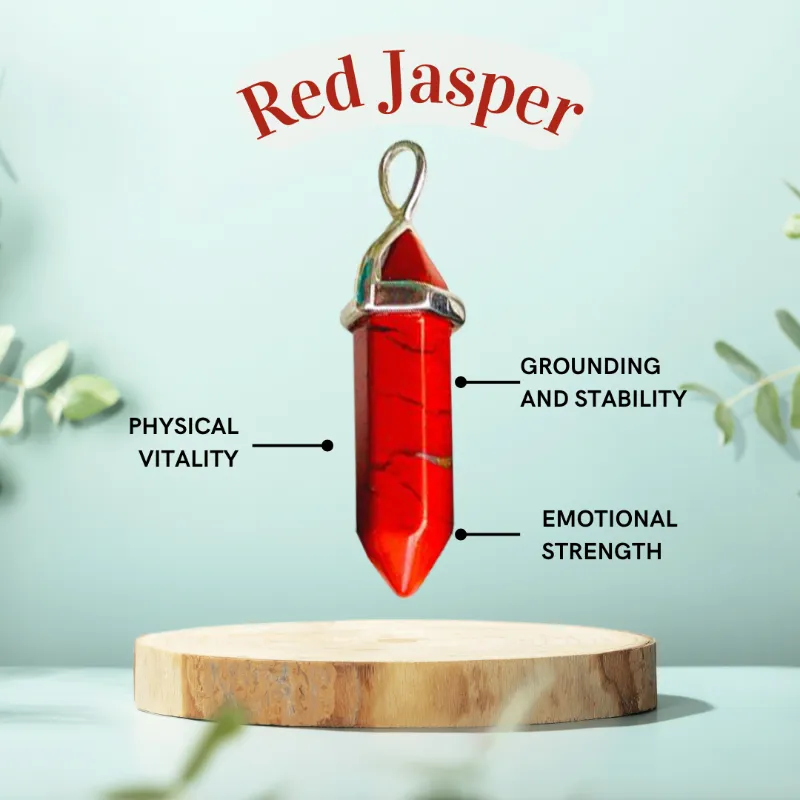
| Red jasper jewelry | 7 | Everyday wear | Low |
Labradorite is sensitive to thermal shock, so avoid sudden temperature changes. Don’t move it directly from cold to hot water or leave it in direct sunlight for extended periods, as heat can affect the stone’s appearance and internal structure.
How to Care for Your Labradorite Heart
Keeping your labradorite heart clean and protected preserves both its shimmer and its integrity. Here’s how:
- Rinse gently under lukewarm running water with a soft cloth. Avoid ultrasonic cleaners and steamers, which can damage the stone.
- Store your labradorite heart in a soft pouch or cloth, away from harder stones that could scratch it. Keep it separate from jewelry that might knock against it.
- Avoid prolonged exposure to direct sunlight, which can fade the labradorescence over time.
- Remove labradorite jewelry before swimming, exercising, or doing dishes. Chlorine and soap residue can dull the surface.
- If your labradorite heart is set in metal, clean the setting separately with appropriate metal polish to avoid exposing the stone to harsh chemicals.
For energetic cleansing, many practitioners use moonlight rather than water or sage. Place your labradorite heart on a windowsill during a full moon to recharge its energy without physical risk.
Labradorite Heart vs. Other Crystal Shapes and Stones
The heart shape is one of the most popular cuts for labradorite, but your choice also depends on how you plan to use the stone. A labradorite heart works well as a display piece or palm stone, while a labradorite heart necklace offers wearable beauty. If you prefer other shapes, Turix Crystals also carries labradorite amethyst combinations and pieces designed for specific uses.
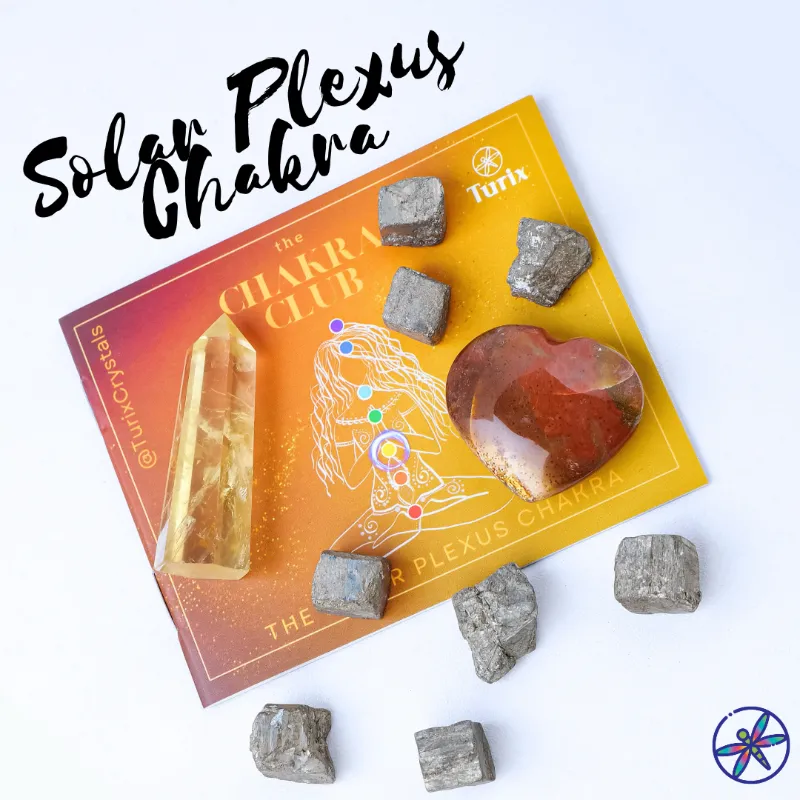
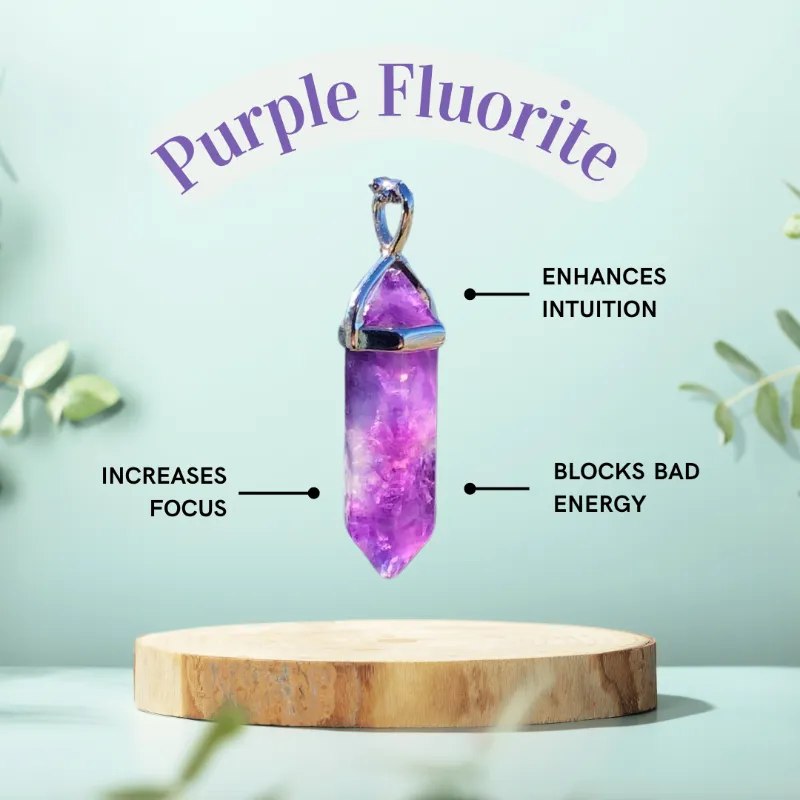
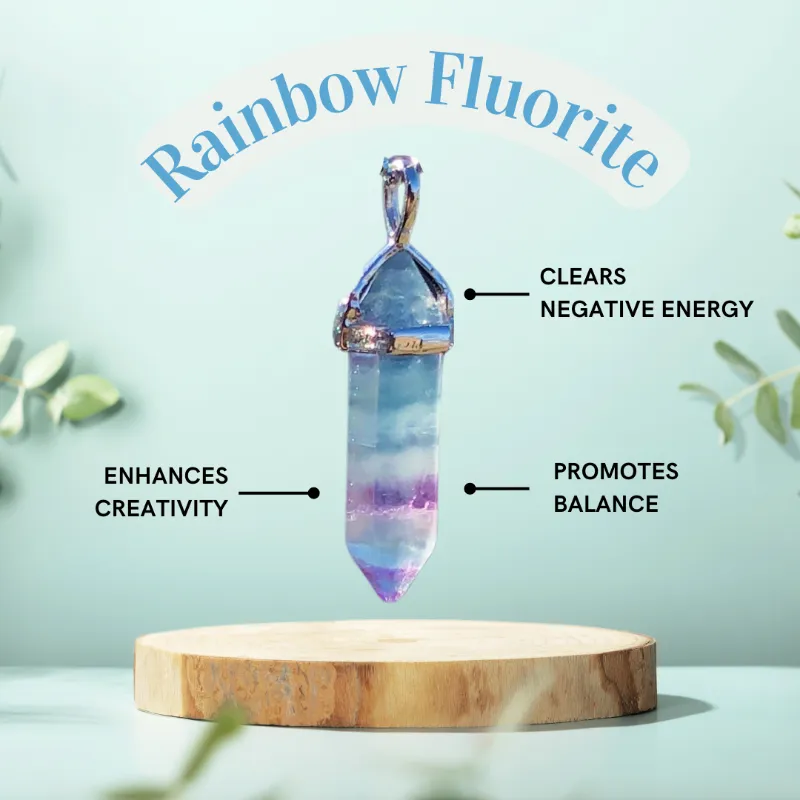
If you’re building a crystal collection for chakra work, you might pair labradorite with third chakra crystals like citrine or root chakra stone options for grounding. For energy and durability together, many collectors choose purple fluorite jewelry or rainbow fluorite jewelry, which offer similar meaning but different hardness levels.
Who Should Choose a Labradorite Heart
A labradorite heart suits collectors who value beauty and don’t mind taking time to care for their pieces. It’s ideal for:
- Display on shelves or altars where it won’t risk impact or temperature swings.
- Gifting to someone who appreciates labradorite meaning and enjoys mindful care routines.
- Wearing as a pendant in a secure setting, especially for those who are careful with jewelry.
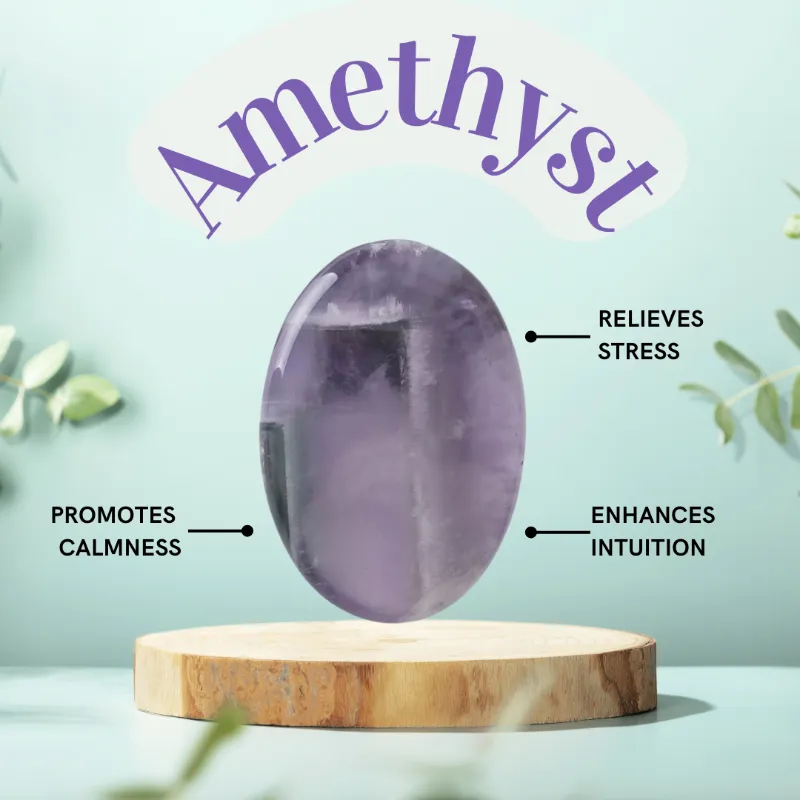
- Combining with complementary stones like amethyst worry stone or rose quartz roller bottle in a curated collection.
If you’re looking for a crystal you can toss in your bag without worry, consider more durable options like red jasper jewelry or opalite chip bracelet instead.
Getting Your Labradorite Heart
Ready to add a labradorite heart to your collection? Grab the code for 15% off sitewide at Turix Crystals and explore their range of labradorite and complementary stones. Whether you’re drawn to labradorite healing properties, the mesmerizing shimmer, or the symbolic meaning of a heart-shaped crystal, proper care will keep your piece glowing for years to come.
Questions
What is labradorite heart meaning?
Labradorite heart stones are believed to symbolize transformation, intuition, and protection. The heart shape adds themes of compassion and inner truth. Many use them on altars or carry them as talismans for spiritual work.
Can I wear a labradorite heart as a necklace?
Yes, but a labradorite heart necklace works best when set in a protective bezel or frame. Since labradorite rates 6 to 6.5 on the Mohs scale, it's softer than quartz and can scratch. Remove it during exercise or swimming to prevent damage.
How do I clean my labradorite heart without damaging it?
Rinse gently under lukewarm water with a soft cloth and avoid ultrasonic cleaners or steamers. For energetic cleansing, many practitioners prefer moonlight. Store your labradorite heart in a soft pouch away from harder stones.
Does labradorite fade in sunlight?
Prolonged direct sunlight can fade the labradorescence shimmer over time. Keep your labradorite heart indoors or in indirect light to preserve its inner glow.
What are labradorite healing properties?
Labradorite is associated with intuition, inner strength, and protection against negative energy. Some believe it supports transformation and spiritual insight. Pair it with [third chakra crystals](/go/p/6441) or [root chakra stone](/go/p/6439) options for enhanced energy work.
How does labradorite compare to other crystals for durability?
Labradorite is softer than quartz or [red jasper jewelry](/go/p/6436) options at 6 to 6.5 on the Mohs scale. It's best for display or pendant wear rather than daily rings. If you need high-durability jewelry, choose harder stones instead.
Products in this guide
 Shopping at Turix Crystals? See the discount code
15% OFF Sitewide
Shopping at Turix Crystals? See the discount code
15% OFF Sitewide
More in this series
Green Onyx Mala Beads: Choosing the Right Chakra Crystal for Your Practice26 Aug 20265 minRoot Chakra Stones Explained: Meanings, Benefits, and How to Choose26 Aug 20264 min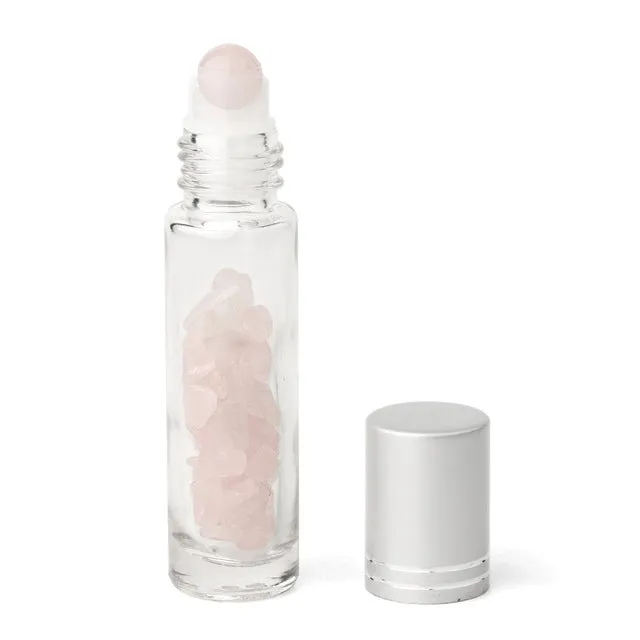 How to Use a Rose Quartz Roller Bottle for Best Results26 Aug 20264 minRed Jasper vs. Rose Quartz: Which Crystal Should You Wear Daily?26 Aug 20264 minDoes Amethyst Really Help with Anxiety? What Science Says About Worry Stones26 Aug 20265 min