 A Turix Crystals guide
Does Amethyst Really Help with Anxiety? What Science Says About Worry Stones
An amethyst worry stone can become part of your anxiety toolkit, but the real benefit comes from the mindful practice, not the crystal itself.
Does an amethyst worry stone actually reduce anxiety?
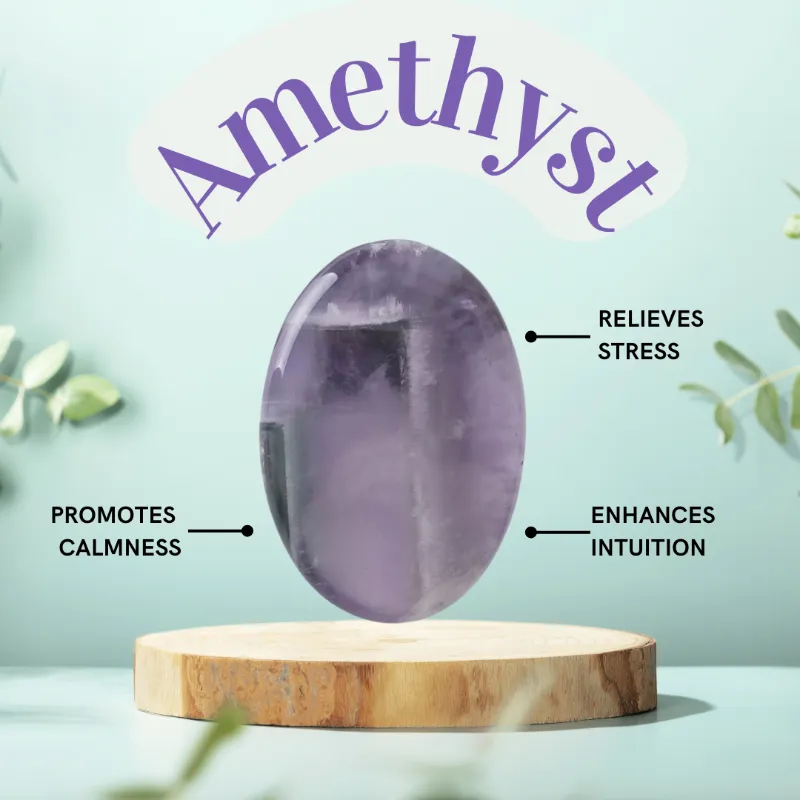
An amethyst worry stone won’t chemically rewire your brain or replace therapy, but it can support your anxiety routine through tactile grounding and habit. The science isn’t about the amethyst crystal itself, it’s about what you do with it. Rubbing a smooth stone activates the same grounding reflex that helps during panic: you focus on texture and temperature, which pulls attention away from anxious thoughts. Many people find this sensory anchor works as well as fidget toys or stress balls. The amethyst label adds psychological benefit (the placebo effect is real and useful), and if the ritual of holding something beautiful calms you, that counts.
How worry stones work: the tactile grounding angle
Worry Stones have been used for centuries as palm-sized tools for nervous habits. Here’s why they work:
- Sensory redirect: Running your thumb over the smooth, polished surface gives your hands something to do instead of fidgeting or scrolling. This interrupts the anxiety loop.
- Rhythmic repetition: The repetitive motion is mildly meditative, similar to prayer beads or stress balls.
- Grounding anchor: Holding something solid and cool in your hand signals safety to your nervous system.
- Portable ritual: Unlike meditation cushions, you carry your amethyst worry stone in a pocket or bag, so you have it during stressful moments.
The stone itself (whether it’s amethyst, quartz, or river rock) matters less than consistency. You’re training your brain to associate the texture with calm.
Amethyst vs. other crystals for anxiety and stress relief
If you’re exploring stones for emotional support, different minerals show up in different wellness traditions. Here’s how common options compare:
| Stone | Tradition | Best For | Form |
|---|---|---|---|
| Amethyst | Calming, clarity | General anxiety, sleep | Worry stone, necklace, roller |
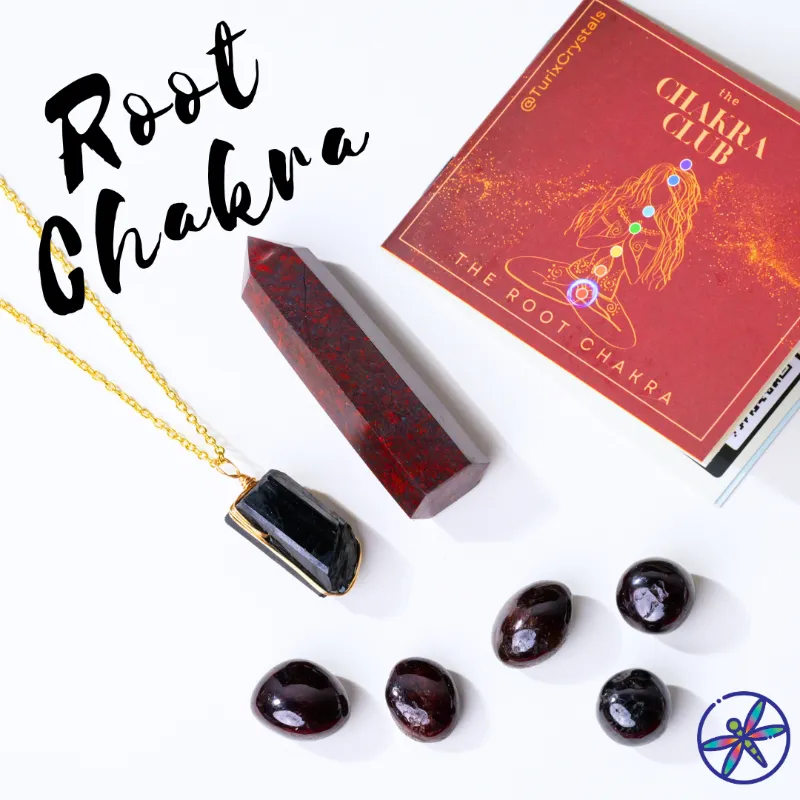
| Root chakra stone | Grounding energy | Stability, feeling scattered | Tumbled, bracelet |
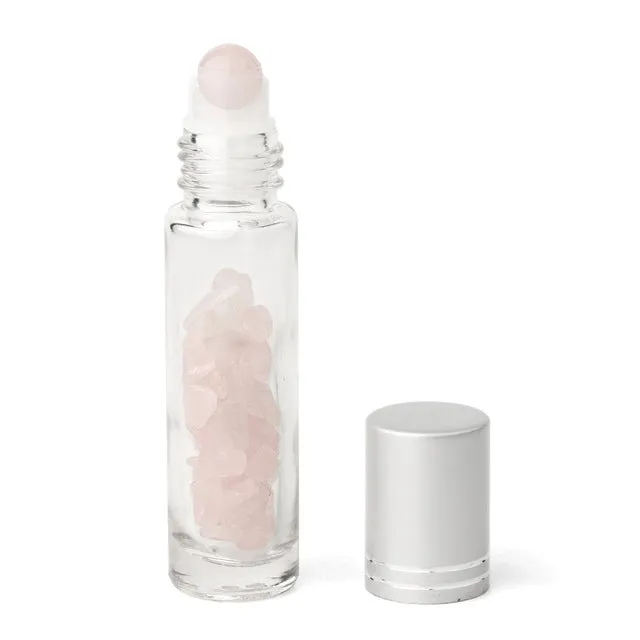
| Rose quartz roller bottle | Self-compassion | Gentle, self-soothing rituals | Roller bottle |
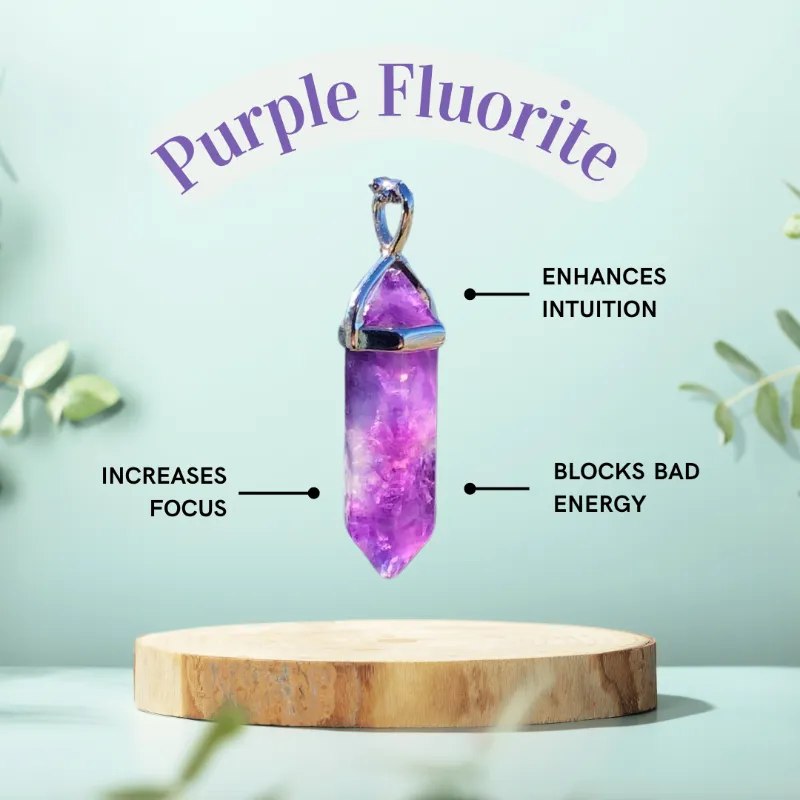
| Purple fluorite jewelry | Mental clarity | Racing thoughts, focus | Pendant, ring |
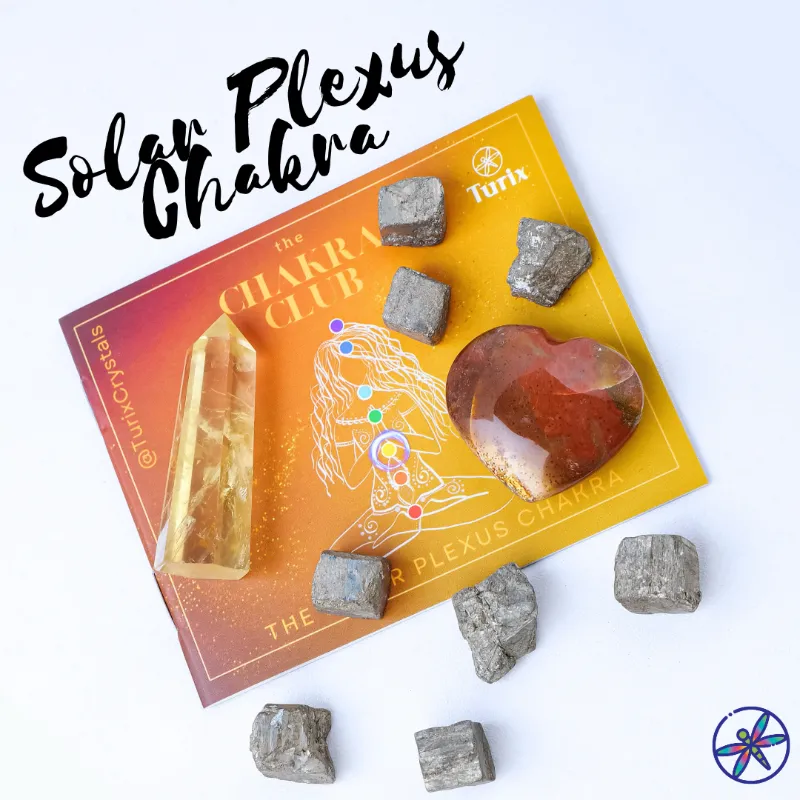
Each serves a different ritual. If you prefer necklace-based calming, an amethyst worry stone necklace keeps the stone closer. For chakra-focused practice, third chakra crystals (like citrine or yellow fluorite) target confidence, while root chakra stone options ground you when you feel untethered.
Why you might choose an amethyst worry stone over other tools
Amethyst has become the go-to anxiety stone for practical reasons. It’s durable, affordable, widely available, and purple is associated with calm in color psychology. A smooth amethyst worry stone is also:
- Pocket-sized: Unlike a yoga mat or meditation app, you carry it anywhere.
- No setup needed: No apps to open, no special environment. Just hold and rub.
- Subtle in public: You can use it during a work meeting or commute without drawing attention.
- Affordable: Grab the code to find competitive pricing on quality stones.
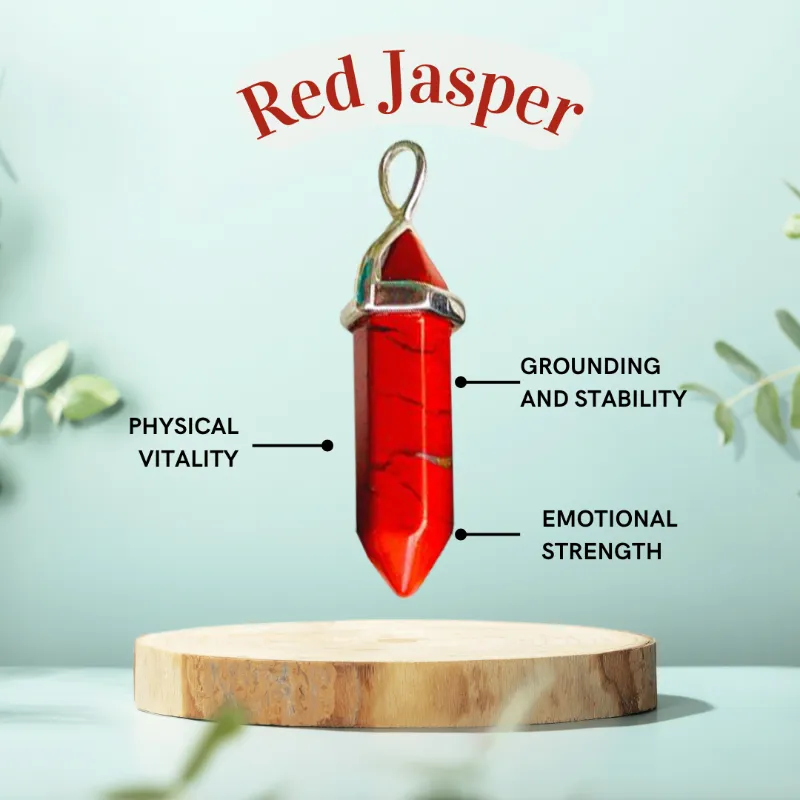
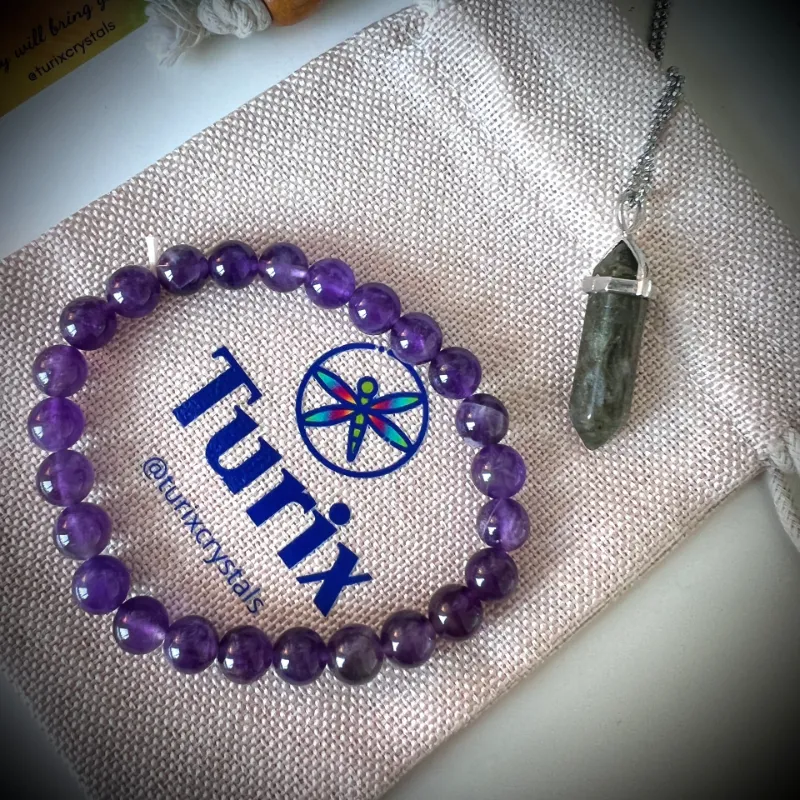
If you lean toward wearing your tools, red jasper jewelry or jewelry with red jasper offer similar tactile comfort throughout the day. For those drawn to multiple benefits, a labradorite amethyst combines two minerals in one piece, or a labradorite heart adds a held-in-hand ritual element.
How to use an amethyst worry stone as part of your routine
The ritual matters more than the stone. Build consistency:
- Set a trigger: Use your stone during a specific moment (coffee in the morning, before bed, during a commute).
- Focus on the feeling: Notice the temperature, texture, and weight. Name what you feel in your body as you hold it.
- Pair it with breath: Rub the stone while breathing slowly. The combined anchor (tactile + breath) is stronger than either alone.
- Keep it visible: Place it on your desk, nightstand, or bag so you remember to use it.
- Combine with other tools: A worry stone works best alongside actual anxiety strategies (therapy, exercise, sleep). It’s a supporting habit, not a replacement.
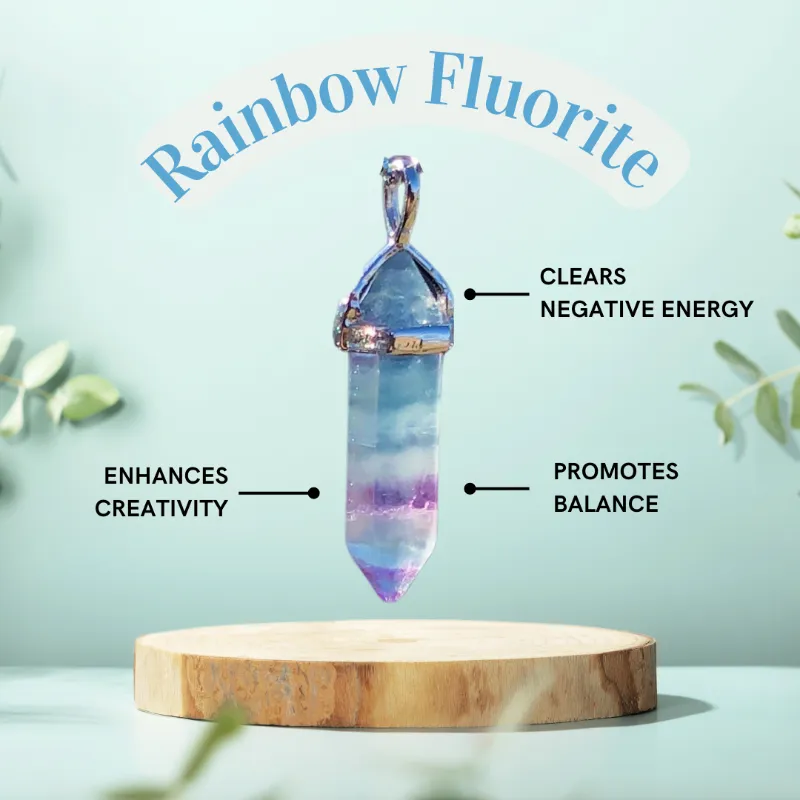
If jewelry fits your style better, jasper necklace red, purple fluorite jewelry, or rainbow fluorite jewelry let you carry calming presence throughout the day. For wrist-based grounding, an opalite chip bracelet offers similar tactile feedback.
What science actually says about crystals and mental health
The research is honest: amethyst itself has no pharmacological effect on anxiety. No clinical trial has shown that holding a purple stone rewires neurotransmitters. But this doesn’t mean worry stones don’t work. The benefits come from:
- Placebo effect: Your belief that the stone helps activates the same neural pathways as the ritual itself. Placebo isn’t fake; it’s real neuroscience.
- Mindfulness: Focusing on the stone pulls you out of anxious thought spirals, which does reduce symptoms temporarily.
- Tactile self-soothing: Touch genuinely lowers cortisol. Any smooth object does this.
- Habit anchoring: Repeating the same action in response to anxiety trains your brain to shift gears faster over time.
If an amethyst worry stone helps you show up more consistently to your own anxiety care, it’s a legitimate tool. The crystal is the vehicle; your attention is the medicine.
Who should and shouldn’t rely on worry stones
Worry stones work well if you:
- Have mild to moderate anxiety or everyday stress
- Already have grounding strategies and want to add texture to them
- Respond well to tactile input and routine
- Like the psychological boost of a beautiful object
Worry stones alone won’t help if you:
- Have clinical anxiety or panic disorder (use alongside professional treatment, not instead)
- Tend to avoid underlying problems through rituals (an amethyst worry stone isn’t avoidance therapy)
- Prefer other sensory tools (some people prefer sound, movement, or temperature)
For those starting out, check the latest price and explore a single stone before building a collection. Many people find one quality amethyst worry stone does more than a drawer full of unused crystals.
Building a balanced anxiety toolkit
An amethyst worry stone works best as one part of a broader routine. Pair it with:
- Breathing exercises or guided meditation (3-5 minutes daily)
- Physical movement (walking, stretching, yoga)
- Sleep and hydration habits
- Professional support if anxiety interferes with daily life
If you’re drawn to multiple ritual tools, combining an amethyst stone with rose quartz roller bottle creates a day-and-night routine: worry stone during the day for grounding, roller bottle at night for self-compassion. Third chakra crystals can add a confidence layer if anxiety centers on self-doubt.
The honest take: an amethyst worry stone is worth trying if you have $15-30 and enjoy the tactile experience. It’s not a cure, but it’s a reminder to pause, breathe, and ground yourself. That pause is where the real work happens.
Questions
Does an amethyst worry stone actually work for anxiety?
An amethyst worry stone works through grounding and ritual, not through the crystal itself. The tactile feedback and focused attention reduce anxiety symptoms, similar to fidget tools. Consistency matters more than the stone type.
How often should I use my amethyst worry stone?
Use it daily as part of a routine, during stressful moments, morning calm, or before bed. Even 2-3 minutes of regular use builds the habit and trains your nervous system to shift gears faster.
Can I use an amethyst worry stone instead of therapy or medication?
No. A worry stone is a supporting tool, not a replacement for professional treatment. If you have clinical anxiety, use the stone alongside therapy, medication, or other evidence-based strategies.
What's the difference between an amethyst worry stone and other anxiety stones like rose quartz?
Amethyst is traditionally linked to calm and clarity, while rose quartz supports self-compassion. Both work through the same grounding mechanism; choose based on the ritual and intention that resonates with you.
Should I carry my amethyst worry stone or wear it as jewelry?
Both work. Carrying a worry stone in your pocket lets you actively rub it during stress. Wearing amethyst as a necklace or pendant keeps calm present but requires less active use.
How do I choose between an amethyst worry stone and other products like purple fluorite jewelry?
If you like active grounding, choose a worry stone. If you prefer passive support throughout the day, choose jewelry like purple fluorite jewelry or a necklace.
Products in this guide
 Shopping at Turix Crystals? See the discount code
15% OFF Sitewide
Shopping at Turix Crystals? See the discount code
15% OFF Sitewide
More in this series
Green Onyx Mala Beads: Choosing the Right Chakra Crystal for Your Practice26 Aug 20265 min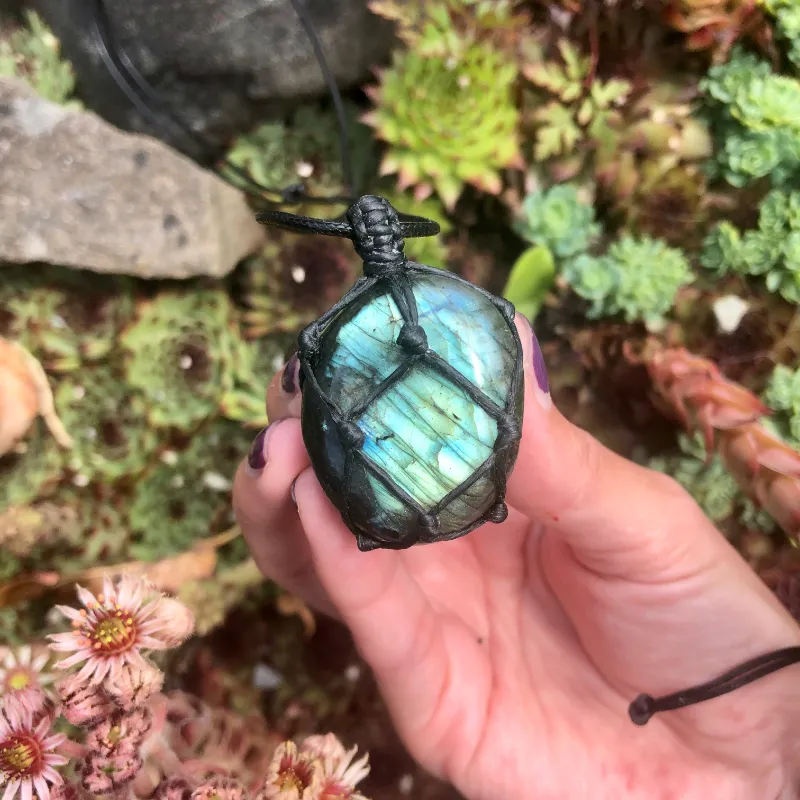 Labradorite Heart Stones: Durability, Care, and Why They Shimmer26 Aug 20264 minRoot Chakra Stones Explained: Meanings, Benefits, and How to Choose26 Aug 20264 minHow to Use a Rose Quartz Roller Bottle for Best Results26 Aug 20264 minRed Jasper vs. Rose Quartz: Which Crystal Should You Wear Daily?26 Aug 20264 min