 A CaseBloomer guide
Why Your Kindle Oasis Case Won’t Stay Closed (And How to Fix It)
A kindle oasis case that won't stay closed usually suffers from weakened magnets, accumulated debris, or case warping, but most issues can be fixed in minutes.
A kindle oasis case that pops open in your bag is frustrating and leaves your screen vulnerable to scratches. The closure problem stems from three common causes: weakened magnetic strips, dirt blocking the contact surface, or warped edges from heat or pressure.
Most Oasis owners notice the problem after six to twelve months of daily use. Before you replace your case entirely, the fixes below solve closure issues in under ten minutes with materials you already own.
What Causes Magnetic Closures to Fail

The magnetic strip inside your kindle oasis case gradually loses strength from repeated opening, exposure to heat, and contact with other magnets in your bag.
Other factors that weaken closure:
- Debris accumulation along the edge where the flap meets the body blocks full contact between magnets
- Case warping from leaving your Kindle in a hot car or under heavy books creates gaps
- Misaligned magnets if the interior lining has shifted or peeled away from the shell
- Worn hinge material that no longer holds the flap at the correct angle
Folio-style cases with elastic bands rarely suffer closure problems because they rely on tension rather than magnets. If you need a guaranteed secure closure, consider switching to an elastic-band design when you check the latest price.
Quick Fixes That Restore Closure Strength
Clean the Contact Surfaces
Remove your Kindle and use a microfiber cloth slightly dampened with isopropyl alcohol to wipe both the inside edge of the flap and the corresponding surface on the case body. Dust, oils from your hands, and tiny fabric fibers prevent magnets from making full contact. Let the surfaces air-dry for two minutes before reassembling.
Add Magnetic Reinforcement
Purchase self-adhesive magnetic tape (3M makes a reliable version) from any hardware store. Cut a strip to match the length of your existing magnetic closure, peel the backing, and layer it directly over the original magnet inside the flap. This doubles the holding force without adding noticeable bulk. Position your Kindle back in the case and test the closure before the adhesive fully sets so you can adjust alignment.
Reshape Warped Edges
If your case curves outward and won’t lie flat, place it under a stack of heavy books overnight. For stubborn warping, wrap the closed case in a towel and apply gentle heat with a hairdryer on low for 30 seconds, then immediately press it flat under weight while it cools. This works best with faux-leather and polyurethane cases but can damage genuine leather.
Tighten Loose Hinges
Some cases use a glued hinge that separates over time. Apply a thin bead of E6000 craft adhesive or fabric glue along the interior hinge line, press firmly, and clamp with binder clips for 24 hours. Avoid super glue, which stays rigid and will crack again with flexing.
When to Replace Instead of Repair
Repairs extend the life of a functional case, but replacement makes sense if you notice cracked corners, peeling interior lining, or a magnetic strip that has physically detached from the material. A kindle case with structural damage will continue to fail even after you reinforce the closure.
We recommend upgrading to a fresh case if:
- Your current case is more than two years old and shows multiple wear points
- The interior felt or microfiber lining is pilling and could scratch your screen
- You’ve already added magnetic reinforcement and it still won’t stay closed
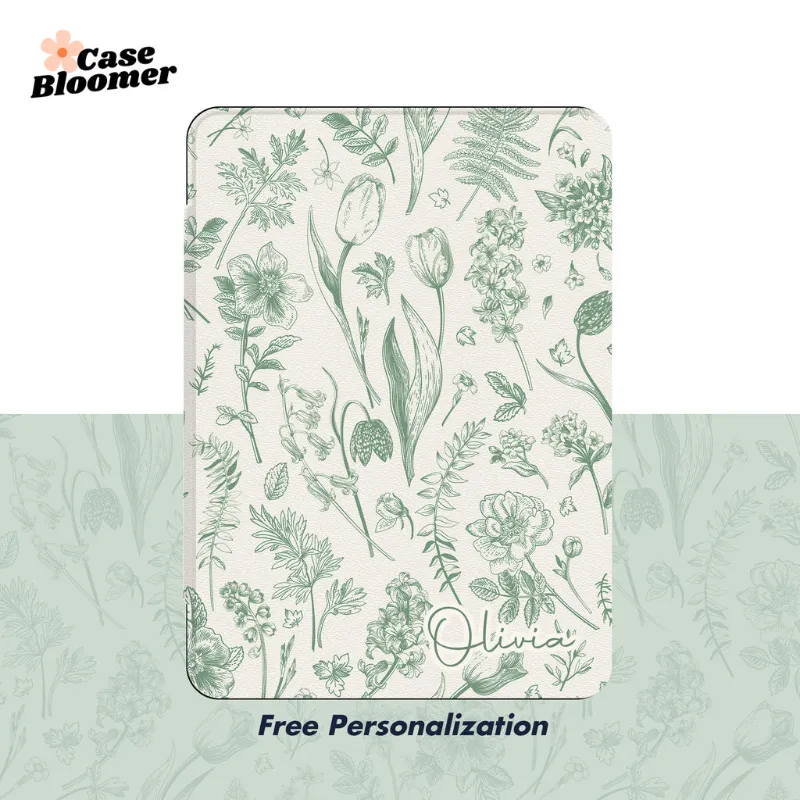
Other Kindle models like the Paperwhite use similar closure mechanisms, so a kindle paperwhite case will encounter the same issues over time. The fixes above work across all folio-style e-reader cases with magnetic flaps.
Preventing Future Closure Problems
Store your Kindle flat rather than upright in a bag to reduce stress on the hinge. Avoid placing heavy items on top of the closed case, which compresses the magnet and weakens its field. Keep your case away from direct sunlight and hot surfaces like car dashboards, where temperatures above 120°F soften adhesives and warp synthetic materials.
Clean the closure surfaces every three months with a dry microfiber cloth to prevent buildup. If you carry your Kindle in a larger bag with keys, pens, or other metal objects, use a protective sleeve over the case to shield the magnets from interference.
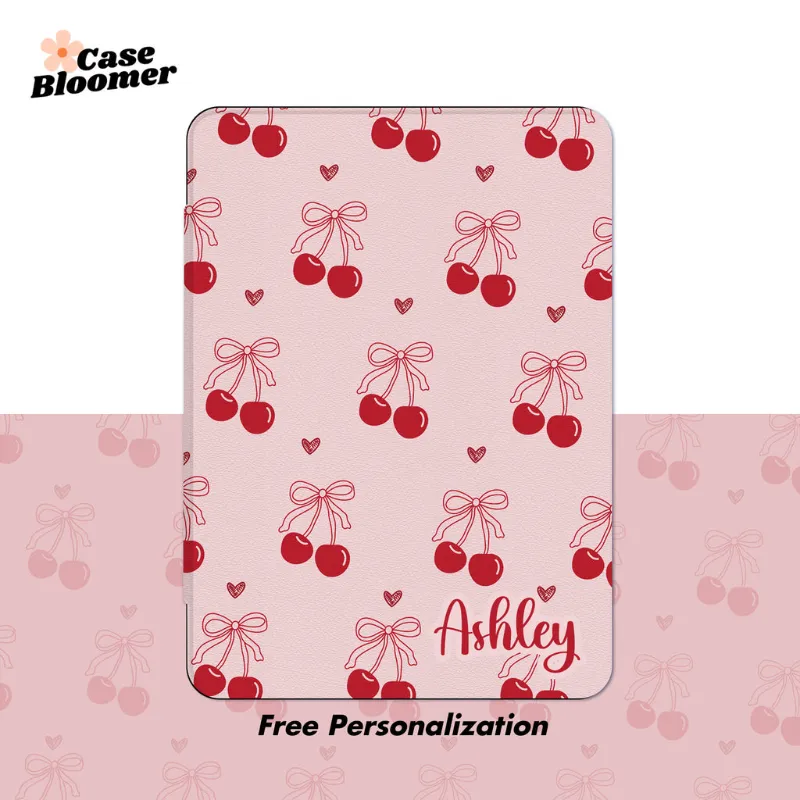
For readers who want a more secure alternative, elastic-band cases and cute kindle cases with snap buttons eliminate magnetic failure entirely. You can grab the code to save on a replacement if your current case is beyond repair.
Comparing Closure Types for E-Readers
Different closure mechanisms offer tradeoffs between convenience and security.
| Closure Type | Durability | Ease of Use | Best For |
|---|---|---|---|
| Magnetic flap | Moderate, weakens over time | One-handed open/close | Daily reading, low-movement environments |
| Elastic band | High, maintains tension | Requires two hands | Travel, bags with heavy items |
| Snap button | High, no wear on closure | Moderate, audible click | Readers who want silent operation alternatives |
Magnetic closures remain the most popular because they feel seamless and don’t require deliberate fastening, but they demand more maintenance than elastic or snap designs.
Choosing Your Next Case With Closure in Mind
If you’re shopping for a replacement, prioritize cases with dual magnetic strips (one on each side of the flap) rather than a single center magnet. Look for reinforced corners and a hinge made from bonded materials rather than just glued fabric, which separates faster.
Read reviews specifically mentioning closure strength after three to six months of use. New cases always close securely, but long-term performance varies widely by manufacturer. Cases in the $15 to $25 range typically use stronger adhesives and thicker magnetic strips than budget options under $10.
Questions
Why does my Kindle Oasis case open by itself in my bag?
Weak magnets, debris between contact surfaces, or a warped case edge prevent secure closure. Clean both surfaces with isopropyl alcohol and add self-adhesive magnetic tape over the existing strip to restore holding power.
Can I fix a magnetic closure without replacing the entire case?
Yes. Layer self-adhesive magnetic tape from a hardware store directly over your case's existing magnet to double the holding force. Most closures work like new after this five-minute reinforcement.
How long do magnetic closures last on e-reader cases?
Magnetic closures typically maintain strong holding power for 12 to 18 months with daily use, then gradually weaken. Cases exposed to heat or stored under pressure fail faster, sometimes within six months.
Are elastic band cases better than magnetic flap closures?
Elastic bands maintain consistent tension and never weaken like magnets do, making them more reliable for travel. Magnetic flaps are more convenient for quick one-handed access during daily reading sessions.
What's the best way to clean a Kindle case closure?
Wipe both the flap edge and case body with a microfiber cloth slightly dampened with isopropyl alcohol every three months. This removes oils and dust that block full magnet contact.
Will adding magnetic tape make my case too bulky?
Self-adhesive magnetic tape adds less than 1mm of thickness and won't interfere with normal use. Position it carefully over the original magnet before the adhesive sets to maintain proper alignment.
Products in this guide
Shopping at CaseBloomer? See the discount code
10% OFF All Ordersa
More in this series
 Choosing Between a Hard Shell or Sleeve Case for Your MacBook Pro20 Aug 20266 minBest Materials for E-Reader Cases: Leather vs Fabric vs Silicone Durability20 Aug 20265 minDo MacBook Air 13 Inch Cases Cause Overheating? What You Need to Know20 Aug 20265 min
 iPad Mini 6 vs iPad Mini 5: Which Case Fits Both Generations?20 Aug 20264 minHow to Clean and Maintain Your Kindle Paperwhite Case Without Damaging It20 Aug 20264 min