 A CaseBloomer guide
How to Clean and Maintain Your Kindle Paperwhite Case Without Damaging It
A kindle paperwhite case stays protective and attractive longer when you clean it with the right method for its material.
Your kindle paperwhite case protects your e-reader from drops and scratches, but dirt, oils, and everyday grime build up fast. Most damage happens when readers use the wrong cleaner or scrub too hard, so we’ll walk you through safe, proven techniques that keep your case looking new without risking the finish or compromising protection.
Identify Your Case Material First
Before you grab any cleaner, check what your case is made from. The wrong product can strip coatings, discolor fabric, or leave residue that attracts more dirt.
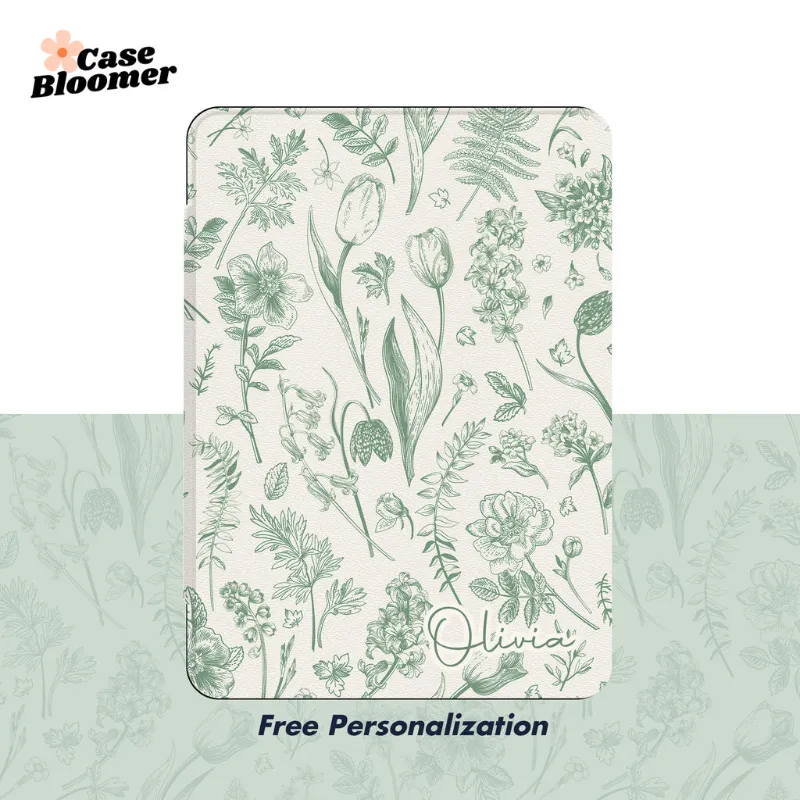
- Synthetic leather (PU) is the most common material for a kindle paperwhite case and tolerates mild soap and water
- Genuine leather requires specialized leather cleaner and conditioner to prevent cracking
- Fabric or canvas cases need gentle brushing and spot cleaning to avoid water stains
- Silicone or TPU handles stronger cleaning but can yellow if you use bleach-based products
- Hard plastic or polycarbonate backs wipe clean easily but scratch if you use abrasive cloths
If you’re shopping for a new case and want low-maintenance options, check the latest price on our tested styles at CaseBloomer.
Cleaning Methods by Material
Each case material responds best to specific cleaning agents and techniques.
Synthetic Leather and PU Cases
Mix a few drops of dish soap with warm water, dip a microfiber cloth until damp (not soaking), and wipe the exterior in circular motions. For stubborn grime in seams or around closures, use a soft toothbrush dipped in the soapy water. Rinse the cloth with clean water, wring it out, and wipe away soap residue. Air dry completely before reinserting your Kindle. Never saturate the interior lining, which can take days to dry and may warp.
Genuine Leather Cases

Apply a leather cleaner designed for finished leather (saddle soap works well) with a damp cloth, working in small sections. Follow immediately with a leather conditioner to restore oils and prevent cracking. Buff with a dry cloth. We recommend conditioning every three to four months if you use your kindle case daily. Avoid water-based cleaners that strip natural oils.
Fabric and Canvas Cases
Vacuum or brush loose debris with a soft-bristle brush first. Spot-clean stains with a small amount of mild detergent on a damp cloth, blotting rather than rubbing to avoid pushing dirt deeper into the weave. For persistent odors, sprinkle baking soda on the fabric, let it sit for an hour, then vacuum. Never machine-wash a case with integrated magnets or rigid frames, which can break or misalign.
Silicone, TPU, and Rubber Cases

Wash with warm soapy water and a sponge, scrubbing texture or grip patterns where oils accumulate. Rinse thoroughly under running water and towel dry. For discoloration, make a paste of baking soda and water, apply it to stained areas, let it sit for ten minutes, then rinse. These cases dry quickly, so you can reassemble your setup in minutes. If you prefer a sleeker look, kindle skins offer similar grip with less bulk.
Hard Shell and Polycarbonate Cases
Wipe with a damp microfiber cloth and a drop of glass cleaner or isopropyl alcohol (70% concentration). Avoid paper towels, which leave micro-scratches over time. For scuffs on glossy finishes, a tiny amount of plastic polish can restore clarity, but test it on an inconspicuous corner first.
Maintenance Schedule to Extend Case Lifespan
Regular light cleaning prevents the deep-set grime that requires aggressive scrubbing.
| Frequency | Task | Why It Matters |
|---|---|---|
| Weekly | Wipe exterior with dry microfiber cloth | Removes surface dust and oils before they bond |
| Monthly | Deep clean with material-appropriate method | Prevents buildup in seams and closures |
| Quarterly | Inspect hinges, magnets, and elastic bands | Catches wear before it causes failure |
| Annually | Condition leather or treat fabric protector | Restores water resistance and suppleness |
If you’re looking at a replacement, grab the code for 10% off at CaseBloomer before your current case fails completely.
Common Mistakes That Damage Cases
We’ve seen readers ruin otherwise great cases with these missteps. Avoid them to maximize your investment.
- Using disinfectant wipes with bleach or alcohol above 70% on printed designs or matte finishes, which causes fading or sticky residue
- Submerging cases in water to “deep clean” them, which damages adhesive, warps cardboard stiffeners, and kills magnetic closures
- Scrubbing with rough sponges or brushes on synthetic leather, which removes the topcoat and exposes foam backing
- Applying silicone spray or furniture polish to make cases shiny, which creates a slippery surface and attracts dust
- Storing damp cases in closed bags, which encourages mold growth, especially in humid climates
When to Replace Instead of Clean
Even with perfect maintenance, cases eventually wear out. Replace yours if you notice any of these issues, which compromise protection.
- Cracked corners or torn seams that expose your Kindle to impact
- Magnets that no longer hold the cover closed or trigger sleep/wake reliably
- Elastic bands stretched beyond tension, allowing your device to shift or fall out
- Interior lining peeling away or developing sharp edges that can scratch your screen
- Persistent odors that don’t respond to cleaning, which usually indicate mold in the padding
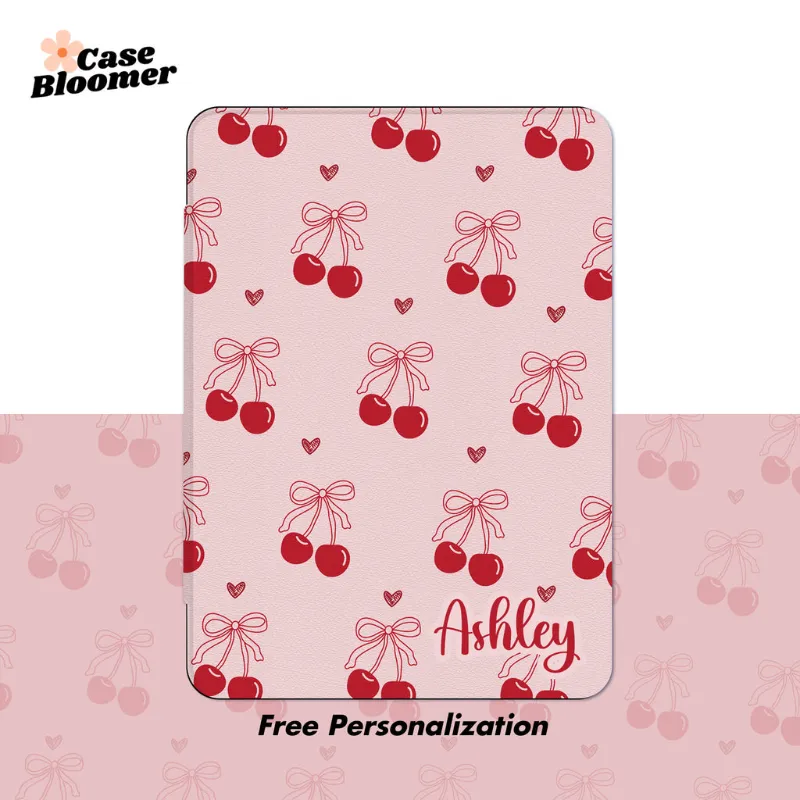
For readers who rotate between cute kindle cases and more protective options, keeping a backup case clean and ready means you can swap styles without downtime. The same maintenance principles apply whether you use a simple sleeve, a folio-style kindle oasis case, or a multi-angle stand case.
Quick Daily Habits for Cleaner Cases
Small routines prevent most of the grime that requires intensive cleaning sessions. We recommend these low-effort habits.
- Keep hand sanitizer or wipes nearby and clean your hands before long reading sessions to reduce oil transfer
- Store your Kindle in its case rather than tossing the case aside, which keeps both cleaner
- Avoid placing your case on dirty surfaces like gym floors, sandy beaches, or sticky cafe tables
- Use a small pouch or sleeve over your case if you carry it in a bag with pens, makeup, or food items that can leak
- Air out your case weekly by leaving it open for a few hours to prevent moisture buildup
Following these steps keeps your kindle paperwhite case looking and functioning like new for years. Proper care protects your investment and ensures your e-reader stays safe through thousands of reading hours.
Questions
Can I machine wash my kindle paperwhite case?
No, machine washing damages integrated magnets, warps rigid frames, and can separate glued seams. Always hand-clean cases with a damp cloth and mild soap instead.
How often should I clean my Kindle case?
Wipe your case weekly with a dry microfiber cloth and deep clean it monthly with the appropriate method for your material. This prevents grime buildup without over-handling.
What's the best cleaner for synthetic leather cases?
Mix a few drops of mild dish soap with warm water, apply it with a damp microfiber cloth, then wipe with a clean damp cloth to remove residue. Avoid harsh detergents or alcohol-based cleaners that strip the coating.
Will cleaning remove the smell from my fabric case?
Sprinkle baking soda on the fabric, let it sit for an hour, then vacuum it off to neutralize odors. For persistent smells, spot-clean with mild detergent and air dry completely outdoors if possible.
Can I use disinfectant wipes on my Kindle case?
Use only alcohol-free wipes or those with 70% isopropyl alcohol or less. Bleach-based wipes and higher alcohol concentrations fade printed designs and leave sticky residue on most case materials.
Do leather cases need special maintenance?
Yes, genuine leather cases require leather cleaner and conditioner every three to four months to prevent cracking and maintain suppleness. Synthetic leather (PU) only needs soap and water.
Products in this guide
Shopping at CaseBloomer? See the discount code
10% OFF All Ordersa
More in this series
 Choosing Between a Hard Shell or Sleeve Case for Your MacBook Pro20 Aug 20266 minWhy Your Kindle Oasis Case Won’t Stay Closed (And How to Fix It)20 Aug 20264 minBest Materials for E-Reader Cases: Leather vs Fabric vs Silicone Durability20 Aug 20265 minDo MacBook Air 13 Inch Cases Cause Overheating? What You Need to Know20 Aug 20265 min
 iPad Mini 6 vs iPad Mini 5: Which Case Fits Both Generations?20 Aug 20264 min