 A Swonder guide
Kayak and Canoe Anchors: Keeping Your Boat Secure in Any Condition
Kayak anchors keep your boat stationary in current, wind, and shallow water, and choosing the right one depends on your water type, depth, and kayak setup.
Kayak anchors keep your boat stationary in current, wind, and shallow water, and the right choice depends on your water type, depth, and setup. Whether you’re fishing, taking photos, or just floating without drifting, a quality anchor system transforms your time on the water from frustrating to relaxing.
Why You Need Kayak Anchors
Kayaks drift easily in moving water and wind. An anchor solves this without forcing you to paddle constantly or tie to unstable objects. Serious kayak anglers rely on anchors to hold position while fishing. Photographers and birdwatchers use them to stay in one spot for hours. Even casual paddlers benefit from the security of knowing your kayak won’t drift away.
A good anchor system has three parts: the anchor itself (the weight), a rope or line, and a mount or trolley that holds the line cleanly. Many kayakers upgrade from improvised solutions (rocks in nets, DIY rigs) to proper gear because it works better and lasts longer.
Anchor Types and When to Use Each
Different anchors work in different conditions. Fluke anchors, shaped like fish hooks, dig into sand and mud and hold well in soft bottoms. Mushroom anchors are rounded and work best in very soft or muddy water but are heavier. Grapple anchors have multiple hooks and grip rocky bottoms and vegetation.
For most kayak and canoe fishing, a fluke or small mushroom anchor works well in depths under 30 feet. Rocky or weedy lakes need a grapple-style anchor. If you fish both types of water, consider keeping two lightweight anchors rather than one heavy compromise.
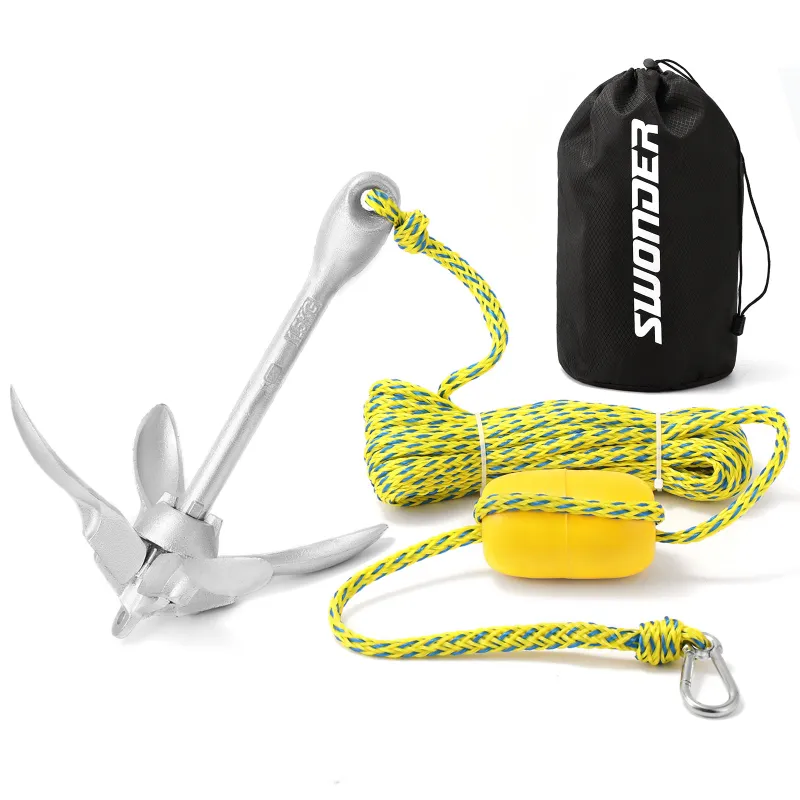
The anchor for kayak from Swonder is designed specifically for kayak proportions, which means it’s light enough to carry but heavy enough to hold. For canoe anchor needs, the weight and holding power scale up slightly since canoes sit higher in the water and catch more wind.
Rope Length and Material
Your line should be at least 5 to 7 times the depth of the water where you fish most often. If you fish 20-foot depths, carry 100 to 140 feet of line. This angle (called the scope) keeps your anchor from pulling free and reduces the strain on your kayak.
Rope material matters. Nylon stretches and absorbs water, which is good for shock absorption but adds weight when wet. Braided polyester is lighter and resists UV damage better. Sinking lines stay below the surface and won’t tangle in propellers or paddle blades.
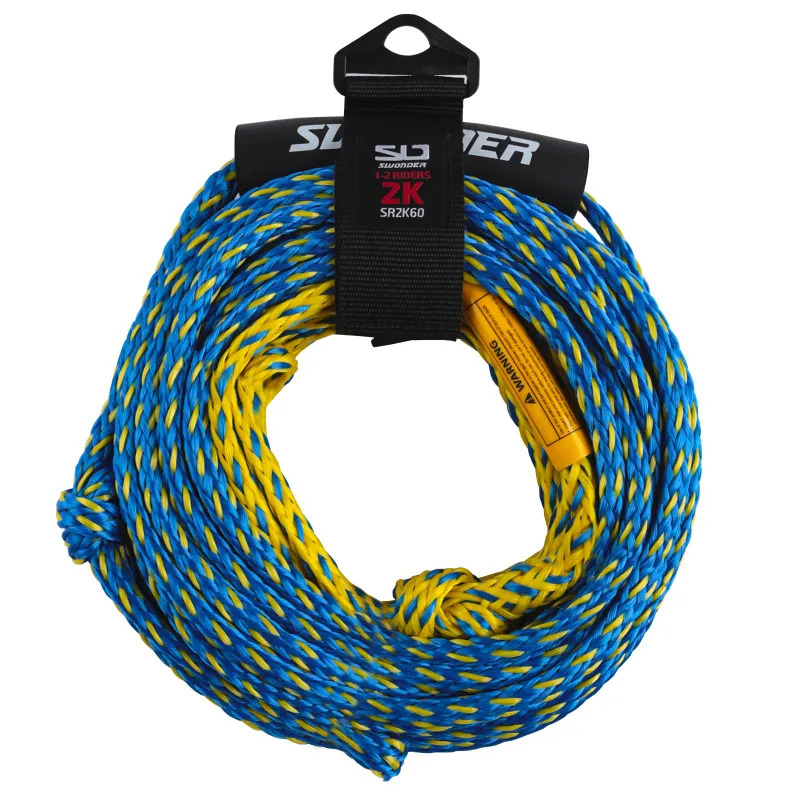
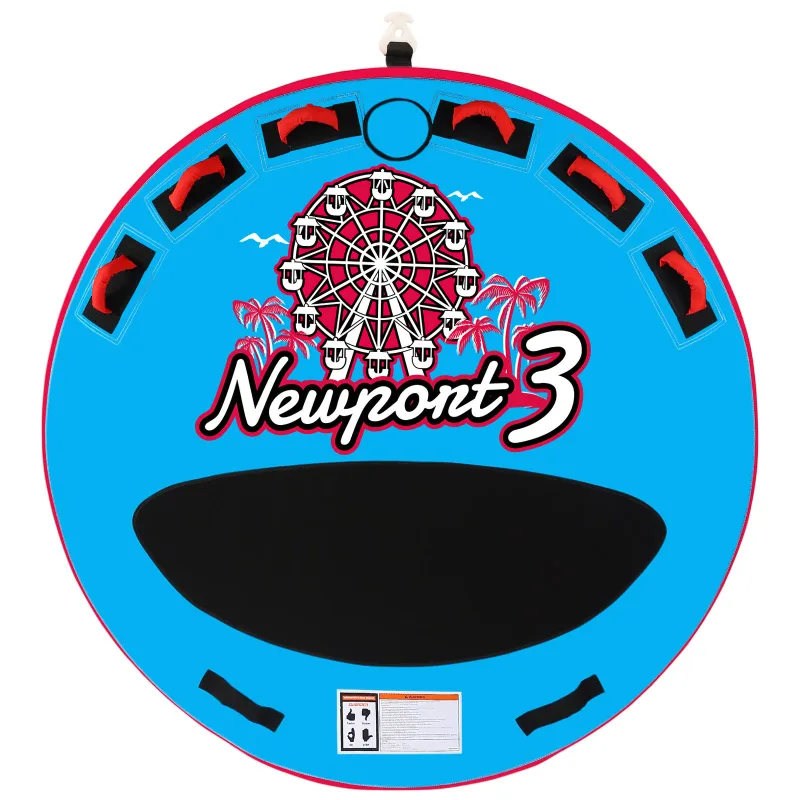
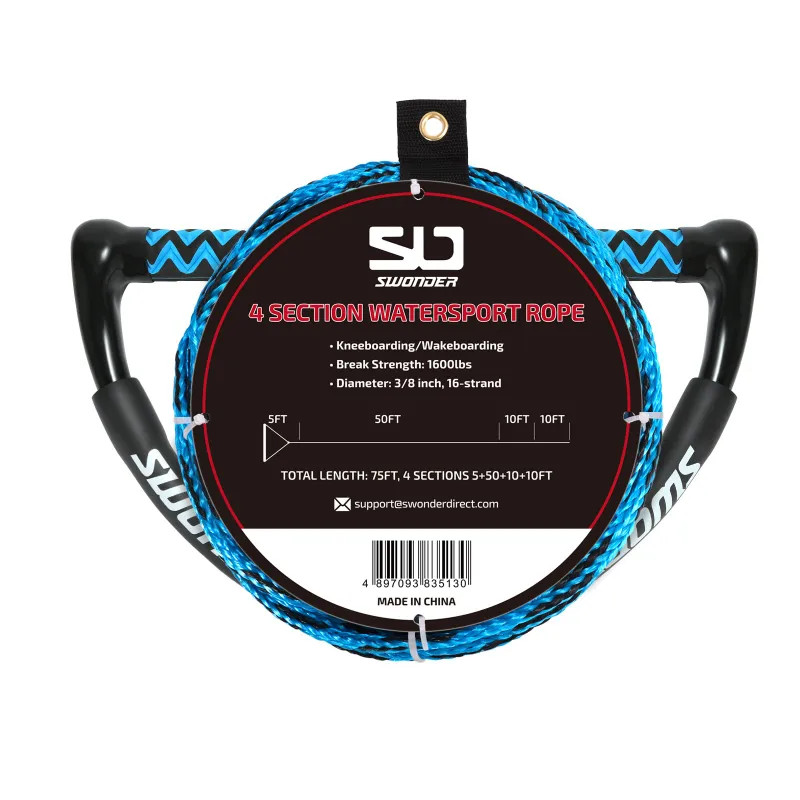
Many kayakers pair their anchor with a tow rope for tubing or similar quality line because the materials overlap. If you also tow tubes or run a towable setup like a 3 person towable tube, the same gear shops carry both, and grab the code at Swonder to save 10% sitewide on anchor lines and tow gear.
Installing a Kayak Anchor Trolley
A kayak anchor trolley is a pulley system that lets you adjust where your anchor deploys from without re-rigging the whole boat. The line runs along a rail or cord from your bow to your stern, and you adjust it based on wind and current direction to keep your kayak stable.
Most trolleys mount near the bow and stern on your existing hardware or on adhesive pads if you can’t drill. The pulley rides on a cord, and you tie your anchor line to it. As conditions change, you slide the pulley to reposition where your anchor pulls from, keeping your kayak oriented correctly.
Installing one takes 30 minutes to an hour. Check Top 10 Best Kayak Anchors in 2026 | Tested and Reviewed for step-by-step photos if your trolley doesn’t include clear instructions. The investment pays off immediately if you spend more than a few hours anchored.
Anchor Weight and Portability
Kayak anchors range from 1.5 pounds to 5 pounds. Lighter anchors hold in soft bottoms and calm water but may slip in current or strong wind. Heavier anchors hold better but tire you out carrying them to and from the water.
A 2- to 3-pound anchor works for most freshwater kayaking and fishing. If you fish rocky or swift rivers, move to 3.5 to 5 pounds. For casual paddling, 1.5 to 2 pounds is plenty.
Weight also matters if you’re launching from your car or hiking to a remote put-in. The kayak anchors from Swonder balance holding power with packability, so you’re not lugging a dumbbell into the wilderness. For canoe fishing, a canoe anchor scales up slightly without becoming a burden.
Best Practices for Anchoring
Deploy your anchor when the boat is still moving slowly downstream or downwind. This keeps slack out of your line and prevents a sudden jerk. Always tie the anchor line to a secure point on your kayak, not just hold it in your hand.
Check your line regularly for fraying or damage. A broken line means a lost anchor and no way to hold position. Replace it if you see significant wear.
In flowing water, always anchor from the bow (front) so current pushes your boat away from the anchor, keeping the line taut. In lakes or ocean anchoring, position depends on wind and waves, so adjust your trolley accordingly.
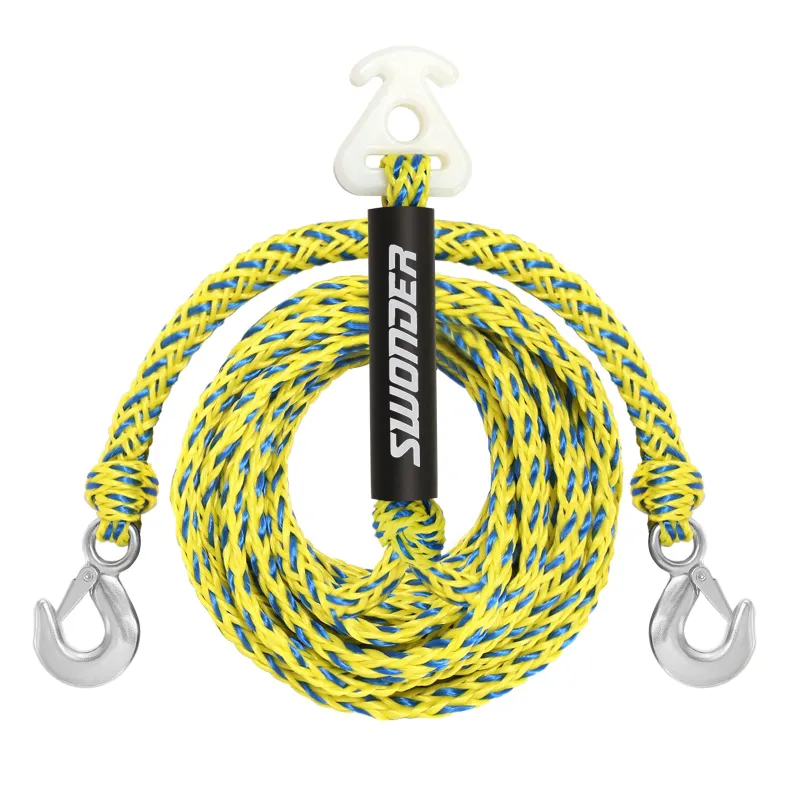
Never anchor in busy boat traffic or shipping lanes. Always check local rules; some areas restrict anchoring. If you’re anchoring and also towing gear like a boat tow rope or wakeboard tow rope, keep anchor lines completely separate and labeled so you don’t grab the wrong one in a hurry.
DIY Alternatives vs. Purpose-Built Anchors
Some kayakers make DIY kayak anchors from a weighted bag, improvised fluke designs, or dive weights tied to rope. These can work, but they’re often heavier than needed, less reliable in a real hold, and more dangerous if they shift or fall out mid-trip.
Purpose-built anchors are engineered to hold with minimal weight, deploy easily, and last years. The small cost difference is worth the reliability and peace of mind. Check My Top 3 Kayak Fishing Anchors – denniskieselhorst.com for a detailed breakdown of why professionals skip the DIY route.
| Type | Best For | Weight | Cost |
|---|---|---|---|
| Fluke | Sand, mud, soft bottoms | 2-3 lbs | $ |
| Mushroom | Very soft or muddy water | 3-4 lbs | $ |
| Grapple | Rocky bottoms, vegetation | 2.5-3.5 lbs | $$ |
| DIY | Budget only, not recommended | Variable | $ |
Caring for Your Anchor Gear
Rinse your anchor and rope with fresh water after every saltwater trip to prevent corrosion and salt buildup. Store them dry. Coiled lines stored wet develop mildew and weaken over time.
Inspect your anchor before each trip for cracks or bending, especially if you fish rocky areas. Replace it if it’s bent beyond recognition. Most anchors last 5 to 10 years with proper care.
Store your rope in a mesh bag or loose coil so air circulates, not bunched in a plastic container. A wet bundle stored in a tight space rots quickly.
For a complete setup with quality components, check the latest price on Swonder’s anchor bundles and 5 Best Kayak Anchor Systems For Anglers to compare what other paddlers are using.
Questions
What size kayak anchor do I need?
A 2 to 3-pound anchor works for most kayaks in freshwater. Lighter anchors (1.5 lbs) suit calm water and soft bottoms, while heavier ones (3.5 to 5 lbs) grip better in current and rocky areas. Canoes need slightly more weight than kayaks because they sit higher in the water.
How much rope should I carry for kayak anchors?
Carry 5 to 7 times the maximum depth where you fish. For 20-foot depths, carry 100 to 140 feet of line. This angle keeps your anchor from pulling free and reduces strain on your kayak.
Can I use any rope with my kayak anchor?
Any rope works mechanically, but nylon absorbs water and gets heavy when wet, while braided polyester is lighter and resists UV damage better. Sinking line is better than floating line because it won't tangle in paddle blades or propellers.
Do I really need a kayak anchor trolley?
Not required, but highly recommended if you anchor regularly. A trolley lets you adjust where your anchor pulls from without re-rigging, which keeps your kayak stable as wind and current change direction.
What's the difference between a kayak anchor and a canoe anchor?
Canoe anchors are typically slightly heavier because canoes sit higher in the water and catch more wind. The holding mechanism is often the same, but canoe-specific designs account for the higher profile and weight distribution.
How do I know if my kayak anchor is holding?
Your boat should stay in one spot relative to landmarks on shore, not drift slowly downwind or downstream. If you're moving, your anchor either isn't heavy enough for conditions, or your rope isn't long enough to maintain proper angle.
Products in this guide
 Shopping at Swonder? See the discount code
10% OFF Sitewide
Shopping at Swonder? See the discount code
10% OFF Sitewide