A Swonder guide
Best Practices for Caring for and Storing Water Sports Tow Ropes
A tow rope for tubing lasts years longer when you rinse, dry, and store it properly away from sun and heat.
Proper maintenance of your tow rope for tubing extends its lifespan, prevents rot and mildew, and keeps it safe for every outing. Neglect that rope in a damp garage, and you’ll be replacing it far sooner than necessary. We’ll walk you through the essential steps to care for and store your rope so it performs reliably season after season.
Rinse Your Tow Rope After Every Use
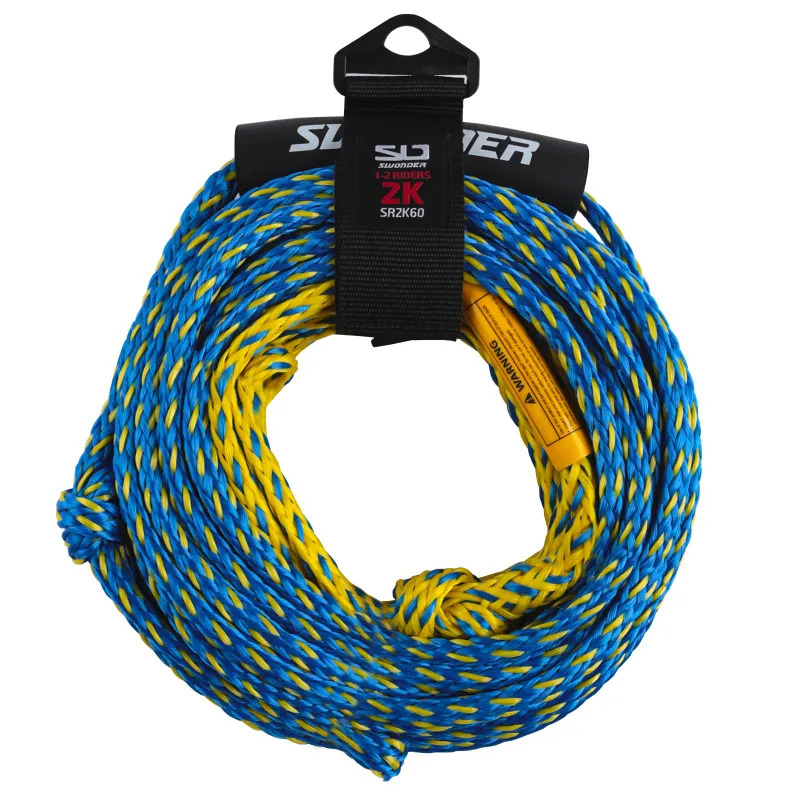
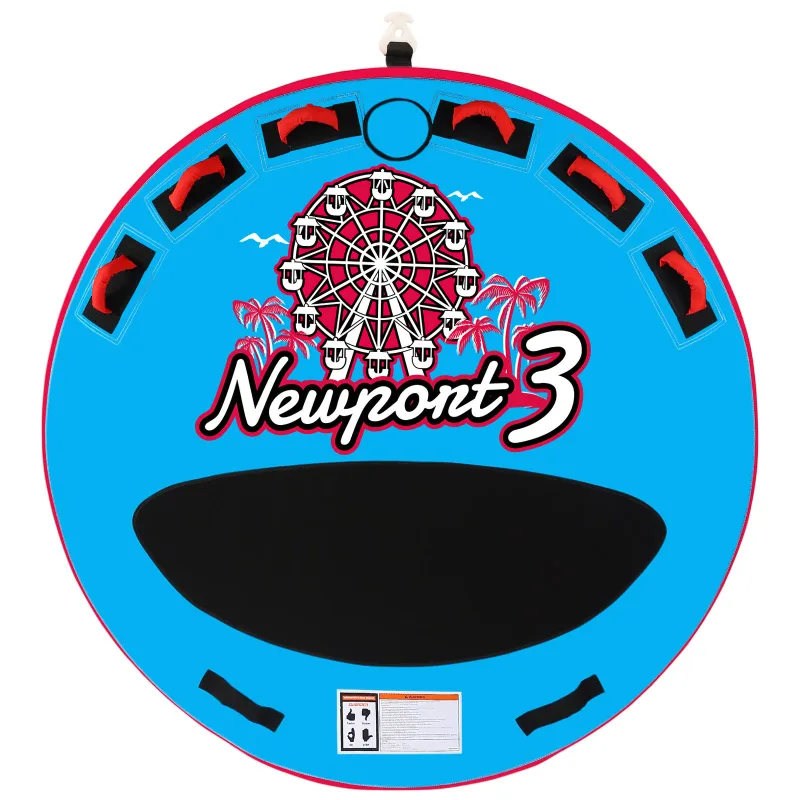
The first rule of rope care is immediate rinsing. After a day on the water, rinse your tow rope for tubing with fresh water to remove salt, sand, minerals, and algae that accumulate during use. Salt and mineral deposits weaken fibers and can cause corrosion at connection points. If you use your rope with a 3 person towable tube or similar equipment, both the rope and tube benefit from a thorough freshwater rinse.
Pay special attention to areas where the rope folds, bunches, or connects to handles. Debris lodges in these spots and accelerates wear. For a wakeboard tow rope or other high-performance rope, rinsing immediately after use is non-negotiable.
Dry Thoroughly Before Storage
Moisture is the enemy of rope longevity. After rinsing, lay your rope straight on a clean, dry surface in shade or indoors. Never coil or bunch it while damp. A wet rope left coiled will develop mildew, mold, and permanent odors within days. Air drying takes 24 to 48 hours depending on humidity and rope diameter.
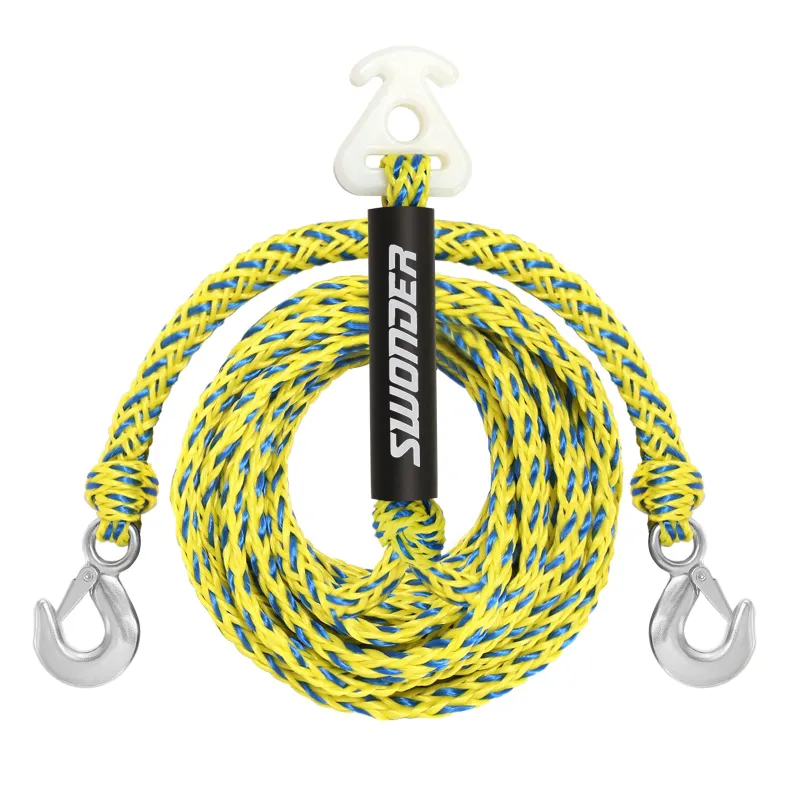
For a tow rope for tubes or boat tow rope, ensure the handle and connection hardware dry completely as well. If your rope includes a ball or buoy, dry those separately to prevent water from pooling inside.
Store in a Cool, Dark, Dry Place
Once dry, store your rope away from direct sunlight, heat sources, and extreme temperature swings. UV rays degrade synthetic rope fibers and fade protective coatings. A basement, interior closet, or storage shed is ideal. Avoid garages that heat up in summer or unheated spaces that freeze in winter.
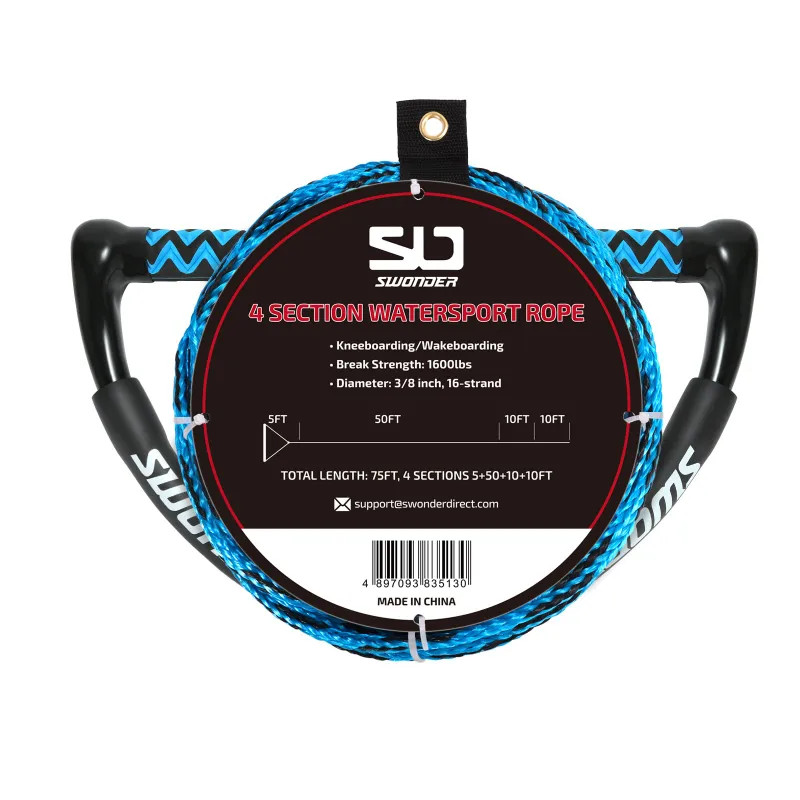
Coil your rope loosely in a figure-eight or spiral pattern to prevent kinks and tension points. Tight coils create weak spots that can fail under load. Hang your wake board rope on a hook or peg if space allows, which eliminates pressure from coiling altogether.
Avoid Chemical and Environmental Hazards
Store your tow rope away from:
- Chlorine and pool chemicals
- Gasoline, oil, and solvents
- Sharp tools or equipment edges
- Rodents or pests that chew fabric
- Radiators, furnaces, and direct heat
If you store gear alongside a boat tube rope or other water sports equipment, keep them separated from battery terminals, corroded metal, and damp areas that promote rust. A weatherproof bin or rope bag keeps everything organized and protected.
Inspect and Maintain Hardware Regularly
The rope itself is only half the story. Check handles, connection points, and carabiners for rust, cracks, or loose stitching at least once per season. Wakeboard tow rope systems often include metal rings or loops that can corrode if stored wet. Wipe down metal hardware with a dry cloth after each outing and apply a light coat of marine-grade lubricant to prevent seizing.
If you notice fraying, tears, or significant wear, address it immediately. Small tears spread rapidly under load and can leave you stranded. Heavy duty tow rope for tubing is built to last, but regular inspection catches problems early.
When to Replace Your Rope
Even with meticulous care, tow ropes have a lifespan. Replace yours if you see:
- Core fibers visible through the outer sheath
- Consistent weak spots or kinks that won’t come out
- Handles that crack or detach
- Color fading that indicates UV damage
- Any sign of mold or mildew after cleaning
For safety and performance, invest in a quality replacement from Swonder. Check the latest price on their full lineup of tow rope for tubing and related water sports gear, with 10% OFF sitewide.
Pairing Your Rope with Proper Equipment
Your tow rope works best when matched to the right towable and boat setup. A 3 person towable tube pairs well with medium to heavy-duty rope rated for multiple riders. If you’re upgrading your entire water sports setup, grab the code to save on ropes, tubes, and accessories together.
Proper care and storage of your tow rope for tubing is straightforward and pays dividends in reliability and safety. Rinse and dry after each use, store in a cool dark space, and inspect regularly. Your rope will reward you with years of solid performance.
FAQ
How often should I replace a tow rope for tubing? With proper care, a quality tow rope lasts 3 to 5 years of regular use. Replace it sooner if you notice fraying, mold, or weak spots that won’t straighten out.
Can I store my tow rope outdoors? Not recommended. Outdoor storage exposes the rope to UV rays, temperature swings, moisture, and pests. Store it indoors in a cool, dark, dry place whenever possible.
What’s the best way to remove mold or mildew from my rope? Rinse thoroughly with fresh water and a soft brush, then air dry completely in sunlight or a well-ventilated space. If mold returns quickly, the rope may be compromised and replacement is safer.
Do I need to maintain a boat tow rope differently than a tube tow rope? The basics are the same: rinse, dry, store in a cool dark place, and inspect hardware. High-performance wakeboard and boat tow ropes may benefit from occasional conditioning treatments designed for marine rope.
Can I use any rope as a tow rope for tubing? No. Tow ropes are engineered to handle specific load capacities, stretch rates, and water conditions. Always use a rope rated for your boat and towable weight.
Should I coil or hang my tow rope for storage? Either method works if done properly. Hanging eliminates coil stress entirely. If you coil, use a loose figure-eight pattern to prevent kinks and permanent tension points.
Questions
How often should I replace a tow rope for tubing?
With proper care, a quality tow rope lasts 3 to 5 years of regular use. Replace it sooner if you notice fraying, mold, or weak spots that won't straighten out.
Can I store my tow rope outdoors?
Not recommended. Outdoor storage exposes the rope to UV rays, temperature swings, moisture, and pests. Store it indoors in a cool, dark, dry place whenever possible.
What's the best way to remove mold or mildew from my rope?
Rinse thoroughly with fresh water and a soft brush, then air dry completely in sunlight or a well-ventilated space. If mold returns quickly, the rope may be compromised and replacement is safer.
Do I need to maintain a boat tow rope differently than a tube tow rope?
The basics are the same: rinse, dry, store in a cool dark place, and inspect hardware. High-performance wakeboard and boat tow ropes may benefit from occasional conditioning treatments designed for marine rope.
Can I use any rope as a tow rope for tubing?
No. Tow ropes are engineered to handle specific load capacities, stretch rates, and water conditions. Always use a rope rated for your boat and towable weight.
Should I coil or hang my tow rope for storage?
Either method works if done properly. Hanging eliminates coil stress entirely. If you coil, use a loose figure-eight pattern to prevent kinks and permanent tension points.
Products in this guide
 Shopping at Swonder? See the discount code
10% OFF Sitewide
Shopping at Swonder? See the discount code
10% OFF Sitewide