 A BornTea guide
Jasmine Tea vs Jasmine Herbal Tea: What Is the Difference?
Jasmine herbal tea and pure jasmine blends offer different flavor profiles, caffeine levels, and health benefits, so choosing the right one depends on what you're brewing for.
Jasmine tea vs jasmine herbal tea comes down to the base. Jasmine tea is real tea (usually green tea, sometimes white or oolong) scented with jasmine flowers, so it contains caffeine. Jasmine herbal tea uses no tea leaves at all: it is jasmine flowers alone or jasmine blended with other herbs such as chamomile or lemongrass, so it is usually caffeine-free. That one difference shapes the flavor, when you might drink it, and what to check on the label.
Jasmine tea vs jasmine herbal tea: the base
All “true” tea comes from one plant, Camellia sinensis. Green, white, oolong and black tea are all made from its leaves, processed in different ways. Traditional jasmine tea starts with one of these teas. The leaves are layered with fresh jasmine blossoms so they take on the scent, and in some teas the flowers are removed afterwards.
Jasmine herbal tea is not made from the tea plant. It is a herbal infusion (sometimes called a tisane) of dried jasmine flowers, often mixed with other herbs, fruit or flowers. Two products can both say “jasmine” on the front and be quite different in the cup, so the ingredient list is the thing to read.
| Jasmine tea | Jasmine herbal tea | |
|---|---|---|
| Base | Green, white or oolong tea leaves | Jasmine flowers, often with other herbs |
| Caffeine | Yes, from the tea leaves | Usually none, check the label |
| Flavor | Floral scent over the taste of the tea | Floral, shaped by the other herbs |
| Brewing | Water below boiling, shorter steep | Follow the pack, usually hotter water |
Caffeine: the practical difference
For most people, caffeine is the reason to pick one over the other. Jasmine tea contains caffeine because the tea leaves do. How much depends on the base tea, the amount of leaf and how long you steep it, so we do not give a figure. If you are sensitive to caffeine, or you want a cup in the evening, a caffeine-free herbal blend is the simpler choice.
Always check the label on a herbal blend. Some blends sold as “jasmine herbal” also include a little green or white tea, which brings caffeine back in. If you are pregnant, take medicines, or have been told to limit caffeine, ask your doctor or pharmacist how much is right for you.
Flavor and brewing
Jasmine tea on a green tea base tastes of the floral scent first, then the fresh, slightly grassy taste of the tea underneath. Green and white teas can turn bitter if the water is too hot or the leaves steep too long, so most brewing guides suggest water just off the boil and a short steep. The pack directions are the best starting point.
Herbal blends are usually more forgiving. Their flavor depends on what else is in the mix, and they are often brewed with hotter water and a longer steep. For step-by-step instructions, this guide on how to learn how to make jasmine tea at home covers the basics.
Health claims and what to check
Tea and herbal tea are often sold with health claims. We keep this simple. Healthline has an overview if you want to learn more about jasmine tea benefits and the research behind them. Read it as general background, not as a promise about any one tea.
Herbal blends deserve a little extra care, because each herb in the mix is its own ingredient. If you are pregnant or breastfeeding, take any regular medicine, or have allergies to plants such as chamomile, check the full ingredient list and ask your doctor or pharmacist before drinking a herbal blend regularly.
Which one suits you
Pick jasmine tea if you:
- Want a cup with some caffeine in the morning or afternoon.
- Enjoy the taste of green, white or oolong tea and want a floral scent on top.
- Like taking a little care over water temperature and steep time.
Pick a jasmine herbal tea if you:
- Want a caffeine-free cup, for example in the evening.
- Prefer a softer, herbal taste without the tea plant’s tannins.
- Want brewing that is more forgiving.
BornTea options
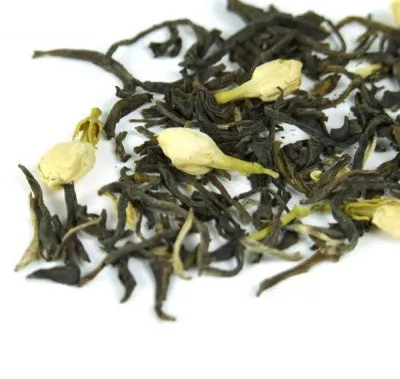
BornTea is a Chinese tea seller. Its range includes BornTea Chinese jasmine tea, which is the tea-based style, so it contains caffeine. Check the product page for the base tea and the brewing directions.
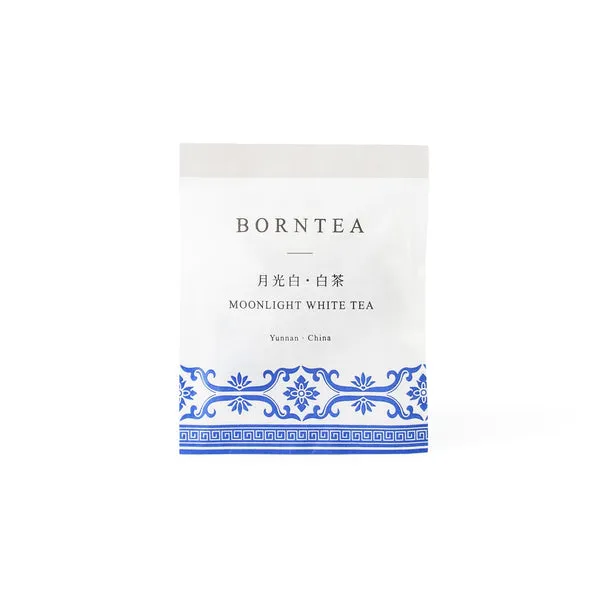
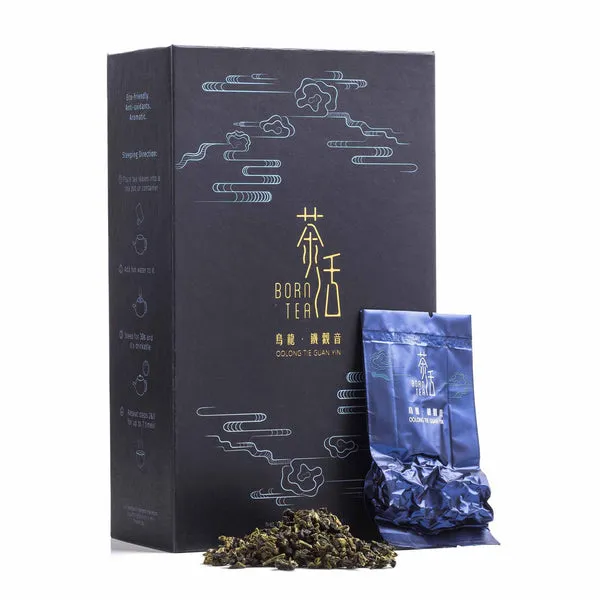
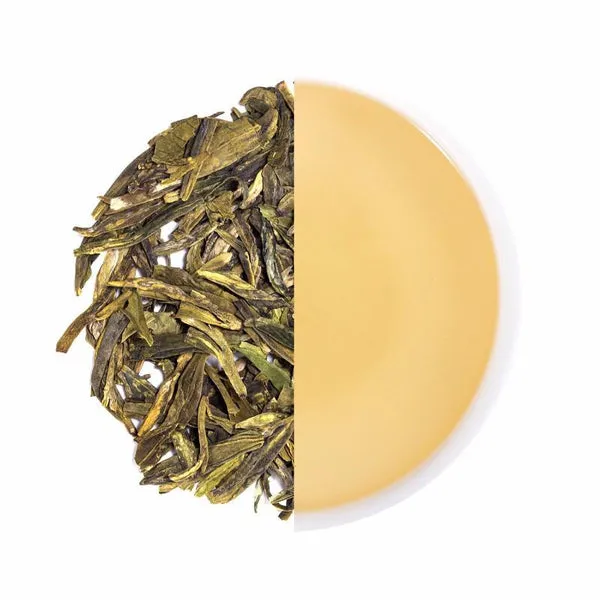
If you like jasmine tea and want to try the base teas on their own, BornTea also sells Dragon Well (Longjing) green tea, Moonlight White tea and Tie Guan Yin oolong tea. All of these are true teas with caffeine. We did not find a caffeine-free jasmine herbal blend in the BornTea products we list, so if you want one, check the store’s current range. You can see the current BornTea discount code before you order.
Questions
What is the difference between jasmine tea and jasmine herbal tea?
Jasmine tea is real tea, usually green, white or oolong, scented with jasmine flowers. Jasmine herbal tea is made from jasmine flowers, often with other herbs, and no tea leaves. The ingredient list tells you which one you have.
Does jasmine herbal tea have caffeine?
Usually not, because it contains no tea leaves. Some blends add a little green or white tea, so check the label if you avoid caffeine.
Does jasmine tea have caffeine?
Yes. Jasmine tea is made on a tea base, so it contains caffeine. The amount depends on the base tea, how much leaf you use and how long you steep it.
Which jasmine tea is best for evening drinking?
If caffeine keeps you awake, a caffeine-free jasmine herbal blend is the simpler choice for the evening. Check the label to confirm it has no tea leaves.
What are the health benefits of jasmine herbal tea?
We do not make health claims for any tea. Healthline's overview of jasmine tea is a starting point for background. If you are pregnant, take medicines or have plant allergies, ask your doctor or pharmacist before drinking herbal blends regularly.
Products in this guide
 Shopping at BornTea? See the discount code
10% OFF All Orders
Shopping at BornTea? See the discount code
10% OFF All Orders