 A BornTea guide
How to Brew the Perfect Cup of Oolong Tea: Temperature, Steeping Time, and Technique
Brewing the perfect cup of oolong tea starts with the right water temperature and steeping time, both critical to unlocking its rich, complex flavors.
How to Brew the Perfect Cup of Oolong Tea
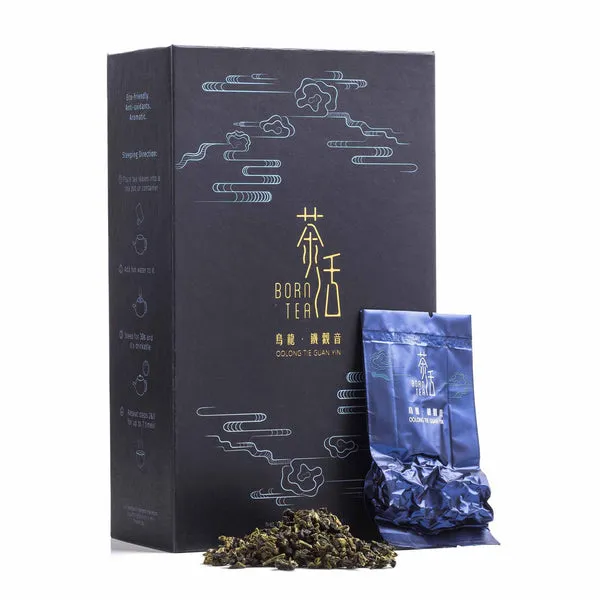
Brewing the perfect cup of oolong tea starts with understanding that this semi-oxidized tea sits between green and black tea in character, requiring precision to coax out its nuanced flavors. Whether you’re new to oolong tea or refining your craft, the right approach transforms the experience.
Water Temperature for Oolong Tea
Temperature is where most home brewers go wrong. Oolong tea needs hotter water than green tea but typically lower than black tea, though this varies by oxidation level. Most oolong varieties brew best between 195-210°F (90-99°C). Lightly oxidized oolongs (around 25-40% oxidation) lean toward the lower end, around 195-205°F, while heavily oxidized oolongs can handle 205-212°F.
If you don’t have a thermometer, let boiled water cool for 3-5 minutes before pouring. Too-hot water over-extracts tannins and creates bitterness; too-cool water leaves the tea flat and underwhelming. Water quality matters as well. We recommend filtered water to avoid chlorine and minerals that muddy delicate oolong flavors. Oolong tea benefits greatly from clean, fresh water at the right temperature, which is why tea enthusiasts often invest in a gooseneck kettle with temperature control.
Steeping Time and Leaf-to-Water Ratio
Steeping time for oolong tea typically ranges from 3 to 7 minutes, depending on oxidation level and personal preference. Start with 3-5 minutes for your first brew, then adjust based on taste. Light, floral oolongs like tieguanyin oolong tea steep best at 3-4 minutes; darker, roasted oolongs can go 5-7 minutes without turning bitter.
Use about one teaspoon of loose leaves per 8 ounces of water, or adjust to your strength preference. Many oolong enthusiasts prefer a higher leaf ratio (closer to one tablespoon per cup) to highlight the tea’s complexity. Gongfu brewing, a traditional Chinese method, uses more leaves and shorter, repeated steeps of 30-60 seconds each, which extracts flavor gradually and reduces bitterness risk.
Oxidation Level and Brewing Differences
Not all oolong tea is created equal. Understanding your tea’s oxidation level helps you dial in the perfect brew. Lightly oxidized oolongs (20-40% oxidation) have grassy, floral notes and need gentler heat and shorter steeps. Medium oolongs (40-60% oxidation) are more forgiving and handle standard brewing well. Heavily roasted or oxidized oolongs (60-90% oxidation) are robust and can endure hotter water and longer steeps.
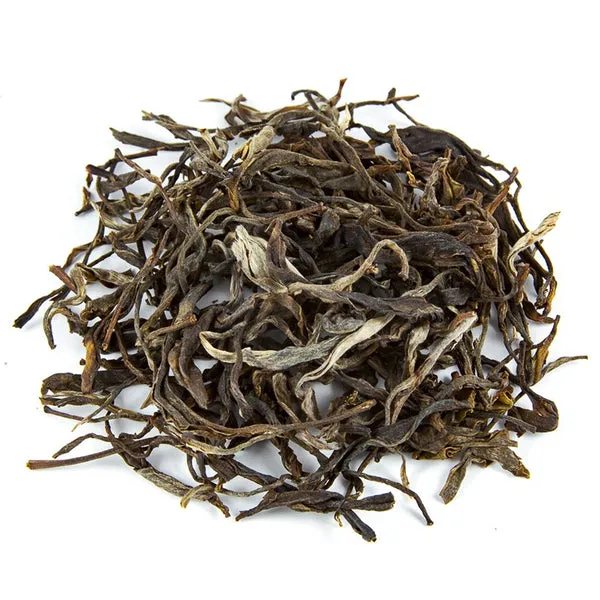
Oolong tea tie guan yin, one of the most celebrated varieties, sits in the medium range and benefits from water around 200°F and a 4-5 minute steep. If you’re experimenting with multiple oolong styles, jot down the oxidation level so you can refine your technique over time. This approach applies across the range: cha pu erh tea and dragon tea each have their own sweet spot.
Gongfu Brewing Technique
For deeper, more controlled flavor extraction, try gongfu brewing, a method that uses high leaf-to-water ratios and multiple short infusions. Heat your vessel (a small gaiwan or teapot works well) with hot water first, then add loose leaves until they fill about one-third of the vessel. Pour in hot water just below the ideal temperature for your oolong, steep for 20-30 seconds, then pour into a separate serving cup.
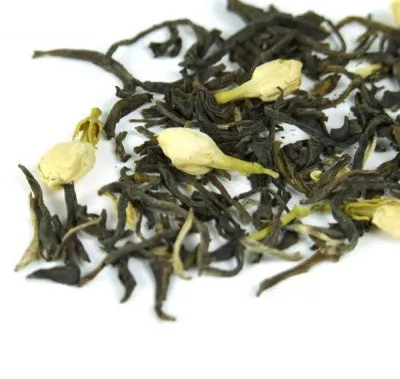
Repeat this process 5-8 times, adding a few seconds to each subsequent steep. You’ll notice how the flavors evolve with each infusion, revealing layers that a single long steep might miss. Gongfu brewing makes oolong tea caffeine content feel more balanced too, since you’re extracting flavor gradually rather than all at once. This technique is especially rewarding with premium varieties and pairs well with other teas like jasmine tea leaves.
Vessel and Water Quality Tips
The vessel you choose affects flavor subtly but noticeably. Ceramic, glass, and traditional clay pots (especially yixing clay) work well for oolong tea. Avoid metal infusers with fine mesh, as they can restrict leaf expansion; instead, use a tea strainer or infuser basket that gives leaves room to unfurl. Metal vessels can impart a slight metallic note, especially with delicate oolongs.
Pre-warm your cup and brewing vessel with hot water before adding leaves and fresh water. This keeps the temperature stable during steeping and ensures consistent flavor. If water temperature drops during the steep, the extraction slows and flavors remain muted. Some brewers keep a thermal carafe nearby to maintain heat between infusions. Check the latest price at BornTea to explore their oolong selection and grab the code for 10% off, which covers everything from classic oolong tea to specialty varieties.
Who Should Start With Oolong
If you drink green tea but find it too delicate, or black tea but find it too heavy, oolong tea bridges that gap beautifully. Beginners often gravitate toward medium-roasted oolongs because they’re forgiving and flavorful. Experienced tea drinkers pursue lightly oxidized, high-mountain oolongs for their complexity. Tieguanyin oolong tea is a legendary starting point and remains a favorite for good reason.
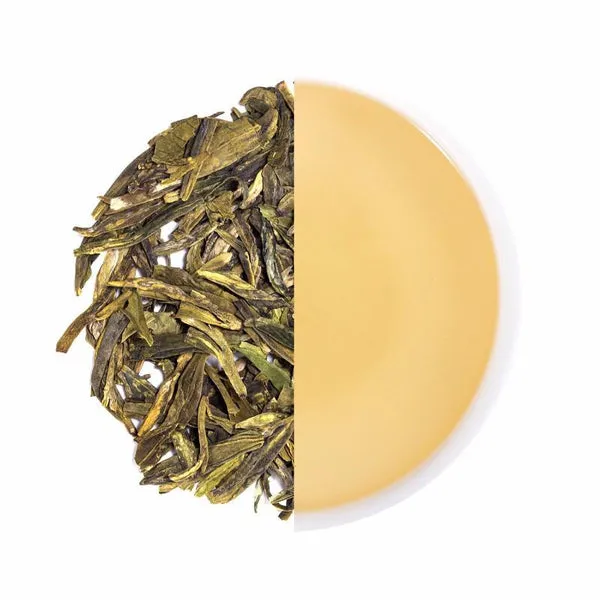
Oolong tea is also ideal if you’re curious about oolong tea benefits and want to explore the category beyond what you’d find at a grocery store. Premium loose-leaf options from BornTea open doors to regional varieties and processing styles that reveal how much depth this tea family contains. Whether you prefer longjing green tea or venture into darker oolongs, the brewing principles here apply across the spectrum.
Key Takeaways for Brewing Success
| Element | Guideline |
|---|---|
| Water Temperature | 195-210°F (90-99°C) depending on oxidation |
| Steeping Time | 3-7 minutes for standard brewing, 20-60 seconds for gongfu |
| Leaf Ratio | 1 tsp per 8 oz, or higher for gongfu method |
| Vessel | Ceramic, glass, or yixing clay; pre-warm before brewing |
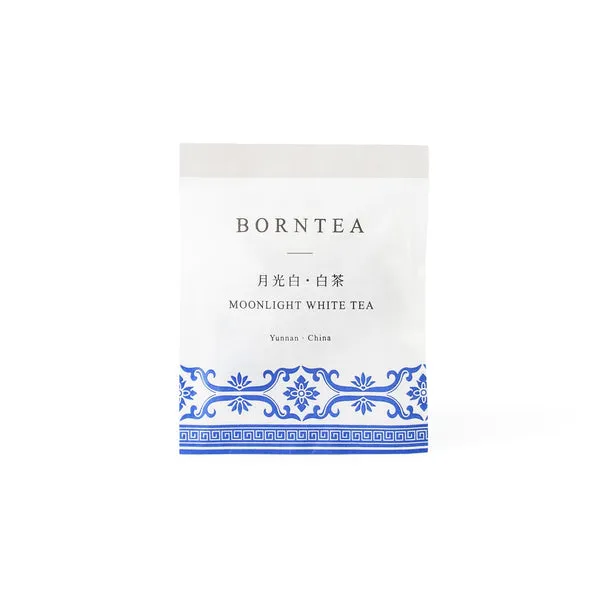
Start with oolong tea from BornTea and keep notes on what water temperature and steep time you prefer. The beauty of oolong is that it rewards experimentation. Small adjustments reveal new flavors and help you discover your ideal cup. For more on what makes this tea unique, read What Is Oolong Tea? to understand the broader category, or explore our other guides on white tea, BornTea biluochun, and jasmine tea leaves to expand your collection.
Questions
What temperature should I brew oolong tea at?
Most oolong tea brews best between 195-210°F (90-99°C). Lightly oxidized oolongs lean toward the lower end around 195-205°F, while heavily roasted varieties can handle 205-212°F. If you don't have a thermometer, let boiled water cool for 3-5 minutes before pouring.
How long should I steep oolong tea?
Standard steeping time is 3-7 minutes depending on oxidation level and personal preference. Start with 3-5 minutes, then adjust to taste. For gongfu brewing, use 20-60 second steeps repeated 5-8 times for deeper flavor extraction.
Does oolong tea have less caffeine than other teas?
Oolong tea caffeine content falls between green and black tea. A single long steep extracts more caffeine, while gongfu's multiple short steeps distribute caffeine more evenly across infusions, making each cup feel lighter and more balanced.
What's the difference between tieguanyin oolong tea and other oolong varieties?
Tieguanyin is a medium-oxidized oolong with a floral, slightly fruity profile that brews best at around 200°F for 4-5 minutes. It's less delicate than light oolongs but more nuanced than heavily roasted varieties, making it ideal for beginners and enthusiasts alike.
Can I use the same oolong tea leaves multiple times?
Yes, quality loose-leaf oolong tea can steep 5-8 times or more. Each infusion reveals new layers of flavor. Use shorter steeps for each reinfusion to avoid over-extraction, and add a few seconds to steep time as leaves unfurl more with each round.
Where can I buy quality oolong tea?
BornTea offers a range of authentic oolong varieties. Browse their selection and [grab the code](/borntea-discount-code/) for 10% off all orders, which helps you explore different styles and regions without breaking the bank.
Products in this guide
Shopping at BornTea? See the discount code
10% OFF All Orders