 A FunWater guide
Ice Fishing Tent vs. Regular Tent: Which One Do You Need?
An ice fishing tent is built for extreme cold and quick repositioning on ice, while a regular tent prioritizes season-long durability and comfort on solid ground.
An ice fishing tent keeps you warm and mobile on frozen water, while a regular tent handles year-round camping on solid ground. The two serve different purposes, and choosing the wrong shelter can leave you either overpaying for features you don’t need or freezing in inadequate protection. We’ll break down the real differences so you pick the right one for your adventures.
What Makes an Ice Fishing Tent Different
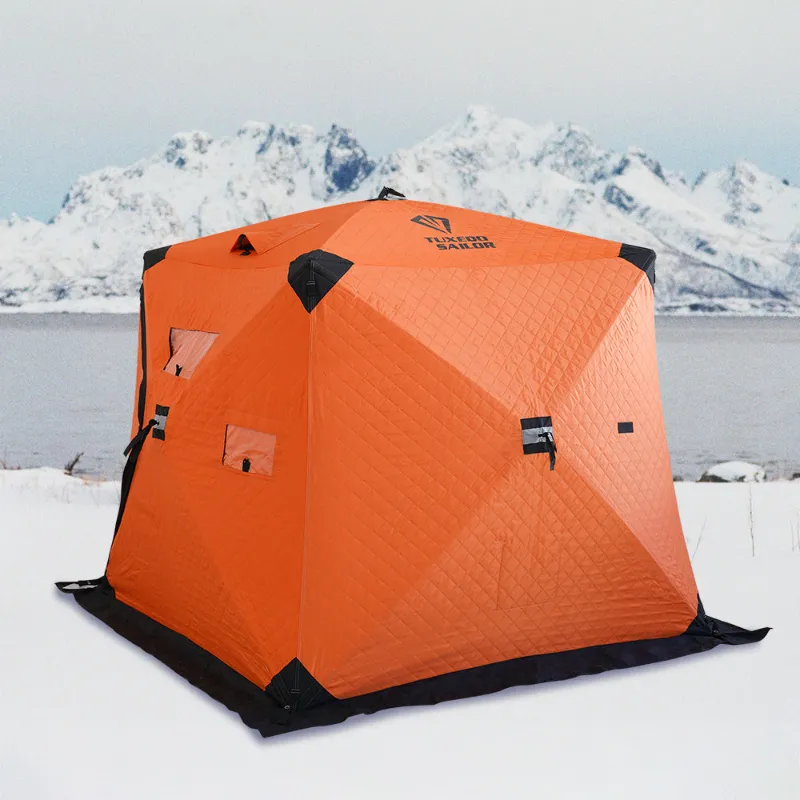
An ice fishing tent is engineered specifically for extreme cold and mobility. Unlike a standard tent, it features insulated walls, sealed vents to trap heat, and a compact design that fits through auger holes or sits on frozen water. The ice fishing tent from FunWater is built with these priorities in mind, offering the thermal protection and portability anglers need on the ice.
Regular tents prioritize ventilation, which works against you in sub-zero conditions. They’re designed to manage condensation in milder weather, not to retain warmth when temperatures plunge. If you’re setting up on soft ground for weeks, a regular tent excels. But if you’re moving between ice fishing holes every few hours, an ice fishing tent outperforms it entirely.
Design and Heat Retention
The core difference comes down to heat. An ice fishing tent uses double walls or insulated fabric to create dead air space, trapping warmth from a heater or your body. Vents close tightly to prevent warm air from escaping.
A regular tent, by contrast, relies on open mesh panels and loose-fitting doors. This design lets condensation escape (critical for comfort in spring or summer camping) but it’s a liability when outside temperatures are 20 degrees below zero.
- Ice fishing tent: double walls, sealed vents, insulated materials
- Regular tent: single wall or mesh panels, cross-ventilation, lightweight fabrics
- Result: an ice fishing tent can maintain 30-40 degrees warmer inside with the same external conditions
Mobility and Setup
Ice fishing demands quick repositioning. If your hole isn’t producing, you move. An ice fishing tent weighs 30-50 pounds, sets up in minutes, and often has a sled base for dragging across ice. Some models collapse flat enough to slide into a backpack.
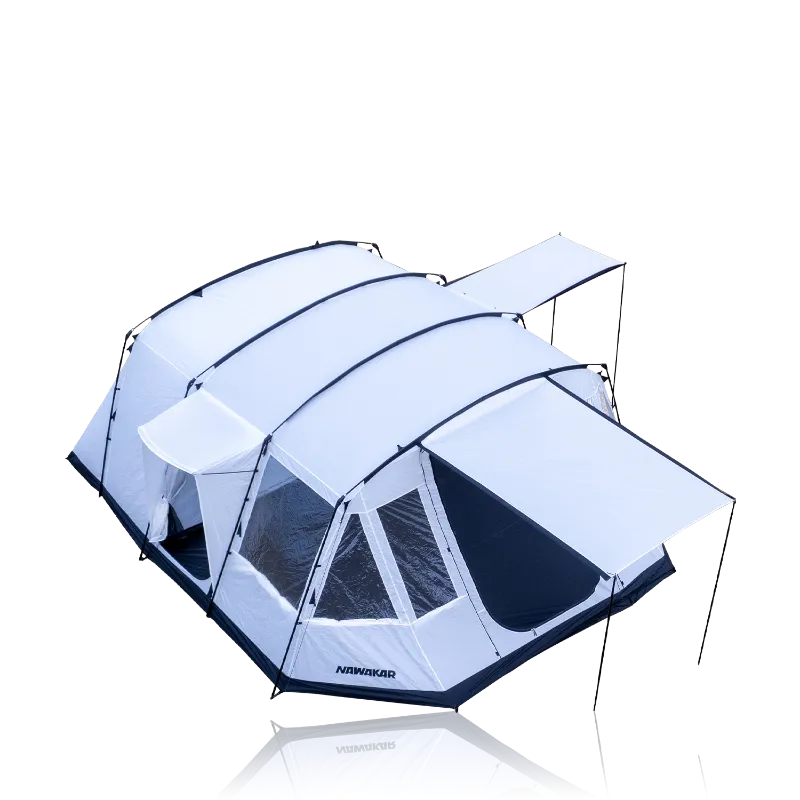
Regular tents, particularly big tent or large tent options, weigh 50-150 pounds and take 15-30 minutes to secure with stakes and guy lines. They’re not made to move frequently. If you’re car camping or staying basecamp for a week, weight and setup time don’t matter. For ice fishing, they do.
Ground vs. Ice Considerations
A regular tent’s floor fabric and stake-down system assume solid, soft ground. Stepping on snow or ice in a regular tent compresses the floor unevenly, and you can’t drive stakes into frozen water.
An ice fishing tent sits on sleds or has reinforced skids that distribute your weight evenly across ice. The floor is thicker and harder to puncture, and the base doesn’t require stakes. This is essential when your shelter is literally floating on water.
Size and Group Capacity
Both shelter types come in multiple sizes. A 2 person ice shanty with sled is the sweet spot for solo or pair fishing, easy to haul, efficient to heat. FunWater also offers larger options if your crew expands.
For family camping or group trips, a tent for garden camping or camp tent big makes sense. These accommodate 4-8 people and don’t need to be mobile. If you’re mixing camping and ice fishing, you may end up owning both. Check the latest price to compare options side by side.
| Feature | Ice Fishing Tent | Regular Tent |
|---|---|---|
| Heat retention | Excellent (double wall) | Poor (ventilated) |
| Setup time | 5-15 minutes | 15-30 minutes |
| Weight | 30-60 pounds | 50-150+ pounds |
| Mobility | High (sled base) | Low (stake-dependent) |
| Season | Winter/extreme cold | Spring through fall |
| Cost | $300-800 | $150-500 |
Which One Do You Actually Need
Choose an ice fishing tent if you fish hard-water regularly, value rapid repositioning, or spend extended time below freezing. The insulation and sled design aren’t just nice, they’re survival gear. Grab the code to save 5% on FunWater’s ice fishing models.
Pick a regular tent for backyard camping, car camping trips, or warm-to-cool season adventures. You’ll save money and weight. The outdoor tentage and tent for garden camping options work perfectly for these scenarios.
Some anglers own both. A large tent serves as a basecamp for multi-day trips, while a compact ice fishing tent lets you move and fish efficiently within an outing. FunWater stocks both categories, so you can build your shelter lineup as your seasons evolve.
Bonus Gear to Match Your Choice
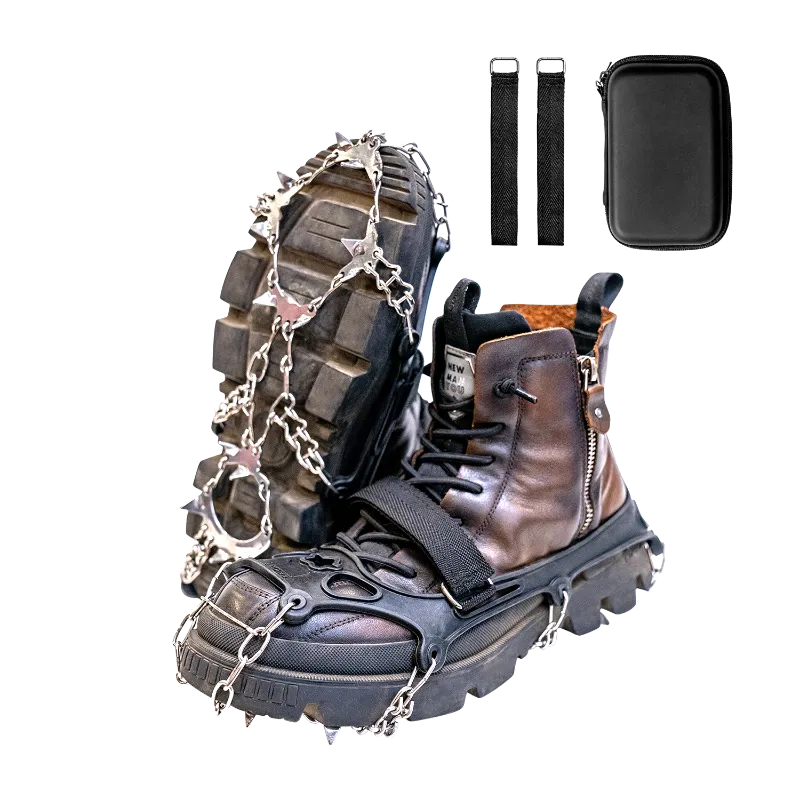
If you’re leaning ice fishing, pair your tent with ice cleats for boots to keep stable on slippery surfaces, especially during setup and breakdown. They’re a small investment that prevents injury and speeds up your mobility on ice.
For camp-based trips, a big tent paired with quality sleeping gear covers most ground camping needs. Honestly, the shelter is only half the equation, your floor insulation and sleeping bag matter just as much when temperatures drop.
For more detailed comparisons of ice shelter options, explore Tested & Reviewed: The 6 Best Ice Fishing Shelters or learn about the differences between ice fishing tents and shelters. Both resources dig deeper into specialized features and regional availability.
Questions
Can I use a regular tent for ice fishing?
Technically yes, but it's not recommended. Regular tents lose heat through ventilation, making them dangerously cold in sub-zero weather. An ice fishing tent retains warmth far better and is designed for the ice-specific challenges a regular tent isn't.
What's the difference between an ice fishing tent and an ice shanty?
An ice fishing tent is a portable shelter with fabric walls and a sled base, designed for mobility and heat retention. An ice shanty is typically a more permanent wooden or hard-sided structure. Both work, but a tent offers faster setup and portability.
How much warmer is an ice fishing tent than a regular tent?
With proper insulation and a heater, an ice fishing tent can maintain 30-40 degrees warmer inside than a regular tent under the same external conditions. The double walls and sealed vents trap heat that regular tent ventilation would let escape.
Do I really need an ice fishing tent for occasional winter camping?
If you're camping above ground on snow and only doing it once or twice a year, a quality sleeping bag and regular tent might suffice. For frequent ice fishing or extended sub-zero trips, an ice fishing tent is worth the investment for safety and comfort.
What size ice fishing tent do I need?
A 2-person ice fishing tent suits most anglers and is easy to transport. For groups or longer basecamp sessions, consider a 4-person model. Check what portability matters most to you, larger tents are harder to move between fishing holes.
Where can I find a quality ice fishing tent?
FunWater offers several ice fishing tent options. [Grab the code](/funwater-discount-code/) to get 5% off all orders and compare their full shelter lineup.
Products in this guide
Shopping at FunWater? See the discount code
5% OFF All Orders
More in this series
 Why an Electric Pump Matters When Inflating Your SUP28 Aug 20264 min
 Will Kids Waders Keep Your Child Dry? A Parent’s Buying Guide28 Aug 20263 minBest Camping Tents for Backyard Use: Portable and Easy Setup28 Aug 20265 min
 How to Choose Between an Inflatable Paddle Board and a Rigid Paddle Board28 Aug 20264 min