 A The Dream Joint guide
Do Hawaiian Baby Woodrose Seeds Go Bad? Storage and Shelf Life Guide
Hawaiian baby woodrose seeds can last years when stored correctly, but improper conditions cause them to degrade quickly and lose potency.
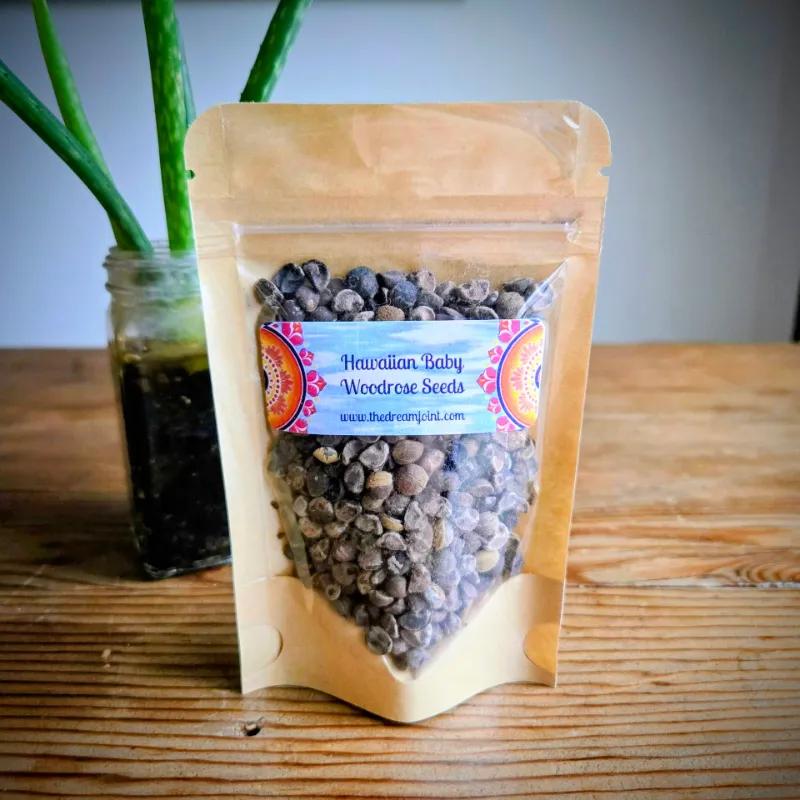
Hawaiian baby woodrose seeds can last years when stored correctly, but improper conditions cause them to degrade quickly and lose potency. Whether you have hawaiian baby woodrose seeds or other botanical varieties like hb woodrose seeds or woodrose seeds, understanding shelf life and storage is essential to getting the most from your purchase.
How Long Do Hawaiian Baby Woodrose Seeds Last?
Properly stored hawaiian baby woodrose seeds remain viable for 2 to 4 years, though potency peaks in the first year. The lifespan depends on storage conditions, humidity, temperature, and the seed’s initial quality. Seeds stored in ideal conditions degrade slower than those exposed to air, light, or moisture. Most people report best results when using seeds within 12 to 24 months of purchase, even with proper storage, as the active compounds naturally decline over time.
Best Storage Containers for Hawaiin Baby Woodrose Seeds
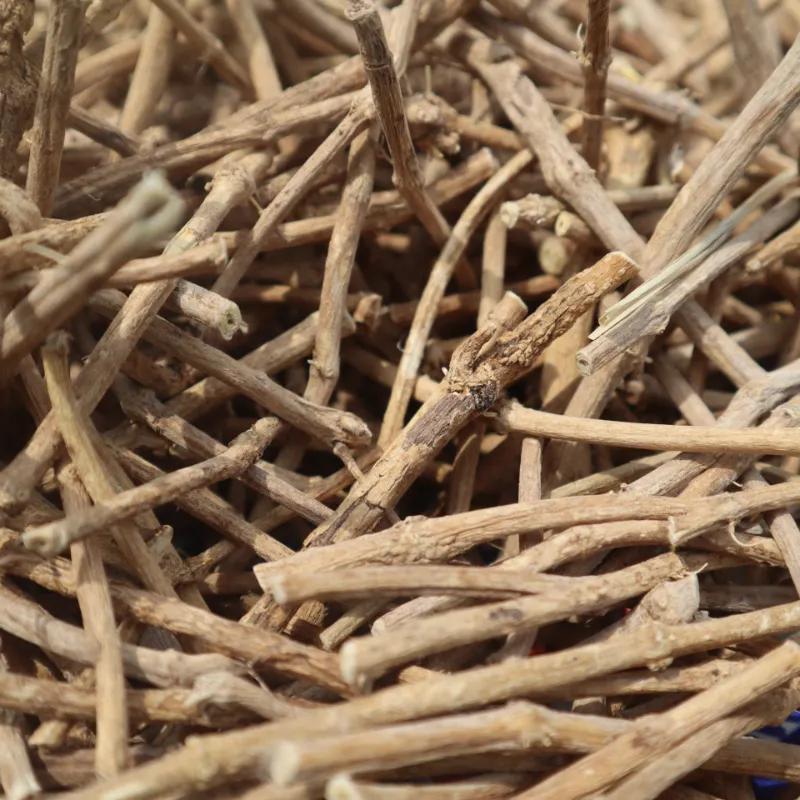
The right container is your first defense against degradation. Use airtight glass jars with tight-sealing lids rather than plastic, which allows oxygen to slowly permeate over time. Vacuum-sealed bags work well for short-term storage but can leak air gradually. Dark glass or opaque containers protect seeds from light exposure, which accelerates aging. Mason jars, amber glass bottles, or mylar bags with oxygen absorbers are all solid choices. Store your hawaiian baby woodrose and related botanicals like silene capensis or african dream root in the same type of container to maintain consistency across your collection.
| Storage Method | Lifespan | Best For |
|---|---|---|
| Airtight glass jar | 2-4 years | Primary storage, long-term |
| Vacuum-sealed bag | 1-2 years | Secondary storage, backups |
| Plastic container | 6-12 months | Short-term, temporary |
| Mylar with oxygen absorber | 3-5 years | Extended preservation |
Temperature and Humidity Control
Keep your hawaiian baby woodrose seeds in a cool, dry place between 50-70°F (10-21°C). Heat accelerates the breakdown of active compounds, so avoid storing seeds near windows, heating vents, or direct sunlight. Humidity is equally critical. Seeds stored in damp environments develop mold or lose their structural integrity. Aim for humidity below 30 percent. A basement, pantry, or closet works better than a kitchen or bathroom where moisture and temperature fluctuate. If you live in a humid climate, consider adding food-grade desiccant packets or silica gel to your storage jars to absorb excess moisture.
Signs Your Hawaiian Baby Woodrose Seeds Have Degraded
Inspect your seeds periodically for signs of aging or damage. Visible mold, discoloration, or a musty smell indicate moisture exposure and mean the seeds should be discarded. Healthy seeds maintain their color and firm texture. If seeds feel brittle, break easily, or smell rancid, they’ve likely lost potency. Discolored seeds, whether darkened or bleached, suggest prolonged light or heat exposure. When seeds from hb woodrose or woodrose hawaii show these signs, replacement is your safest option.
Storage Tips for Other Dream Botanicals
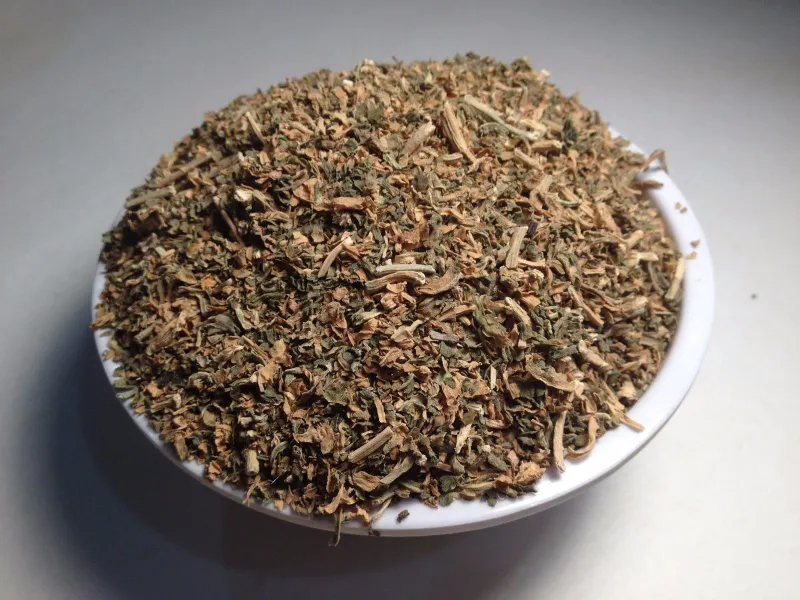
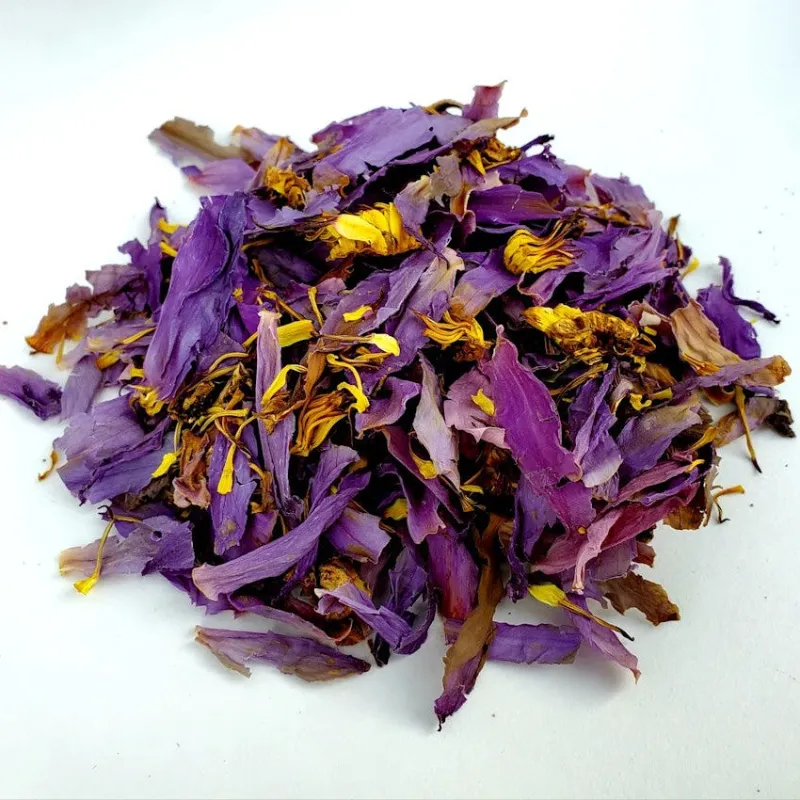
The same principles apply to related products like kanna seeds, entada rheedii, mexican dreaming herb, and blue lotus joint. Store dried botanicals separately from seeds if they vary in size or texture, as different forms may have different moisture retention rates. Keep a simple log of purchase dates on your containers so you know which items to use first. Dried roots like silene capensis often last longer than seeds because they have less surface area exposed to air, but they still benefit from cool, dark, airtight storage.
When to Replace and Where to Buy
If you’re unsure whether your stock is still good, err on the side of caution and replace it. Seeds and botanicals are relatively inexpensive compared to the hassle of using degraded material. Grab the code for 10% off sitewide at The Dream Joint when you’re ready to refresh your stock. Check the latest price to compare options across hawaiian baby woodrose seeds and similar varieties. Buying fresh ensures you get the full experience and potency you’re paying for.
Learn more about Argyreia nervosa, the scientific name for hawaiian baby woodrose, to understand the botany behind proper storage. Research also shows how ingestion methods and storage affect user outcomes, reinforcing why preservation matters. For general safety information, WebMD’s overview covers additional context on this botanical.
Questions
Can hawaiian baby woodrose seeds go bad if stored in a regular plastic container?
Yes. Plastic containers allow oxygen to permeate slowly over months, speeding up degradation. Glass jars with airtight seals, vacuum-sealed bags, or mylar with oxygen absorbers are better choices for longer storage.
How do I know if my hawaiian baby woodrose seeds have lost potency?
Seeds that are discolored, smell musty, feel brittle, or show visible mold have likely degraded. Healthy seeds maintain their original color, firm texture, and neutral smell.
What's the ideal temperature for storing hb woodrose seeds?
Keep seeds between 50-70°F (10-21°C) in a cool, dark place like a closet or pantry. Avoid heat sources, direct sunlight, and areas with temperature swings.
Do desiccant packets really help preserve hawaiian baby woodrose seeds?
Yes. Food-grade silica gel or desiccant packets absorb excess moisture in your storage jar, which extends shelf life especially in humid climates. Replace them every 6-12 months if you notice they've absorbed moisture.
How long do hawaiian baby woodrose seeds last compared to dried herbs like mexican dreaming herb?
Seeds typically last 2-4 years with proper storage, while dried herbs and botanicals vary. Dried roots last slightly longer than seeds because they have less surface area exposed to air, but both benefit from the same cool, dry, airtight storage methods.
Products in this guide
Shopping at The Dream Joint? See the discount code
10% OFF Sitewide
More in this series
 Kanna Seeds, Mexican Dreaming Herb, and Entada Rheedii: A Buyer’s Comparison14 Sep 20263 min
 Blue Lotus Joint: What to Expect and How Long Effects Last14 Sep 20264 minAfrican Dream Root vs Silene Capensis: Which Botanical is Right for You?14 Sep 20264 minHow to Prepare Hawaiian Baby Woodrose Seeds for Best Results14 Sep 20264 min