 A The Dream Joint guide
African Dream Root vs Silene Capensis: Which Botanical is Right for You?
African dream root and silene capensis are distinct botanicals with different origins and uses—here's how to choose the right one for your needs.
African dream root and silene capensis are two distinct botanicals that often get confused because both carry cultural significance in their native regions and share similar reputations. Understanding the differences between them helps you choose the one that matches your actual needs and preferences.
What Is African Dream Root?
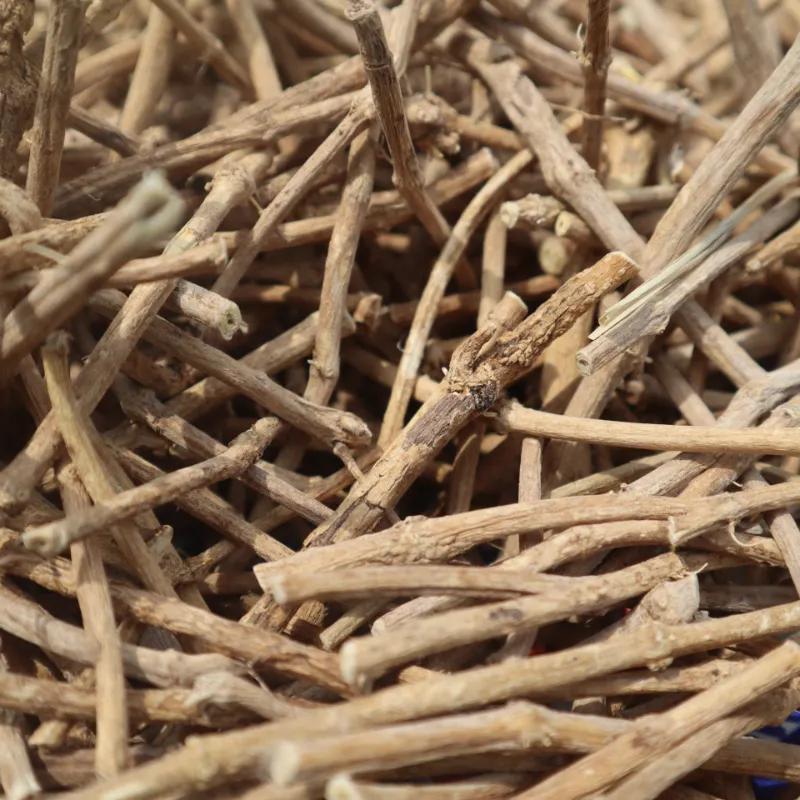
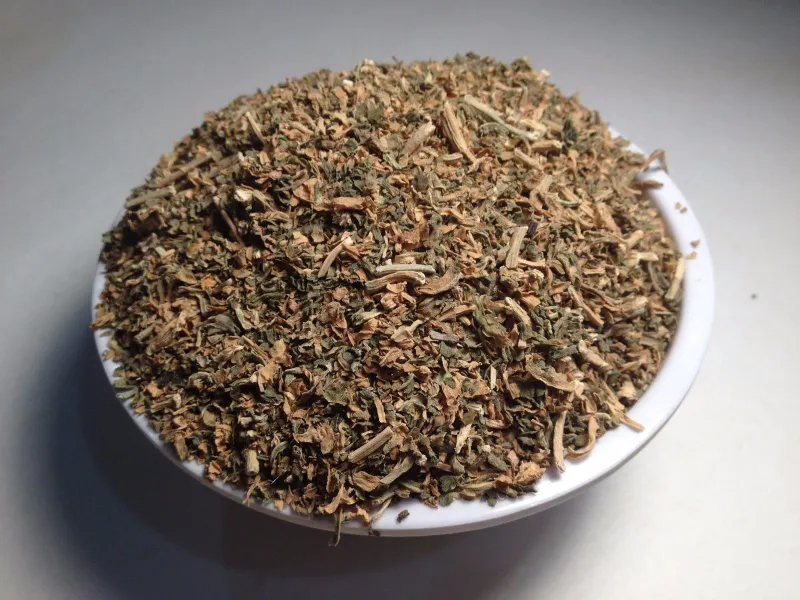
African dream root is the dried root of Silene undulata, a plant native to South Africa. The name comes from traditional use in the Xhosa culture, where it holds ceremonial importance. The root itself is woody, light brown, and typically sold dried and chopped or powdered. What sets african dream root apart is its specific origin and the depth of cultural history behind it. It’s distinct from other dream-related botanicals and has become increasingly available through specialty retailers like The Dream Joint.
The plant grows in specific regions of southern Africa, and authentic african dream root for sale requires sourcing from reputable suppliers who respect the plant’s cultural context. Quality varies significantly based on harvest time and drying methods.
What Is Silene Capensis?
Silene capensis is another name for the same plant species, Silene undulata. The term “capensis” refers to the Cape region of South Africa, where the plant originates. So when you see both names used, they’re referring to the identical botanical, the difference is purely nomenclature. Some vendors use one name, others use both interchangeably.
This overlap can create confusion when shopping. Both terms appear in product listings, herbalist recommendations, and online forums. The key takeaway: if you’re looking for the traditional South African root, either name will direct you to the same plant.
African Dream Root Tea and Preparation Methods
The most common way people use african dream root is as a tea. Steep dried root pieces in hot water for 5 to 10 minutes, strain, and drink. The flavor is earthy and mild. Some people prefer african dream root tincture for convenience and shelf stability, though tinctures require different preparation and dosing.
Other preparation methods include:
- Powdered form mixed into beverages or taken directly
- Decoctions simmered longer than standard tea
- Blended with complementary botanicals for balanced profiles
The choice depends on your routine and preference. Tea is most accessible for beginners. Tinctures suit people who want pre-made, portable doses. Powder offers flexibility for adding to smoothies or capsules.
How African Dream Root Compares to Other Botanicals
If you’re exploring dream-related botanicals, you’ll encounter several options, each with its own profile:
| Botanical | Origin | Form | Best For |
|---|---|---|---|
| African dream root | South Africa | Dried root | Traditional use, tea preparation |
| Hawaiian baby woodrose | Pacific region | Seeds, dried | Different botanical family, distinct properties |
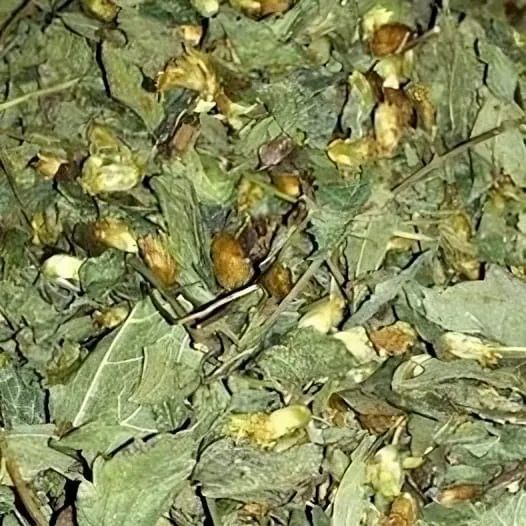
| Mexican dreaming herb | Mexico | Dried herb | Regional alternative, varied preparation |
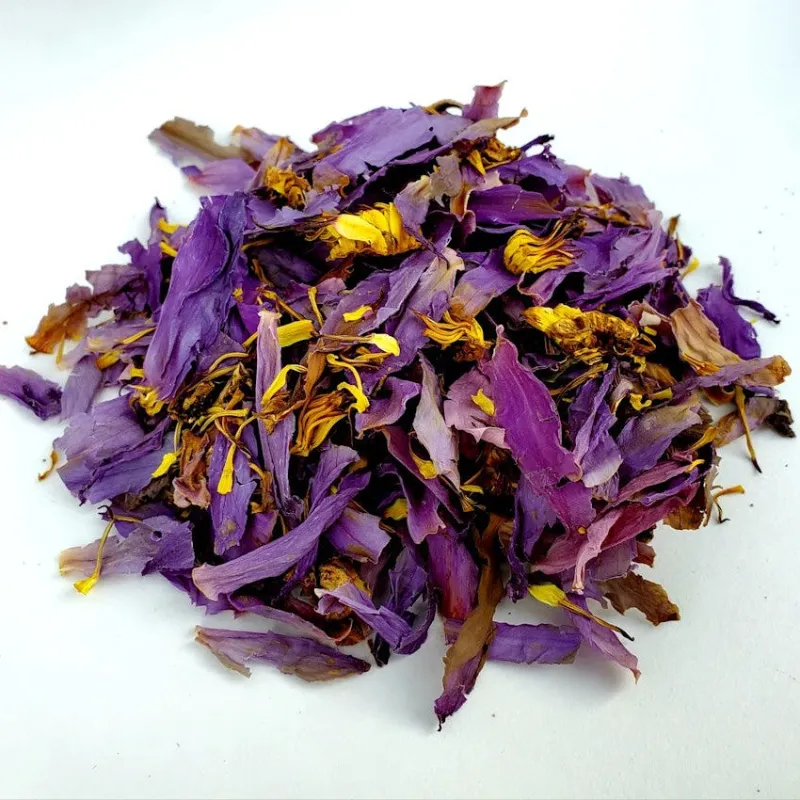
| Blue lotus joint | Egypt / Southeast Asia | Herbal blend | Blended botanical experience |
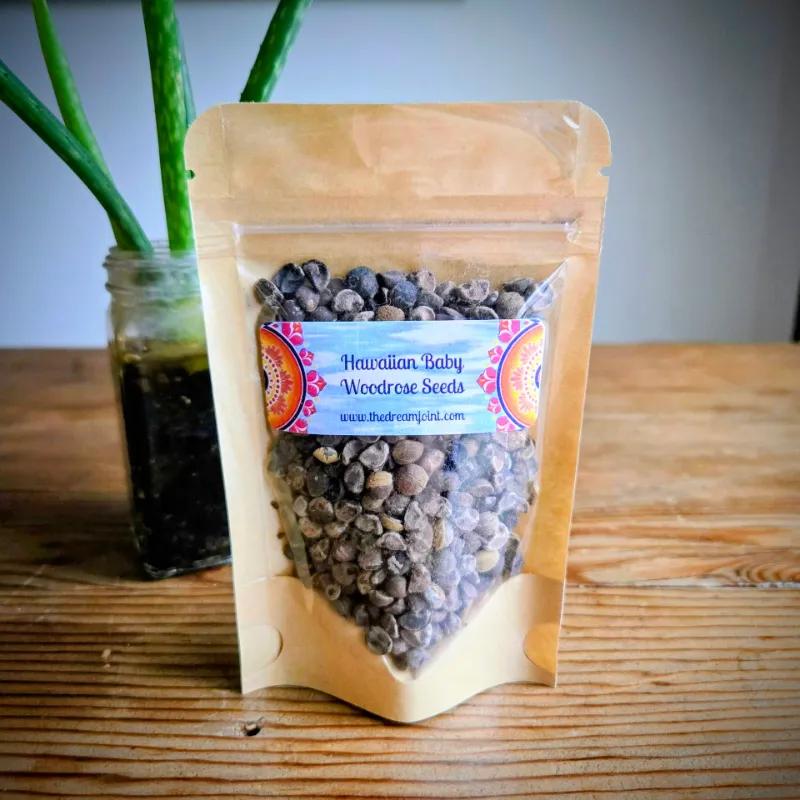
African dream root stands out for its specific cultural lineage and the dedicated supplier networks that have emerged around it. Hawaiian baby woodrose seeds, by contrast, come from a completely different plant genus and offer their own distinct characteristics. When you see african dream root reddit discussions or supernatural folklore, much of that conversation centers on the South African tradition specifically.
Where to Buy and Current Pricing
Grab the code for 10% off sitewide when ordering through The Dream Joint. This discount applies to dried botanicals including african dream root and silene capensis, as well as related products like hb woodrose and kanna seeds.
Pricing varies by form and quality grade. Powdered versions typically cost less than whole root pieces. Larger quantities usually offer better per-unit value. Check the latest price directly on the store page to compare options and apply your discount.
Quality matters. Reputable retailers verify their african dream root for sale through suppliers who can trace the botanical back to its source. Avoid listings with vague origins or suspiciously low prices.
Is African Dream Root Legal?
African dream root remains legal in most regions, including the United States and European Union, where it’s sold as a dried botanical for personal use. Legal status can vary by location, so verify local regulations before ordering. The plant itself is not a controlled substance, but always confirm current laws in your jurisdiction, as regulations shift.
Choosing Between Them
If your primary interest is the traditional South African botanical with established cultural use, both african dream root and silene capensis refer to the same plant and will serve you equally well. The choice comes down to vendor reputation, form (whole root vs. powder), and pricing.
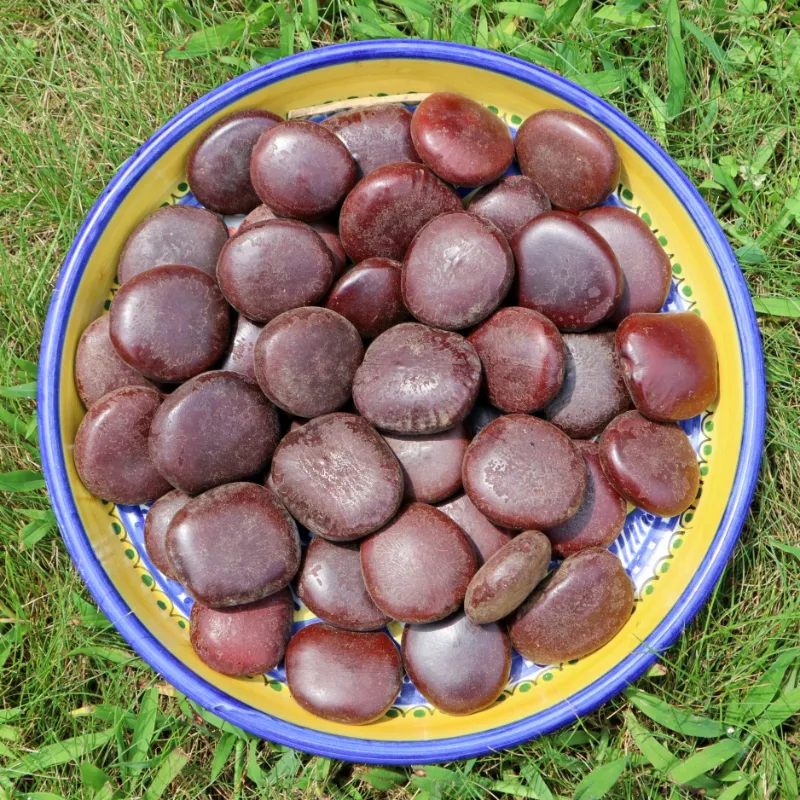
If you’re exploring a broader range of botanicals, consider pairing african dream root with complementary options like woodrose hawaii, entada rheedii, or mexican dreaming herb to build a more varied collection. Each brings its own characteristics and preparation styles to your botanical practice.
Start with smaller quantities to test your preference for form and preparation method. Many people find whole dried root more versatile for tea, while others prefer the consistency of powder. Your actual use patterns will guide the best choice for future orders.
Questions
Are african dream root and silene capensis the same thing?
Yes, they refer to the same plant species (Silene undulata) native to South Africa. 'Capensis' refers to the Cape region. Some vendors use one name, others use both interchangeably.
What is the best way to prepare african dream root?
Tea is the most common preparation. Steep dried root pieces in hot water for 5 to 10 minutes, strain, and drink. Powder and tincture forms offer alternatives depending on your routine and preference.
Is african dream root legal to buy and use?
African dream root is legal in most regions, including the US and EU, where it's sold as a dried botanical. Always verify local regulations before ordering, as laws vary by location.
How does african dream root differ from hawaiian baby woodrose seeds?
They're entirely different plants from different botanical families and regions. African dream root comes from South Africa, while hawaiian baby woodrose is from the Pacific. Each has its own distinct profile and preparation methods.
Where should I buy african dream root to ensure quality?
Buy from reputable retailers like The Dream Joint that source from suppliers and can trace the botanical back to its origin. Use discount codes where available to get the best pricing on quality products.
Can I use african dream root tincture the same way as dried root?
No. Tinctures and dried root require different preparation and dosing methods. Tinctures are pre-concentrated and typically taken in smaller amounts, while dried root is steeped as tea.
Products in this guide
 Shopping at The Dream Joint? See the discount code
10% OFF Sitewide
Shopping at The Dream Joint? See the discount code
10% OFF Sitewide
More in this series
Kanna Seeds, Mexican Dreaming Herb, and Entada Rheedii: A Buyer’s Comparison14 Sep 20263 minDo Hawaiian Baby Woodrose Seeds Go Bad? Storage and Shelf Life Guide14 Sep 20263 minBlue Lotus Joint: What to Expect and How Long Effects Last14 Sep 20264 minHow to Prepare Hawaiian Baby Woodrose Seeds for Best Results14 Sep 20264 min