 A Distacart guide
Growing Fresh Coriander at Home: A Beginner’s Guide
Growing coriander dhania at home gives you a constant supply of fresh cilantro leaves and aromatic seeds for your kitchen.
Why Grow Coriander Dhania at Home
Coriander dhania is one of the easiest and most rewarding herbs to grow in your home garden or even on a balcony. Whether you call the fresh leaves cilantro or green dhaniya, this fast-growing annual from the coriander family delivers intense flavor for curries, chutneys, salads, and garnishes. You get both the herb and the seeds (coriander powder when ground) from a single plant, making it a kitchen essential.
Choosing Seeds and Starting Your Coriander
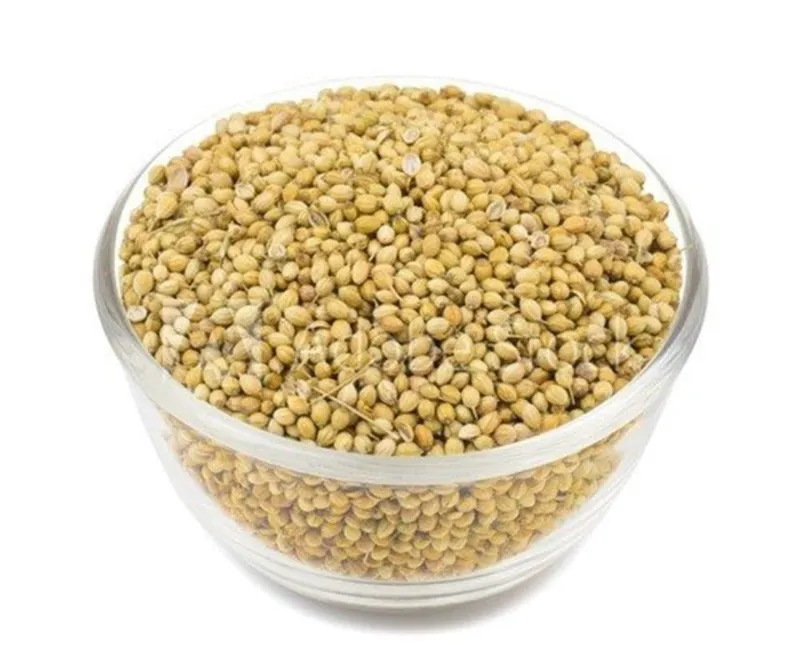
Buy whole coriander seeds from a spice shelf or pick up dedicated herb seeds online. Soak the seeds overnight in room-temperature water to speed germination, then plant them about half an inch deep in moist potting mix. Space seeds one to two inches apart in a shallow tray or directly in a pot at least six inches deep. Coriander has a taproot, so deeper containers give better results.
Germination takes seven to ten days in warm conditions. Keep the soil consistently moist but not waterlogged during this period. Once seedlings emerge, thin them to three inches apart so each plant has room to develop a bushy crown of coriander leaves.
Sunlight, Water, and Soil Requirements
Coriander dhania thrives in cool to moderate temperatures and tolerates partial shade, especially in hot climates. Aim for four to six hours of sunlight daily. Too much intense afternoon sun can cause the plants to bolt (flower prematurely), so morning light works best. If you live in a warm region, try growing coriander in fall or early spring when temperatures stay between 50 and 85 degrees Fahrenheit.
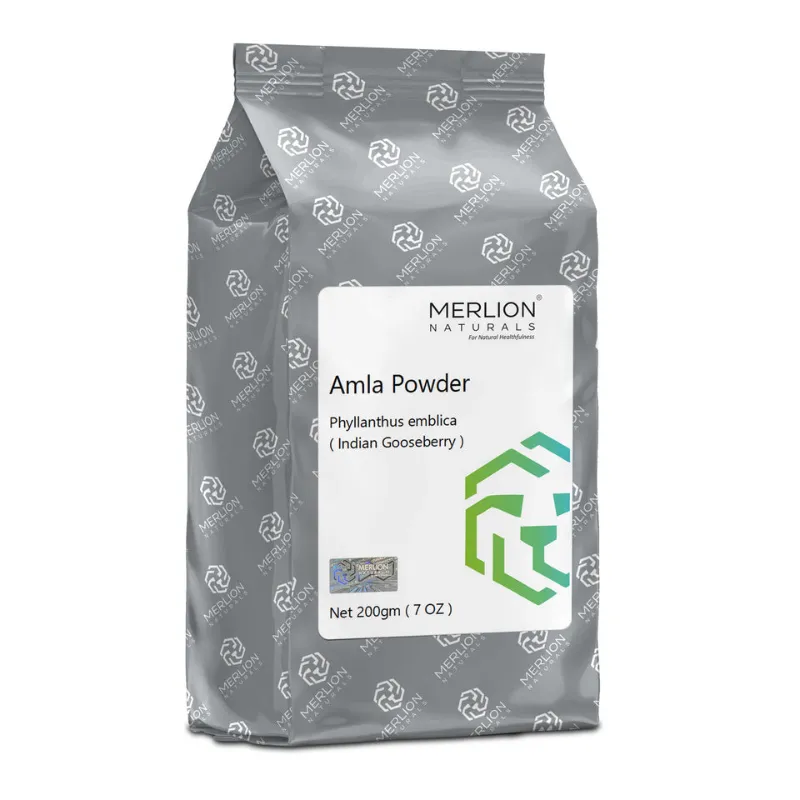
Water regularly to keep the soil evenly moist. Coriander dislikes drought and will quickly go to seed if stressed. Use well-draining potting mix or garden soil enriched with compost. A balanced liquid fertilizer every two weeks supports vigorous leaf growth, though coriander is not a heavy feeder. Pair your herb gardening with other wellness staples like amla amla for a holistic pantry, and grab the code to stock up on both.
Harvesting Coriander Leaves and Seeds
Start snipping coriander leaves once plants reach four to six inches tall, usually three to four weeks after planting. Cut the outer stems first, leaving the center growing point intact so the plant continues to produce. Fresh cilantro is most flavorful before the plant flowers, so harvest frequently to delay bolting.
If you want coriander seeds, let a few plants flower and set seed pods. The delicate white or pink blooms attract beneficial insects. Once the seed heads turn brown and dry, cut the stems and hang them upside down in a paper bag. The seeds will drop as they finish drying. Crush the round seed pods to release the aromatic seeds inside, which you can grind into coriander powder or use whole in pickling and spice blends. The Dabur guide to dhaniya explains the traditional uses of both leaves and seeds in Ayurvedic cooking.
Common Problems and Quick Fixes
Bolting: Coriander flowers and goes to seed quickly in heat. Plant in cooler months, provide afternoon shade, and harvest often to extend the leafy phase.
Yellowing leaves: Usually a sign of overwatering or poor drainage. Let the top inch of soil dry between waterings and ensure pots have drainage holes.
Sparse growth: Coriander needs consistent moisture and moderate fertility. Feed every two weeks and keep the soil from drying out completely.
Pests: Aphids and spider mites occasionally appear. Rinse them off with a strong spray of water or use insecticidal soap. Coriander grown indoors has fewer pest issues than outdoor plantings.
Cilantro vs Coriander: Understanding the Names
The cilantro vs coriander question confuses many beginners. In most of the world, “coriander” refers to the entire plant, while in North America “cilantro” specifically means the fresh leaves and “coriander” means the dried seeds. Green dhaniya in English is simply cilantro or fresh coriander leaves. All these terms describe the same versatile plant, which is why seed packets often list both names. Knowing this helps you shop confidently and understand recipes from different cuisines.
Using Your Harvest in the Kitchen
Fresh coriander leaves brighten soups, curries, tacos, and salsa. Chop them just before serving to preserve their volatile oils. The roots, often discarded, are prized in Thai cooking for curry pastes. Coriander seeds have a warm, citrusy flavor entirely different from the leaves. Toast whole seeds before grinding for maximum aroma, then use coriander powder in spice blends, baked goods, and rubs.

We store excess leaves in a jar of water in the fridge, like a bouquet, where they stay fresh for up to a week. Seeds keep their flavor for years in an airtight container. Pair your homegrown herbs with other pantry staples, quaker oats for breakfast and ferrero rocher chocolate for a sweet treat round out a well-stocked kitchen.
Setting Up a Continuous Supply
Coriander grows fast and exhausts itself quickly, so succession planting is key. Sow a new batch of seeds every two to three weeks for a continuous harvest. This staggered approach ensures you always have young, tender plants producing fresh leaves while older plants go to seed. Dedicate one pot to leafy production and another to seed-setting, or rotate your plantings between indoor windowsills and outdoor beds depending on the season.
With the current offer of 5% off all orders, now is a great time to stock up on seeds and gardening supplies and start your coriander dhania journey. The combination of rapid growth, dual-purpose harvest, and minimal space requirements makes this herb a must-grow for beginners and seasoned gardeners alike.
Questions
How long does coriander dhania take to grow from seed?
Coriander seeds germinate in seven to ten days, and you can start harvesting leaves three to four weeks after planting. For seeds, allow eight to twelve weeks for the plant to flower and set mature seed pods.
Can I grow coriander indoors on a windowsill?
Yes, coriander grows well indoors in a sunny windowsill with at least four hours of light daily. Use a pot at least six inches deep and keep the soil consistently moist for best results.
Why does my coriander bolt so quickly?
Coriander bolts (flowers prematurely) in hot weather, long days, or when stressed by drought. Plant in cooler months, provide afternoon shade, and water regularly to extend the leafy harvest phase.
What is the difference between cilantro and coriander?
Cilantro and coriander come from the same plant. In North America, cilantro refers to the fresh leaves while coriander refers to the dried seeds. In other regions, coriander describes both parts of the plant.
How do I store fresh coriander leaves?
Store fresh coriander leaves in a jar of water in the refrigerator, like a bouquet, where they stay fresh for up to a week. Alternatively, wrap them in a damp paper towel and place in a sealed container.
Can I use grocery store coriander seeds to plant?
Yes, whole coriander seeds from the spice aisle will germinate as long as they have not been irradiated or heat-treated. Soak them overnight before planting to improve germination rates.
Products in this guide
 Shopping at Distacart? See the coupon code
5% OFF All Orders
Shopping at Distacart? See the coupon code
5% OFF All Orders
More in this series
 Does Maybelline Tattoo Studio Eyeliner Really Last All Day?10 Aug 20263 min
 How to Make Bio Oil Work Faster for Scars and Stretch Marks10 Aug 20264 minQuaker Oats vs Steel Cut Oats: Which One Should You Buy?10 Aug 20265 min
 Do Essential Oils Expire? What You Need to Know Before Buying10 Aug 20265 min
 How to Store Ferrero Rocher to Keep Them Fresh Longer10 Aug 20264 min