 A Distacart guide
Do Essential Oils Expire? What You Need to Know Before Buying
Essential oils do expire, with most varieties lasting 1 to 3 years depending on their chemical composition and storage conditions.
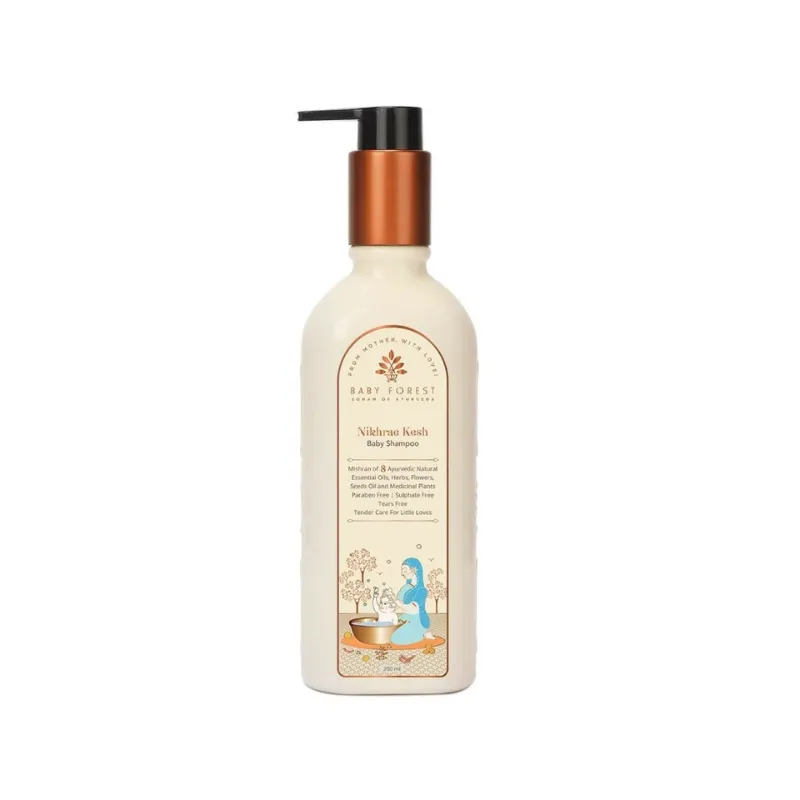
Yes, essential oils do expire and lose their therapeutic properties over time. Most essential oils maintain peak potency for 1 to 3 years after opening, though citrus oils may degrade in 6 to 12 months while heavier oils like sandalwood can last up to 5 years. Understanding shelf life helps you buy the right quantity and store your oils properly so you get the full aromatherapy benefits without wasting money on oxidized bottles.
Essential oil molecules are volatile organic compounds that react with oxygen, light, and heat. Once you break that seal, the countdown begins. Knowing the expiration timeline for each oil type ensures you’re using safe, effective products whether you’re diffusing, applying topically, or blending your own skincare formulas.
How Long Different Essential Oils Last
Not all essential oils age at the same rate. Their chemical structure determines stability.
Citrus oils (lemon, orange, grapefruit, bergamot) are the most vulnerable, typically lasting:
- 6 to 12 months after opening
- High limonene content oxidizes quickly
- Store in the refrigerator to extend life by several months
Middle-note oils (lavender, chamomile, clary sage) generally last:
- 2 to 3 years with proper storage
- Moderate oxidation risk
- Keep away from direct sunlight
Base-note and resinous oils (patchouli, sandalwood, vetiver, frankincense) are the most stable:
- 4 to 8 years or longer
- Thick molecular structure resists oxidation
- Some actually improve with age, like fine wine
Conifer oils (pine, fir, spruce) fall in the middle at 2 to 3 years, while tea tree and eucalyptus typically last around 1 to 2 years. When shopping for essential oils, check if the supplier lists a distillation or harvest date so you know how fresh the batch is before you even open it. You can grab the code to save 5% on your order.
Signs Your Essential Oils Have Expired
Expired oils don’t just lose effectiveness, they can irritate skin or smell unpleasant. Watch for these red flags:
- Cloudy or murky appearance: Fresh oils are typically clear (or their natural color)
- Thickened consistency: Oxidation can make oils syrupy or even solidify partially
- Rancid, musty, or “off” smell: The aromatic profile changes noticeably from fresh
- Skin irritation: Oxidized oils are more likely to cause redness or allergic reactions
- Changed color: Darkening or color shift indicates chemical breakdown
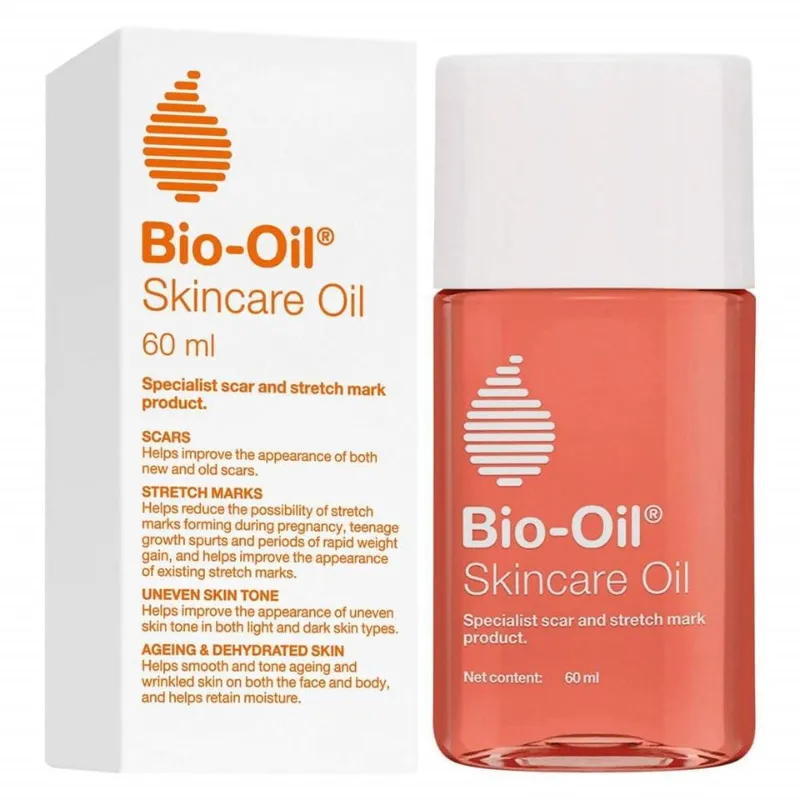
If you notice any of these signs, discard the oil rather than using it in a diffuser or on your skin. Oxidized oils lose their therapeutic compounds and may contain breakdown products that trigger sensitivity. For skin applications, we also recommend checking products like bio oil skincare oil, which is specifically formulated for stability and safety on skin.
Best Storage Practices to Extend Shelf Life
Proper storage dramatically slows oxidation and keeps your essential oils for diffuser use or topical blends fresher longer.
Container matters: Always store in dark amber or cobalt blue glass bottles. Clear glass allows UV light to degrade the oil. Never transfer to plastic; essential oils can dissolve certain plastics and leach chemicals.
Temperature control: Keep bottles in a cool, dry place away from heat sources like stoves or windowsills. Ideal storage temperature is 35°F to 70°F (2°C to 21°C). Citrus oils benefit from refrigerator storage.
Minimize air exposure: Oxygen is the enemy. Choose bottles with tight-fitting caps or orifice reducers that limit air contact. Always close the cap immediately after use, and consider transferring oils to smaller bottles as you use them up so there’s less air in the container.
Label everything: Write the purchase or opening date on each bottle. Track when you first break the seal so you know when the clock started ticking.
Following these steps helps you get full value from your investment. Check the latest price and stock up smartly based on how quickly you’ll use each variety.
Essential Oils Uses and Choosing the Right Quantity
Understanding What Are Essential Oils, and Do They Work? helps you decide how much to buy based on your actual usage patterns.
Common applications include:
- Aromatherapy diffusers (3 to 5 drops per 100 mL water)
- DIY cleaning products (10 to 20 drops per spray bottle)
- Bath soaks (5 to 10 drops diluted in carrier oil)
- Topical application (always dilute: 2 to 3 drops per teaspoon of carrier oil)
- Natural air fresheners
Buy based on frequency: If you diffuse daily, a 15 mL bottle of lavender might last 2 to 3 months. Occasional users should start with 5 mL bottles to avoid waste. Compare your usage rate against the oil’s expected shelf life from the section above.
Sampler sets vs. full bottles: New to aromatherapy? Try a sampler set of 5 mL bottles first. You’ll learn which scents you actually reach for before committing to larger quantities that might expire unused. For cooking and wellness, consider browsing other natural products like amla amla or coriander dhania that complement a holistic lifestyle.
What to Do When Essential Oils Near Expiration
Don’t toss oils the moment they hit the expiration window. Use this decision tree:
- Smell test first: If the aroma is still true and pleasant, the oil may still be usable for non-skin applications
- Repurpose for cleaning: Near-expiration oils work well in homemade surface cleaners, laundry boosters, or trash can deodorizers where skin contact isn’t a concern
- Avoid topical use: Never apply aging oils directly to skin or in bath products
- Check for oxidation signs: Refer to the expiration signs section above, if any are present, discard immediately
When oils are truly past their prime, dispose of them responsibly. Don’t pour large quantities down the drain; instead, soak them into paper towels or kitty litter and place in household trash, or check if your local hazardous waste facility accepts them.
Buying from reputable suppliers matters. Quality essential oils company sources provide fresher stock with clear labeling. Before your next purchase, visit the Distacart coupon code page to access current discounts and ensure you’re getting the best value on fresh, properly stored inventory.
Maximizing Value From Your Essential Oil Collection
Smart buying and storage protect your investment and deliver consistent aromatherapy benefits.
Create a rotation system: Keep a simple spreadsheet or note tracking:
- Oil name and type
- Purchase/opening date
- Expected expiration
- Current usage frequency
Prioritize bottles nearing expiration in your daily routine. If your 2-year-old geranium oil is approaching its limit while your 6-month-old bottle is still fresh, use the older one first in your diffuser or cleaning blends.

Buy smaller quantities more often rather than bulk-buying oils you use infrequently. While the per-milliliter cost may be slightly higher, you’ll waste less and always have fresh, potent oils on hand. The same principle applies to other pantry staples, for instance, buying quaker oats in quantities you’ll actually consume before they go stale saves money in the long run.
Essential oils for skin require extra freshness vigilance. When formulating your own serums or creams, use only oils well within their shelf life and perform a patch test even with familiar oils, since your skin’s sensitivity can change over time.
By understanding expiration timelines, recognizing degradation signs, and storing your collection properly, you ensure every drop delivers the aromatic and therapeutic qualities you paid for. Your essential oils will work harder and last longer when you treat them right from purchase through the final drop.
Questions
How can I tell if my essential oils have gone bad?
Check for a cloudy appearance, thickened texture, rancid or musty smell, and color changes. Fresh oils should smell true to their original scent and maintain a clear consistency. If you notice any of these signs or experience skin irritation, the oil has likely expired.
Do essential oils need to be refrigerated?
Citrus essential oils benefit from refrigerator storage to extend their 6 to 12 month shelf life. Most other oils do well in a cool, dark cupboard at 35°F to 70°F. Avoid storing any oils near heat sources or in direct sunlight.
Can I still use essential oils after the expiration date?
If the oil passes a smell test and shows no signs of oxidation (cloudiness, thickening, off odor), you can use it for non-skin applications like cleaning or diffusing. Never apply expired oils topically, as oxidized oils are more likely to cause skin irritation.
Which essential oils last the longest?
Base-note oils like sandalwood, patchouli, vetiver, and frankincense last 4 to 8 years or more due to their thick molecular structure. These resinous oils resist oxidation far better than citrus varieties, which typically expire within 6 to 12 months.
Should I buy essential oils in bulk to save money?
Only buy in bulk if you use the oil frequently enough to finish it before expiration. Citrus oils expire in under a year, so smaller bottles prevent waste. Calculate your monthly usage and match bottle size to the oil's shelf life to maximize value.
What's the best way to store essential oils for diffuser use?
Keep oils in dark glass bottles (amber or cobalt blue) with tight-fitting caps in a cool, dry location away from sunlight. Close caps immediately after use to minimize air exposure, and label bottles with opening dates to track freshness.
Products in this guide
 Shopping at Distacart? See the coupon code
5% OFF All Orders
Shopping at Distacart? See the coupon code
5% OFF All Orders
More in this series
Growing Fresh Coriander at Home: A Beginner’s Guide10 Aug 20264 min Does Maybelline Tattoo Studio Eyeliner Really Last All Day?10 Aug 20263 minHow to Make Bio Oil Work Faster for Scars and Stretch Marks10 Aug 20264 minQuaker Oats vs Steel Cut Oats: Which One Should You Buy?10 Aug 20265 min
 How to Store Ferrero Rocher to Keep Them Fresh Longer10 Aug 20264 min