 A Aumuca guide
Grooming a British Shorthair: Brush Types, Schedules, and Common Mistakes
British shorthair cats have a dense, plush double coat that needs the right tools and a consistent routine to stay healthy and tangle-free.
British shorthair cats carry one of the densest double coats of any domestic breed, which means grooming is not optional. Get the tools and schedule right and you will spend less time vacuuming, and your cat will shed less overall. Here is exactly what works.
Why British Shorthair Cats Shed More Than You Expect
A common question from new owners is: do British shorthair cats shed? The honest answer is yes, quite a lot. According to the British Shorthair Cat Breed & Adoption Information resource on Petfinder, this breed has a notably thick, crisp coat that sits away from the body rather than lying flat. That structure traps loose fur close to the skin until it releases in clumps, especially during spring and autumn seasonal blows.
The good news is that the coat does not mat easily, so you are dealing with shedding management rather than detangling. That changes which tools you actually need.
Choosing the Right Short Hair Cat Brush
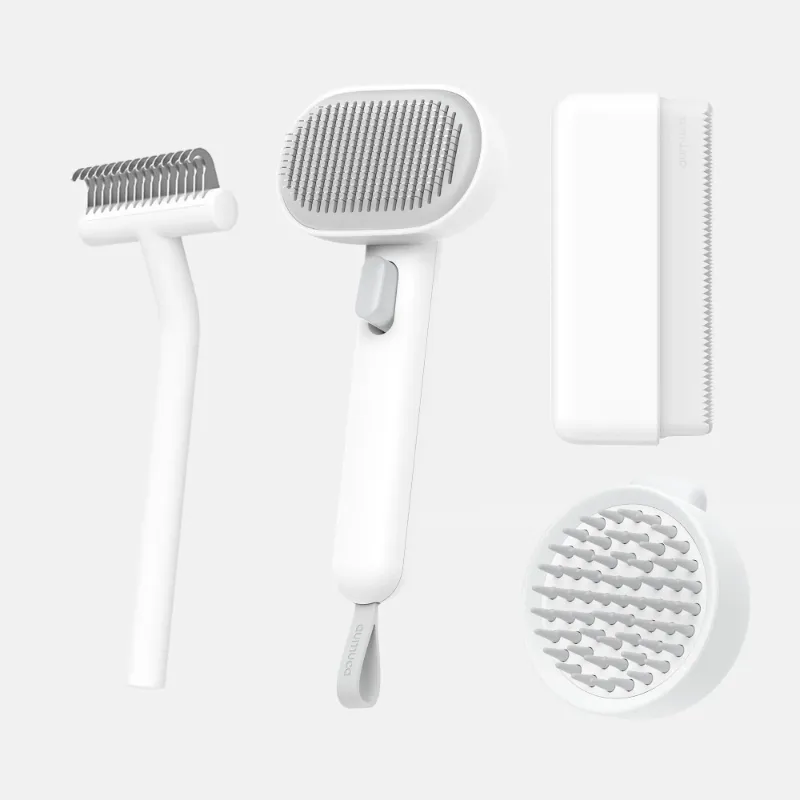
Not every brush suits every coat type. For the british short hair coat specifically, you want tools that reach through the dense top layer without scratching the skin underneath. Here is how the main options compare:
| Tool | Best For | Coat Depth |
|---|---|---|
| Slicker brush | Surface smoothing, finishing | Top layer only |
| Rubber curry brush | Gentle massage, light shedding | Top layer |
| Undercoat rake | Heavy seasonal shedding | Deep |
| Deshedding tool | Weekly maintenance shedding | Mid to deep |
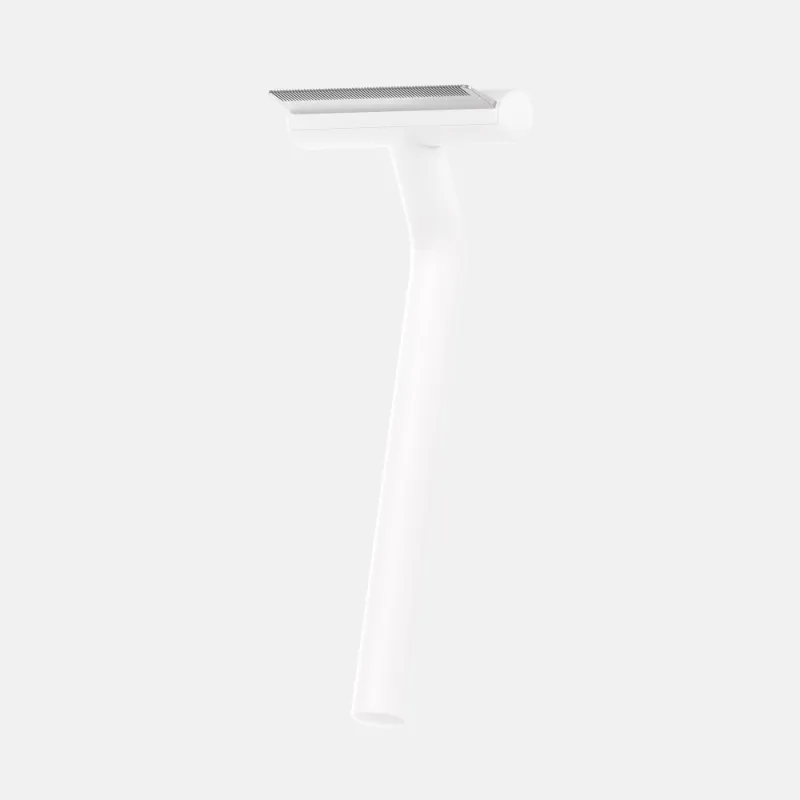
A short hair cat brush with fine, flexible pins handles everyday grooming well. For the heavier moult seasons, switch to a dedicated shedding tool for cats, which is designed to pull loose undercoat fibres out before they end up on your sofa. If your cat is a heavy mouther year-round, the best brush for moulting cat option with a curved deshedding blade gives you the most control without irritating the skin.
A Weekly Grooming Schedule That Actually Works
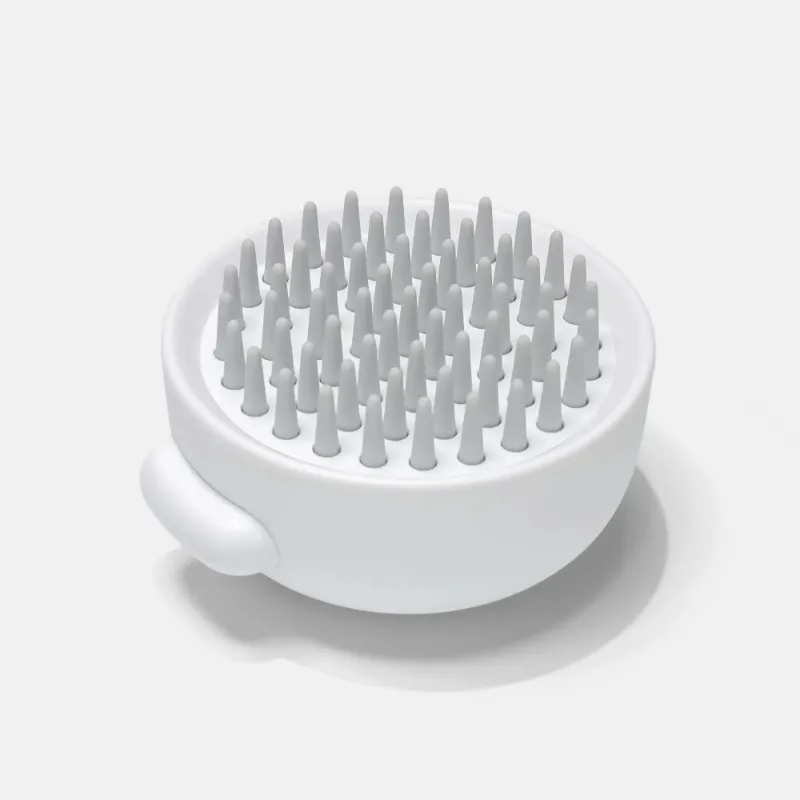
Consistency matters more than any single product. This is the routine we recommend for an adult british shorthair cats owner:
- Monday / Thursday: 5-minute brush with a short hair cat brush to remove surface loose fur and distribute natural oils
- Sunday: 10-minute deep session with a shedding tool for cats to clear the undercoat
- Monthly: Check ears, trim nails, and wipe around the eyes with a damp cloth
During the spring and autumn moult, move the deep deshedding session to twice a week. Kittens need shorter, gentler sessions to get them used to handling. If you are looking at a british shorthair kitten for the first time, the CFA breed page is a solid reference for what to expect coat-wise as they mature.
How to Groom a British Shorthair Step by Step
- Settle the cat first. Brush after play, not before. A calm cat tolerates grooming far better.
- Work with the coat growth. Always brush in the direction fur grows, then finish with a single stroke against the grain to lift the coat.
- Start at the back, move forward. Flanks and back first, then the chest and belly (the sensitive areas). Finish at the neck.
- Use light pressure. The shedding tool for cats does not need force. Dragging hard scratches skin and breaks guard hairs.
- Reward every session. A treat at the end builds a positive association fast.
Common Grooming Mistakes to Avoid
- Brushing too infrequently and then over-compensating. One marathon session after weeks of skipping causes skin irritation. Short frequent sessions are always better.
- Using a dog deshedding tool. The blade geometry is different. Always use a tool designed for cats.
- Neglecting the belly and armpits. These areas trap the most loose fur and are exactly where new owners skip.
- Bathing too often. British shorthairs rarely need a bath. Over-bathing strips the natural oils that keep that plush coat looking its best.
- Ignoring seasonal changes. A black british shorthair or any other colour variant will blow coat heavily twice a year. Adjust your schedule before the moult peaks, not during it.
What to Look for When Buying Grooming Tools
When you are shopping for grooming tools to use on your british short hair, check for these features:
- Stainless steel or high-grade ABS teeth that will not rust or splinter
- An ergonomic, non-slip handle so you keep control during a wriggly session
- A safety stop or rounded tips on any deshedding blade to protect the skin
- Easy-clean mechanism on the head, because cleaning a fur-clogged brush mid-session breaks the cat’s patience fast
Aumuca’s tools are built with exactly these points in mind. You can grab the code at our Aumuca discount page to get 10% off your order before you buy.
Is a Dedicated Shedding Tool Worth It?
If you own one of these cats, yes. A standard brush maintains the coat surface but does almost nothing for the dense undercoat, which is the primary source of the fur you find everywhere. A proper shedding tool for cats can remove significantly more loose undercoat in a single session than a slicker brush does in a week.
For anyone comparing the best brush for moulting cat options, the key differentiator is whether the tool reaches past the guard hairs. Check the teeth length against your cat’s coat depth. British shorthairs typically have a coat depth of around 2-3 cm, so you need a tool rated for medium to dense coats.
Check the latest prices and the current discount code before adding tools to your cart. For a full overview of the breed’s characteristics before committing to a grooming routine, the British Shorthair Wikipedia entry covers coat genetics and seasonal variation in useful detail.
Questions
Do british shorthair cats shed a lot?
Yes, British shorthair cats are moderate to heavy shedders thanks to their dense double coat. Shedding peaks during spring and autumn seasonal moults, so increasing your deshedding tool sessions to twice a week during those periods makes a noticeable difference.
What is the best brush for a British Shorthair's dense coat?
A combination approach works best: use a short hair cat brush for regular maintenance and a dedicated shedding tool for cats during moult seasons. The shedding tool reaches the undercoat where most loose fur originates, which a standard slicker brush simply cannot do effectively.
How often should I groom my British Shorthair?
A quick brush two to three times a week covers everyday maintenance, with one deeper undercoat session per week using a deshedding tool. Double the deep sessions during spring and autumn when the coat blows out.
Can I use the same brush on a British Shorthair kitten and an adult?
For kittens, stick to a softer, gentler brush and keep sessions short while they build tolerance. Once the cat is fully grown and has its adult double coat, move to a proper short hair cat brush and shedding tool for deeper grooming.
Is a black British Shorthair harder to groom than other colours?
The grooming needs are identical regardless of coat colour. Darker cats simply make shed fur more visible on light furniture, which can make it feel like they shed more, but the coat structure and care routine are the same across all colour variants.
Where can I get a discount on Aumuca grooming tools for my cat?
You can find the current Aumuca discount code on our dedicated coupon page, which lists the latest offer for all orders. Check the page before you buy to make sure you are getting the best available price.
Products in this guide
 Shopping at Aumuca? See the discount code
10% OFF All Orders
Shopping at Aumuca? See the discount code
10% OFF All Orders
More in this series
How to Choose the Best Aumuca Shedding Tool for a Moulting Cat4 Aug 20264 minWhy British Shorthairs Shed So Much (and What to Do About It)4 Aug 20264 minHow to Use the Aumuca Short Hair Cat Brush for a Tangle-Free Coat4 Aug 20264 min Black-Footed Cat vs. British Shorthair: Which Breed Suits Your Home?4 Aug 20264 min