 A Aumuca guide
Why British Shorthairs Shed So Much (and What to Do About It)
British shorthair cats are famously plush-coated, and that dense double coat means shedding is simply part of the deal — but the right tools make it very manageable.
British shorthair cats shed more than most new owners expect, because their signature dense, crisp double coat packs in far more hair per square inch than single-coated breeds. The good news is that shedding is predictable, seasonal, and almost entirely controllable with the right grooming routine. This guide explains the biology behind it and shows you exactly which tools cut cleanup time in half.
Why British Shorthair Cats Shed So Much
The British Shorthair carries one of the densest coats in the domestic cat world. That coat is made up of two layers:
- Guard hairs (the outer layer) that give the coat its characteristic crisp texture
- A thick undercoat that insulates the cat and is the main source of loose fur around your home
Because both layers cycle independently, loose hair builds up quickly, especially during the two main moult seasons in spring and autumn. This is not a health problem, it is simply the breed doing what it is designed to do.
A few other factors that drive heavier shedding include:
- Indoor central heating, which disrupts the cat’s natural light-cycle and can trigger near-constant low-level moult
- Stress, dietary gaps (especially insufficient omega-3 fatty acids), or hydration issues
- Age, kittens transitioning from their kitten coat to their adult coat shed heavily for several months
- Hormonal cycles in unspayed females
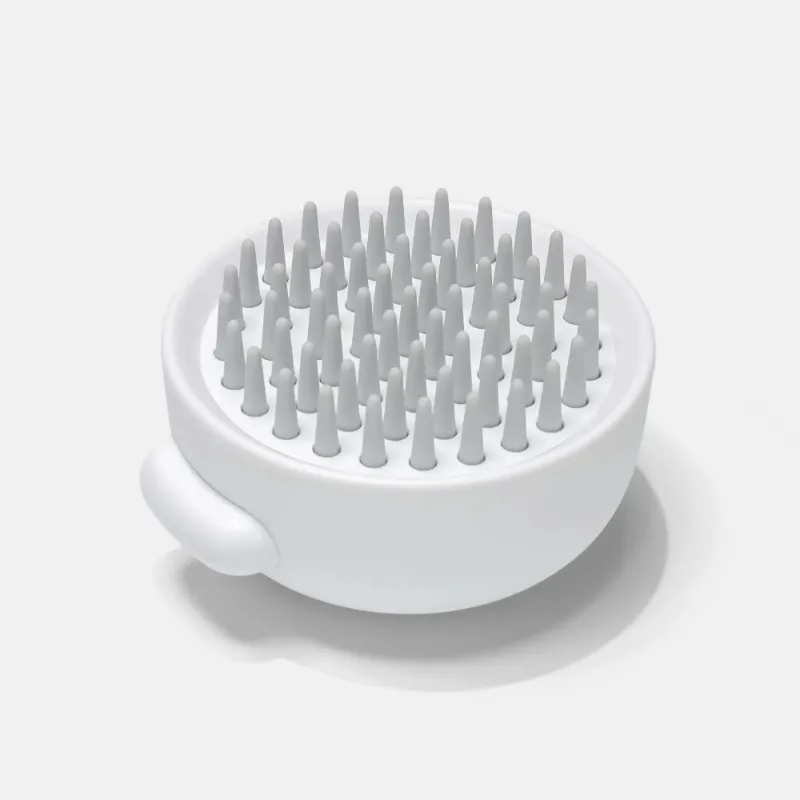
If you are researching british shorthair cats before buying, shedding is one of the most important practical realities to understand upfront.
Do British Shorthairs Shed More Than Other Short-Haired Breeds?
Yes, generally. The comparison below helps put it in context.
| Breed | Coat Type | Shedding Level | Grooming Frequency |
|---|---|---|---|
| British Shorthair | Dense double coat | High | 2-3x per week |
| Domestic short hair | Single or light double | Moderate | 1-2x per week |
| Black Footed Cat | Single, wild-type | Low | Minimal |
| Siamese | Fine single coat | Low-moderate | 1x per week |
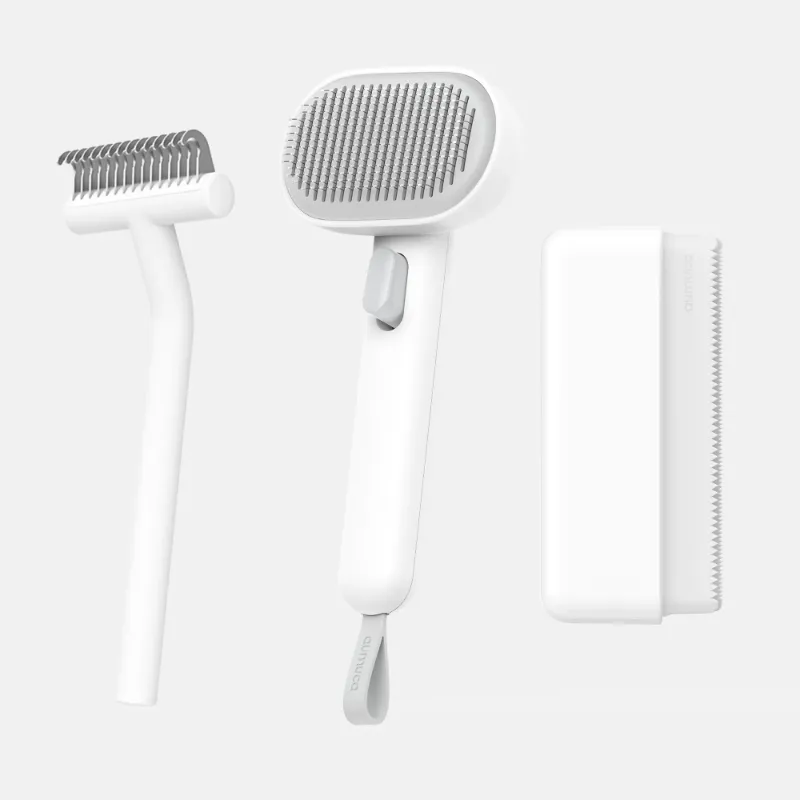
The black footed cat included above is a useful reference point: its single, close-lying wild coat barely sheds by comparison. The british short hair, with its plush double coat, sits at the opposite end of the scale for short-haired breeds.
The Two Moult Seasons (and What to Expect)
Most British Shorthair owners describe two distinct “blow-out” periods each year:
- Spring moult (March-May): the heavy winter undercoat releases all at once; this is the most intense shedding period
- Autumn moult (September-November): lighter than spring, but still noticeable as the summer coat is replaced by the winter undercoat
Outside these windows, indoor cats shed at a lower but continuous rate year-round due to artificial light and heating. During peak moult, daily brushing is not excessive, it genuinely makes a visible difference to how much fur lands on your sofa.
Choosing the Right Brush for a British Shorthair
The coat’s density means standard slicker brushes barely reach the undercoat. You need tools designed specifically for this job.
For daily maintenance between moults:
- A short hair cat brush with fine, closely-spaced pins reaches through the guard hairs and lifts loose undercoat without scratching the skin. Use it in short, gentle strokes following the direction of the coat.
For peak moult and heavy shedding:
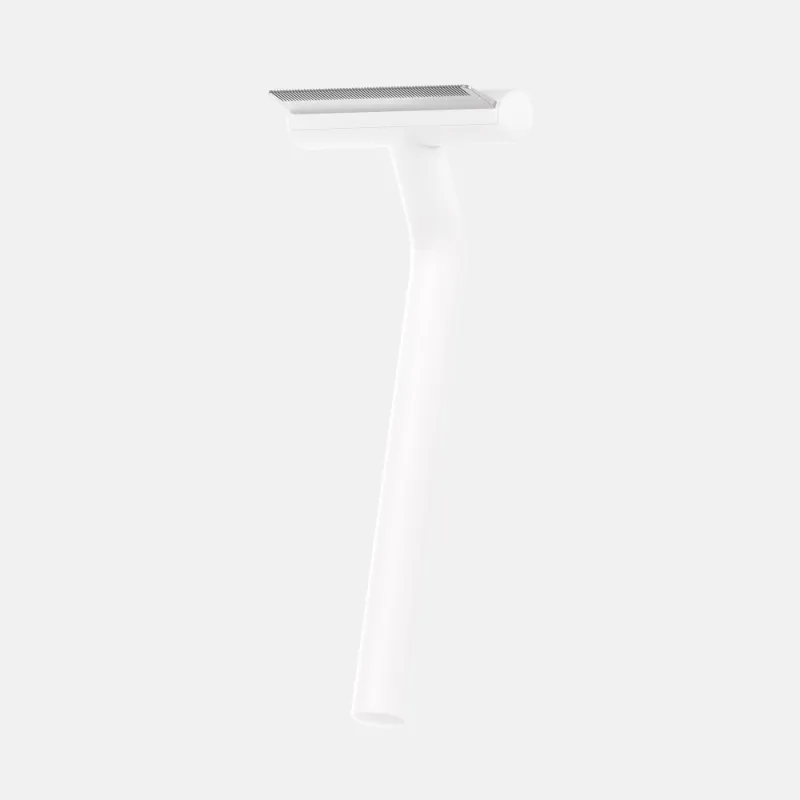
- A dedicated shedding tool for cats uses a fine-toothed edge to pull dead undercoat out efficiently. Five minutes with a de-shedding tool during peak moult can remove more loose fur than 20 minutes with a basic brush.
If you want an all-in-one option:
- The best brush for moulting cat combines de-shedding and finishing in a single pass, which suits owners who want a quick daily routine rather than a multi-tool kit.
A few things to look for when buying any grooming tool for this breed:
- Stainless steel tines that flex slightly so they do not catch or snap
- An ergonomic handle: grooming a resistant cat is much easier when the brush sits comfortably in your hand
- A self-cleaning button that ejects collected fur without you pulling it out manually
- Appropriate tine spacing: too wide and the undercoat slips through; too narrow and it pulls the guard hairs
You can grab the Aumuca discount code before you buy to get 10% off across the full grooming range.
A Simple Weekly Grooming Routine
Consistency beats intensity. A short, calm session every couple of days is far more effective than an occasional marathon groom that stresses the cat.
- Start with the shedding tool to strip loose undercoat, working from neck to tail in the direction of coat growth (3-5 minutes)
- Follow with the short hair cat brush to smooth the guard hairs and pick up any remaining loose fur (2-3 minutes)
- Check the belly, armpits, and behind the ears: these areas matt first and are often skipped
- Reward the cat immediately after to build a positive association with the brush
During peak moult, move the de-shedding tool session to daily. Outside peak seasons, every 2-3 days is plenty for most cats.
Other Ways to Reduce Shedding Around the Home
Grooming removes fur at the source, but a few supporting habits help keep your home cleaner between sessions:
- Feed a high-quality diet with adequate omega-3 content, coat condition directly affects how much dead fur accumulates
- Keep fresh water available at all times; dehydration worsens coat turnover
- Wash bedding and cat blankets weekly to stop fur embedding in fabric
- Use a lint roller on soft furnishings daily during peak moult rather than letting fur build up
If you have recently searched for a british shorthair kitten and are considering adopting, factor grooming tools into your startup costs. Having the right brush from day one builds a routine before the first big moult hits.
Check the latest Aumuca pricing and discount code so you can stock up on the right tools before your cat’s next moult season begins.
Questions
Do british shorthair cats shed more than other shorthair breeds?
Yes. British shorthair cats have a uniquely dense double coat that sheds more than most other short-haired domestic breeds, particularly during spring and autumn moult seasons. Single-coated shorthair breeds produce noticeably less loose fur.
How often should I brush my British Shorthair to control shedding?
During peak moult (spring and autumn), daily brushing with a shedding tool for cats is ideal. For the rest of the year, brushing every 2-3 days with a short hair cat brush is usually enough to keep loose fur under control.
Is a de-shedding tool safe to use on a British Shorthair's coat?
Yes, when used correctly. Work in the direction of coat growth with gentle, short strokes and avoid going over the same area repeatedly, which can irritate the skin. Look for a tool with stainless steel tines that flex slightly rather than rigid teeth.
Why is my British Shorthair kitten shedding so much?
British Shorthair kittens go through a coat transition as their dense adult double coat replaces their softer kitten coat, which causes a noticeably heavy shed for several months. Regular brushing during this phase helps manage loose fur and gets the kitten used to grooming early.
What is the best brush for a moulting British Shorthair?
A tool designed specifically as a best brush for moulting cat (one that reaches through the guard hairs to remove dead undercoat) works better than a standard slicker brush for this breed. Pairing it with a finishing short hair cat brush gives the cleanest result.
Can diet affect how much my British Shorthair sheds?
Yes. A diet lacking in omega-3 fatty acids or adequate hydration can worsen coat turnover and increase shedding. Feeding a complete, high-quality diet and ensuring constant access to fresh water supports a healthier coat and reduces excess fur loss.
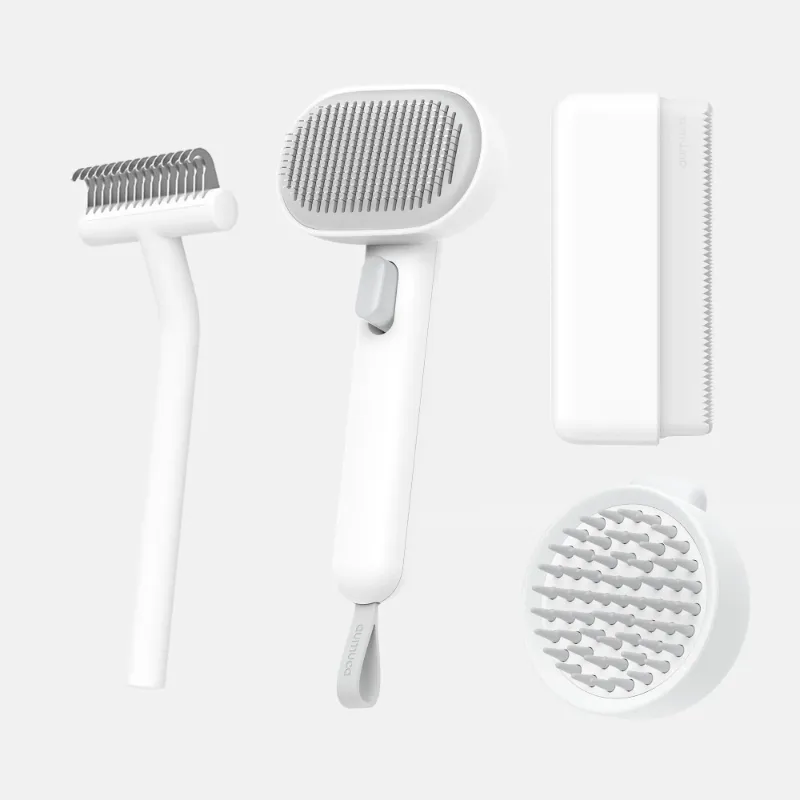
Products in this guide
 Shopping at Aumuca? See the discount code
10% OFF All Orders
Shopping at Aumuca? See the discount code
10% OFF All Orders
More in this series
Grooming a British Shorthair: Brush Types, Schedules, and Common Mistakes4 Aug 20264 minHow to Choose the Best Aumuca Shedding Tool for a Moulting Cat4 Aug 20264 minHow to Use the Aumuca Short Hair Cat Brush for a Tangle-Free Coat4 Aug 20264 minBlack-Footed Cat vs. British Shorthair: Which Breed Suits Your Home?4 Aug 20264 min