 A GlideLok guide
Does the GlideLok Door Lock for Handle Grow With Your Child?
Our GlideLok door lock for handle design adapts from toddler-proofing to preschool independence, making it the only child safety lock most families need.
Yes, in the way that matters most: the GlideLok door lock for handle is a top of door childproofing lock, so it sits above your child’s reach instead of on the handle itself, and it keeps doing its job long after a toddler has figured out a clip on handle cover. Because it does not depend on the shape of the handle, it also suits homes with a mix of lever handles and round knobs. Below we explain how this kind of lock works, where it fits, who it suits, and what to check before you order.
What the GlideLok door lock for handle is
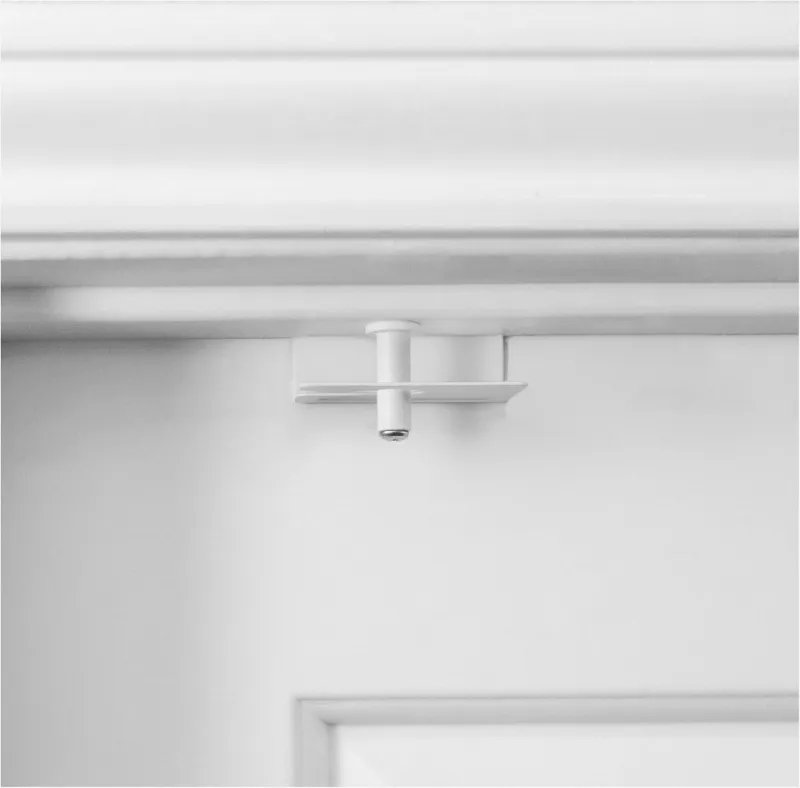
GlideLok’s main product is a top of door childproofing lock. Instead of blocking the handle, it secures the door near the top edge, well above where small hands reach. The handle still turns, but the door will not open until an adult releases the lock.
That is a different approach from the handle covers and lever clips most parents try first. Those work by making the handle hard to grip or turn. A top mounted lock does not care how clever a child gets with the handle, because the handle is no longer what keeps the door shut.
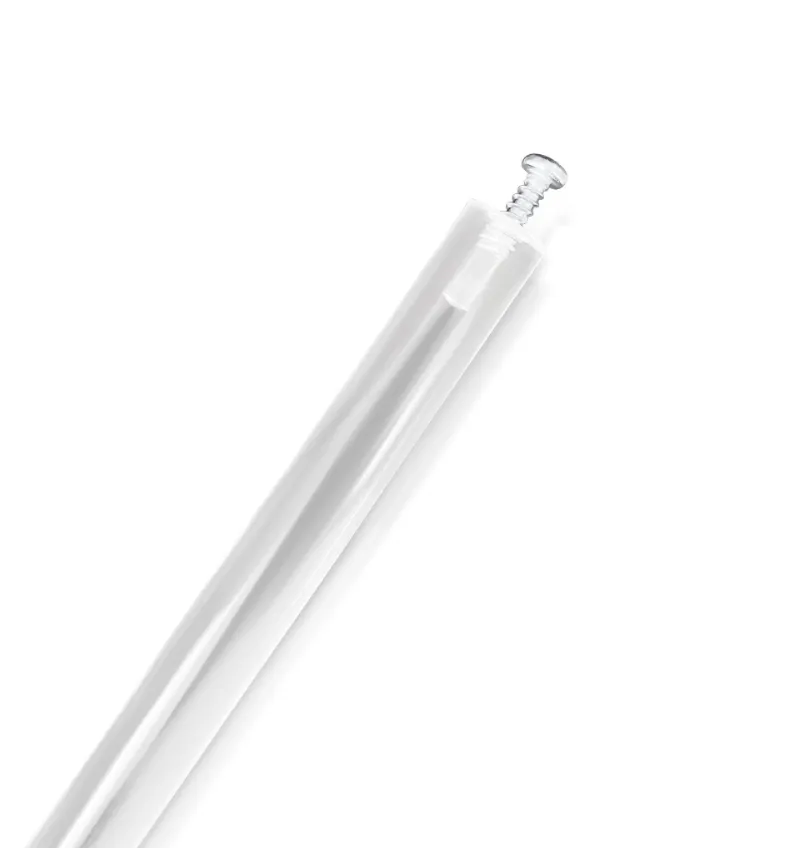
The brand also lists a 2 pack of extension rods for the same lock. Check the listing to see what the rods add to your setup and whether your doors need them.
Why a top of door lock can grow with your child
Most childproofing products have a short working life. A handle cover stops a crawler, then a preschooler with two strong hands works out how to squeeze it. A lever clip holds until a child learns to push up on the lever. Each new skill means a new product.
A lock at the top of the door avoids most of that cycle. Children learn to grip, twist and lift long before they can reach the top of a door frame. So the same GlideLok child lock can stay in place from the crawling stage through the years when a child is tall enough to open any handle. When you no longer need it, you remove it, and there is no handle hardware to undo.
The limit is climbing. A determined child who drags a chair to the door can eventually reach anything, so a top lock is one layer of safety, not a replacement for supervision.
Top of door lock vs handle lock: which fits your home
Both types have a place. This table shows which one tends to suit which situation.
| What matters to you | Top of door lock | Handle cover or lever clip |
|---|---|---|
| Mixed lever and knob handles | Works regardless of handle type | Needs the right model for each handle |
| Older, stronger children | Stays out of reach longer | Often figured out as grip improves |
| Adult convenience | Adults reach up to release it | Adults squeeze or press at handle height |
| Door and frame fit | Needs a suitable door top and frame | Needs a suitable handle neck |
| Shorter adults or wheelchair users | Can be hard to reach | Easier to reach |
If everyone in the house can comfortably reach the top of a door, a top of door lock is usually the longer lasting choice. If someone cannot, a handle based lock on some doors may be more practical.
Where to use it in your home
A high mounted lock makes the most sense on doors to rooms a young child should never enter alone:
- Stairwells and basement doors, where a fall is the main risk.
- Laundry rooms and garages, where cleaning products, tools and chemicals are stored.
- Home offices, to keep cables, shredders and paperwork out of reach.
- Bathrooms, to keep toddlers away from toilets, bathtubs and medicine cabinets.
- Exterior doors to a yard or pool, as one extra layer beside the main lock.
We would not use any childproof lock to keep a child inside their own bedroom. In an emergency, a child needs to be able to get out, and adults need to get in quickly.
What to check before you buy
A few minutes with a tape measure and the product page will save you a return. Before you order a high door lock, check:
- Door and frame fit. Confirm on the listing which door thicknesses and frame styles the lock supports, and look at the top edge of your doors for anything unusual.
- Which side it opens from. Find out whether an adult can release it from both sides of the door or only one, and pick the mounting side to match.
- Door swing. Doors that open into a hallway and doors that open into a room can need different setups.
- Whether you need the extension rods. Read what the rods do and compare that with your doors before adding them to your cart.
- How many doors you want to cover. Count them now, so you are not ordering a second time later.
- Return policy. Read the current terms on the GlideLok site before you install, in case one of your doors turns out to be a poor fit.
Installing and living with it
Follow the maker’s instructions exactly, since the details differ from lock to lock. A few general habits help with any childproofing lock:
- Install it on one door first and use it for a day before fitting the rest.
- Show every adult and older child in the home how to release it, including grandparents and sitters.
- Check the lock every few weeks for anything loose or out of line.
- Watch for signs your child is starting to climb, and move furniture away from locked doors.
- Keep the instructions somewhere you can find them when you move the lock to another door.
Choosing from the GlideLok range
GlideLok keeps its product list short. The core item is the top of door lock, which covers the same need whether you think of it as a door lock for handle doors, a lock for lever handle doors, or an alternative to a monkey style door lock. The extension rod pack is an add on, not a separate lock.
If one door is your only problem, start with a single lock and see how it fits into your routine. If you have several risky doors, buying for all of them at once keeps the setup consistent. Before you check out, see the current GlideLok discount code.
Questions
Does the GlideLok door lock for handle work on round knobs as well as levers?
GlideLok's lock mounts at the top of the door rather than on the handle, so the handle type matters less than with a clip or cover. Check the listing for the door and frame styles it supports before you order.
Can I use it on a bathroom door?
Yes, a bathroom is one of the most common places for a childproof lock, to keep toddlers away from water and medicines. Make sure every adult in the home knows how to release it quickly.
How is a top of door lock different from a monkey door lock?
A monkey style lock usually wraps over the handle or door edge at hand height. A top of door lock secures the door near the top, above a child's reach, so it stays useful after a child learns to work a handle.
Should I lock my child inside their bedroom with it?
We would not. A child needs to be able to leave their room in an emergency, and adults need fast access. Use childproof locks on doors to rooms a child should stay out of, such as stairs, laundry rooms and garages.
What are the GlideLok extension rods for?
GlideLok sells the rods as an add on for its top of door lock. Read the product page to see what they change about the setup and whether your doors need them.
Products in this guide
 Shopping at GlideLok? See the discount code
5% OFF Sitewide
Shopping at GlideLok? See the discount code
5% OFF Sitewide
More in this series
Can a GlideLok Lift-to-Lock Handle Work on French Doors?5 Sep 20263 min How to Clean and Maintain Your GlideLok Monkey Door Lock So It Lasts5 Sep 20266 minWhy Your Toddler Can Reach the Doorknob (And How a GlideLok Upper Door Lock Fixes It)5 Sep 20265 minLever Handle Lock vs Baby Proof Door Handle Lock: Which to Choose5 Sep 20264 minHow to Install a GlideLok Highlock Without Drilling5 Sep 20265 min