 A GlideLok guide
How to Clean and Maintain Your GlideLok Monkey Door Lock So It Lasts
Keep your monkey door lock working like new with our simple cleaning and maintenance guide for GlideLok child safety locks.
Your monkey door lock is one of the simplest, most effective child safety devices you can install, but it still needs a little care to keep gripping and locking properly. Whether you own a GlideLok model or are comparing it against a door monkey alternative, regular cleaning and a quick visual check are all it takes to extend the life of your lock. We put together this guide so you know exactly what to do and what to avoid.
Why Your Monkey Door Lock Needs Regular Care
The monkey door lock works by creating friction and a snug fit around the top of a door or over a lever handle. Over time, dust, pet hair, and cooking grease can build up on the rubber or silicone gripping surfaces. That buildup reduces friction, which can make the lock slip or feel loose. The same thing happens with any childrens door locks that rely on silicone or rubber pads. A quick wipe every few weeks keeps the grip strong and the lock reliable.
Dirt also gets trapped in the hinge mechanism of lever handle lock models. If you use a lift to lock style, the moving parts need to slide freely. A little maintenance prevents stiffness and keeps the lock engaging with one smooth motion.
What You Need to Clean a Monkey Door Lock
You do not need special tools or harsh chemicals. Grab these items from around the house:
- Warm water and mild dish soap
- A soft cloth or microfiber towel (no scrub pads)
- Cotton swabs for tight corners
- A dry towel for final wipe down
- Medical-grade isopropyl alcohol (70 percent) for deeper sanitizing
Avoid bleach, ammonia, or any abrasive cleaner. Those can dry out the rubber and cause cracking. If you are browsing door monkey home depot or door monkey near me for a cleaner, stick with a simple baby-safe multipurpose spray.
Step-by-Step Cleaning Guide for Your Door Lock
Follow these steps for any child lock or baby proof door handle product from GlideLok. The process is the same whether you have an upper door lock or a door lock for handle style.
- Remove the lock from the door. Most GlideLok models slide off or unhook without tools.
- Rinse the rubber or silicone pads under warm running water to dislodge loose dust.
- Mix a few drops of mild dish soap into a bowl of warm water.
- Dip your cloth in the soapy water, wring it out, and wipe down the entire body of the lock.
- Use a cotton swab dampened with soapy water to clean the hinge area and any grooves where dirt collects.
- Rinse the lock under clean water to remove soap residue.
- Dry thoroughly with a soft towel. Let it air dry for 10 minutes before reinstalling.
For a deeper clean, especially if the lock has been in use for months, wipe the rubber pads with a cloth dampened with isopropyl alcohol. This removes oils from hands and any sticky residue. Do not soak the lock; just a light wipe is enough.
How to Check and Maintain the Locking Mechanism
Cleaning is only half the job. While the lock is off the door, inspect the parts that do the actual gripping and locking.
- Rubber pads: Look for cracks, tears, or flattening. If the rubber feels hard or slick, the grip is compromised.
- Hinge or pivot point: Open and close the lock a few times. It should move smoothly with no grinding or sticking.
- Latch or hook: On lever handle lock and lift to lock models, the latch should snap back into place cleanly. If it feels weak or stays halfway, it may need replacement.
- Overall fit: Reinstall the lock and test it. If it wobbles or slides down, the rubber pads may have worn out.
If you find any damage, do not try to repair it with glue or tape. Replacement is safer. You can grab a fresh monkey door lock or check out the full range of childrens door locks at GlideLok to find the right fit for your door.
When to Replace Your Monkey Door Lock
Even with perfect care, no lock lasts forever. Plan to replace your monkey door lock every 12 to 18 months with regular daily use. Here are clear signs it is time for a new one:
- The rubber feels hard, glossy, or cracked
- The lock slips down the door during the day
- You can pull the door open without lifting the lock
- The hinge pin is loose or the plastic has stress marks
The same timeline applies to any highlock or upper door lock you use around the house. If you are switching from a different brand, read a few door monkey reviews to understand the differences. GlideLok locks are designed as a strong door monkey alternative that fits standard interior doors with no tools required.
Common Mistakes to Avoid
We see a few simple errors that shorten the life of a monkey door lock. Avoid these and your lock will last much longer.
- Overtightening: If your lock has an adjustable tension screw, do not crank it down as hard as possible. Snug is enough. Overtightening stresses the plastic and can crack the housing.
- Using tape or adhesive: These locks are designed to work with friction and rubber grip alone. Adding tape leaves residue, attracts dirt, and ruins the rubber surface.
- Skipping removal during deep cleaning: Wiping the lock while it is still on the door leaves dirt trapped behind the pads. Always take it off.
- Ignoring the door surface: If the door paint is chipping or the edge is rough, it can wear down the rubber faster. Sand the rough spot lightly and repaint if needed.
For the current pricing on GlideLok locks and any active discount, check the latest price on our deals page. We keep the GlideLok discount code updated there so you never pay full retail.
Choosing the Right Lock for Your Door Style
Not every door is the same, and not every lock fits every door. GlideLok makes several styles so you can match the lock to your handle type.
- Standard lever handles: Use a baby proof door handle or lever handle lock that wraps around the lever and prevents downward pressure.
- Round knobs: A door lock for handle with a wide rubber loop works best. It hooks over the knob and blocks rotation.
- French or sliding doors: An upper door lock mounts near the top frame and keeps the door from swinging open.
- High handles: The highlock is designed for handles mounted higher than usual, like on pantry or closet doors.
- Lift-to-open doors: A lift to lock prevents the lifting motion that toddlers use to open lever handles.
Measure your door thickness and handle height before ordering. Most standard interior doors are between 1 and 3 8 inches thick. GlideLok locks fit that range, but double checking saves you a return trip.
If you are still deciding, grab the GlideLok discount code before checking out. It saves you 5 percent sitewide on any lock or bundle.
The original Door Monkey Door Lock and Pinch Guard popularized this style of child proofing, and reviews on BabyQuip show why parents trust the concept. GlideLok builds on that same idea with a few modern improvements, including a more durable rubber compound and a smoother hinge design. As Cool Tools notes, the simplicity of the design is what makes it work. A little care keeps it working for you.
Questions
Can I use a small security screw to mount my monkey door lock permanently?
We do not recommend using screws or any permanent hardware. GlideLok monkey door locks are designed to install with friction and rubber grip only. Adding screws can damage the door and void the warranty.
How often should I clean my monkey door lock?
We recommend wiping the rubber pads every two to four weeks if the lock is used daily. A deeper clean with soap and water every three months keeps the grip strong and prevents dirt buildup in the hinge.
Will a monkey door lock work on hollow core doors?
Yes, GlideLok monkey door locks work on hollow core doors as long as the door thickness is between 1 and 3 8 inches. The rubber pads grip the surface without needing screws or adhesive.
What is the difference between a monkey door lock and a door monkey alternative?
The original Door Monkey uses a similar friction-based design. GlideLok monkey door locks are a direct alternative with a slightly wider rubber pad and a smoother hinge mechanism. Both install without tools and work on standard interior doors.
Can I use a monkey door lock on a door with a lever handle lock?
Absolutely. GlideLok makes specific lever handle lock models that wrap around the lever and prevent downward pressure. They work on both rounded and flat lever handles.
Does the monkey door lock work on doors that are near each other?
Yes, but you may need to check the clearance between doors. If two doors are very close together, an upper door lock or highlock model may fit better than a side-mounted style.
Products in this guide
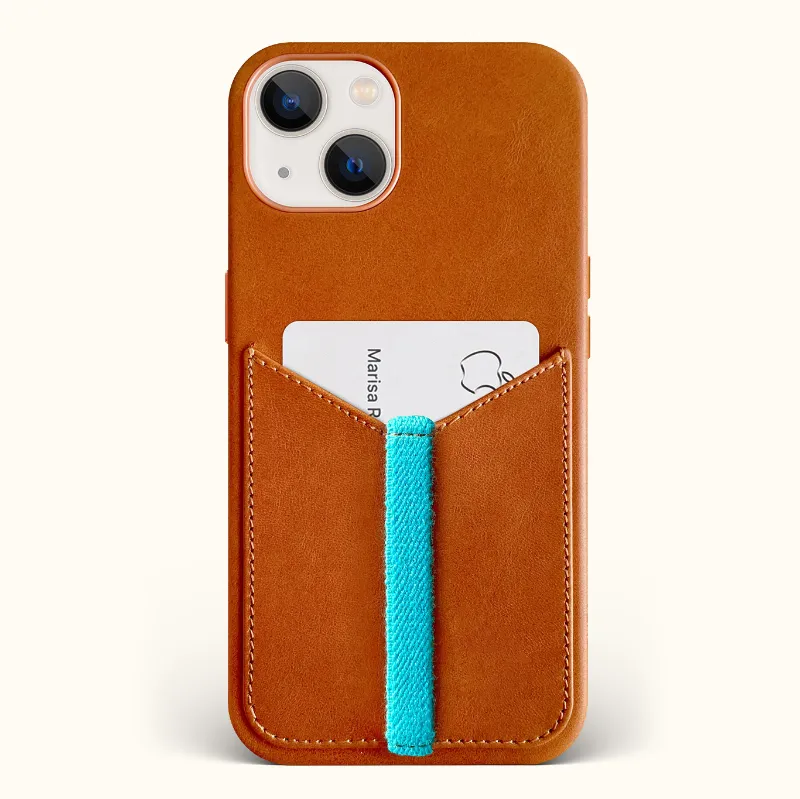
 Shopping at GlideLok? See the discount code
5% OFF Sitewide
Shopping at GlideLok? See the discount code
5% OFF Sitewide
More in this series
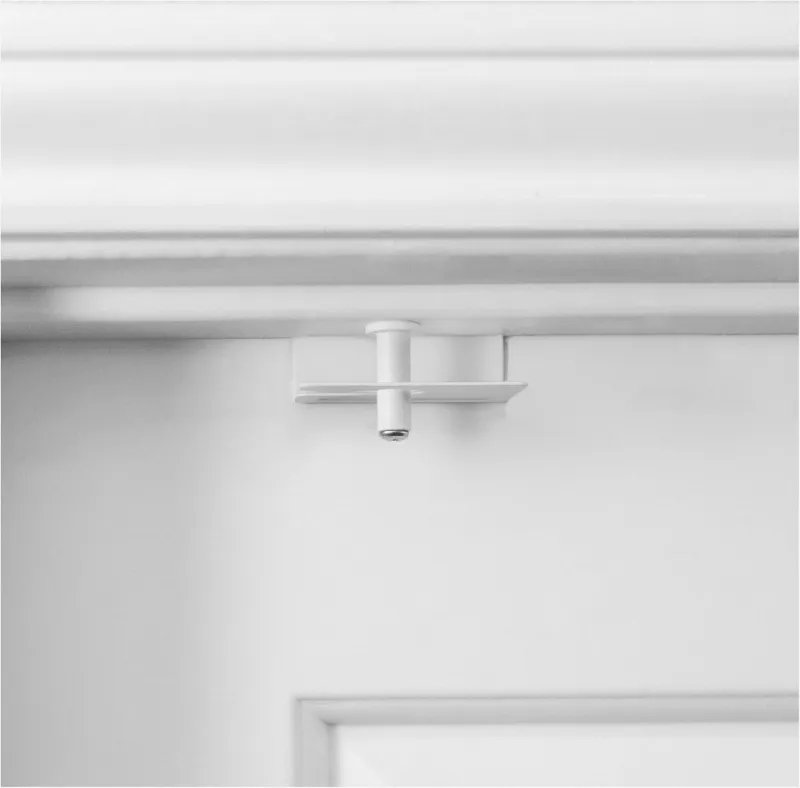 Does the GlideLok Door Lock for Handle Grow With Your Child?5 Sep 20265 minCan a GlideLok Lift-to-Lock Handle Work on French Doors?5 Sep 20263 minWhy Your Toddler Can Reach the Doorknob (And How a GlideLok Upper Door Lock Fixes It)5 Sep 20265 minLever Handle Lock vs Baby Proof Door Handle Lock: Which to Choose5 Sep 20264 minHow to Install a GlideLok Highlock Without Drilling5 Sep 20265 min