 A Greatwinesdirect guide
What Does Gavi Wine Taste Like? A White Wine Guide for Beginners
Gavi wine delivers a crisp, dry white experience with bright citrus, green apple, and subtle almond notes that make it perfect for seafood and light dishes.
Gavi wine offers a crisp, dry white experience characterized by bright citrus, green apple, white peach, and subtle almond notes. This Italian white from the Piedmont region is light-bodied with refreshing acidity and a clean mineral finish that makes it ideal for warm-weather sipping and seafood pairings.
What Makes Gavi Wine Unique
Cortese di Gavi comes exclusively from the Cortese grape grown in the Gavi region of southeastern Piedmont, Italy. The chalky, mineral-rich soils and cool climate produce a white wine with distinctive characteristics that set it apart from other Italian whites.
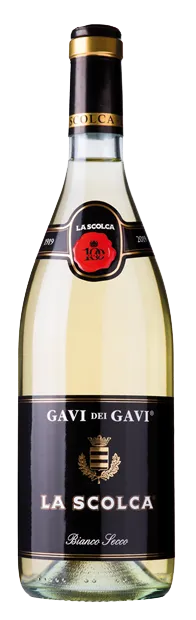
The gavi wine region benefits from limestone and clay soils that impart a signature flinty minerality. Unlike oaked Chardonnays or tropical-fruit-forward Sauvignon Blancs, gavi wine stays elegant and restrained with subtle fruit and a pronounced mineral backbone.
Most Gavi producers ferment in stainless steel to preserve the grape’s natural freshness. This winemaking approach keeps the wine bright and food-friendly, with alcohol levels typically ranging from 11% to 13%. The result is a white that feels lighter on the palate than many New World styles.
Primary Flavor Profile and Tasting Notes
When you taste Gavi, expect these core flavors:
- Citrus: lemon zest, lime, and occasional grapefruit
- Green apple: crisp Granny Smith notes dominate the mid-palate
- Stone fruit: white peach and pear in riper examples
- Almond: a subtle, almost nutty finish
- Mineral: wet stone or saline quality that adds complexity
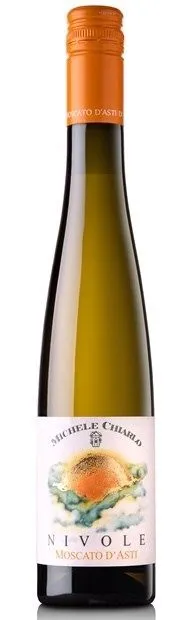
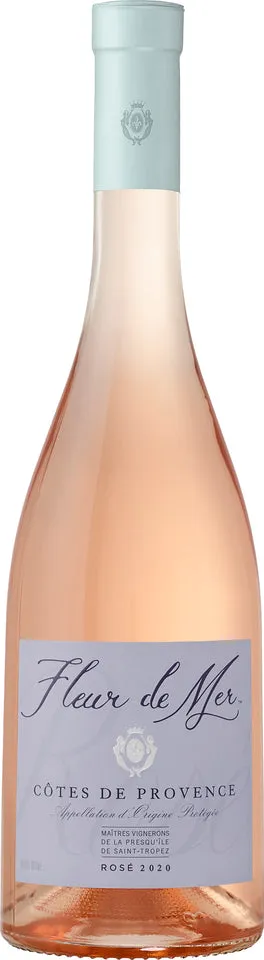
The acidity is brisk without being sharp, making each sip feel clean and refreshing. Unlike red moscato wine, which brings sweetness and berry flavors, or fleur de mer rose, which offers red-fruit notes, Gavi stays firmly in dry white territory with no residual sugar.
Some producers create richer versions labeled “Gavi di Gavi,” which come from the best vineyard sites and may show more texture and concentration. These bottlings can develop honeyed or waxy notes with a year or two of age, though most Gavi is meant to be enjoyed young and fresh.
How Gavi Wine Compares to Other Whites
Understanding what gavi wine is similar to helps you decide if it matches your taste preferences.
| White Wine Style | Body | Acidity | Flavor Focus |
|---|---|---|---|
| Gavi | Light to medium | High | Citrus, green apple, mineral |
| Pinot Grigio | Light | Medium-high | Lemon, pear, light fruit |
| Vermentino | Light to medium | High | Citrus, herb, saline |
| Chablis | Medium | High | Green apple, mineral, oyster shell |
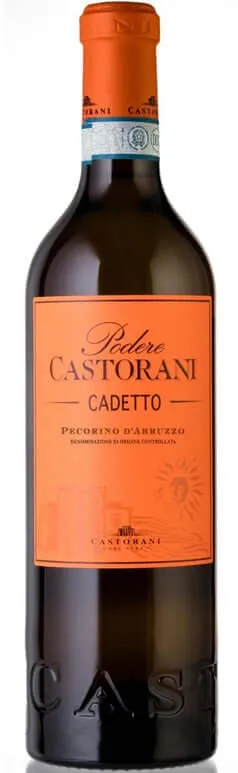
If you enjoy unoaked Chablis or coastal Italian whites, Gavi will feel familiar. It shares the crisp, mineral-driven profile of pecorino wine, another Italian white known for bright acidity and citrus flavors, though Pecorino from the Abruzzo region often shows slightly more body.
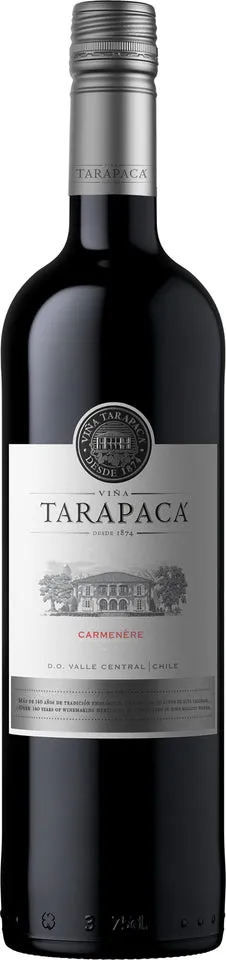
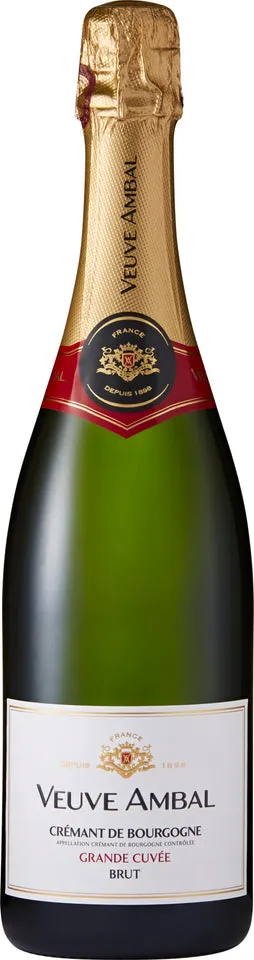
For those who prefer softer, fruitier styles like chilean wine whites such as Chardonnay, Gavi may taste leaner and more austere. If you’re moving from sweeter wines or sparkling options like veuve ambal cremant de bourgogne, expect Gavi to deliver a completely dry, food-focused experience without bubbles or sweetness.
Best Food Pairings for Gavi
The high acidity and clean finish make Gavi wine one of the most versatile whites for pairing. We recommend these matches:
- Seafood: oysters, steamed mussels, grilled white fish, scallops, and shrimp scampi
- Lighter pasta: pesto, aglio e olio, lemon butter sauces, or clam linguine
- Salads: arugula with lemon vinaigrette, Caesar salad, or goat cheese and beet salads
- Appetizers: prosciutto, fresh mozzarella, bruschetta, or crudités with herb dip
- Asian cuisine: sushi, sashimi, spring rolls, and lighter Thai dishes

The wine’s minerality complements briny shellfish, while its acidity cuts through cream-based sauces without overwhelming delicate flavors. Unlike bold reds such as biblia chora pinot noir sole – 750 ml., which pair with heartier proteins, Gavi shines with dishes that let its subtlety show.
Avoid pairing Gavi with heavily spiced foods or rich, fatty meats. The wine’s light body can get lost next to big flavors, and its dryness won’t balance heat the way an off-dry Riesling would.
Serving Temperature and Storage Tips
Serve gavi wine white bottles between 45°F and 50°F (7°C to 10°C). This temperature range keeps the acidity lively while allowing the fruit and mineral notes to express themselves. Over-chilling mutes the subtle flavors, while serving too warm makes the wine taste flabby.
Chill the bottle in your refrigerator for about two hours before serving, or 20 minutes in an ice bucket. Once opened, Gavi stays fresh for two to three days if you reseal it and refrigerate it promptly.
Most Gavi is ready to drink upon release and doesn’t require aging. We suggest consuming bottles within one to two years of the vintage date to enjoy peak freshness. Higher-quality Gavi di Gavi bottlings can age for three to five years, developing richer texture and honeyed notes, but the bright fruit will soften over time.
Store unopened bottles on their side in a cool, dark place away from temperature fluctuations. If you’re exploring the gavi wine price range and where to find reliable selections, check the latest offerings and grab our discount code for 8% off your order.
Where to Buy Gavi Wine and What to Expect
You’ll find Gavi at most wine shops, specialty retailers, and online stores that focus on Italian wines. The gavi wine where to buy question often leads enthusiasts to specialty merchants who curate direct-from-Italy selections with better provenance and storage than mass-market channels.
When shopping, look for these quality indicators:
- DOCG certification: the label should say “Gavi” or “Cortese di Gavi DOCG”
- Recent vintage: current or prior-year releases ensure freshness
- Producer reputation: established estates like La Scolca, Banfi, or Villa Sparina deliver consistent quality
- Proper storage: bottles stored upright under bright lights or in warm conditions lose their vibrancy
While you may see Gavi at large retailers, we recommend sourcing from merchants who specialize in Italian wine to ensure the bottles have been properly handled. Temperature swings and light exposure degrade white wines quickly, so buying from a trusted source matters.
For deeper context on this Italian classic, What is Gavi Wine? offers background on regional history and production methods. The style has gained recognition as one of Italy’s benchmark dry whites, with Gavi DOCG: The Crisp White That Made Italian Wine Critics Fall in Love Again documenting its rise among critics and sommeliers.
Whether you’re new to Italian whites or looking for a reliable warm-weather option, gavi gavi wine selections deliver consistent quality and food-friendly freshness that work for casual sipping and special meals alike.
Questions
What does gavi wine taste like?
Gavi wine tastes crisp and dry with bright citrus (lemon, lime), green apple, white peach, and subtle almond notes. It has high acidity and a clean mineral finish with no sweetness.
Is Gavi wine sweet or dry?
Gavi is a dry white wine with no residual sugar. It's crisp and refreshing, not sweet, making it ideal for pairing with seafood and savory dishes.
What temperature should I serve Gavi wine?
Serve Gavi between 45°F and 50°F (7°C to 10°C). Chill it in the refrigerator for about two hours or 20 minutes in an ice bucket before pouring.
What foods pair best with Gavi wine?
Gavi pairs beautifully with seafood (oysters, grilled fish, shrimp), light pasta dishes with lemon or pesto sauces, fresh salads, and Asian cuisine like sushi. Its high acidity and clean finish complement delicate flavors.
How long does Gavi wine last after opening?
Once opened, Gavi stays fresh for two to three days if you reseal the bottle and keep it refrigerated. Most Gavi is best enjoyed young, within one to two years of the vintage date.
What grape is Gavi wine made from?
Gavi wine is made exclusively from the Cortese grape grown in the Gavi region of Piedmont, Italy. The chalky soils and cool climate give it distinctive mineral and citrus character.
Products in this guide
 Shopping at Greatwinesdirect? See the discount code
8% OFF Sitewide
Shopping at Greatwinesdirect? See the discount code
8% OFF Sitewide
More in this series
Veuve Ambal Crémant De Bourgogne: A Budget-Friendly Champagne Alternative5 Aug 20264 minFleur De Mer Rosé: Is This Provence-Style Wine Worth It?5 Aug 20264 minDoes Red Moscato Wine Need to Be Refrigerated After Opening?5 Aug 20265 minHow to Serve and Store Pecorino Wine Properly5 Aug 20263 minChilean Wine vs Argentine Wine: Which Should You Buy?5 Aug 20264 min