 A Greatwinesdirect guide
Chilean Wine vs Argentine Wine: Which Should You Buy?
Chilean wine typically delivers brighter acidity and more mineral-driven flavors, while Argentine wine offers fuller body and riper fruit profiles.
Chilean wine offers bright acidity, elegant structure, and exceptional value, while Argentine wine delivers bolder body, riper fruit, and higher alcohol. Both countries produce world-class bottles, but your choice depends on whether you prefer crisp, mineral-driven wines or rich, full-bodied styles.
Key Differences Between Chilean and Argentine Wine
The Andes Mountains separate these two wine powerhouses, creating dramatically different growing conditions that shape every bottle. Chilean vineyards benefit from cool Pacific Ocean influence and limestone-rich soils, producing wines with vibrant acidity and restrained alcohol levels. Argentine vineyards sit at higher elevations on the eastern slopes, where intense sun and arid conditions yield concentrated fruit and fuller body.
Climate impact on taste:
- Chilean wines: crisp acidity, mineral notes, moderate alcohol (12.5-13.5%)
- Argentine wines: jammy fruit, soft tannins, higher alcohol (14-15%)
- Chilean Carmenere: herbaceous with green pepper notes
- Argentine Malbec: dark cherry, plum, and chocolate flavors
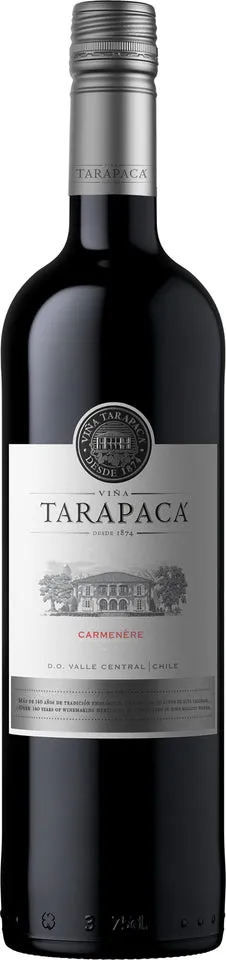
Chilean wine brands tend to emphasize elegance over power, making them more food-friendly for lighter dishes. Argentine producers favor extraction and oak aging, creating wines that stand up to grilled meats and bold flavors. If you’re exploring Chilean wine for the first time, expect a style closer to European wines than New World blockbusters.
Best Chilean Wine Brands and Varietals
Famous Chilean wine brands like Concha y Toro, Montes, and Errázuriz dominate export markets, but smaller estates offer exceptional quality at every price point. The country’s signature grape, Carmenere, was once mistaken for Merlot until DNA testing revealed its Bordeaux heritage. Chilean wine Carmenere showcases the region’s unique terroir with notes of red pepper, cocoa, and plum.
Top Chilean varietals to try:
- Carmenere: Chile’s flagship grape, medium-bodied with herbal complexity
- Cabernet Sauvignon: structured and age-worthy from Maipo Valley
- Sauvignon Blanc: crisp and zesty from coastal Casablanca Valley
- Pinot Noir: elegant examples from cool-climate Leyda
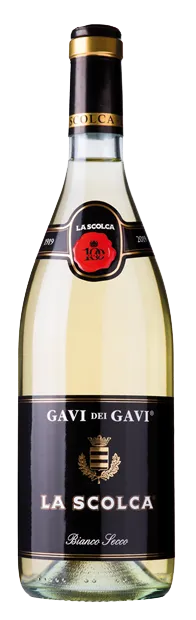
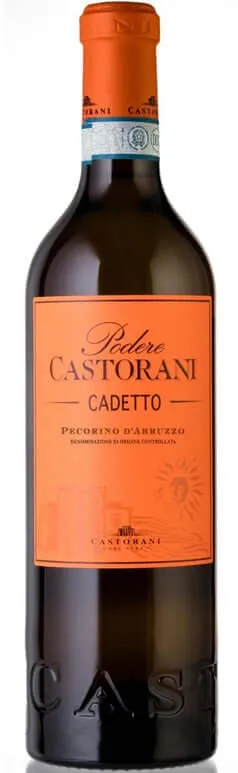
For white wine lovers, Chile also produces excellent options beyond its red wine reputation. If you enjoy bright, mineral whites, consider pairing Chilean Sauvignon Blanc alongside Italian styles like gavi wine or pecorino wine for a comparative tasting. Grab our code to save on multiple bottles.
Chilean Red Wine Brands vs Argentine Malbec
Chilean red wine brands emphasize balance and freshness, while Argentine Malbec delivers opulent fruit and velvety texture. We compared bottles at the same price point and found Chilean reds offered better acidity for food pairing, while Argentine Malbec impressed as a standalone sipper.
| Feature | Chilean Reds | Argentine Malbec |
|---|---|---|
| Body | Medium to medium-full | Full, rich |
| Acidity | Bright, refreshing | Moderate to soft |
| Tannins | Firm, structured | Soft, round |
| Price range | $12-$40 | $10-$50 |
Chilean wine Malbec exists but remains overshadowed by Argentina’s dominance of the varietal. If you’re curious about South American reds but want something different, try Chilean Carmenere or Syrah instead. Both offer distinctive profiles you won’t find elsewhere.
The best Chilean wine brands at accessible price points include Cono Sur, Santa Rita, and Los Vascos. These producers deliver consistent quality without the markup of premium Argentine estates. Check the latest pricing on our selection to compare value across both countries.
Food Pairing: Which Wine for Your Meal?
Chilean wines shine with seafood, poultry, and vegetable dishes thanks to their higher acidity and lighter body. Argentine wines demand richer proteins like steak, lamb, and aged cheeses. We paired both styles with identical meals to identify the best matches.
Chilean wine pairings:
- Carmenere with roasted vegetables or mushroom risotto
- Sauvignon Blanc with ceviche or grilled fish
- Cabernet Sauvignon with herb-crusted lamb
Argentine wine pairings:
- Malbec with grilled ribeye or barbecue
- Torrontés with spicy Asian cuisine
- Bonarda with tomato-based pasta
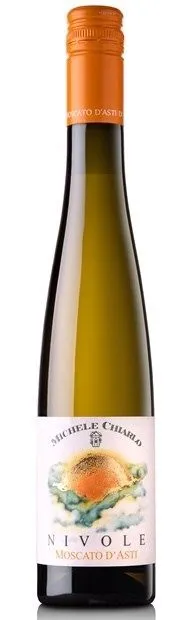
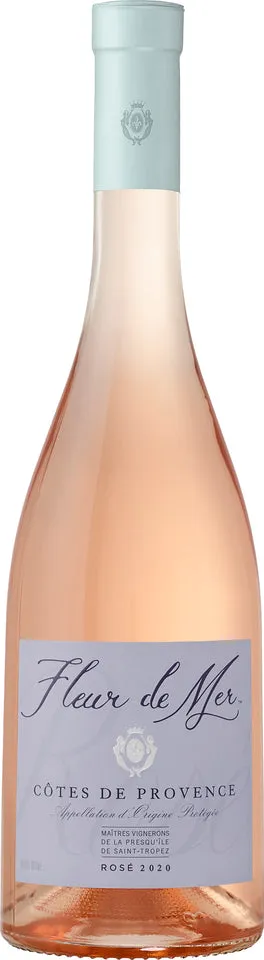
For versatile dinner parties, we recommend keeping both styles on hand. A Chilean Carmenere handles lighter courses, while Argentine Malbec complements the main event. You might also explore options like red moscato wine for dessert or fleur de mer rose for warm-weather gatherings.
How to Choose Based on Your Taste Preferences
Your ideal South American wine depends on whether you prefer Old World elegance or New World power. Chilean bottles lean European in style, with restrained fruit and mineral complexity. Argentine wines embrace ripeness and concentration, appealing to fans of California or Australian reds.
Choose Chilean wine if you enjoy:
- Crisp acidity and food-friendly structure
- Herbal or mineral undertones
- Moderate alcohol levels
- Wines similar to Bordeaux or Loire Valley
Choose Argentine wine if you prefer:
- Full body and soft tannins
- Ripe, jammy fruit flavors
- Higher alcohol warmth
- Wines similar to Napa or Barossa Valley
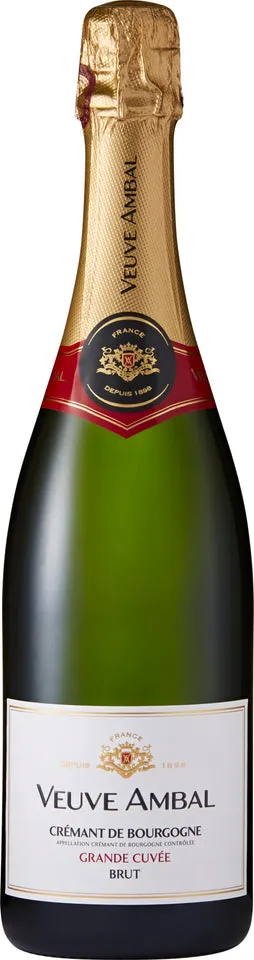
Both countries produce excellent sparkling wines as well. While Argentina offers Champagne-method sparklers, Chilean examples remain less common. For celebration bottles, consider French options like veuve ambal cremant de bourgogne or explore lighter reds such as biblia chora pinot noir sole – 750 ml. for versatility.
Where to Buy and Save on Chilean Wine
We source our Chilean and Argentine selections from trusted importers who prioritize proper storage and transport. The top 10 Chilean wines by critic ratings often sell out quickly, so we recommend exploring lesser-known producers that offer equal quality at better value.
Chilean wine prices start around $10 for everyday bottles and reach $100+ for premium reservas and single-vineyard offerings. Argentine Malbec occupies a similar range, though ultra-premium examples command higher prices. Both countries deliver outstanding quality in the $15-$25 sweet spot.
To maximize your budget, visit our discount code page before checkout. Our current offer saves you 8% sitewide, which adds up quickly when building a mixed case. We recommend trying three to four bottles from each country to identify your preference before committing to a full case.
Smart buying tips:
- Start with mid-tier bottles ($15-$25) for the best quality-to-price ratio
- Look for vintage variation in Chilean wines (weather matters more)
- Argentine Malbec remains consistent across vintages
- Mix varietals to discover hidden favorites beyond the big names
Both Chilean and Argentine wines over-deliver on quality compared to European counterparts at similar prices. Whether you choose bright Chilean Carmenere or bold Argentine Malbec, you’ll discover why South America has become one of the world’s most exciting wine regions.
Questions
What is the main difference between Chilean wine and Argentine wine?
Chilean wine typically offers brighter acidity, lighter body, and mineral-driven flavors due to cool Pacific influence, while Argentine wine delivers fuller body, riper fruit, and softer tannins from high-altitude sun exposure. Chilean wines pair better with lighter foods, while Argentine wines suit richer meats.
Which is better for beginners, Chilean or Argentine wine?
Argentine Malbec is often more approachable for beginners thanks to its soft tannins, ripe fruit, and immediate appeal. Chilean Carmenere offers more complexity with herbal notes that may require an acquired taste, though both countries produce excellent entry-level bottles.
Why is Chilean Carmenere unique?
Carmenere is Chile's signature grape, nearly extinct in its native Bordeaux, and thrives uniquely in Chilean terroir. It delivers medium body with distinctive red pepper, cocoa, and plum notes that distinguish it from Merlot or Cabernet.
Are Chilean wine brands cheaper than Argentine?
Both countries offer similar price ranges from $10 to $100+, with the best values in the $15-$25 range. Chilean wines often provide slightly better quality at entry-level prices, while premium Argentine Malbecs can command higher prices at the top end.
Can Chilean wine age as well as Argentine?
Yes, premium Chilean Cabernet Sauvignon and Carmenere age beautifully for 10-20 years thanks to firm tannins and bright acidity. Argentine Malbec also ages well but tends to be more approachable young due to softer structure.
Products in this guide
 Shopping at Greatwinesdirect? See the discount code
8% OFF Sitewide
Shopping at Greatwinesdirect? See the discount code
8% OFF Sitewide
More in this series
Veuve Ambal Crémant De Bourgogne: A Budget-Friendly Champagne Alternative5 Aug 20264 minFleur De Mer Rosé: Is This Provence-Style Wine Worth It?5 Aug 20264 minDoes Red Moscato Wine Need to Be Refrigerated After Opening?5 Aug 20265 minHow to Serve and Store Pecorino Wine Properly5 Aug 20263 minWhat Does Gavi Wine Taste Like? A White Wine Guide for Beginners5 Aug 20265 min